



Retractor Sets

- by Thompson Surgical
Nathanson Liver Retractor vs Open Liver Retractor Sets: Matching Retraction to Surgical Approach
Match liver retraction to the surgical approach, from laparoscopic Nathanson blade support to open table-mounted retractor sets for complex liver procedures.
- by Thompson Surgical
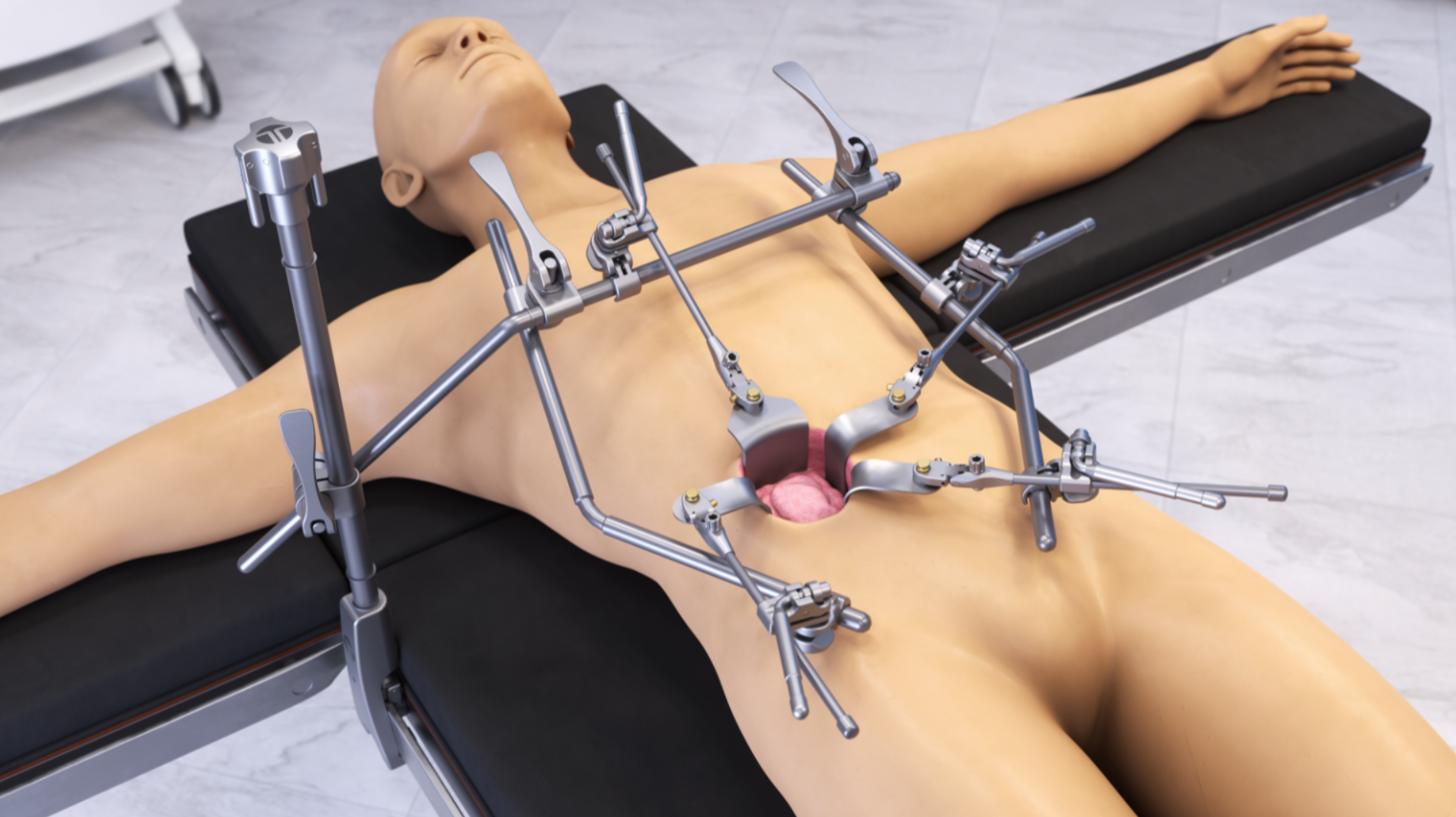
Liver Transplant Retractor Setup: Frame, Blade, and Setup Considerations for Stable Open Exposure
Learn how a liver transplant retractor supports stable, hands-free exposure, blade positioning, and setup consistency in open liver and oncology procedures.
- by Thompson Surgical
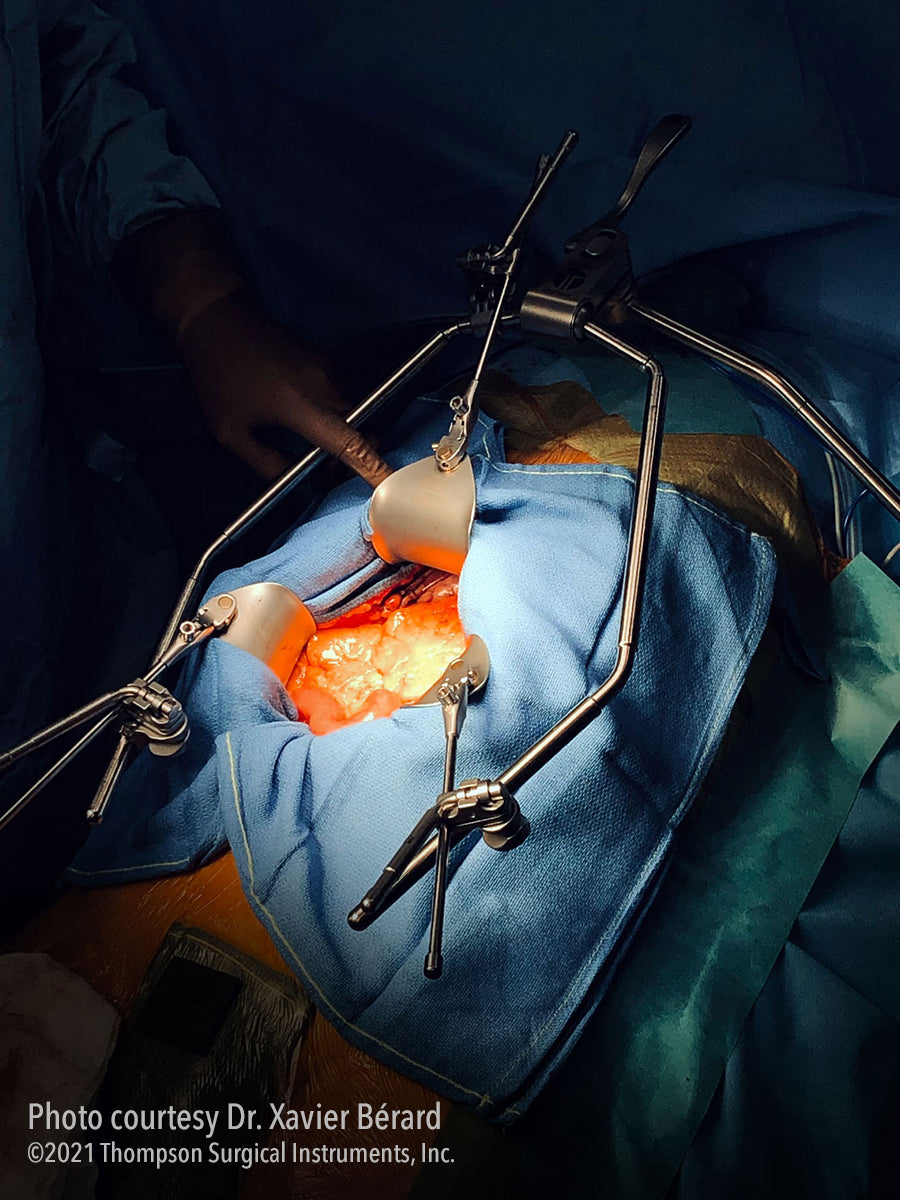
How OEM Partnerships Help Advance Surgical Exposure and Medical Device Innovation
Learn how OEM partnerships support surgical exposure, implant workflows, design controls, and innovation in table-mounted retractor systems for complex procedures.
- by Thompson Surgical
OR Readiness for Oncology Cases: Where Staff Should Find IFUs, Manuals, and Setup Resources
Learn where OR teams should find IFUs, reprocessing documentation, and set up demos to reduce variability and improve readiness in oncology procedures.

- by Thompson Surgical
HIPEC and Open-Abdomen Oncology Procedures: Retraction Demands and Why Stability Matters
Learn how HIPEC retraction systems support stable exposure, perfusion workflows, and safety, and see the Thompson HIPEC retractor in action in clinical use.

- by Thompson Surgical
Colorectal Oncology Cases: Repeatable Exposure Strategies Using Table-Mounted Retractor Sets
Learn how table-mounted colorectal retractor sets provide stable exposure, reduce repositioning, and support repeatable workflows in oncology procedures.

- by Thompson Surgical
Ring-Style vs. Modular Frame Systems in Open Oncology: How to Choose the Right Architecture

- by Thompson Surgical
Why Table-Mounted Retractors are Ideal for Complex Open Oncologic Resections

- by Thompson Surgical
RingTrack™ vs Wishbone™ Retractor Sets for Lumbar Surgery: What to Compare and Why It Matters