



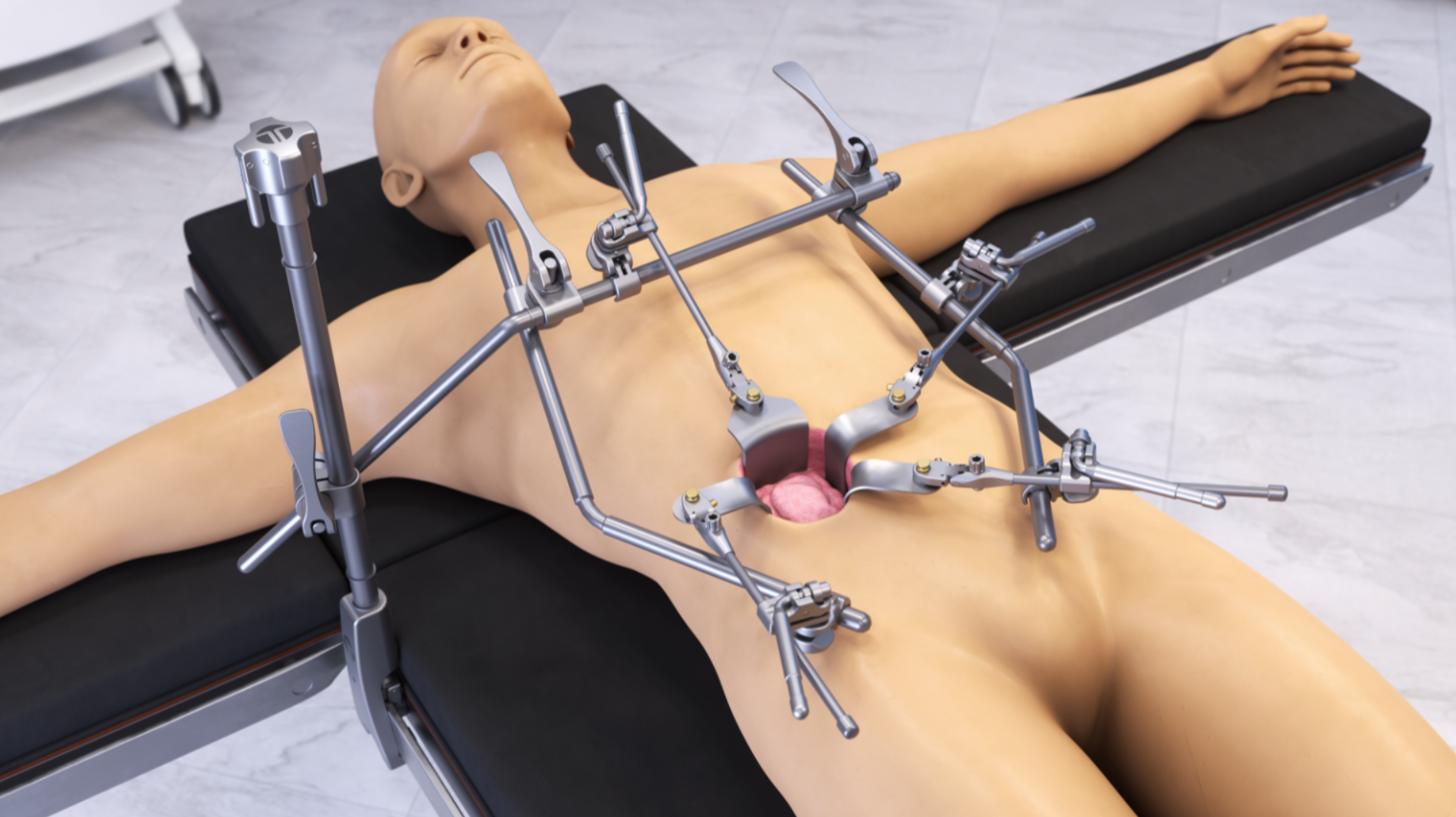
Liver transplant, liver resection, and hepatic oncology procedures require stable exposure across deep upper abdominal anatomy, extended case times, and changing access needs. As the surgical field shifts, retraction has to remain steady while still allowing controlled adjustment.
A liver transplant retractor set should provide hands-free exposure, support multi-planed retraction, and give the surgical team enough flexibility to adapt around the incision, anatomy, patient body habitus, and surgeon workflow. In these cases, setup matters as much as the frame itself. The right retractor set should help the team establish exposure efficiently, maintain access under sustained soft-tissue tension, and refine blade positioning as the procedure progresses.
Why Liver Transplant and Oncology Cases Need Stable Open Exposure
Liver transplant and oncology procedures involve large, deep operative fields where exposure must remain consistent across changing anatomy. These cases often require access across multiple quadrants, sustained retraction, and adjustment as the team moves through different stages of the operation.
Open liver procedures often place steady pressure on the retraction approach because teams work deep within the abdomen and across multiple surgical planes. Consistent exposure, efficient workflow, and stability under load are central to hepatobiliary, transplant, and oncology procedures.
Effective retraction in these cases should support:
● Wide upper abdominal exposure
● Stable positioning under sustained load
● Consistent access without repeated adjustment
● Controlled refinement as exposure needs change
● Hands-free retraction that reduces reliance on manual holding
Maintaining exposure throughout the case helps the team avoid unnecessary interruptions. When retraction has to be reset repeatedly, workflow slows and visibility can become harder to maintain during critical phases.
What a Liver Transplant Retractor Set Must Support
A liver transplant retractor setup needs to provide a stable foundation while giving surgeons control over blade positioning. These procedures do not stay static from the first incision to closure. Exposure needs can shift as anatomy changes, traction demands increase, or access deepens.
A strong liver transplant retractor set should support:
● Table-mounted stability
● Hands-free retraction
● Multi-planed exposure
● Independent blade positioning
● Adaptability for incision size and body habitus
● Setup consistency across OR teams
The frame and blades should work together as one coordinated setup. The frame provides the table-mounted foundation, while the blade selection determines how effectively exposure can be maintained across deep or changing operative fields.
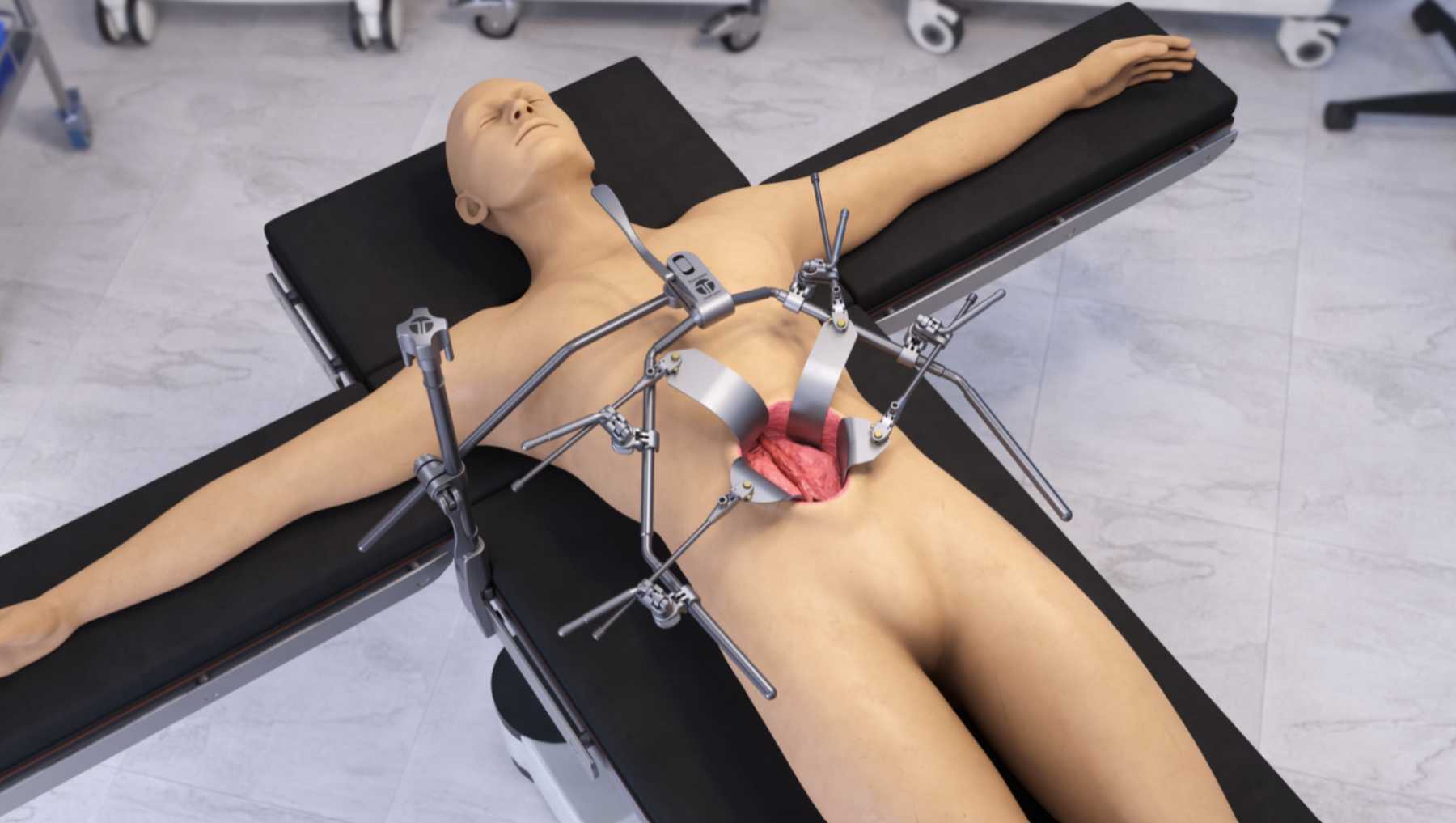
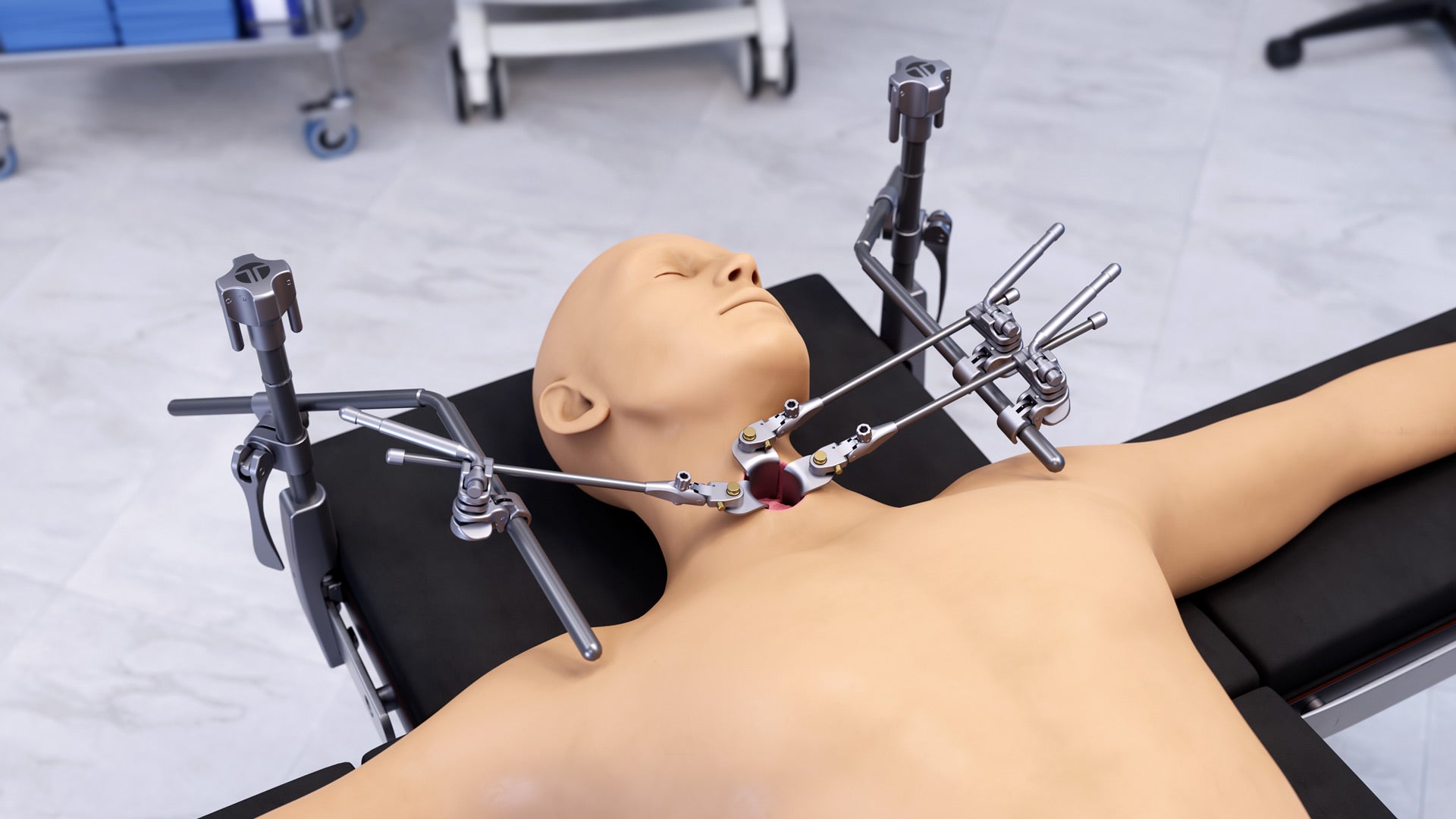
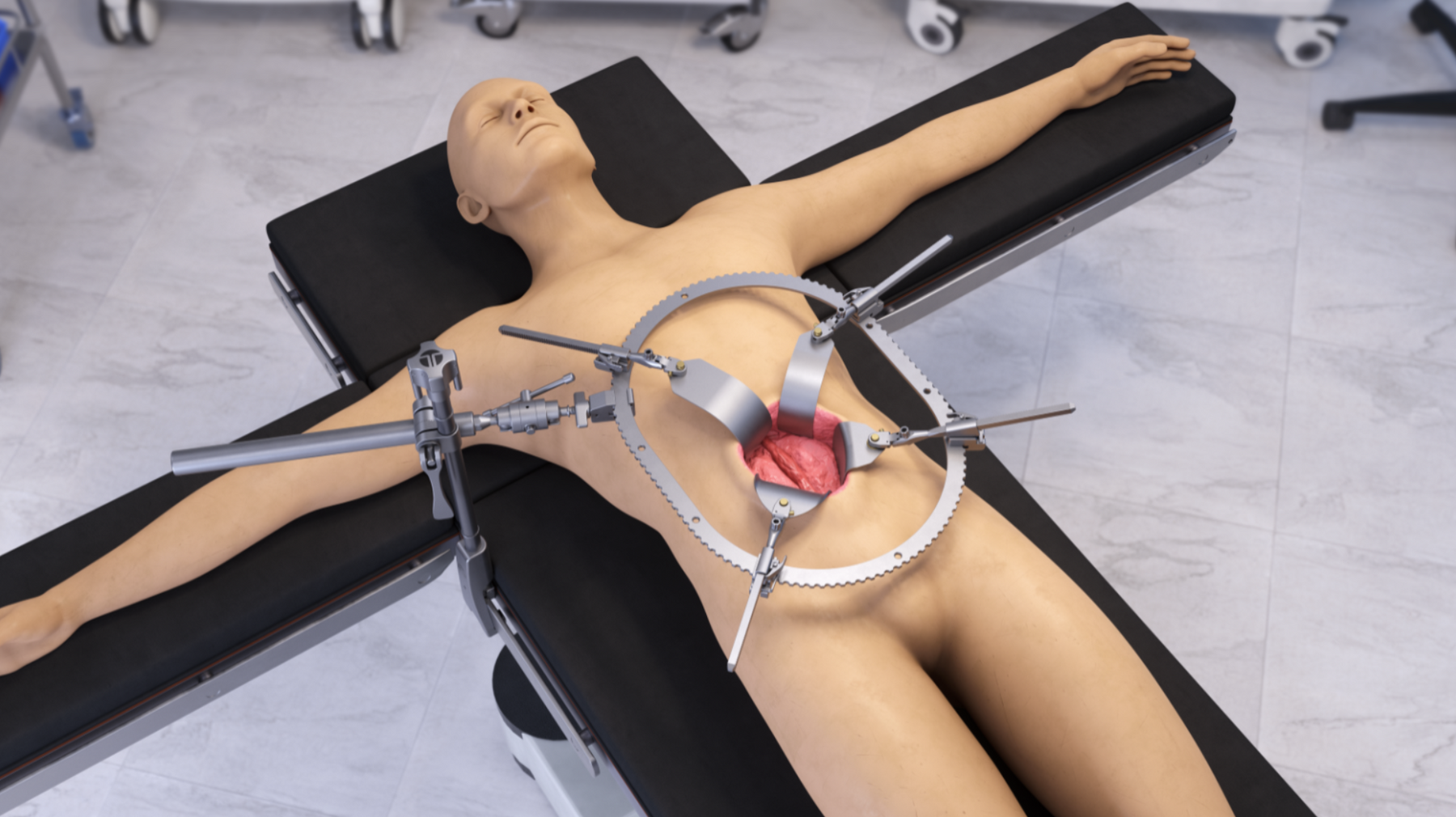
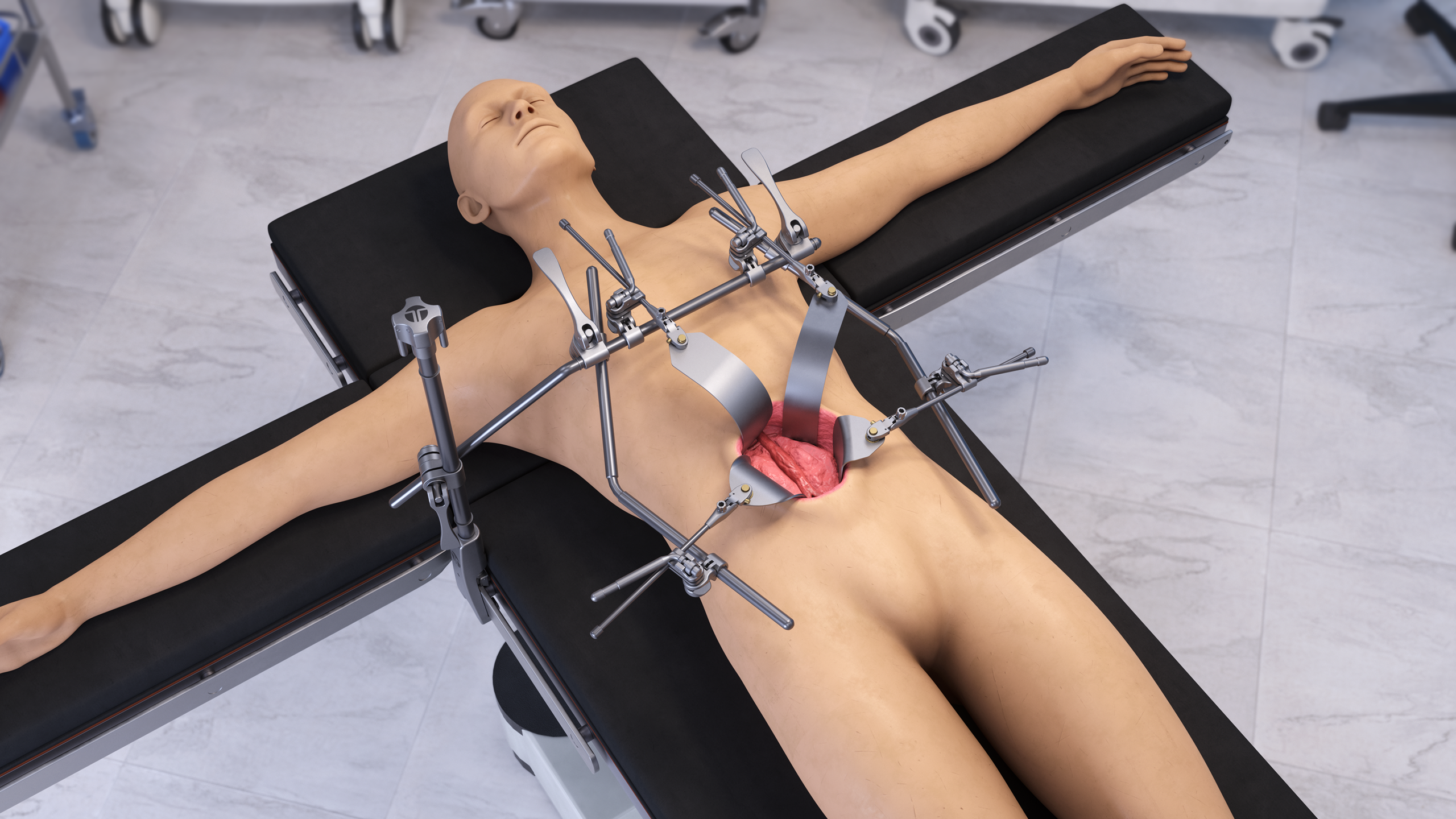
Thompson Liver Transplant/Oncology Retractor Set for Open Liver Surgery
The Thompson Liver Transplant/Oncology Retractor Set is designed for complex open liver procedures, including liver transplants, liver resections, oncology cases, and obesity cases. Its table-mounted frame setup supports stable, versatile retraction, while broad blade selection allows the team to adapt exposure around the incision, anatomy, and patient body habitus.
This retractor set supports multi-planed exposure across complex abdominal and pelvic cases. For liver transplant and oncology procedures, that flexibility matters because the surgical team may need to adjust retraction as the operation progresses without disrupting the entire field.
The value is practical: stable exposure, surgeon-directed adjustment, and a setup that can support large or changing operative fields. For long-duration open liver procedures, that combination helps the team maintain control without relying on constant manual retraction.
Blade Selection and Setup Flexibility in Liver Transplant Cases
Blade selection directly impacts exposure quality. In liver transplant, liver resection, and oncology cases, surgeons may need to manage deep access, sustained soft tissue tension, and changing exposure angles. The blade kit must support the procedure rather than limit it.
Important blade considerations include:
● Access depth
● Tissue load
● Incision strategy
● Patient size
● Imaging needs
● Surgeon preference
The Liver Transplant/Oncology Retractor Set includes Liver-Oncology Blade Kit and Radiolucent Liver-Oncology Blade Kit options. The availability of radiolucent blade options can be useful when the imaging workflow is part of the surgical plan.
Setup flexibility also matters for OR teams. A retractor set used in transplant-level cases should be sufficiently repeatable for staff to prepare efficiently while still allowing the surgeon to adapt exposure based on anatomy and case progression.
Setup Standardization for Liver Transplant Teams
Liver transplant and oncology cases are staff- and equipment-intensive and often lengthy. A repeatable setup process helps the OR team prepare the right components before the case begins and reduces uncertainty during assembly.
Standardization can support:
● Preference card consistency
● Pre-case component checks
● Blade availability
● Staff familiarity with frame setup
● Faster handoff between teams and shifts
● More predictable cleaning and reprocessing workflow
Training resources can also help teams become more consistent with setup. Thompson provides liver retractor setup training resources, including a video tutorial, to help OR teams review the assembly before cases or during onboarding.
A standardized setup does not remove surgeon preference. It provides the team with a reliable starting point, allowing the surgeon to focus on exposure, adjustments, and case progression.
Comparing Liver Transplant Retraction Options
Liver transplant retraction should be judged by how well the setup works during the case. Product names, frame categories, and added features matter less than stable exposure, reliable access, controlled blade movement, open working space, and a setup the team can repeat.
Surgeons and OR leaders should evaluate:
● Does the frame provide stable table-mounted support?
● Can exposure be adjusted as the field changes?
● Does the blade selection support deep upper abdominal access?
● Can the setup adapt to obesity cases or changing anatomy?
● Does the retractor set preserve working space around the field?
● Can OR and SPD teams learn, reproduce, and process the setup consistently?
A liver transplant retractor set should keep the workflow clear and manageable. It should fit the team’s existing process while giving the surgeon stable, controlled exposure throughout the procedure.
Evaluation Questions for Liver Programs and OR Leaders
A liver transplant retractor evaluation should include both clinical and operational considerations. The team should look at how the retractor set performs during setup, exposure, adjustment, turnover, and staff training.
Useful evaluation questions include:
● Does the setup maintain stable exposure through long procedures?
● Can the surgeon adjust individual blades without disrupting the operative field?
● Does the blade selection support cases in transplant, resection, oncology, and obesity?
● Does the setup preserve working space around the table?
● Can the OR team consistently assemble the set?
● Are setup resources available for training and onboarding?
● How does the set fit the cleaning, inspection, and reprocessing workflow?
For surgical procedures on the liver, evaluation should reflect the full clinical context. Exposure, setup, staffing, reprocessing, and repeatability all affect whether the retractor set effectively supports the team.
Evaluate a Liver Transplant Retractor Set in Your OR
A free 30-day clinical evaluation allows liver programs to assess a liver transplant retractor set in their own OR environment before standardizing equipment. Teams can evaluate setup, exposure stability, blade positioning, workspace, staff training, and reprocessing workflow, with support for both OR and SPD staff.
This type of hands-on evaluation is especially useful for complex open liver procedures. It allows surgeons and OR leaders to see how the retractor set performs under real-world workflow conditions, including long-duration exposures, changing access needs, and staff setup requirements.
Thompson Surgical Instruments engineers table-mounted retractor sets designed to provide stable, hands-free exposure in complex open liver procedures. We support surgical teams with liver transplant, resection, oncology, HPB, Whipple, and HIPEC configurations designed for controlled exposure and workflow consistency. Contact us today to learn more about a liver transplant retractor.
Share:
How OEM Partnerships Help Advance Surgical Exposure and Medical Device Innovation
Nathanson Liver Retractor vs Open Liver Retractor Sets: Matching Retraction to Surgical Approach