



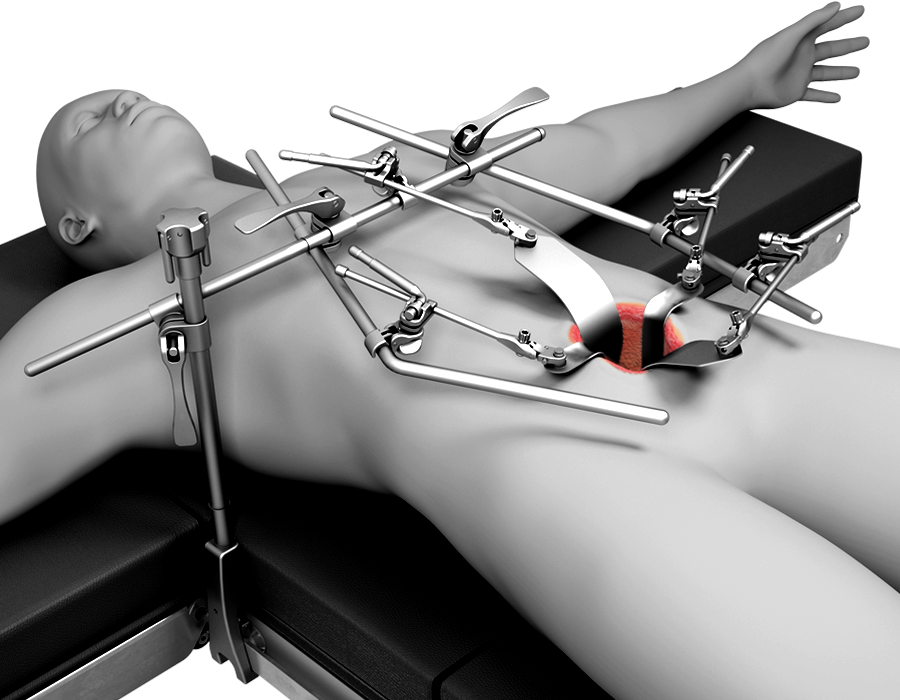
Complex open liver procedures require stable exposure, a coordinated OR workflow, trained staff, and equipment capable of supporting long, technically demanding cases. For value-analysis committees, the cost of a surgical retractor set should not be evaluated by purchase price alone.
A stronger review considers the full value of the retractor set: procedural fit, utilization, surgeon adoption, setup consistency, OR and SPD training, reprocessing workflow, service support, and the ability to evaluate the equipment before standardizing it.
Why Purchase Price Is Only One Part of Surgical Retractor Set Cost
When evaluating liver retractor system price options, value analysis committees should begin with the clinical and operational demands of the case, while considering factors such as training and support. HPB, Whipple, HIPEC, transplant, and oncology procedures often involve deep upper-abdominal access, altered anatomy, long case durations, and sustained soft-tissue tension.
Cost is only one part of the review. Committees should also ask whether the retractor set supports the liver service line through stable exposure, appropriate blade options, repeatable setup, staff training, reprocessing workflow, service support, and surgeon adoption.
A complete value review should consider how the retractor set performs across:
● Exposure stability
● Blade positioning
● Setup repeatability
● Surgeon-controlled adjustment
● OR and SPD team training
● Cleaning, inspection, and reprocessing workflow
● Service and support
● Procedure utilization
This approach gives committees a clearer view of a complete OR equipment value analysis than a simple line-item comparison. Later in the review, training and support should be evaluated directly.
Thompson offers a free clinical evaluation, which includes OR and SPD team training, coordinated retractor set selection, and support throughout a 30-day trial.
Procedure Coverage and Utilization Across Liver Cases
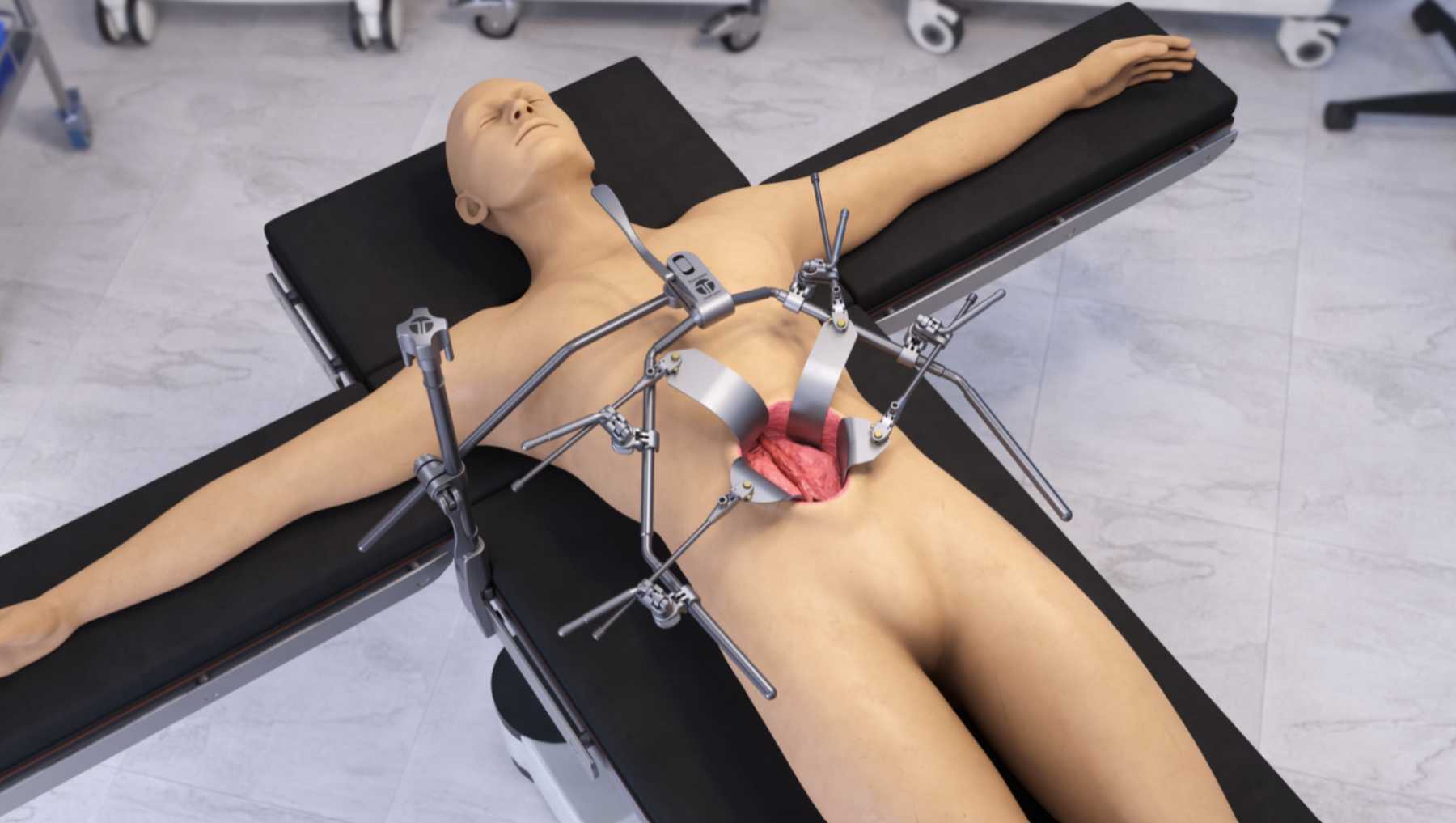
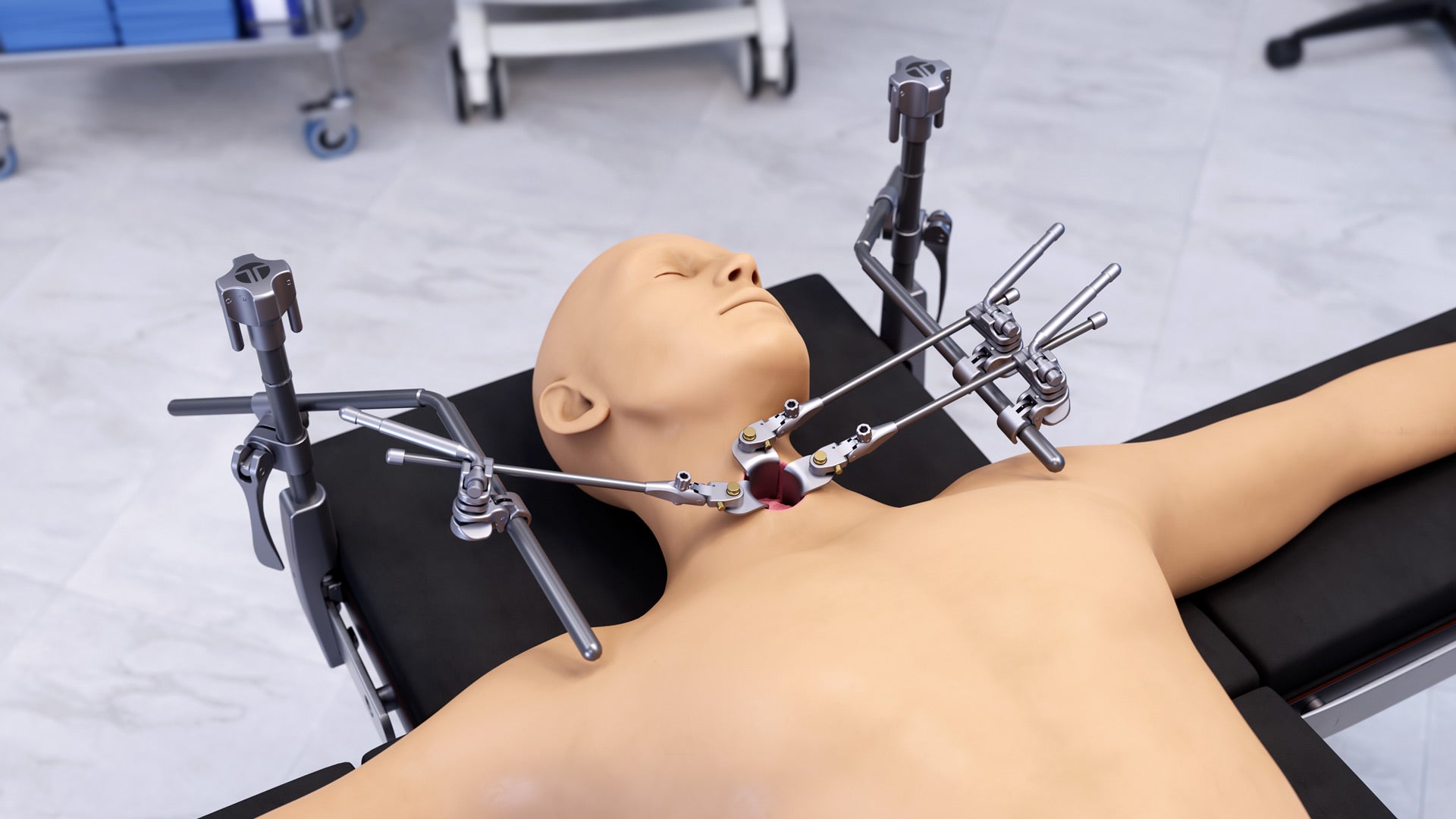
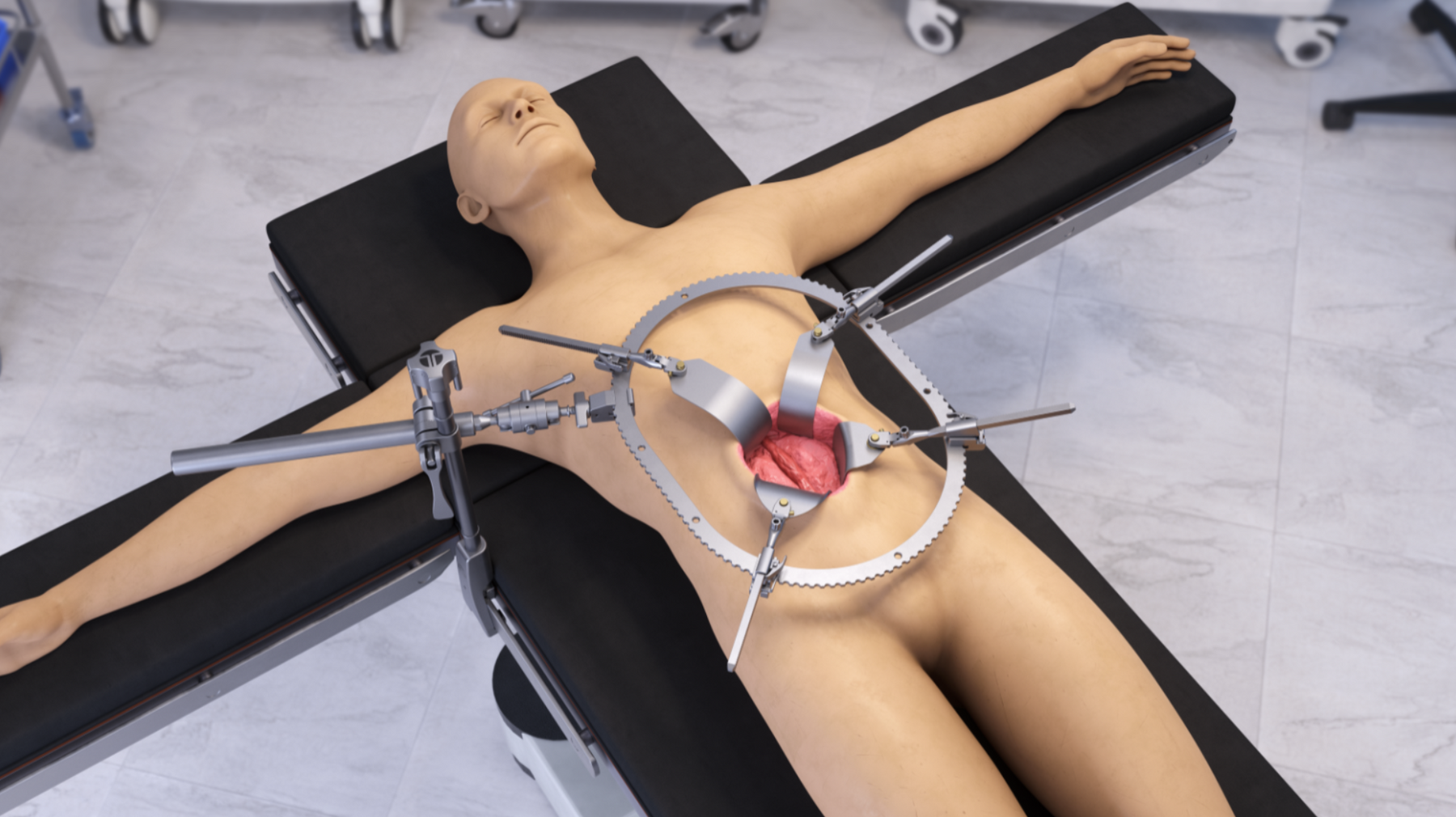
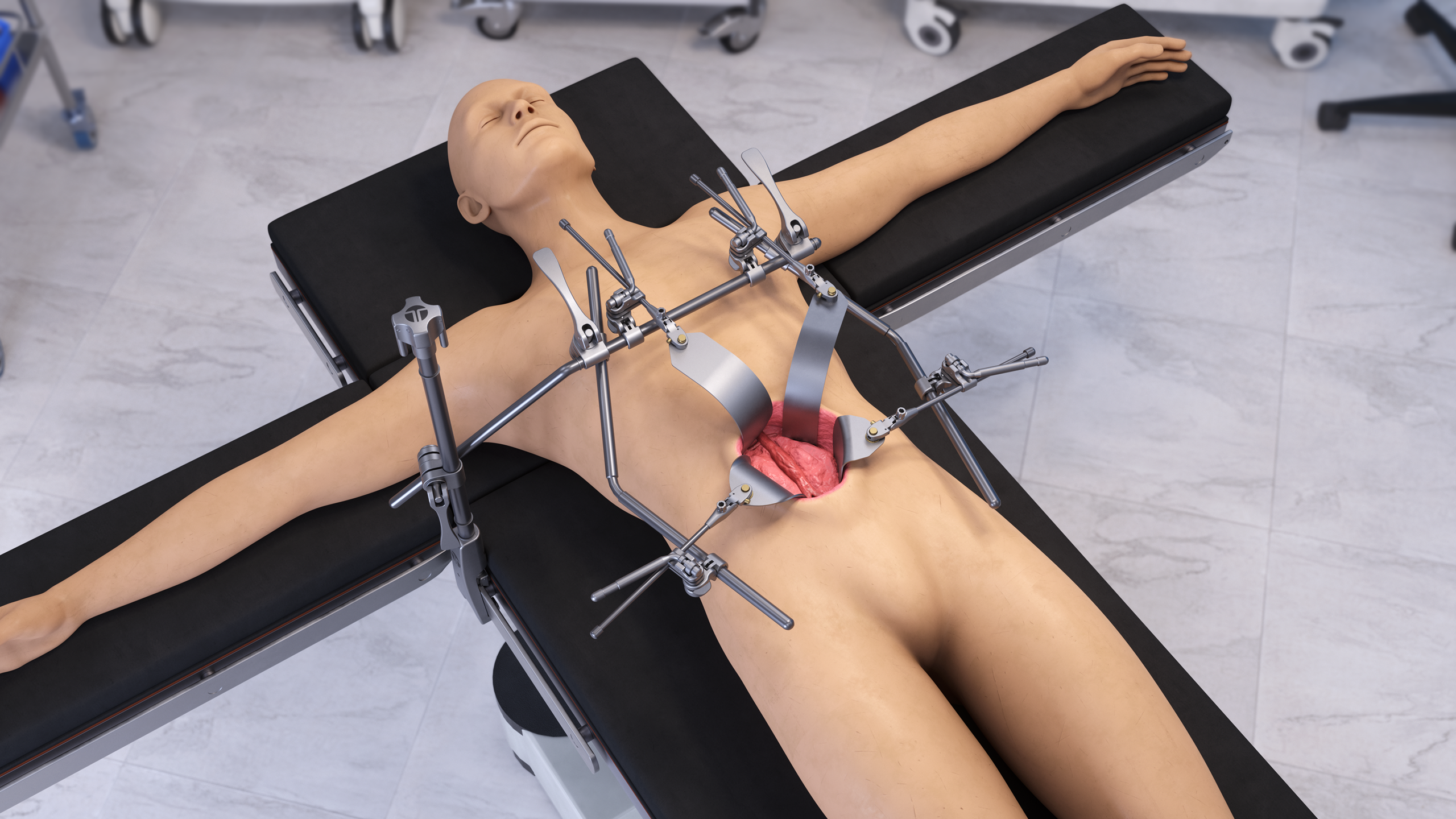
Utilization matters because liver procedure retractor sets may support multiple case types. Thompson table-mounted retractor sets for liver procedures provide hands free retraction for procedure-specific exposure needs, including HIPEC, HPB, Whipple, and liver transplant or oncology procedures.
For value-analysis committees, that creates a practical utilization question: how many procedures could the retractor set support across various liver procedures?
The review should consider annual case volume across:
● Open liver resections
● HPB procedures
● Whipple procedures
● HIPEC cases
● Liver transplant procedures
● Hepatic oncology cases
A retractor set used across multiple complex procedures may create greater retractor system ROI than one evaluated for a single case type. Committees should also consider surgeon adoption, case mix, and whether one configuration or multiple liver procedure configurations are needed.
Clinical Fit: Does the Set Provide the Necessary Exposure?
A liver surgery retractor set should match the exposure demands of the procedure. In complex open liver cases, exposure must remain stable while allowing the surgical team to adapt as anatomy, access points, and workflow change.
Clinical fit should include:
● Stable, hands-free exposure
● Surgeon-controlled blade positioning
● Access to deep upper abdominal anatomy
● Stability under sustained soft tissue tension
● Multi-planed retraction when needed
● Radiolucent blade options when imaging is part of the surgical plan
For HPB procedures, radiolucent blade options may support cholangiography workflow. For liver transplant and oncology cases, broader blade selection and stable table-mounted exposure may matter more. For HIPEC and Whipple procedures, sustained exposure and consistent access throughout long procedural phases are key parts of the evaluation.
The best review starts with the surgical need and works backward to the appropriate retractor set configuration.
Workflow Fit: Setup, Adjustment, and Team Consistency
A retractor set can perform well clinically but still create friction if the team struggles to set it up, adjust it, or reproduce the same configuration across cases. Workflow fit should be part of every value-analysis review.
Committees should ask practical questions about how the retractor set fits the OR:
● Can the team consistently assemble the set?
● Does the setup match the procedure and surgeon preference?
● Can blade position be adjusted without rebuilding exposure?
● Does the frame preserve working space around the field?
● Can the setup be clearly reflected on the preference cards?
● Can OR and SPD teams learn the workflow efficiently?
For complex liver cases, repeatability matters. A consistent setup helps the team prepare the right frame, blades, clamps, and accessories before the case begins, reducing uncertainty during long procedures.
Training, Support, and Surgeon-Driven Design
A value analysis review should include the support behind the equipment. Retractor adoption depends on the set itself, as well as setup guidance, staff training, responsive service, and confidence that the manufacturer understands complex OR workflows.
Thompson has focused on table-mounted retraction for more than 60 years. Our retractor sets are shaped by surgeon input, precision engineering, and clinical collaboration. That history matters for value analysis committees because long-term value depends on whether the equipment can be adopted, supported, and used consistently across surgical teams.
Support should be evaluated alongside the equipment. Committees evaluating table-mounted surgical retractor costs should consider:
● OR team training
● SPD team training
● Set up support during evaluation
● Service responsiveness
● Clinical feedback during the trial
● Long-term support after adoption
A lower initial cost may not provide the same value if training, support, service, or surgeon adoption is weak.
Reprocessing and SPD Considerations
SPD workflow plays a direct role in equipment value. A liver surgery retractor set includes frame components, blades, clamps, and related accessories that must be consistently cleaned, inspected, organized, and returned to service.
Committees should include SPD leaders in the evaluation process so the full workflow is understood before standardizing equipment.
Key SPD considerations include:
● Tray configuration
● Component identification
● Cleaning and inspection steps
● Reassembly after reprocessing
● Staff familiarity
● Documentation access
● Turnaround expectations
A retractor set should support the OR, but it also has to fit the facility’s reprocessing workflow. If SPD teams are not included early, adoption can create preventable delays or confusion after the purchase decision.
How a Free 30-Day Clinical Evaluation Supports the Business Case
A free 30-day clinical evaluation gives value-analysis committees a practical way to assess a retractor set in the facility’s own OR environment before standardizing equipment. Surgeons, OR teams, and SPD staff can evaluate setup, exposure stability, blade positioning, training needs, and reprocessing workflow under actual case conditions.
During the evaluation, committees can collect feedback from each group involved in the process:
● Surgeons can assess exposure stability, blade positioning, and procedural fit.
● OR teams can evaluate setup, adjustment, working space, and workflow.
● SPD teams can review the requirements for cleaning, inspection, component organization, and reprocessing.
● Service line leaders can compare tested case types, adoption feedback, and support needs.
This feedback helps build a stronger business case because it reflects the facility's actual workflow rather than assumptions from a spec sheet.
Trade Up and Upgrade Considerations
Facilities replacing older retractor sets should also evaluate whether current equipment still supports the demands of complex liver procedures. Trade-in opportunities may help committees address aging equipment while reviewing whether a newer table-mounted retractor set better supports exposure stability, setup efficiency, surgeon control, and staff workflow.
For facilities reviewing older equipment, the evaluation should include current limitations and upgrade goals:
● Does the current setup still provide stable exposure under load?
● Does the frame profile preserve working space around the field?
● Are blade options still appropriate for the current liver procedure case mix?
● Is the setup consistent across surgeons, teams, and shifts?
● What service, training, or support gaps have emerged?
● Does a trade-in option apply?
Upgrade economics should not focus only on replacing hardware. The stronger review looks at whether the current setup still supports the surgical team’s clinical, operational, and support expectations.
Value-Analysis Checklist for Liver Surgery Retractor Sets
A strong value-analysis review should evaluate the retractor set across clinical, operational, financial, and support-related factors. These questions can help guide the discussion:
● Which liver procedures will use the retractor set?
● Does it support HPB, Whipple, HIPEC, transplant, oncology, or resection workflows?
● Does the frame provide stable, hands-free exposure?
● Are the blade options appropriate for the facility’s case mix?
● Are radiolucent blade options needed for the imaging workflow?
● Can surgeons adjust exposure without disrupting the setup?
● Can the OR team consistently assemble the set?
● Does the retractor set preserve working space around the field?
● What training is provided for OR and SPD teams?
● How does the set fit the cleaning, inspection, and reprocessing workflow?
● What support is available during evaluation and onboarding?
● Is a free 30-day clinical evaluation available?
● Does a trade-in option apply if older equipment is being replaced?
● What feedback did surgeons, OR staff, and SPD teams provide during the trial?
This checklist helps committees compare value responsibly without making unsupported assumptions about labor savings, operative time, or clinical outcomes.
Request a Clinical Evaluation and Quote
For facilities reviewing the surgical retractor set cost, the most useful next step is to evaluate the table-mounted retractor set in the procedures where it will be used. A clinical evaluation and quote can give the committee better information, stronger feedback, and a clearer basis for the final purchasing decision.
Thompson Surgical Instruments engineers table-mounted retractor sets designed to provide stable, hands-free exposure in complex open liver procedures. We support surgical teams with liver procedure configurations, clinical evaluation support, OR and SPD training, U.S.-based service, and upgrade options for facilities reviewing equipment value. Contact us today to request a clinical evaluation and for more information on surgical retractor set cost analysis.
Share:
Nathanson Liver Retractor vs Open Liver Retractor Sets: Matching Retraction to Surgical Approach
Whipple Retractor Set Selection: What Matters for Stable, Multi-Planed Exposure