


During complex surgical procedures, exposure affects how clearly and consistently the surgeon can work. The surgical team needs to visualize anatomy, protect delicate structures, and maintain a stable working corridor. The tools used for surgical exposure can shape the efficiency and predictability of the procedure.
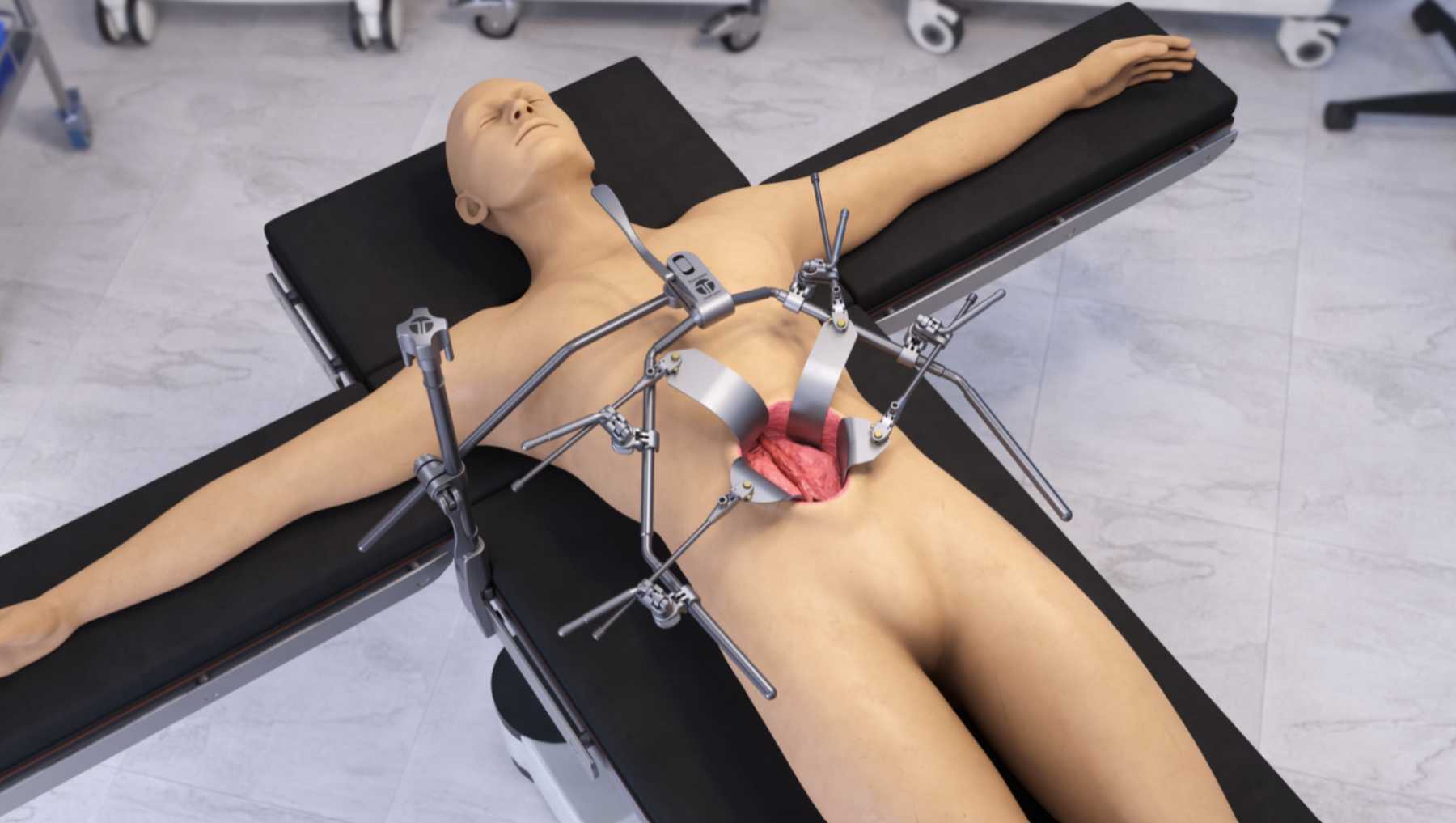
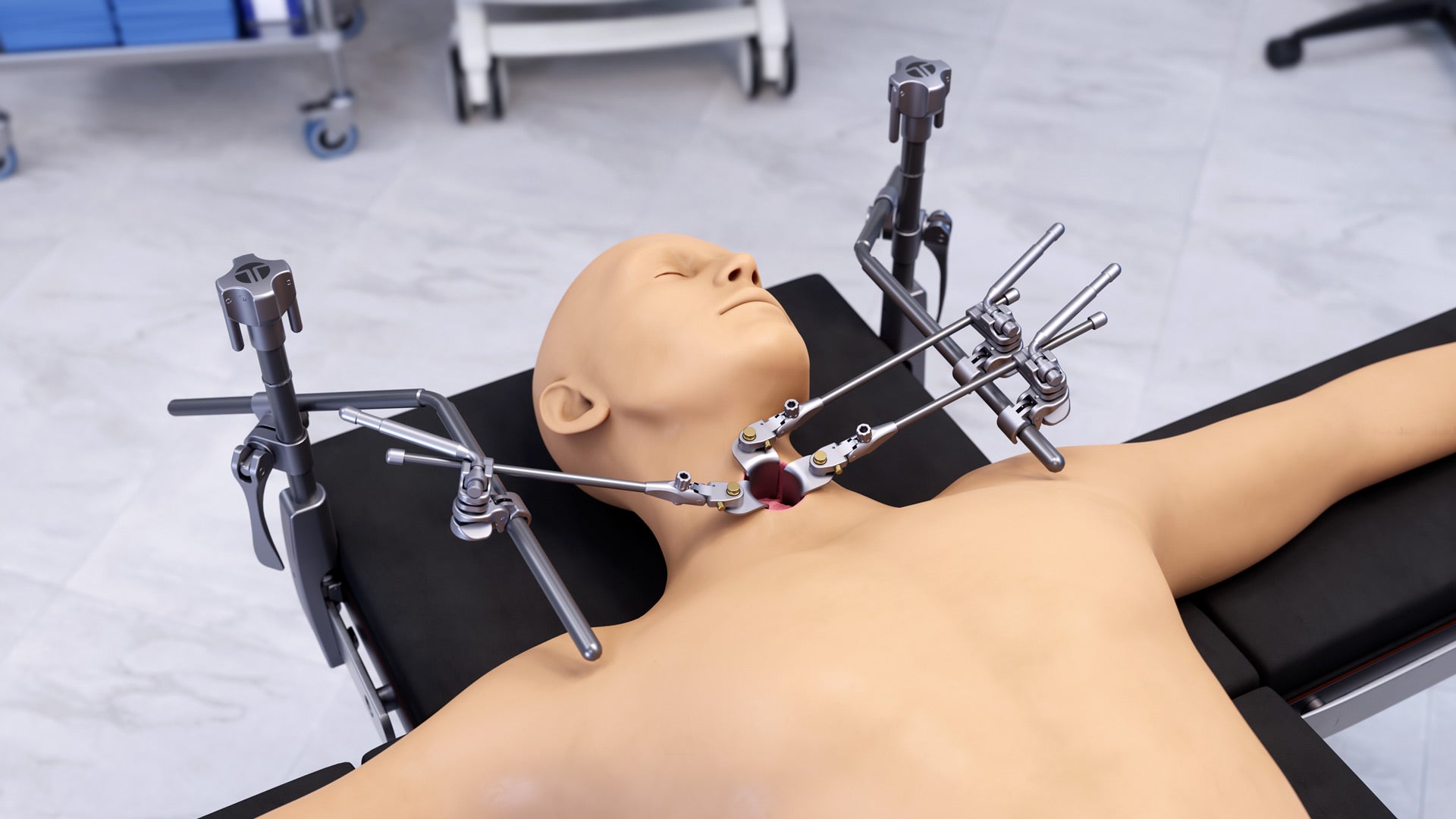
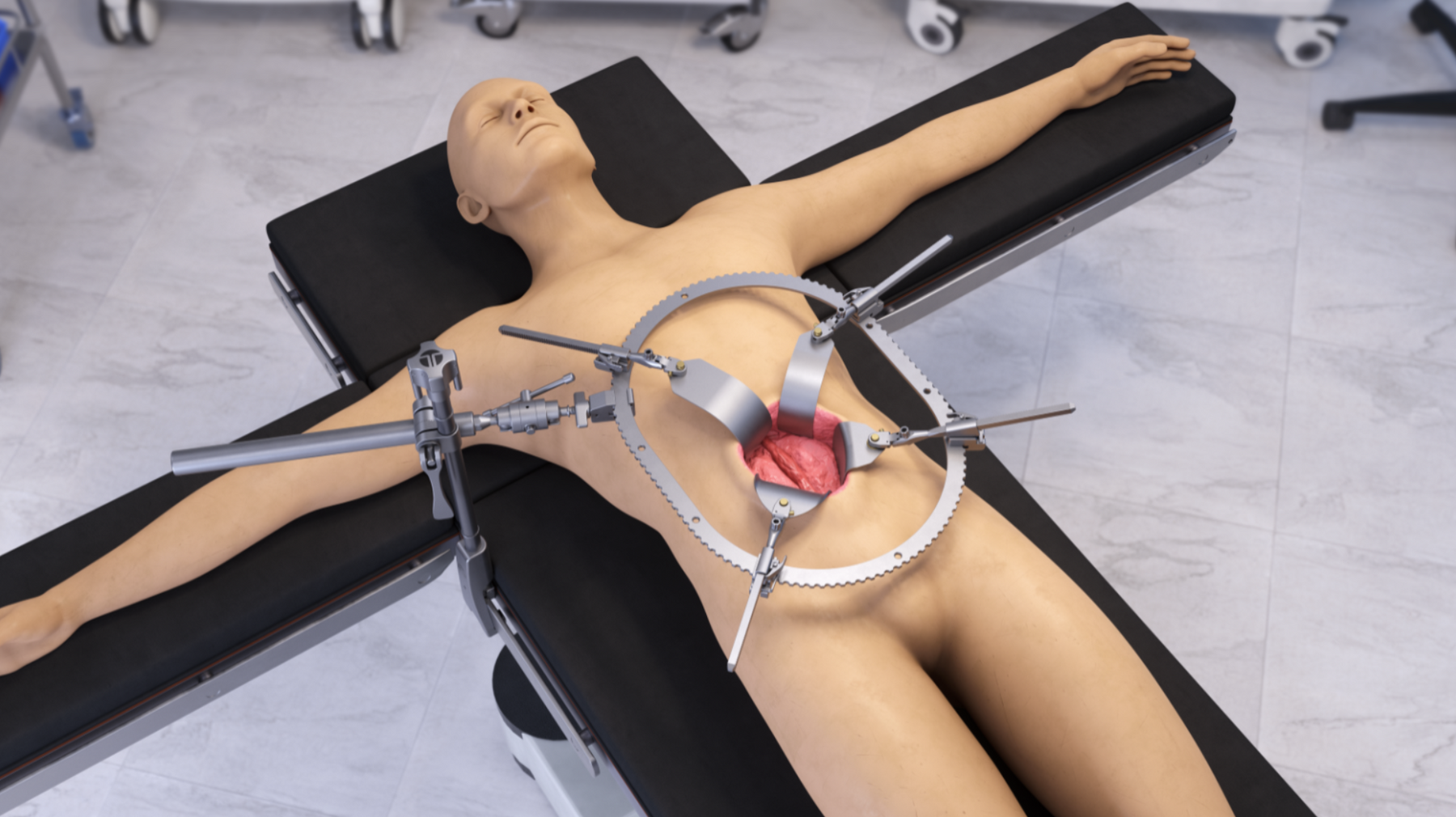
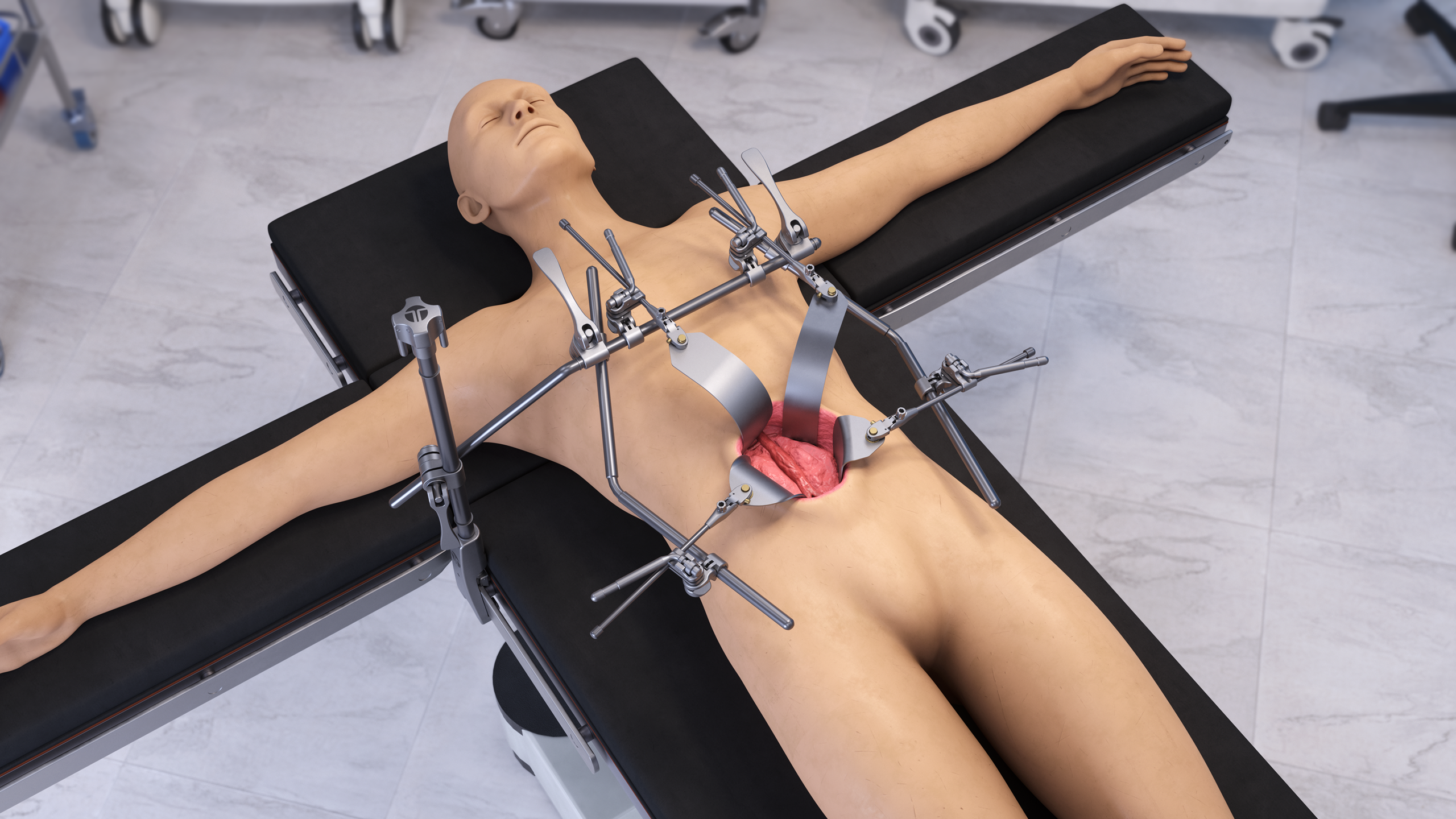
Table-mounted retraction systems help support that access. Instead of relying only on handheld retractors and additional staff to maintain exposure, a table-mounted system provides a stable framework for holding tissue in position. This helps surgeons see the anatomy they are treating while reducing the need for continuous manual retraction.
For Thompson Surgical, that focus on exposure has led to growing collaboration with implant companies and other medical device manufacturers. Through OEM partnerships, each company can focus on its core strengths. The implant company brings expertise in implants, instrumentation, and procedure-specific innovation. Thompson brings experience in surgical exposure, retractor design, engineering, and manufacturing.
What Surgical Exposure Means in Practice
Surgical exposure refers to the surgeon's ability to access and visualize the anatomy involved in a procedure. In many cases, especially those involving deep or delicate anatomy, exposure needs to do more than create an opening. It needs to remain stable throughout the case.
Even small shifts can affect the surgeon's working corridor. In procedures such as anterior lumbar spine access, for example, the team may be working near delicate structures. A stable exposure system helps maintain visualization while keeping anatomy positioned consistently.
A table-mounted retractor works much like a specialized fixture. In manufacturing, a fixture holds a part in place so work can be performed accurately and repeatably. In the operating room, the "part" is human tissue, which makes the design far more complex. The system must provide strength and stability while supporting the needs of the surgeon, the procedure, and the surrounding anatomy.
From Handheld Retraction to Table-Mounted Stability
Before table-mounted retractors became part of modern surgical workflows, retraction often required two or three people holding handheld retractors for the surgeon. That approach could work, but it placed a great deal of responsibility on the endurance, positioning, and consistency of the people holding those instruments.
Table-mounted retraction changed that model by creating a static system that can hold exposure in place. For the surgeon, the exposure system becomes part of the operating environment rather than a task that constantly needs manual adjustment.
This can support the team by:
● Helping the surgeon stay focused on the procedure
● Reducing reliance on sustained handheld retraction
● Creating a repeatable setup surgeons can become familiar with over time
● Providing a stable corridor for implant placement or other procedural steps
The value comes from how the system supports the surgeon's view, workflow, and confidence with the tools in use.
Why OEM Partnerships Make Sense in Medical Device Development
Many implant manufacturers specialize in their own product categories. Their teams understand implant design, instrumentation, clinical workflows, surgeon education, and commercialization. Exposure system design often requires a separate set of skills.
Surgical exposure systems involve retraction mechanics, materials, manufacturing, surgeon preferences, procedural access, validation, risk management, and long-term durability. When an implant company builds a retractor or exposure platform internally, the work can pull time and resources away from its core focus.
An OEM partnership allows both organizations to focus on what they do best.
|
Partner |
Primary Focus |
Value of Collaboration |
|
Implant manufacturer |
Implants, instrumentation, procedural workflow, surgeon relationships |
Gains an exposure solution that can be paired with its implant offering |
|
Thompson Surgical |
Table-mounted retraction, surgical exposure, engineering, design controls, manufacturing |
Applies exposure expertise to a partner's procedural requirements |
|
Surgical team |
Visualization, access, stability, familiarity, procedure execution |
Receives tools designed to support the specific workflow |
In this model, the implant company purchases the exposure system and pairs it with its implant or procedural solution. This can help the OEM bring a more complete offering to the hospital while relying on an experienced partner for the exposure component.
What an OEM Surgical Exposure Partnership Can Involve
An OEM relationship in surgical device development can go well beyond a sales agreement. In many cases, it involves collaboration from early concept through finished device.
A partner may begin with a procedural need, such as better exposure for a certain approach, compatibility with a specific implant instrument set, or a retractor design that supports a new workflow. From there, the development process becomes more detailed.
A collaboration may include:
-
Understanding the procedural need
The OEM partner explains the procedure, implant workflow, and limitations of existing exposure tools. -
Refining user needs and design inputs
Broad requirements are translated into practical design criteria that can guide engineering and testing. -
Concepting and prototyping
Ideas may begin as sketches, move into prototypes, and evolve through surgeon and partner feedback. -
Testing, verification, and validation
The design is evaluated against requirements to confirm that it performs as intended. -
Risk management and documentation
The process includes the documentation and quality work needed to support the finished device. -
Manufacturing and delivery
Thompson manufactures the finished device for the OEM partner, supporting the partner's ability to bring the solution into the field.
This type of partnership can be useful when an OEM partner wants to move development forward without building every exposure-related capability internally.
Surgeon Familiarity and Long-Term Adoption
Surgeons often develop long-term familiarity with specific instruments and systems. A tool that feels predictable can reduce distractions during a procedure, especially when the surgeon is focused on anatomy, implant placement, and patient-specific considerations.
Longstanding surgeon relationships can help guide product development. Surgeon feedback informs design decisions, while familiar interfaces and predictable handling can influence adoption.
When new technology builds on established design principles, the transition can feel more natural. A surgeon may be learning a new procedure, implant, or workflow. If the exposure platform uses familiar components or interfaces, it can reduce the learning curve. Practical innovation works best when it respects how surgeons already work.
How OEM Partners Can Support Innovation
OEM partners can bring new clinical needs, workflows, and design constraints into the development process. That input can help shape exposure systems that are better matched to real procedural demands.
In surgical exposure, innovation may involve:
● New materials that reduce weight or improve usability
● Manufacturing process improvements
● Coatings or surface changes that support durability or function
● Lower-profile designs that help preserve the surgeon's line of sight
● Compatibility with new procedural approaches
● Exposure solutions that support emerging technologies, including robotic-assisted workflows
Robotic-assisted surgery shows why exposure systems need to keep evolving. Even when a robot assists with trajectory, cuts, or implant-related steps, the surgical field still needs access, stability, and appropriate positioning. In some procedures, anatomy may need to remain especially stable because robotic systems rely on defined positions in space.
For companies like Thompson, the goal is to keep exposure systems compatible with the technologies developing around them. The retractor does not need to become the robot. It needs to support the working corridor, anatomy stabilization, and procedural access that help advanced technologies function effectively.
Trust and Communication in OEM Collaboration
Medical device partnerships are technical, but they also depend on strong working relationships. OEM collaboration requires trust, clear communication, and responsiveness over time.
A partner needs to know that the exposure system supplier understands the procedure, listens carefully, and can anticipate practical needs without having every detail spelled out. That requires experience, transparency, and a steady development process.
Continuity also matters. Large organizations may experience turnover or team changes, while a long-term partner may retain knowledge from previous launches. That experience can help new project teams understand internal processes, anticipate common issues, and keep development moving.
For the OEM partner, the relationship provides more than a retractor. It provides a team with experience in surgical exposure, product development, regulatory expectations, manufacturing, and the realities of bringing a device into the operating room.
From Surgeon Need to Patient Care
One of the most meaningful parts of surgical device development is seeing an idea move from a surgeon's need to a finished product used clinically. That process may start with a conversation, a sketch, or a problem observed in the field. From there, it moves through engineering, prototyping, feedback, testing, documentation, and manufacturing.
Strong solutions usually come from collaboration among surgeons, engineers, OEM partners, manufacturing teams, and quality professionals. Each group brings a different perspective that helps shape a more practical tool for the operating room.
OEM partnerships in surgical exposure connect specialized expertise with real procedural needs. They allow implant manufacturers to focus on their core technologies while working with a partner that understands exposure. They give surgeons tools designed around practical use. They also help surgical retraction systems keep pace as procedures and technologies change.
Thompson Surgical designs and manufactures table-mounted retractor systems that support hands-free surgical exposure across specialties including general, spine, orthopedic, vascular, liver, urology, and gynecology. Through OEM partnerships, procedure-specific retractor sets, and long-term surgeon collaboration, Thompson helps surgical teams and medical device partners develop stable, adaptable exposure systems for the operating room. To learn more about Thompson Surgical's products, partnership opportunities, or procedure-specific systems, visit the Thompson Surgical website or contact the team.
Share:
OR Readiness for Oncology Cases: Where Staff Should Find IFUs, Manuals, and Setup Resources
Liver Transplant Retractor Setup: Frame, Blade, and Setup Considerations for Stable Open Exposure