



Urology Procedures
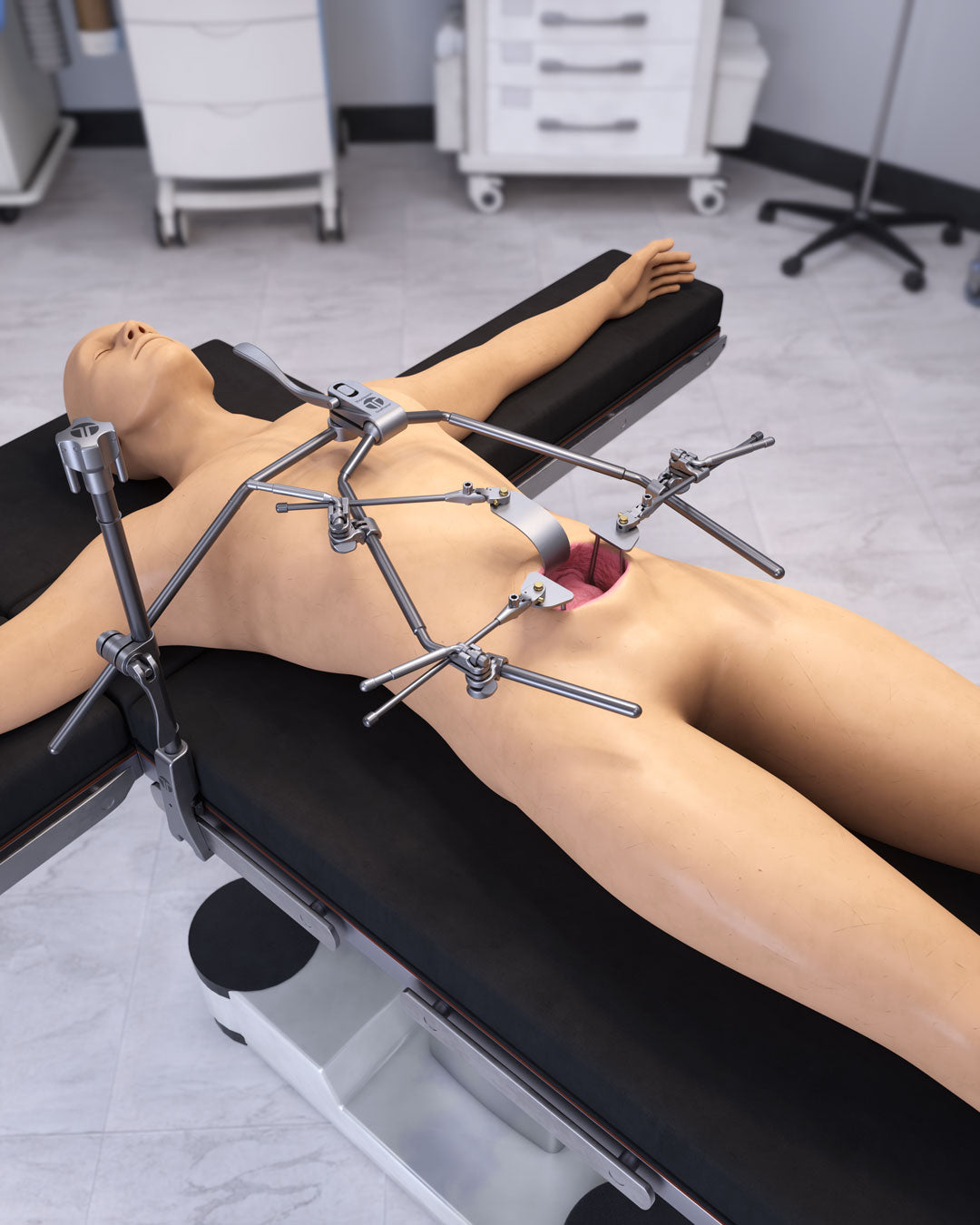
Table-Mounted Retractor Sets for Urology Procedures
Table-mounted retractor sets for urology procedures provide stable, hands-free exposure within deep pelvic, perineal, and abdominal operative fields. Thompson offers configurations for open urologic oncology, retropubic prostatectomy, and perineal prostatectomy, allowing surgical teams to match the frame and blade arrangement to the procedure, patient anatomy, and required access.
Why Urology Procedures Require Stable, Targeted Retraction
Open urology procedures frequently involve deep anatomy and confined working spaces. Exposure must remain stable while preserving room for dissection, visualization, instrumentation, lymph node access, and reconstruction.
The exposure challenge varies by procedure. Urologic oncology cases may require broad access across the abdomen and pelvis. Retropubic prostatectomy requires targeted access into the deep pelvis through a lower abdominal incision. Perineal prostatectomy uses a smaller perineal approach with limited space around the operative field.
Effective urologic retraction may need to support:
- Deep pelvic or perineal access
- Stable exposure during sustained retraction
- Independent blade positioning
- A low-profile working area around the incision
- Adjustments for patient anatomy and body habitus
- Unobstructed space for instruments and visualization
- Consistent setup across the procedure
A table-mounted retractor provides the surgical team with a stable foundation from which individual blades can be positioned and adjusted to the anatomy being exposed.

What Are Table-Mounted Retractor Sets for Urology Procedures?
Table-mounted retractor sets attach directly to the operating room bed rail. The frame supports independently positioned blades, allowing the surgical team to establish hands-free exposure without relying solely on continuous manual retraction.
Frame geometry and blade selection influence how the retractor fits around the incision and operative field. A broad bilateral frame may be appropriate for complex oncology cases, while a ring, compact frame, or crossbar configuration may be selected for focused pelvic or perineal access.
Thompson urology retractor sets feature modular frames, handles, and procedure-specific blade kits to support various open surgical approaches.
Types of Urology Retractor Sets
Thompson table-mounted retractor sets are available for three primary open urology procedure categories:
- Urologic oncology
- Retropubic prostatectomy
- Perineal prostatectomy
Each configuration addresses a different exposure pattern. The appropriate set depends on the operative approach, incision location, required field width, exposure depth, and surgeon preference.
Urologic Oncology Retractor Set
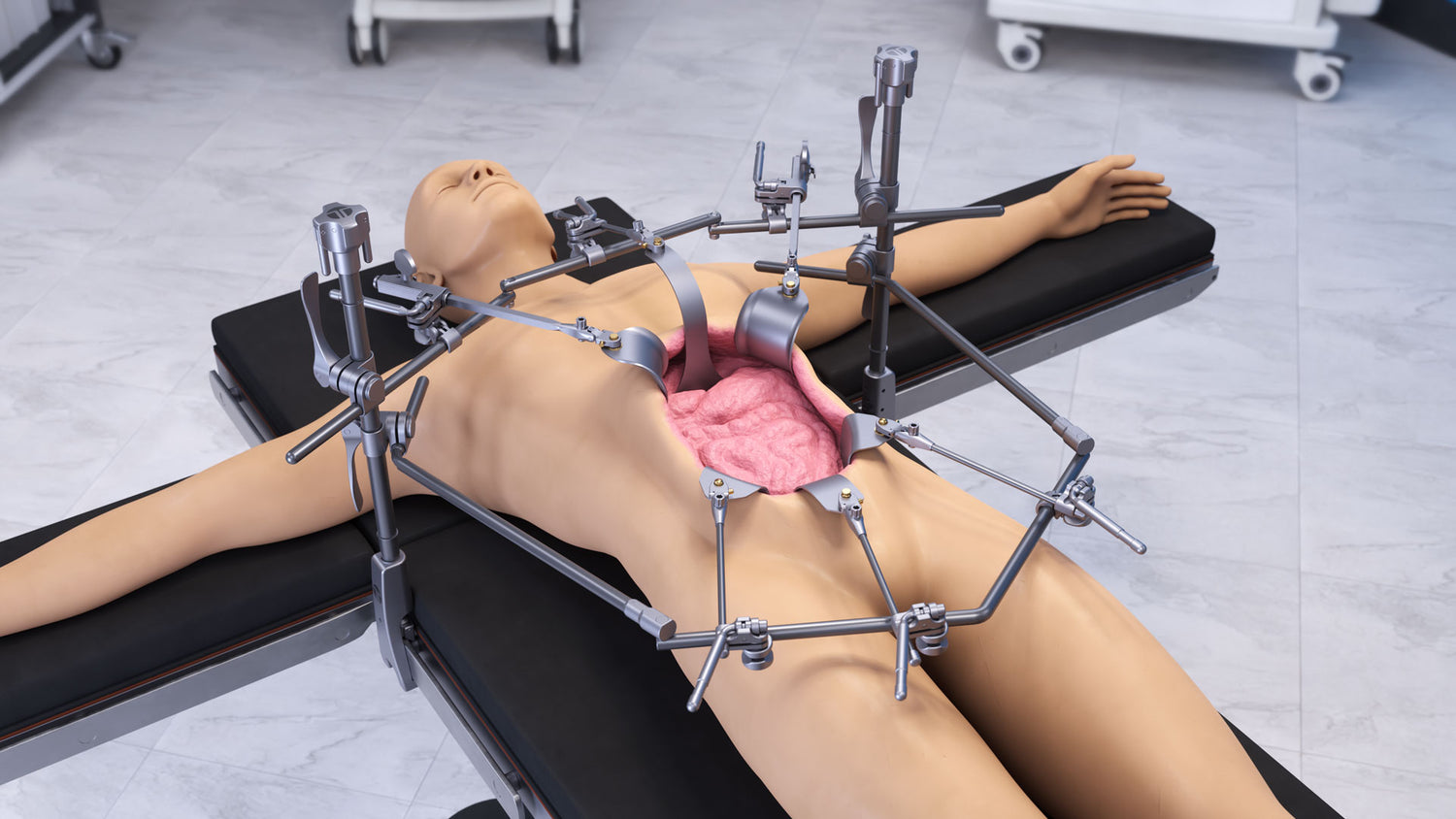
What Is Open Urologic Oncology Surgery?
Open urologic oncology surgery includes procedures involving malignant disease of the urinary or male reproductive system. Depending on the operation, the surgical field may extend across the abdomen, retroperitoneum, or pelvis.
These procedures can require broad exposure, deep access, asymmetrical costal margin retraction, and adjustments as the surgical team moves through dissection, lymph node access, resection, or reconstruction.
Retraction Requirements for Urologic Oncology Procedures
Urologic oncology retraction may need to support:
- Wide abdominal or pelvic exposure
- Deep access across changing operative anatomy
- Asymmetrical costal margin retraction
- Stable positioning under sustained load
- Independent control of multiple blades
- Working space for dissection and reconstruction
- Adaptability for patient anatomy and body habitus
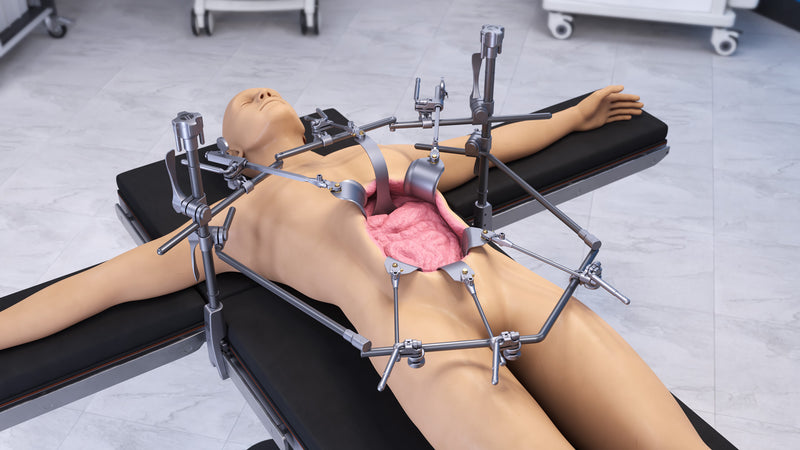
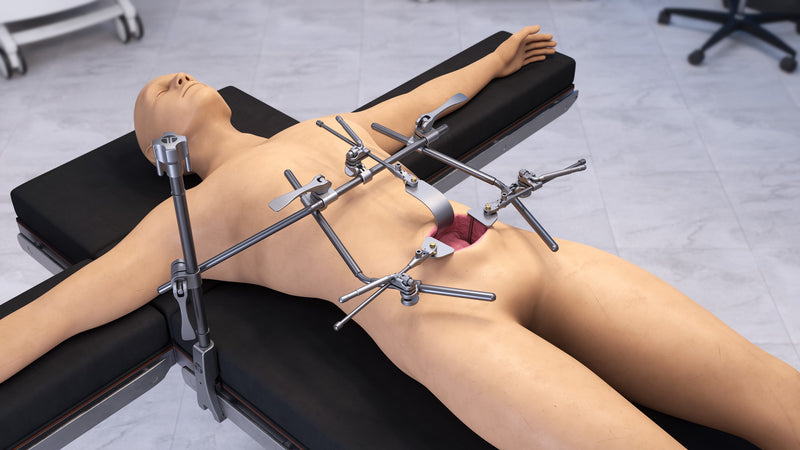
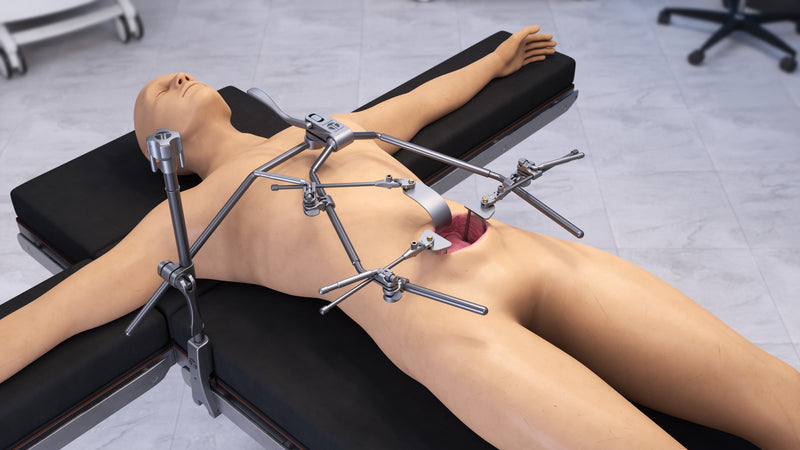
The Urologic Oncology Retractor Set uses a bilateral table-mounted frame to support stable, hands-free retraction across broad operative fields. Its Lower Abdominal Bar, Bilateral Crossbar, handle options, and Urologic Oncology Blade Kit provide multiple points for independent blade positioning.
Thompson S-Lock Technology allows a blade to be used in a locked position or in swivel mode so it can align with the patient’s anatomy and the required direction of retraction.
Retropubic Prostatectomy Retractor Sets
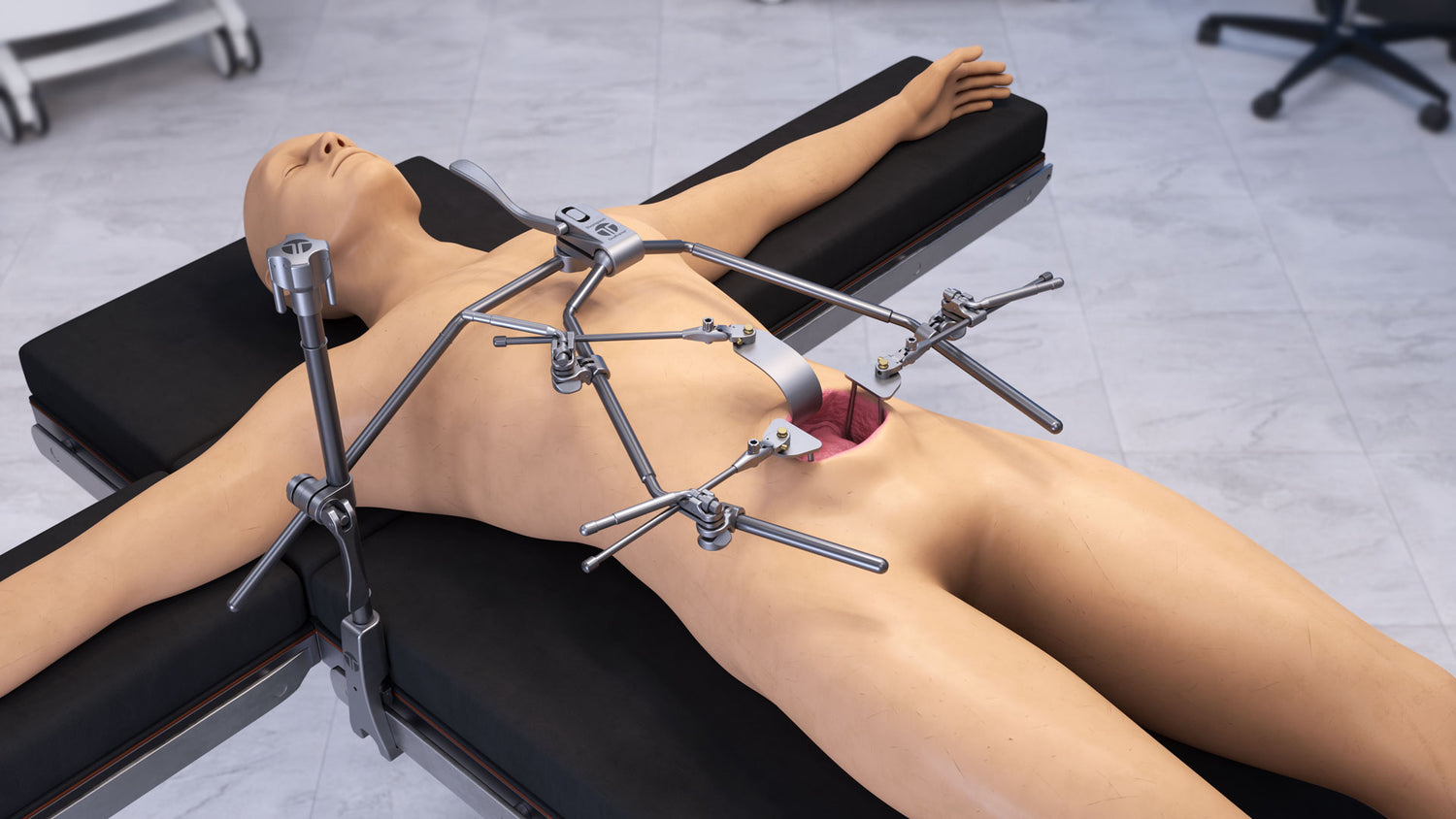
What is a Retropubic Prostatectomy?
Retropubic prostatectomy is an open surgical approach to the prostate through a lower abdominal incision. The approach requires access behind the pubic bone and into the deep pelvis.
Retraction must establish a clear pelvic working corridor while preserving room for visualization and instrumentation. Patient position, body habitus, incision length, and pelvic anatomy can affect the depth and direction of retraction required.
Retraction Requirements for Retropubic Prostatectomy
Effective retraction during retropubic prostatectomy may need to support:
- Deep access behind the pubic bone
- Stable lower abdominal and pelvic exposure
- Independent adjustment of individual blades
- A low-profile frame around the operative field
- Working space for dissection and reconstruction
- Blade selection matched to pelvic depth and anatomy
- Consistent exposure as the procedure progresses
Thompson offers RingTrack, OneFrame, and Quick Frame configurations for retropubic prostatectomy.
Retropubic Prostatectomy RingTrack Retractor Set
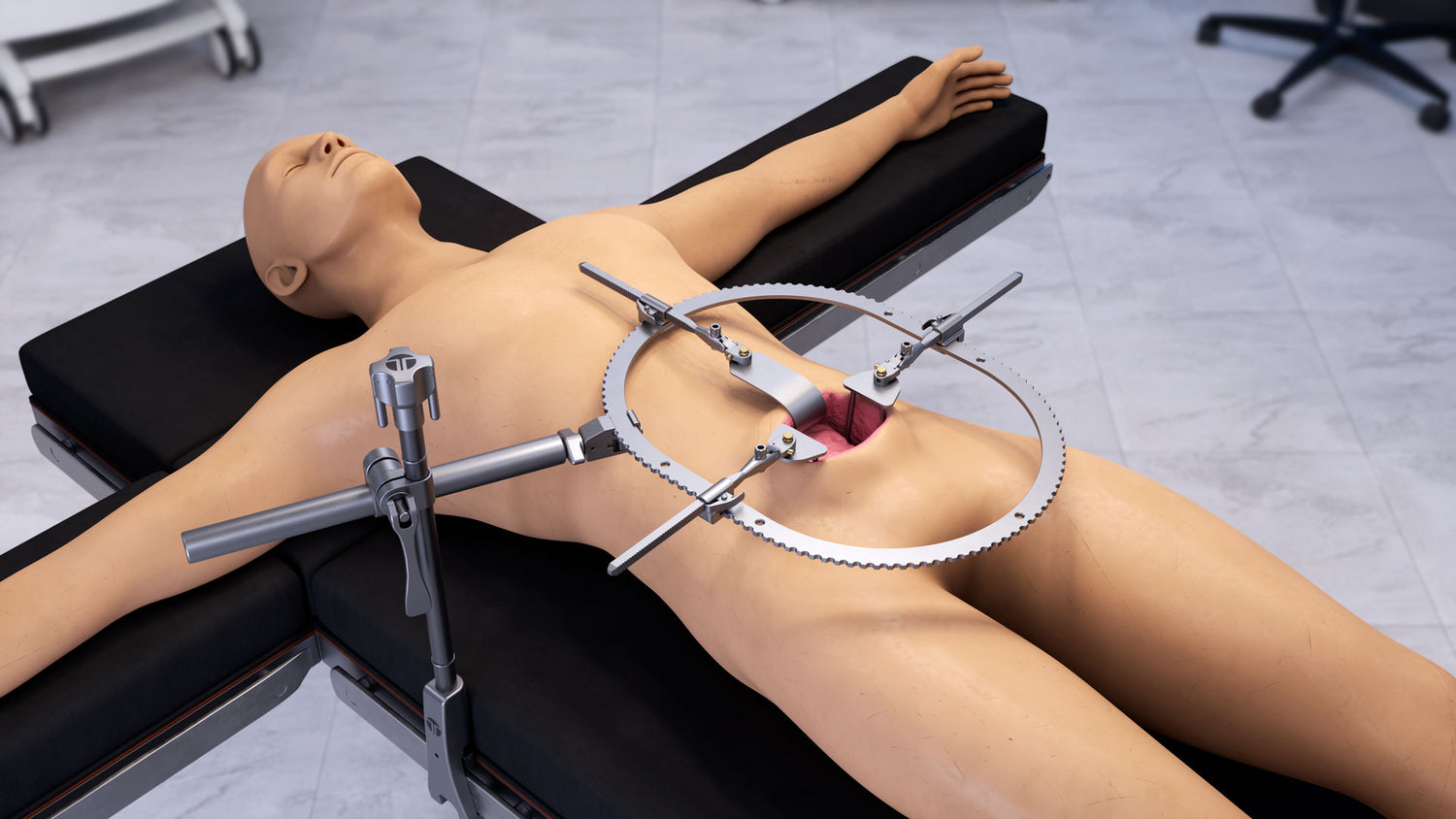
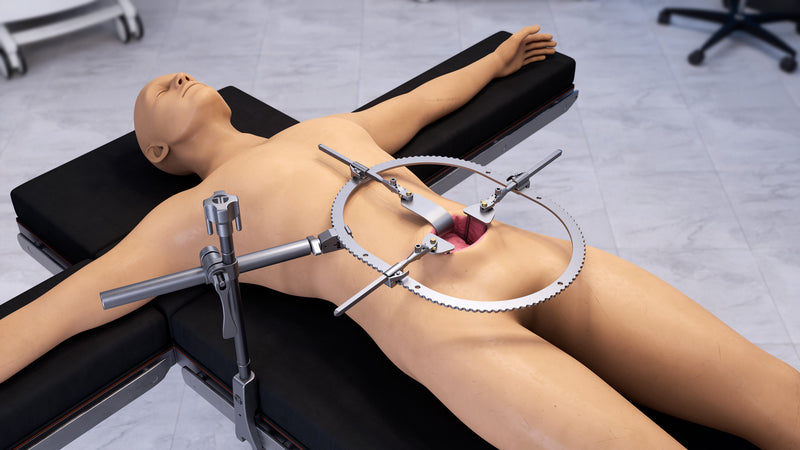
The Retropubic Prostatectomy RingTrack Retractor Set combines the stability of a table-mounted RingTrack frame with urology-specific blades for reliable, hands-free retraction and targeted pelvic exposure. Multiple attachment points allow the surgical team to position each blade around the lower abdominal incision and refine exposure as the procedure progresses.
Low-Profile Quick Angle Handles
The handle position can directly affect the surgeon’s available working space. Traditional Bookwalter-style handles adjust at the ratchet, causing the handles to rise as they are angled and potentially bringing them into the operative workspace.
Thompson RingTrack Quick Angle Handles adjust at the head of the retractor. This keeps the handles low and clear of the operative field while allowing the team to establish the blade angle required for deep pelvic exposure. The result is a more open working area for visualization, instrumentation, and access throughout the procedure.
Retropubic Prostatectomy OneFrame Retractor Set
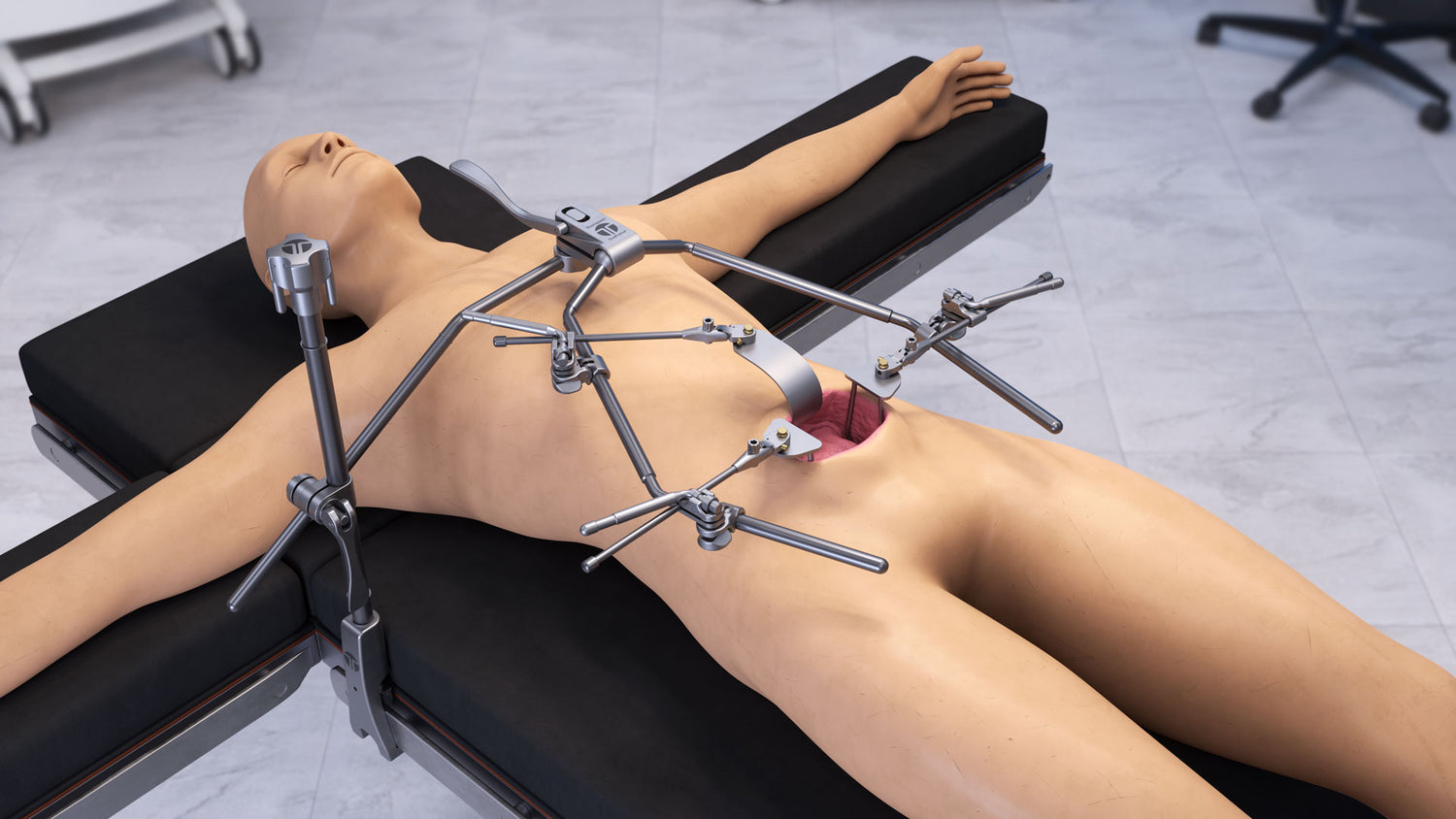
The Retropubic Prostatectomy OneFrame Retractor Set combines a compact, table-mounted OneFrame with specialized urology blades for stable, adjustable retraction and targeted pelvic exposure.
Its focused configuration allows the surgical team to position blades around the lower abdominal incision while preserving working space above the field. The one-piece frame allows for extremely quick setup. Independent blade control allows refinement of exposure as the procedure progresses without disrupting the full retraction setup.
Retropubic Prostatectomy Quick Frame Retractor Set
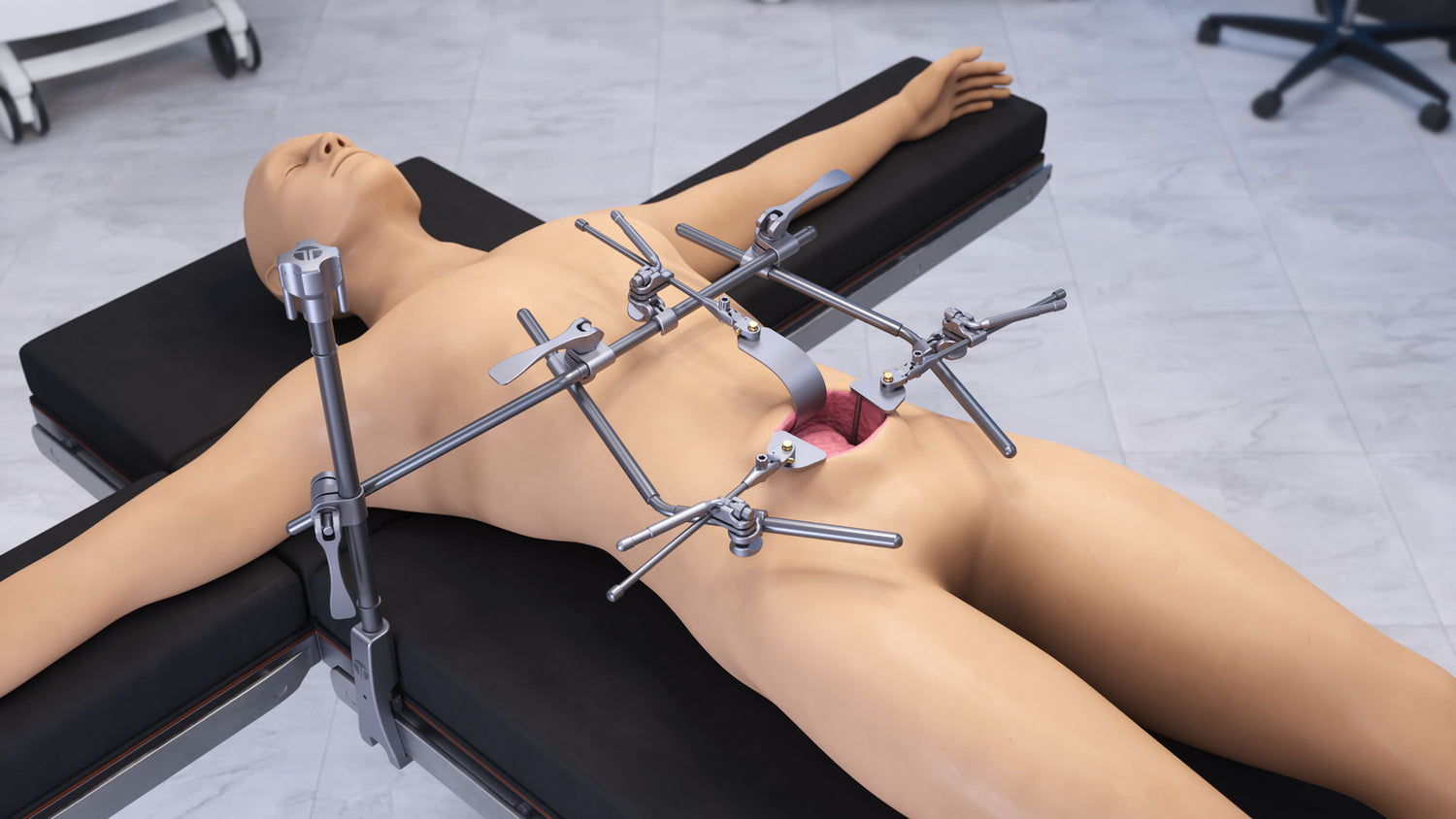
The Retropubic Prostatectomy Quick Frame Retractor Set features a table-mounted crossbar and angled-arm configuration with Cam II Quick Angle Handles and a Urology Blade Kit.
The frame provides several points for independent blade placement while keeping the central operative field accessible. This configuration supports stable, hands-free retraction within a confined pelvic working area.
Perineal Prostatectomy Retractor Sets
What Is Perineal Prostatectomy?
Perineal prostatectomy is an open approach in which the prostate is accessed through an incision between the scrotum and anus. The approach provides direct access to the prostate through a relatively small perineal operative field.
The limited incision and patient positioning make frame profile, blade placement, and access around the field important parts of the retraction strategy.
Retraction Requirements for Perineal Prostatectomy
Effective retraction during perineal prostatectomy may need to support:
- Controlled exposure through a limited perineal incision
- Stable retraction within a confined operative field
- Independent blade placement around the wound
- A low-profile frame that preserves instrument access
- Adjustment to the contour and depth of the incision
- Consistent exposure during dissection and reconstruction
- Compatibility with the patient’s operative position
Thompson offers RingTrack, OneFrame, and Quick Frame configurations for perineal prostatectomy.
Perineal Prostatectomy RingTrack Retractor Set
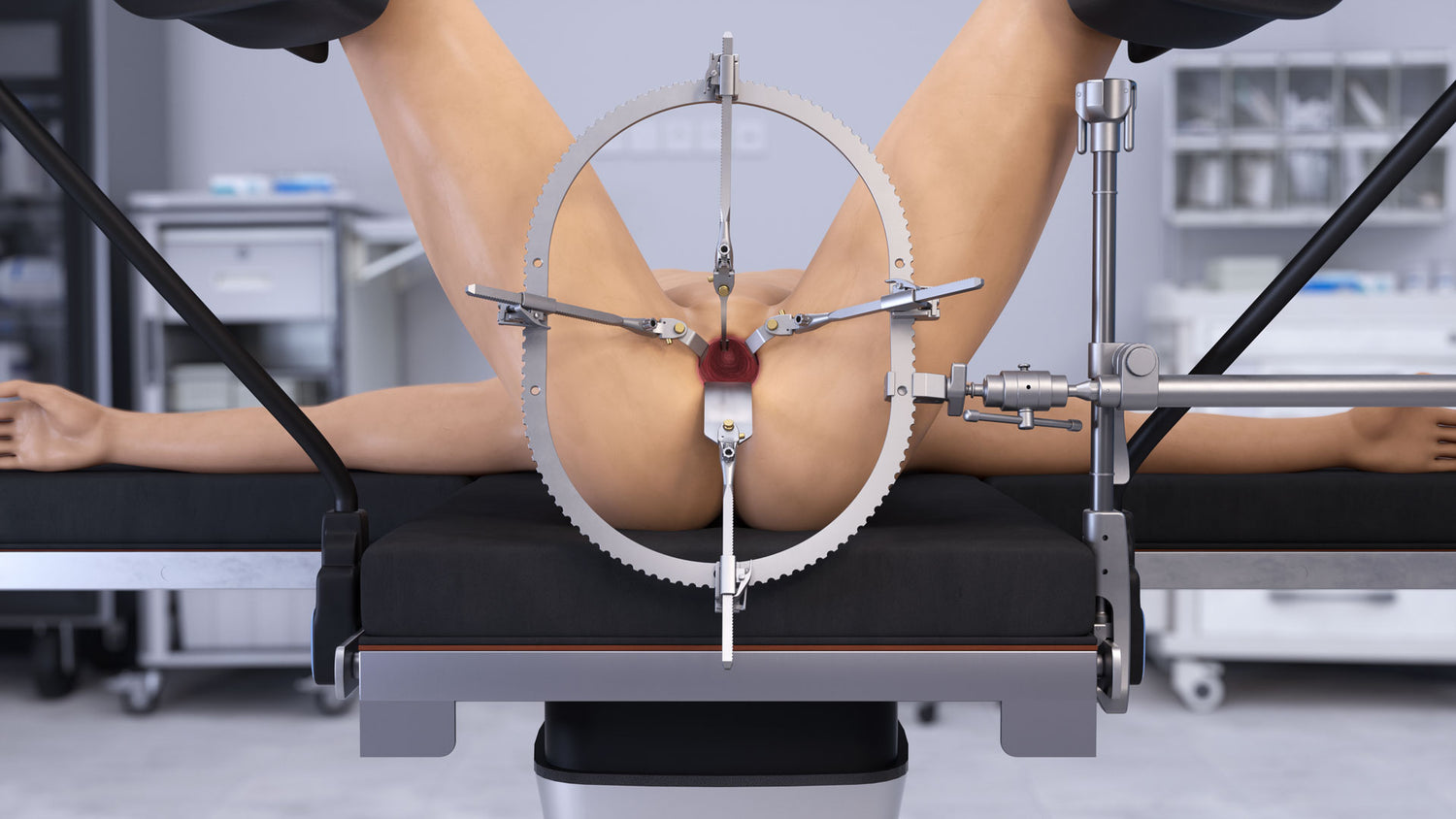
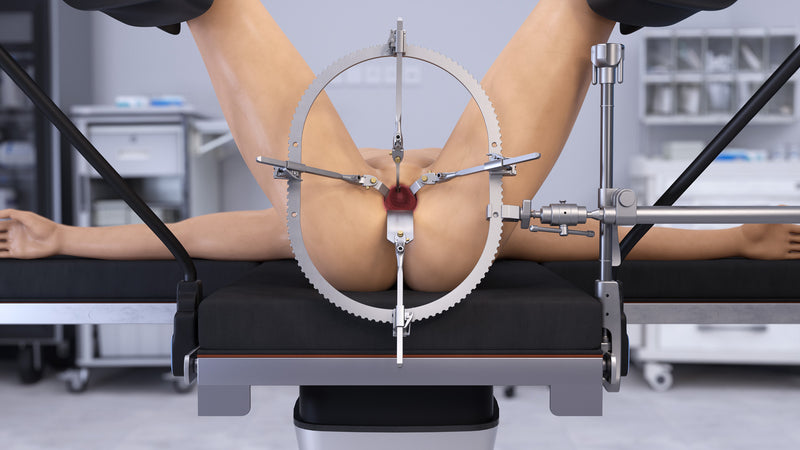
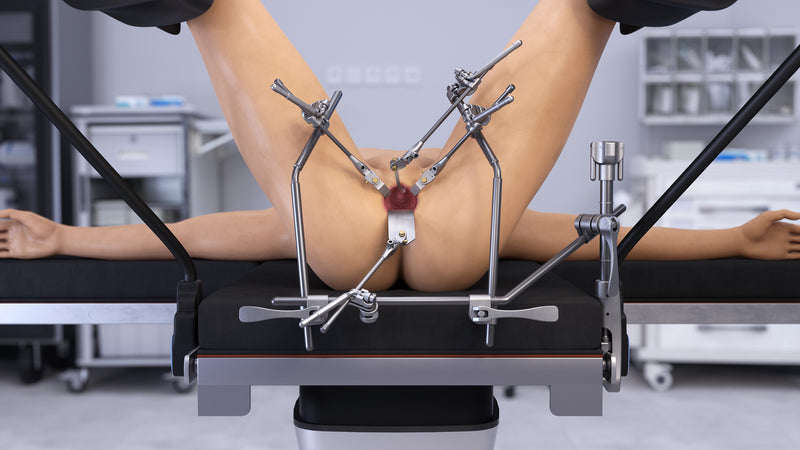
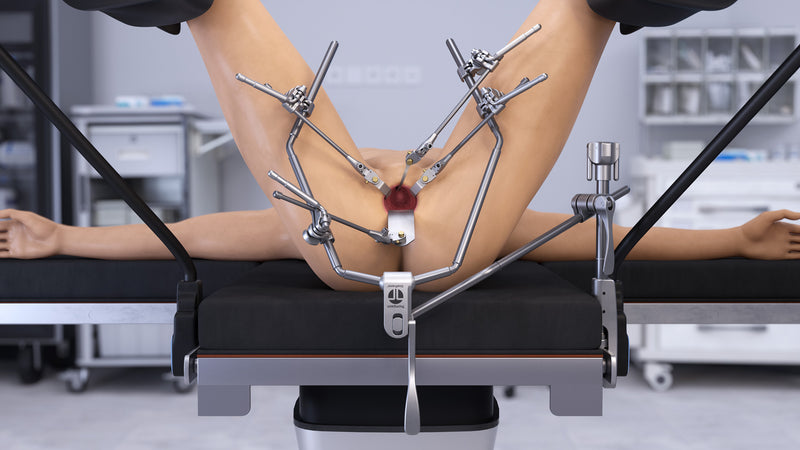
The Perineal Prostatectomy RingTrack Retractor Set uses a table-mounted oval ring with multiple attachment points for blade placement around the perineal incision.
Quick Angle Handles and the Urology Blade Kit allow the surgical team to establish controlled exposure while keeping the frame and handles organized around the limited operative field.
Perineal Prostatectomy OneFrame Retractor Set
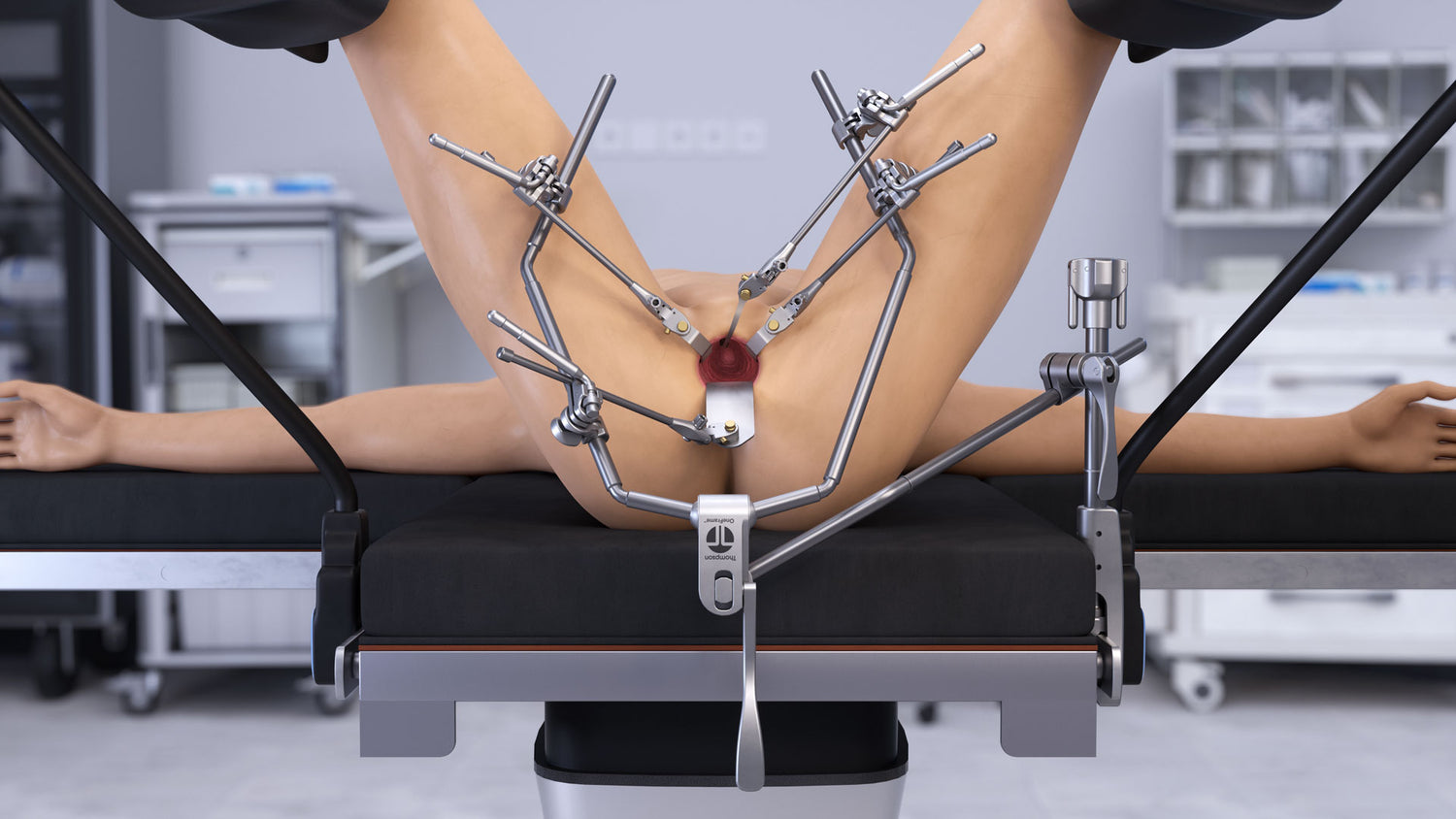
The Perineal Prostatectomy OneFrame Retractor Set provides a compact table-mounted configuration for focused perineal exposure.
The OneFrame and Urology Blade Kit support independently positioned retraction around the incision. Its compact geometry helps preserve working space while allowing the team to refine blade position as exposure needs change. The one-piece frame allows for extremely quick setup.
Perineal Prostatectomy Quick Frame Retractor Set
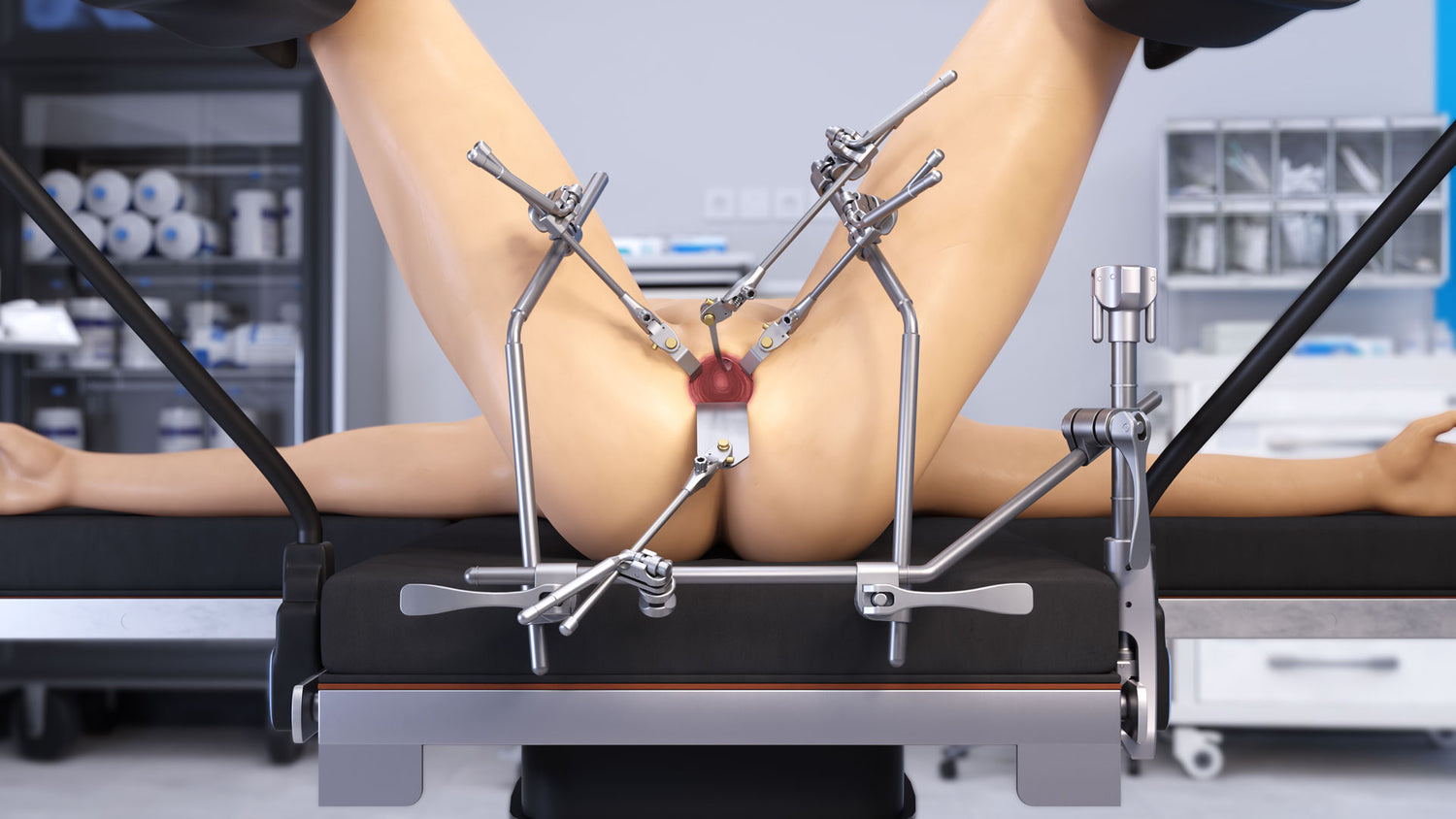
The Perineal Prostatectomy Quick Frame Retractor Set uses a table-mounted crossbar configuration with independently positioned handles and a Urology Blade Kit.
This arrangement supports stable, hands-free retraction within a confined perineal field while preserving access for visualization and instrumentation.
Comparing Urology Retractor Frame Configurations
Configuration
Urologic Oncology
RingTrack
OneFrame
Quick Frame
Frame Characteristics
Bilateral frame with lower abdominal and crossbar components
Oval or ring-based frame with multiple attachment points
Compact, focused table-mounted frame
Crossbar and angled arm configuration
Exposure Application
Broad abdominal or pelvic exposure, including asymmetrical costal margin retraction
Flexible blade organization around pelvic or perineal incisions
Targeted exposure where working space and frame profile are priorities
Independent blade positioning around confined pelvic or perineal fields
The frame is one part of the configuration. Blade length, contour, handle position, patient anatomy, and operative approach also influence how the retractor set performs within the surgical workflow. Thompson’s S-Lock blade technology allows convenient switching between a locked position and a swivel mode that aligns with the patient’s anatomy.
Considerations for Urologic Retraction
Optimizing Retraction for Urology Surgery
Effective retraction begins with the operative approach and the anatomy that must be exposed. The frame needs to be positioned to support the intended direction of retraction without limiting instrument movement or access to the incision.
Important setup factors include:
- Securing the table-mounted frame before applying retraction
- Positioning the frame around the planned incision and operative field
- Selecting blades based on incision size, anatomy, and exposure depth
- Applying retraction incrementally
- Keeping handles and frame components clear of primary working paths
- Adjusting individual blades as the operative field changes
- Confirming that the setup remains stable after table-position changes
Training and setup consistency are particularly important when multiple frame configurations are available. A repeatable process helps the OR team select, assemble, and position the appropriate components for each procedure.
Choosing the Right Retractor Set for Urology Surgery
Retractor selection should begin with the surgical approach and exposure requirements. A complex oncology procedure with a broad operative field may require a different frame than a focused prostatectomy performed through a lower abdominal or perineal incision.
Surgeons and OR teams can evaluate:
- The procedure and operative approach
- Incision location and expected field width
- Required exposure depth
- Patient anatomy and body habitus
- The number and direction of retraction points
- Frame profile around the working area
- Blade lengths and contours
- Staff familiarity with setup and adjustment
- Tray organization and reprocessing requirements
For nephrectomy and other open renal procedures, surgical teams can also review table-mounted retractor sets for kidney procedures.
Why Table-Mounted Retraction Matters in Open Urology
Table-mounted retractor sets provide a stable foundation for hands-free exposure. Independent blade positioning allows the surgical team to control individual areas of the field and adjust one retraction point without rebuilding the full setup.
For deep pelvic, perineal, and complex oncology procedures, this configuration supports:
- Stable exposure during extended procedures
- Independent control of blade position
- Multi-planar retraction
- Reduced dependence on continuous manual holding
- A configurable setup for different operative approaches
- Repeatable use by trained OR teams
The appropriate configuration depends on the procedure, patient anatomy, surgeon preference, and facility workflow.
Clinical Evaluation and Quotes
A clinical evaluation allows surgeons and OR teams to assess a urology retractor set under representative conditions before making a long-term decision.
Thompson offers a 30-day clinical evaluation for U.S. customers. The evaluation includes OR and SPD training, case support, and an opportunity to assess frame positioning, blade selection, working space, setup repeatability, and reprocessing workflow.
During the evaluation, the team can determine which frame and blade configuration best supports its open urologic oncology, retropubic prostatectomy, or perineal prostatectomy procedures.
Available for U.S. customers only.
Select the procedure that best fits your clinical needs.
Thompson Retractor Instruments engineers table-mounted retractor sets designed to provide stable, hands-free retraction in complex open procedures.
We support surgical teams with modular configurations, training, and clinical evaluations.
Contact us today to learn more about our table-mounted retractor sets for liver procedures.