



Liver Procedures
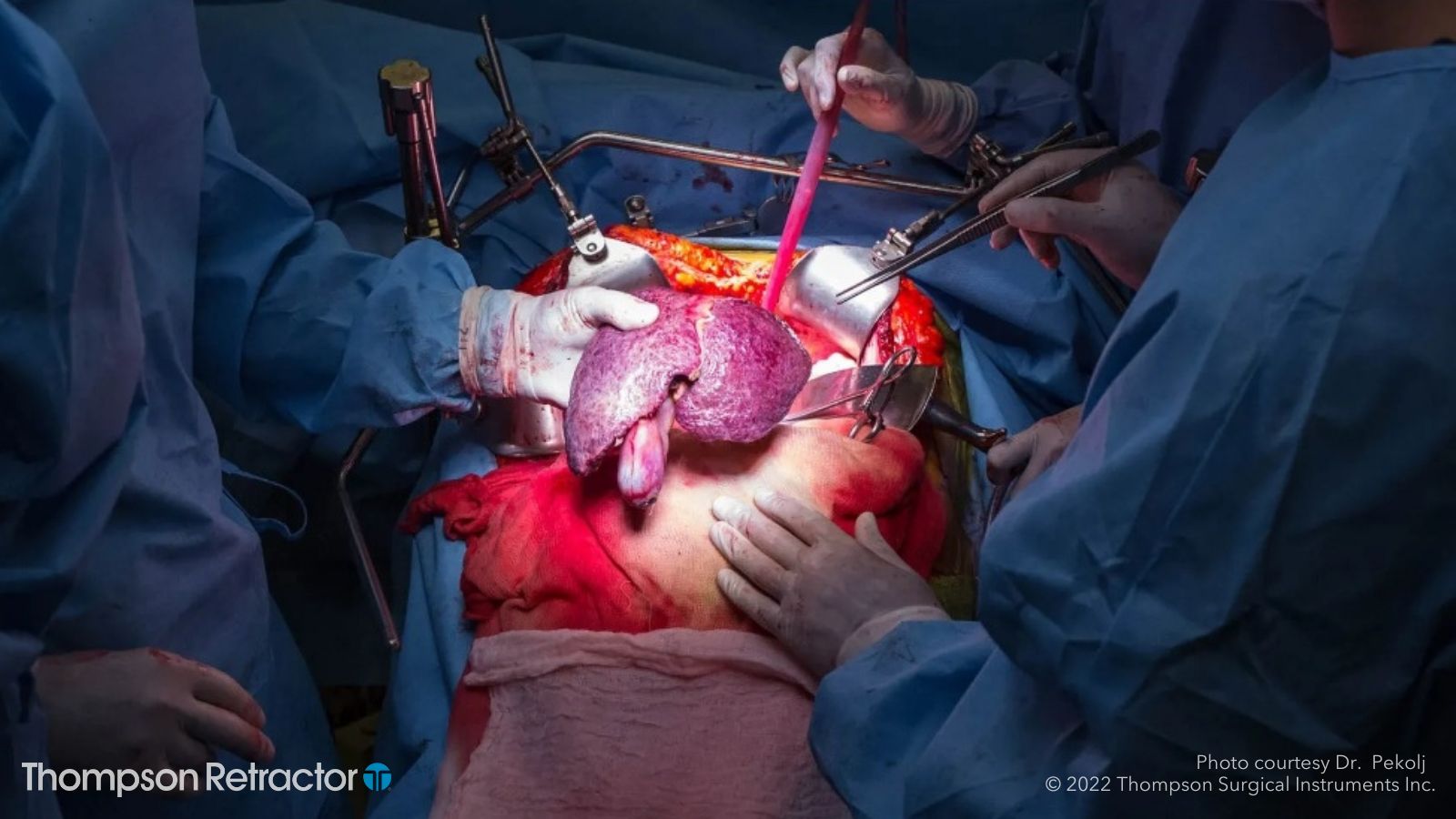
Table-Mounted Retractor Sets for Liver Procedures
Table-mounted retractor sets for liver procedures are surgical instruments that hold tissue and organs out of the way, giving surgeons access to deep abdominal anatomy during complex open liver procedures. Table-mounted retractor sets provide hands-free retraction, helping the surgical team maintain stable exposure without relying on manual assistance or repeated repositioning.
Because they attach directly to the operating room table, these retractor sets allow controlled, multi-directional retraction during longer procedures, where visibility and access must remain consistent.
Why Liver Procedures Require Stable, Multi-Planed Retraction
Open liver procedures are some of the most demanding when it comes to surgical exposure. Surgeons often work deep within the abdomen, across multiple quadrants, and for extended periods. All of this puts steady pressure on the retraction approach.
Maintaining exposure takes more than careful setup at the start. Retraction has to remain stable as tissue shifts and the procedure progresses. When that stability drops, teams end up adjusting retractors again and again, which breaks focus and slows the case.
Common challenges in liver surgery include:
- Maintaining retraction in deep operative fields
- Limiting the need for repeated adjustments during long procedures
- Managing soft tissue under sustained tension
- Preserving access across multiple surgical planes
Consistent exposure, efficient workflow, and stability under load are central to effective retraction in hepatobiliary, transplant, and oncology procedures.

What are Table-Mounted Retractor Sets for Liver Procedures?
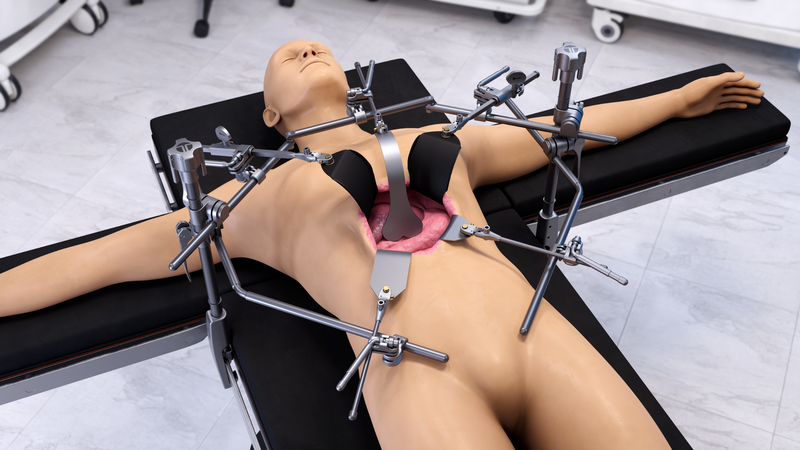
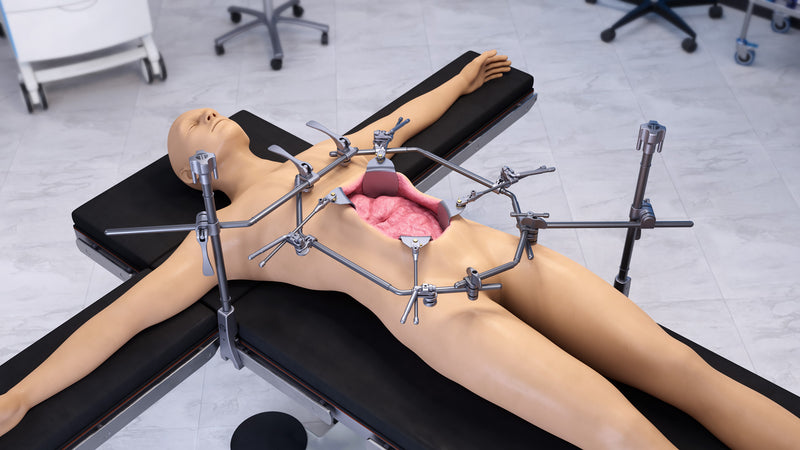
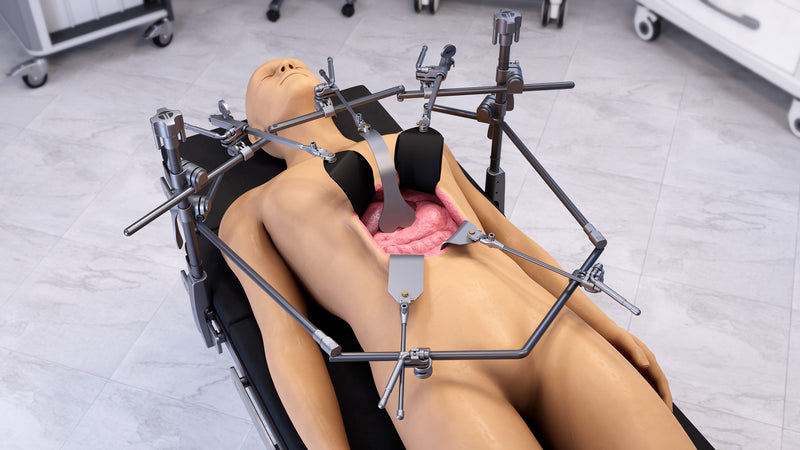
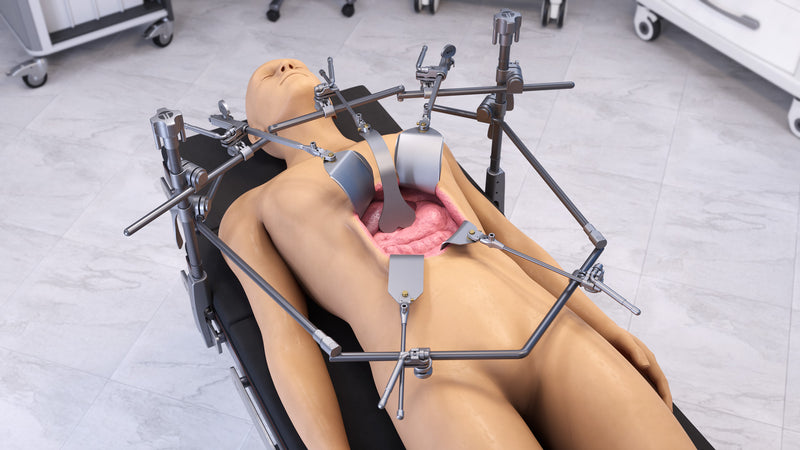
A table-mounted retractor set attaches directly to the operating room table rail, providing stable, hands-free retraction throughout the procedure. This setup allows surgical teams to maintain consistent exposure without relying on manual assistance.
Each retractor set includes:
- A frame kit that anchors to the table
- A blade kit used to hold back tissue
Compared to handheld and self-retaining retractors, a table-mounted retractor for liver surgery provides:
- Stable positioning without drift
- Consistent exposure over time
- Surgeon-controlled retraction across the operative field
This approach is especially important in complex liver procedures, where exposure must remain stable without repeated adjustment.
Types of Liver Surgery Retractor Sets
Not all liver procedures require the same retraction approach, but they share common demands. Regardless of the specific operation, effective surgical retractor sets for liver procedures must provide stability, modular positioning, and adaptability as the procedure evolves.
Liver surgery encompasses a range of procedures, each with unique exposure requirements. These include:
- HIPEC (Hyperthermic Intraperitoneal Chemotherapy) procedures
- HPB (Hepatobiliary and Pancreatic) surgery
- Whipple procedures (pancreaticoduodenectomy)
- Liver transplant and oncology procedures
Each of these procedures requires a different retraction strategy based on anatomy, access points, and duration. However, all benefit from a retractor that maintains stable, hands-free retraction while allowing precise adjustments throughout the case.
HIPEC Retractor Set
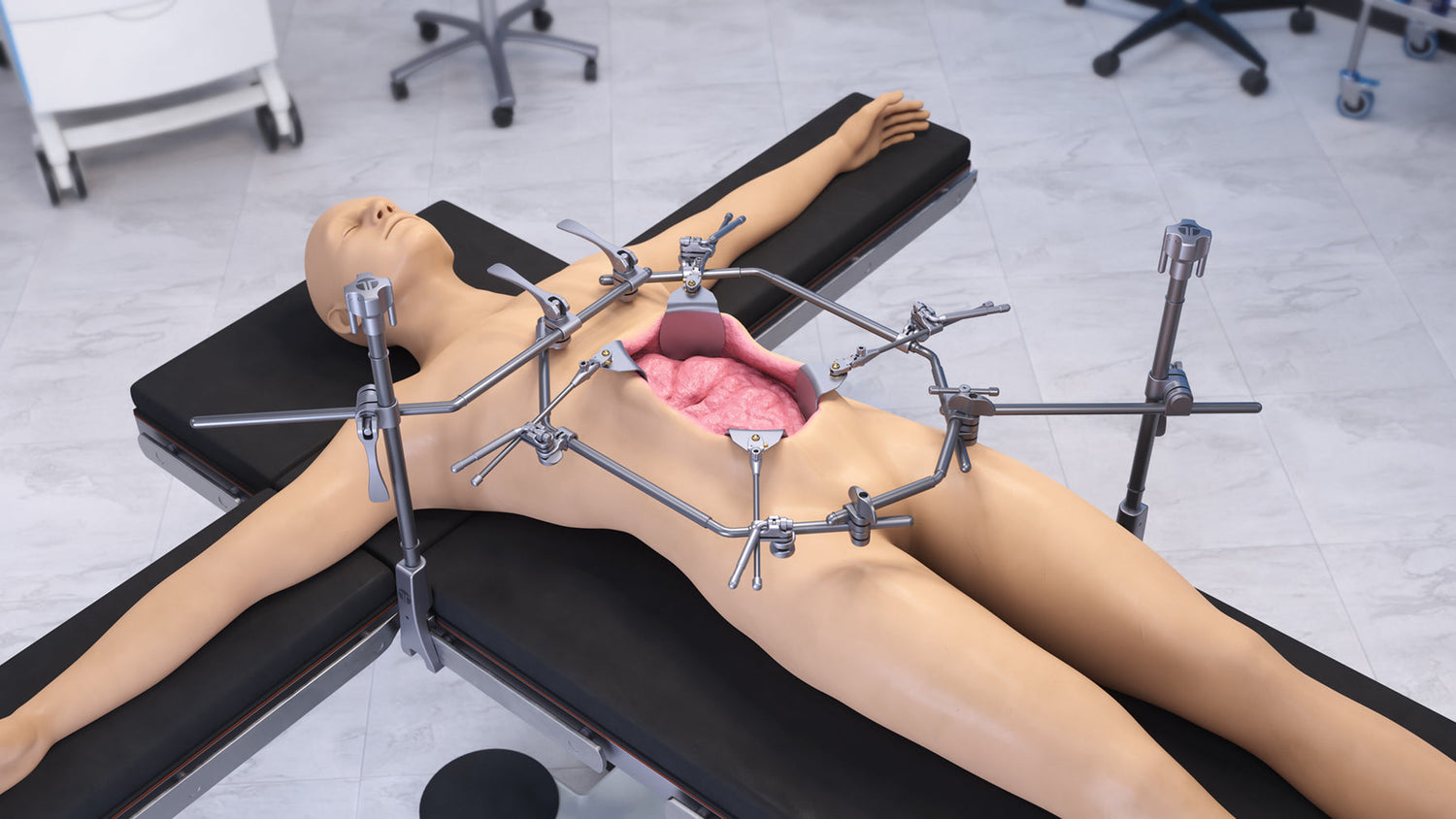
What Is HIPEC Surgery?
HIPEC (Hyperthermic Intraperitoneal Chemotherapy) is a procedure used to treat advanced abdominal cancers by combining tumor removal with the circulation of heated chemotherapy throughout the abdominal cavity. These procedures require full access to multiple regions of the abdomen over an extended period.
Retraction Requirements for HIPEC Procedures
HIPEC procedures present unique exposure challenges due to their scope and duration. Surgical teams must maintain access across the entire abdominal cavity while managing tissue over long operative times.
Retraction strategy in HIPEC cases must support:
- Wide, multi-quadrant exposure
- Stable positioning throughout extended procedures
- Consistent access without repeated adjustment
The HIPEC Retractor Set is configured to provide full abdominal exposure via a table-mounted frame that enables hands-free retraction across multiple access points. This allows the surgical team to maintain workflow continuity without interruption during critical phases of the procedure.
HPB Retractor Set
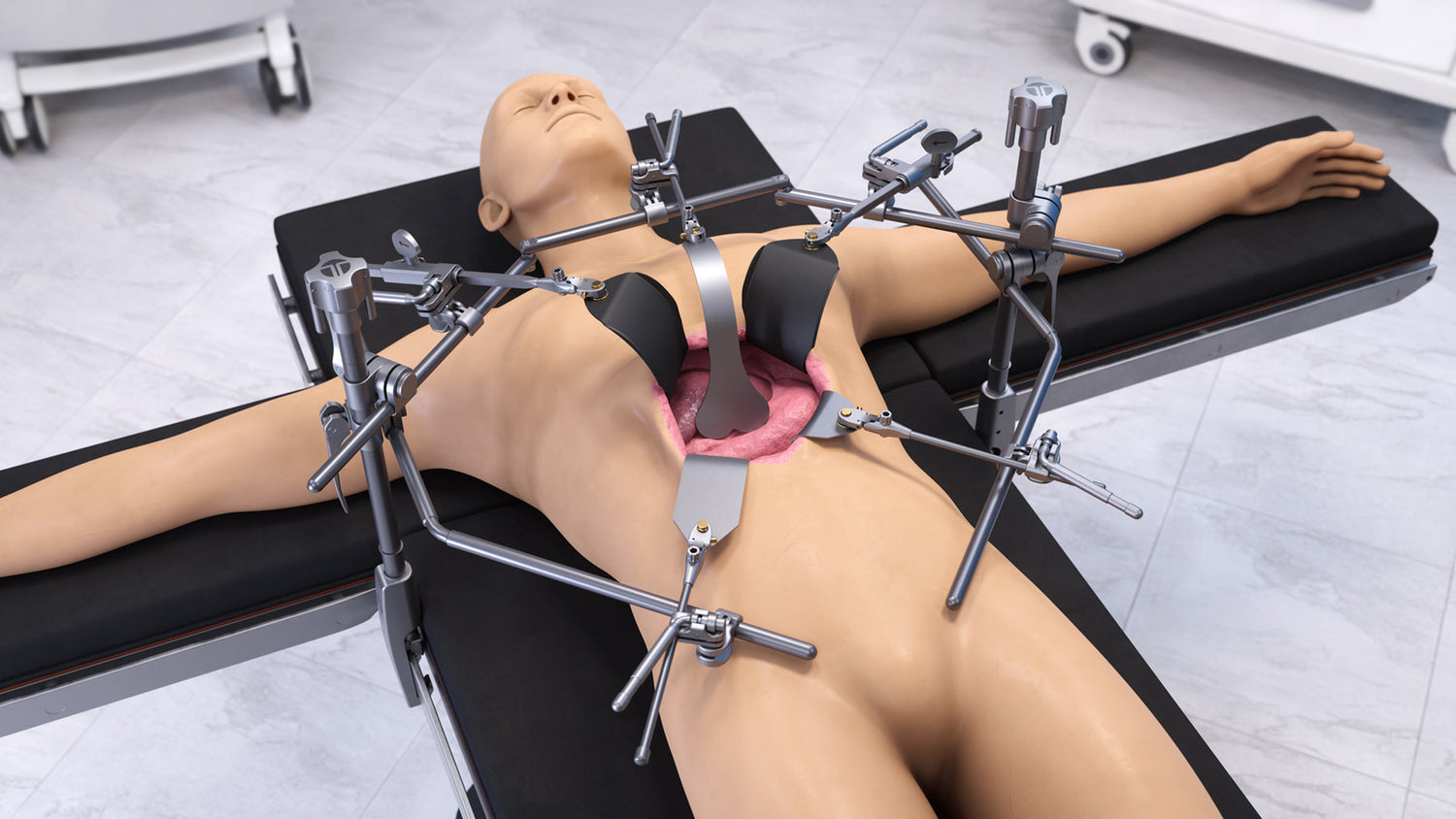
What Is HPB Surgery?
HPB stands for hepatobiliary and pancreatic surgery, which includes procedures involving the liver, pancreas, and bile ducts. These procedures often involve complex anatomy and require precise access to vascular and soft-tissue structures.
Retraction Requirements for HPB Procedures
HPB procedures demand controlled, targeted retraction within deep operative fields. Exposure must remain stable while allowing for precise positioning across multiple anatomical structures.
Effective retraction in HPB surgery must support:
- Deep access to hepatobiliary anatomy
- Controlled, multi-directional retraction
- Stability during technically demanding dissection
The HPB Retractor Set is designed to provide surgeon-controlled retraction through a modular, table-mounted frame. Independent blade positioning allows surgical teams to adjust exposure without disrupting other areas of the operative field, supporting consistency throughout the procedure.
Whipple Retractor Set
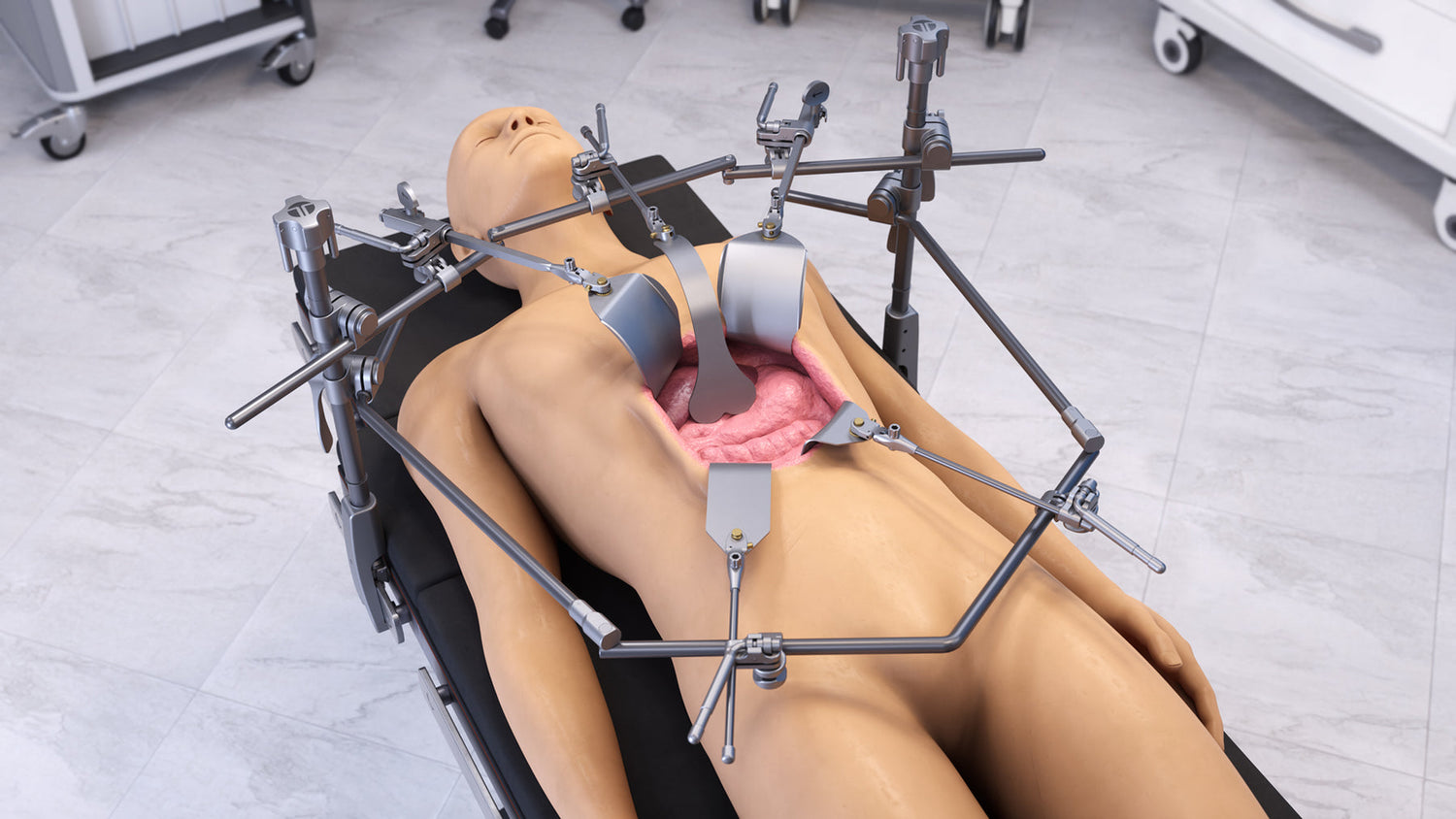
What Is the Whipple Procedure?
The Whipple procedure, or pancreaticoduodenectomy, is one of the most complex abdominal surgeries. It involves the removal and reconstruction of multiple structures, including the pancreas, duodenum, and bile duct.
Retraction Requirements for the Whipple Procedure
The Whipple procedure requires sustained exposure across multiple phases of the operation. Access must be maintained deep within the abdominal cavity while supporting precise surgical technique.
Retraction strategy must account for:
- Long procedure duration
- Multi-step surgical workflow
- Stable exposure without repeated repositioning
The Whipple Retractor Set supports these requirements by providing hands-free, table-mounted retraction that maintains consistent exposure throughout the procedure. The ability to position blades independently allows surgical teams to adapt retraction as the procedure progresses without interrupting workflow.
Liver Transplant / Oncology Retractor Set
What are Liver Transplant and Oncology Procedures?
Liver transplant and oncology procedures include operations such as liver transplantation and tumor resection. These are complex, long-duration cases that require consistent access across large areas of the abdomen.
Maintaining exposure throughout these procedures is critical, especially as the surgical field and access points change over time.
Retraction Requirements for Liver Transplant and Oncology Procedures
These cases require a retraction strategy that can support:
- Wide, multi-quadrant exposure
- Stable positioning under sustained load
- Consistent access without repeated adjustment
Because these procedures evolve throughout the operation, retraction must remain stable while allowing for controlled adjustments when needed.
How the Liver Transplant / Oncology Retractor Set Supports These Procedures
The Liver Transplant / Oncology Retractor Set is designed to support complex abdominal exposure using a bilateral, table-mounted frame. This allows surgical teams to establish stable retraction across the operative field while maintaining flexibility in positioning.
Each blade can be adjusted independently, so exposure can be refined during the procedure without disrupting other areas. This is especially useful in liver cases where access requirements shift as the operation progresses.
The table-mounted design provides consistent, hands-free retraction that holds throughout long procedures, helping maintain workflow without repeated repositioning.
Liver transplant and oncology procedures require stable, adaptable retraction across large and changing operative fields. The Liver Transplant / Oncology Retractor Set supports this with independent blade control and table-mounted stability, maintaining consistent exposure throughout the procedure.
Optimizing Retraction for Liver Surgery
Choosing the Right Retractor Set for Liver Surgery
Selecting the appropriate retractor set for liver surgery depends on the specific procedure and the type of exposure required. While all liver procedures benefit from stable, hands-free retraction, the configuration and setup can vary based on surgical approach and anatomy.
Key considerations include:
- Procedure type
- Depth and location of the operative field
- Number of access points required
- Expected procedure duration
- Surgeon preference and workflow
Because liver procedures often involve changing access points throughout the case, retraction must be both stable and adaptable without disrupting exposure in other areas.
Why Table-Mounted Retraction Matters
In complex liver surgery, exposure must hold steady from start to finish. As the case progresses, tissue shifts and access needs change, which can make manual or self-retaining retraction less reliable. Table-mounted retractor sets take a different approach by attaching directly to the operating table. This setup keeps retraction stable throughout the procedure.
This added stability helps:
- Maintain visibility in deep operative fields
- Reduce reliance on manual retraction
- Support a more predictable workflow
- Limit interruptions during critical stages of the procedure
For hepatobiliary, pancreatic, and transplant procedures, consistency like this helps teams stay in control during long, complex operations.
Clinical Evaluation & Quotes
Experience the Thompson Retractor with a complimentary 30-day Clinical Evaluation.
Select the procedure that best fits your needs, and our team will help coordinate the appropriate
table-mounted retractor set for your facility. We will provide training for your OR and SPD teams, support your evaluation, and help ensure your team has what it needs throughout the trial period.
Available for U.S. customers only.
Select the procedure that best fits your clinical needs.
Thompson Retractor Instruments engineers table-mounted retractor sets designed to provide stable, hands-free retraction in complex open procedures.
We support surgical teams with modular configurations, training, and clinical evaluations.
Contact us today to learn more about our table-mounted retractor sets for liver procedures.