


Oncology procedures place sustained demands on the operating room. These cases are longer, more complex, and leave little room for variation. When setup, breakdown, or reprocessing steps are unclear, the impact is evident quickly in delays, inefficiencies, and increased risk.
OR readiness depends on more than having the right equipment available. The team needs a clear understanding of how that equipment is prepared, assembled, used, and reprocessed before the case begins.
Why Standardization Matters in Oncology Cases
As case complexity increases, consistency across teams and shifts becomes more important. Oncology procedures often involve multiple staff members rotating through roles, each with different levels of experience and familiarity with specific systems.
Without a consistent approach, small differences start to affect performance. Instruments may be arranged differently, systems assembled in slightly different ways, or reprocessing handled inconsistently.
The Association of periOperative Registered Nurses notes that variation in training and setup can affect workflow and team performance. Inconsistent practices can slow procedures, create gaps in competency, and introduce avoidable risk.
Standardization creates a reliable baseline:
● Setup is predictable
● Workflow is familiar
● Teams spend less time adjusting and more time executing
In longer oncology cases, that consistency helps maintain control in the operating room.
Where to Find IFUs and Reprocessing Documentation
In complex surgical environments, documentation is part of the system. Instructions for use (IFUs), reprocessing guidelines, and device-specific requirements define how equipment should be handled before, during, and after each case. Thompson Surgical Instruments offers easy access to IFUs for all table-mounted retractor sets.
These documents outline:
● Cleaning and sterilization procedures
● Inspection and maintenance requirements
● Proper assembly and use
The Centers for Disease Control and Prevention (CDC), the Food and Drug Administration (FDA), and AORN all emphasize that reprocessing must follow the manufacturer's instructions to protect patient safety and prevent contamination. Deviating from IFUs increases risk, especially with reusable systems. These organizations work with hospitals and staff to ensure safety in reusable medical devices.
Teams need immediate access to manufacturer information. It should not require searching during or after a procedure. Centralized access helps address that. Cleaning, sterilization, and reprocessing documentation should be organized and easy to reference as part of the routine workflow.
Reducing Variability Across Teams and Shifts
Even in well-run ORs, variability often comes down to differences in experience. New staff, rotating teams, and changing assignments all introduce opportunities for inconsistency. Standardized resources help close that gap.
Clear training and accessible reference materials align teams around the same expectations, regardless of who is in the room. Consistent processes for setup, handoffs, and instrument preparation reduce errors and improve efficiency.
In oncology procedures, early inconsistencies tend to carry forward into the case. A consistent approach to setup and reprocessing helps prevent those issues from compounding.
Clear, accessible documentation supports:
● Consistent setup across shifts
● Proper use of equipment
● Reprocessing that follows validated procedures
Over time, this reduces variability and supports a more controlled, predictable operating environment.
Using Training Resources to Reduce Variability
Even with standardized processes, variability often comes down to experience. Different teams, rotating staff, and shift changes can introduce small differences in how equipment is assembled and used.
Training helps close that gap.
Video-based instruction supports more consistent execution of procedural tasks. It reinforces correct setup and reduces reliance on memory. Studies in surgical education have shown that video-based training improves technical skill development and supports more consistent execution across operators. In practice, teams can review setup demonstrations before a case or during preparation, aligning on the same approach regardless of who is in the room.
This is especially useful in oncology procedures, where:
● Setup errors can carry into the case
● Small inconsistencies can affect efficiency over time
● Teams may not work together regularly across shifts
Accessible training content helps reinforce the correct setup without slowing workflow.
OR Readiness Is a System
Preparation for complex oncology cases is often handled as a checklist: confirm equipment, verify instruments, review the plan. That alone is not enough. Readiness depends on whether documentation, training, and setup expectations are aligned and easy to access.
When teams know:
● Where to find device documentation
● How to assemble and use equipment correctly
● How to reprocess systems after the case
The result is a more controlled and predictable operating environment.
This consistency carries through the entire case, from initial exposure to breakdown and reprocessing.
Supporting Consistency Across Oncology Cases
Oncology procedures require repeatability. The more consistent the setup and workflow, the less time teams spend adjusting or correcting during the case.
Standardized documentation and training resources support consistency across:
● Different teams
● Different shifts
● Different levels of experience
Over time, expectations become clear and execution more predictable. In this setting, readiness is part of how the operating room runs in each case.
Supporting Readiness in Oncology Cases
In complex oncology procedures, readiness comes down to consistency. When documentation, training, and setup expectations are clear and easy to access, teams spend less time adjusting and more time executing.
Access to guidance on cleaning, sterilization, and reprocessing supports proper equipment handling before and after each case. Setup demonstrations reinforce consistent assembly and use across teams and shifts. Together, these resources reduce variability and support a more controlled operating environment.
Readiness is not a checklist. It is part of how the OR functions from setup through reprocessing.
Evaluate Support and Resources in Your OR
Thompson Surgical Instruments supports surgical teams with accessible documentation, training resources, and clinical guidance designed to improve consistency in complex procedures.
Teams can review IFUs, training videos, and setup resources as part of routine preparation. Retractor configurations can be evaluated through a 30-day clinical trial that includes training and case support, enabling assessment within the team’s own operating environment.
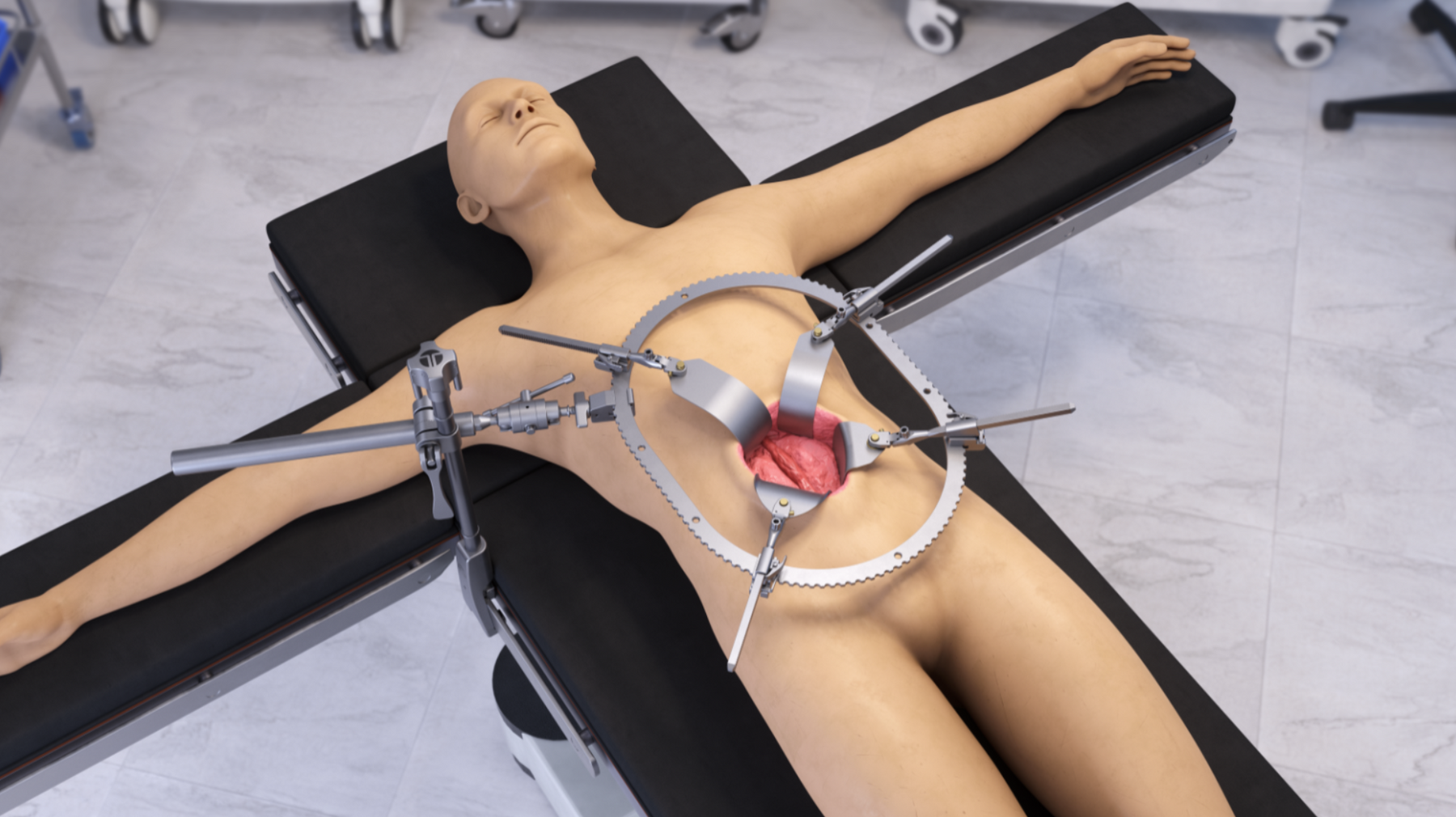
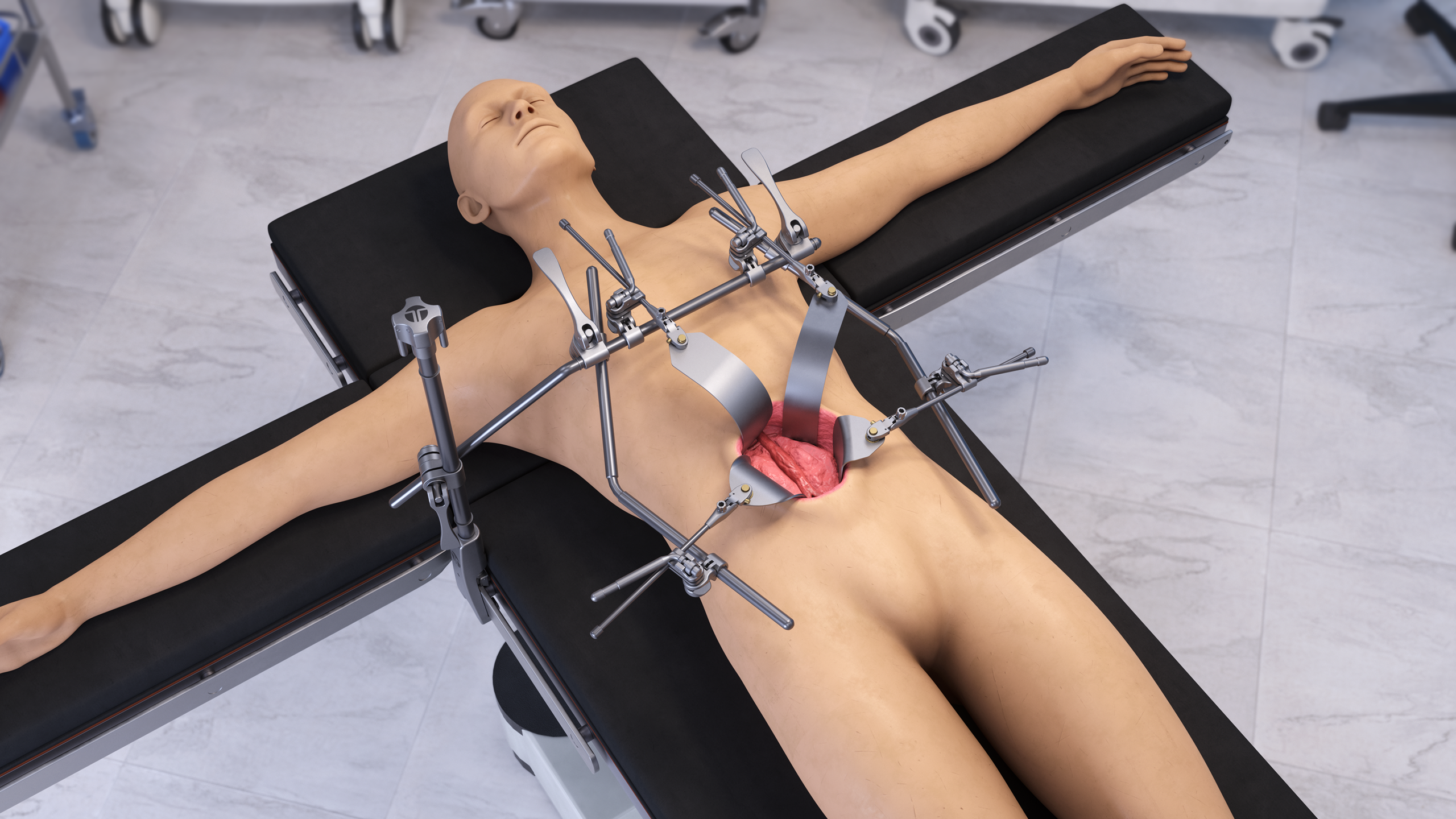
Thompson Surgical Instruments develops table-mounted retractor sets for consistent performance in complex oncology procedures. Documentation, training resources, and clinical support help reduce variability across teams and shifts. Contact us to learn more about surgical retractor systems.
Share:
HIPEC and Open-Abdomen Oncology Procedures: Retraction Demands and Why Stability Matters
How OEM Partnerships Help Advance Surgical Exposure and Medical Device Innovation