



HIPEC and open-abdominal oncology procedures place some of the highest demands on surgical exposure. These cases are long, complex, and fluid-heavy, with conditions that change throughout the operation. Maintaining stable, multi-planed retraction is critical to treatment delivery, team coordination, and safety for both the patient and operating room staff.
Why Stability Matters in HIPEC Procedures
HIPEC combines cytoreductive surgery with intraperitoneal chemotherapy perfusion, moving through phases that place different demands on exposure. The field shifts as tissue is resected, fluid is introduced, and perfusion begins. Retraction must hold steady through all of it.
In the open “coliseum” technique, the abdominal wall is suspended to create a reservoir for heated chemotherapy. That structure needs to remain consistent throughout perfusion.
According to a study published in the National Library of Medicine, open HIPEC techniques rely on a table-mounted retractor to suspend the skin edges, allowing a reservoir to form within the abdomen and pelvis. This study underscores the importance of stable table-mounted retraction and highlights the use of a Thompson HIPEC retractor to maintain this configuration throughout the procedure.
● A stable setup helps maintain even heat and drug distribution (typically 41–43°C), supporting effective treatment across peritoneal surfaces
● Hands-free retraction allows the surgeon to manually agitate the fluid, maintaining uniform temperature and drug concentration
Before perfusion, exposure must also support a thorough cytoreductive phase.
● Reliable, multi-quadrant access is needed to reach areas like the subdiaphragmatic spaces and pelvis
● Consistent multi-planar retraction helps maintain visibility and control during long dissections
Stability also plays a role in safety during the chemotherapy phase.
● A secure frame supports the integrity of a vapor barrier, helping limit staff exposure to heated chemotherapy agents
● A table-mounted retractor reduces unnecessary movement around the operating field, helping manage fluid and lower the risk of spills
In these procedures, table-mounted retraction supports more than exposure. It helps maintain control of the field, supports effective treatment delivery, and contributes to a safer operating environment.
Selecting Retraction for HIPEC and Open-Abdomen Procedures
Not all retraction systems are built for HIPEC. These procedures place sustained demands on the operative field, requiring retractor sets that can hold position under fluid load, extended case times, and continuous changes in exposure.
The difference shows up quickly. Retractors that rely on friction or manual adjustment tend to shift over time. In contrast, a dedicated HIPEC retractor set provides rigid, table-mounted fixation that maintains position throughout the procedure.
That stability allows the team to:
● Maintain exposure without rebuilding the field
● Adjust retraction at the blade level without disrupting the overall setup
● Keep the operative field consistent through each phase of the case
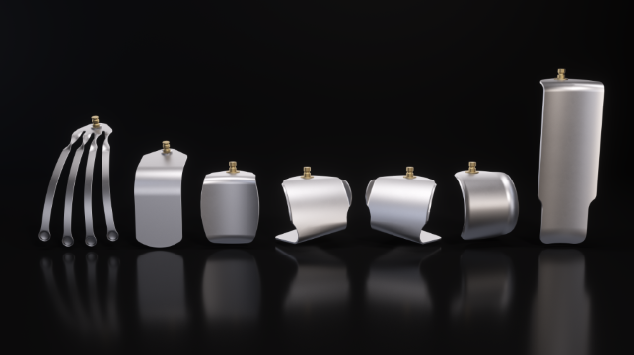
This is where purpose-built systems, such as Thompson’s HIPEC Retractor Set, are designed to perform. The configuration supports suspension of the abdominal wall, stable multi-quadrant exposure, and consistent positioning under load, aligning with the demands of open HIPEC workflows.
Supporting Workflow in HIPEC Procedures
In HIPEC cases, exposure is tied directly to how the procedure functions. Irrigation, perfusion, visualization, and instrument access all depend on a stable field. When retraction holds, coordination improves. Equipment can be positioned without obstruction, fluid management can be improved, and visualization remains consistent across all phases.
These procedures are often grouped with other complex open-abdomen liver procedure cases, reflecting the level of exposure control required. A stable retractor set allows each phase of the procedure to build on the last. Without that stability, the team is forced to compensate, adjusting retraction, re-establishing exposure, and interrupting workflow.
Why Stability Defines Performance in HIPEC Cases
HIPEC procedures make one thing clear: exposure that shifts creates friction. Exposure that holds creates continuity. In long, fluid-intensive oncology cases, stability allows the procedure to progress without interruption. It supports consistent visualization, controlled access, and coordination between surgical steps.
Table-mounted HIPEC retractor sets designed for these conditions provide that foundation. They do not require constant adjustment or compensation. They allow the surgical team to focus on the procedure rather than managing the field.
Evaluate a HIPEC Retraction System in Your OR
Thompson Surgical Instruments designs and manufactures table-mounted retractor sets for complex open procedures, including HIPEC and open-abdomen oncology cases. These systems are engineered to maintain stable, hands-free retraction under sustained load and throughout extended procedures.
Surgical teams can evaluate these configurations through a 30-day clinical trial, with training and case support included. This allows you to assess performance directly in your own operating environment and determine the right configuration for your workflow.
Thompson Surgical Instruments engineers table-mounted retractor sets designed to deliver stable, hands-free retraction in complex open-abdomen oncology procedures. We support surgical teams with configurations built for sustained load, consistent exposure, and procedural control. Contact us today to learn more about a HIPEC retraction system.
Share:
Colorectal Oncology Cases: Repeatable Exposure Strategies Using Table-Mounted Retractor Sets
OR Readiness for Oncology Cases: Where Staff Should Find IFUs, Manuals, and Setup Resources