


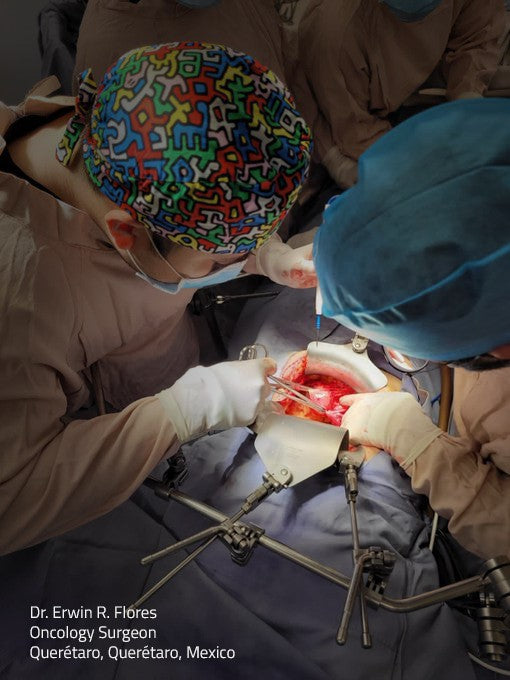
Colorectal oncologic resections place a unique demand on surgical exposure. These cases rarely stay confined to a single area; they move across the abdomen, shift between tissue planes, and evolve as the procedure progresses. What matters isn’t just gaining access at the start but maintaining it without interruption as each phase unfolds.
Why Exposure Becomes a Moving Target in Colorectal Cases
In colorectal surgery, exposure is not static. Surgeons transition between mobilization, resection, and reconstruction, often working in deep operative fields where visibility must be maintained across changing anatomy. As tissue shifts and access points evolve, the original setup can quickly lose effectiveness.
That’s where many procedures slow down, not because the technique is difficult, but because exposure needs to be rebuilt. Repositioning, adjusting, or reinforcing retraction interrupts momentum and adds friction to cases that depend on continuity.
At a practical level, colorectal oncology procedures consistently challenge exposure in three ways:
● The field is wide and often spans multiple regions of the abdomen
● Retraction must hold under sustained tissue load
● Visibility must be maintained as the procedure progresses
When those factors aren’t controlled, retraction becomes something the team manages rather than relies on.
Rethinking Retraction as a Platform
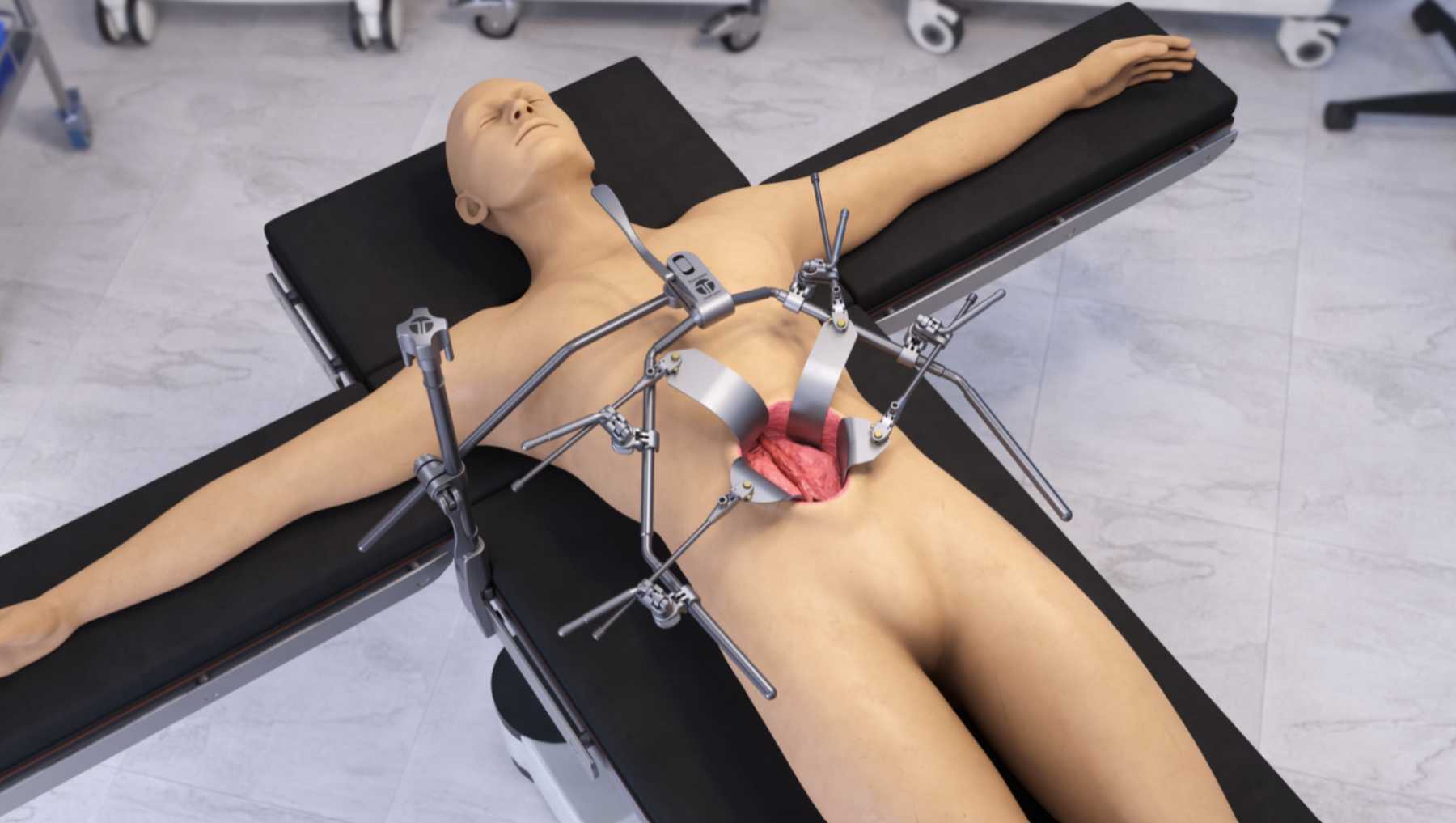
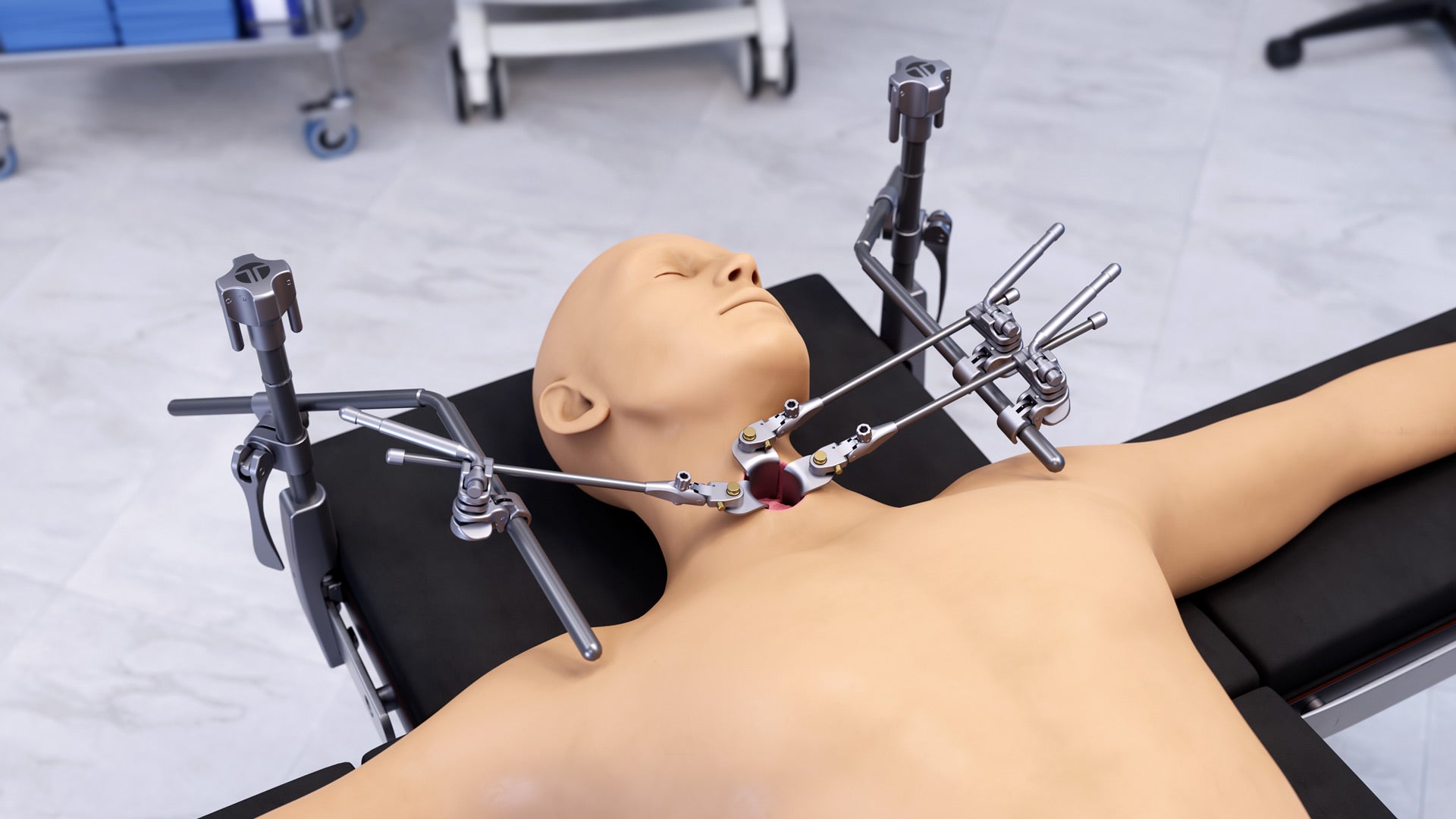
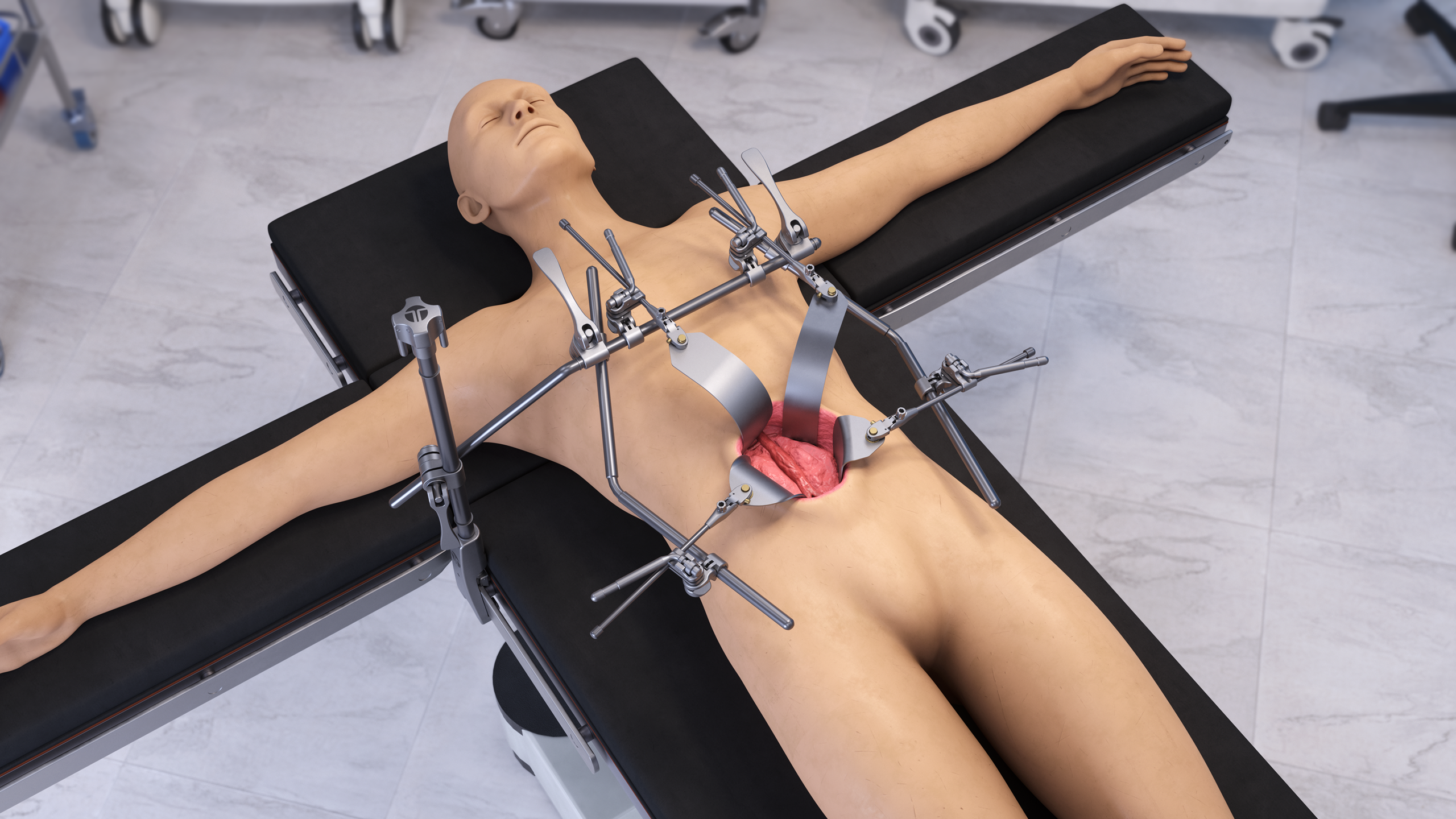
Traditional retraction depends on constant input, holding, adjusting, and reacting. It works, but it introduces variability, especially over longer procedures. Table-mounted retractor sets change that dynamic. Instead of rebuilding exposure throughout the case, the system establishes a stable platform from the start. The frame holds its position, and adjustments happen at the blade level, not the entire setup.
That shift allows exposure to remain consistent even as the procedure evolves, supporting a more controlled and repeatable approach.
Building Repeatable Exposure in Colorectal Oncology Cases
Once exposure is established, the goal is to maintain it without constant readjustment. With a table-mounted platform, the frame remains constant as the procedure progresses.
Surgeons can refine exposure by adjusting individual blades without disrupting the rest of the field. That ability to make targeted changes, without resetting the entire system, supports continuity across each phase of the operation.
Over time, this leads to a more repeatable approach in which setup becomes familiar, exposure becomes predictable, and the procedure proceeds without interruption.
Standardizing a Colorectal Retractor Tray
Consistency starts before the procedure begins. Standardizing the retractor tray reduces variability and allows teams to approach each case with a repeatable setup.
A well-prepared colorectal tray should include:
● Blade profiles that support both deep and wide exposure
● Retractor handles that allow precise directional control
● A stable frame that supports multi-point retraction
This isn’t about limiting flexibility; it’s about removing unnecessary decisions so the team can focus on the procedure itself.
Matching Retraction Strategy to the Procedure
Not every colorectal case requires the same configuration. The approach depends on anatomy, the extent of resection, and the need for evolving exposure.
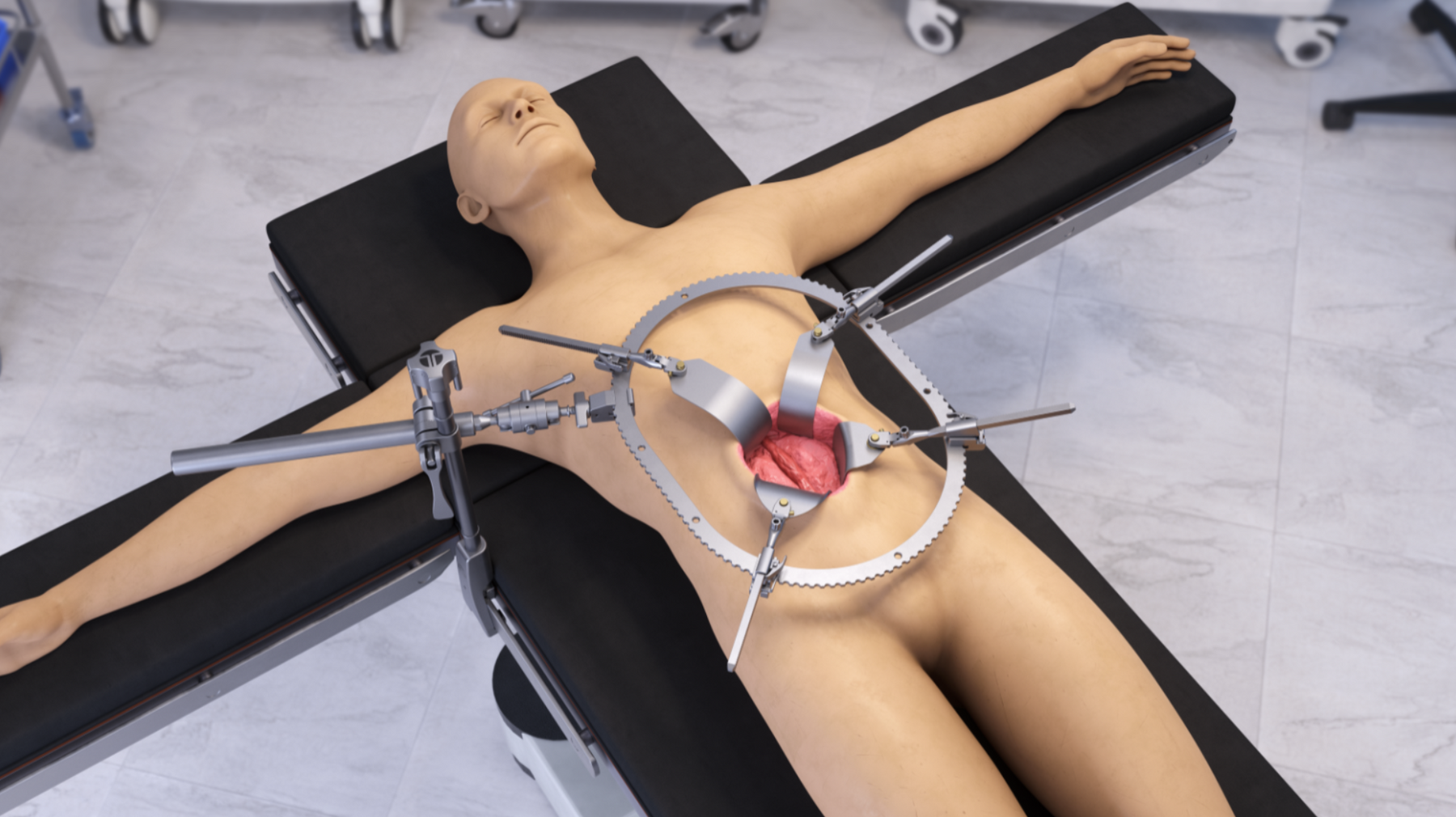
Lower-profile configurations help maintain visibility in confined spaces, while ring-based systems distribute retraction around the operative field for broader access. For procedures requiring frequent adjustment, systems with independent blade positioning allow surgeons to refine exposure in one area without affecting the rest of the field.
The common factor across these approaches is control, the ability to adapt retraction without losing position or interrupting workflow.
Applying the Right Configuration in Colorectal Cases
Once a stable platform is established, the focus shifts to managing exposure throughout the procedure. Surgical teams often begin by reviewing options through the Colon/Rectal Procedures hub, where configurations are organized by procedural needs.
For constrained access, systems designed for low-profile colorectal exposure help maintain visibility without crowding the field. Where adjustment is frequent, independent blade positioning allows targeted refinement. For broader access, stable ring-based colorectal exposure supports multi-directional retraction while maintaining balance across the operative site.
Why Reusable Table-Mounted Platforms Matter in Oncology Cases
In colorectal oncology, consistency matters as much as access. Procedures are often long and technically demanding, requiring a stable retractor from start to finish.
Reusable table-mounted platforms support that consistency by holding exposure throughout the case. This reduces variability and allows surgical teams to rely on a repeatable approach. Over time, that translates into fewer interruptions, more predictable setups, and greater confidence in maintaining exposure.
Evaluate Exposure Strategies in Your OR
Thompson Surgical Instruments designs and manufactures table-mounted retractor sets built on decades of surgeon-driven development and clinical use. Each configuration is engineered to provide stable, hands-free retraction, supporting consistent exposure across colorectal procedures.
Surgical teams can evaluate these systems through a 30-day clinical trial that includes training and case support, allowing you to assess performance directly in your own operating environment.
Thompson Surgical Instruments engineers table-mounted retractor sets designed to deliver stable, hands-free retraction in complex colorectal procedures. We support surgical teams with repeatable exposure strategies, modular configurations, and clinical evaluation programs. Contact us today to learn more about colorectal retractor sets.
Share:
Ring-Style vs. Modular Frame Systems in Open Oncology: How to Choose the Right Architecture
HIPEC and Open-Abdomen Oncology Procedures: Retraction Demands and Why Stability Matters