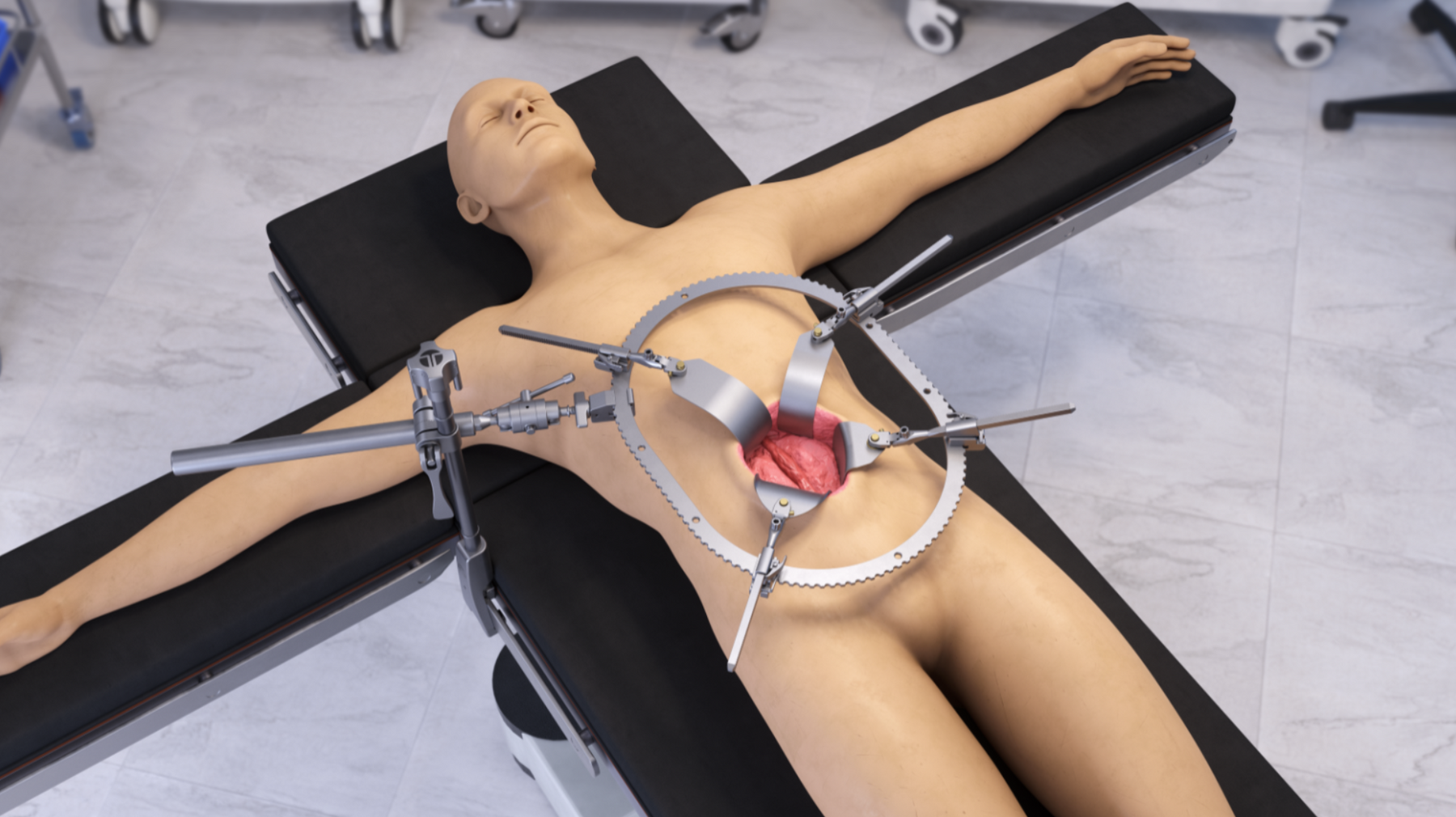



aaa abdominal aortic aneurysm retractor
  • by Thompson Surgical

What Retractor Options Exist for Long Thoracoabdominal Aortic Procedures?

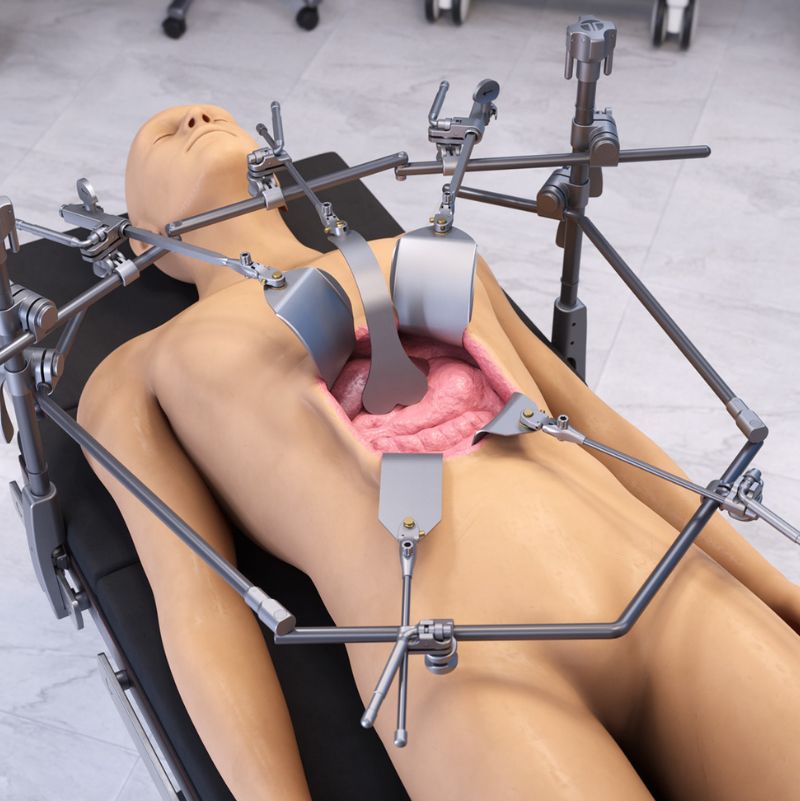
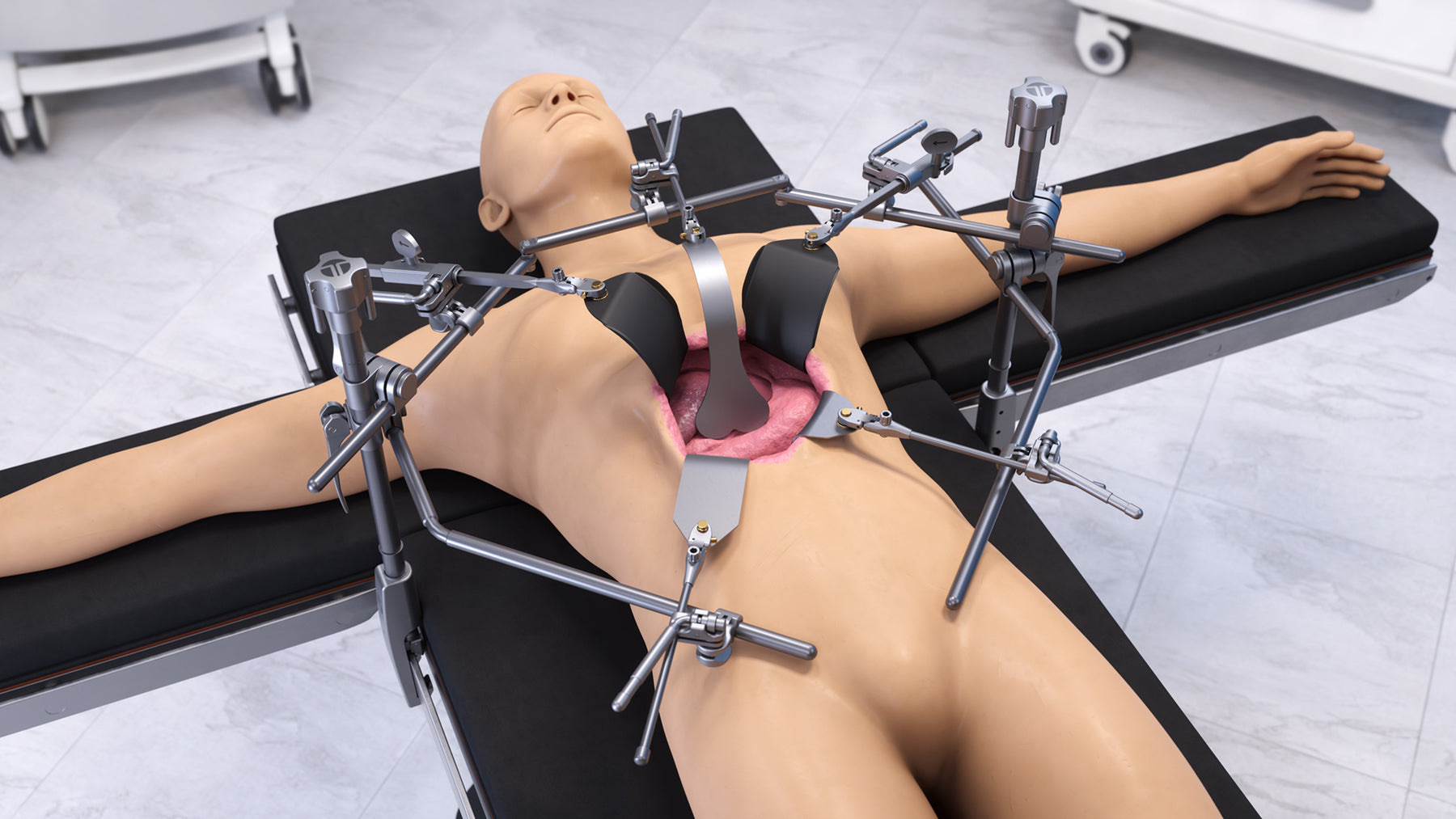
Table-mounted retractor sets form the foundation of retraction in TAAA procedures by creating a stable base that resists flex, drift, and gradual loss of tension in deep operative fields.

Read more

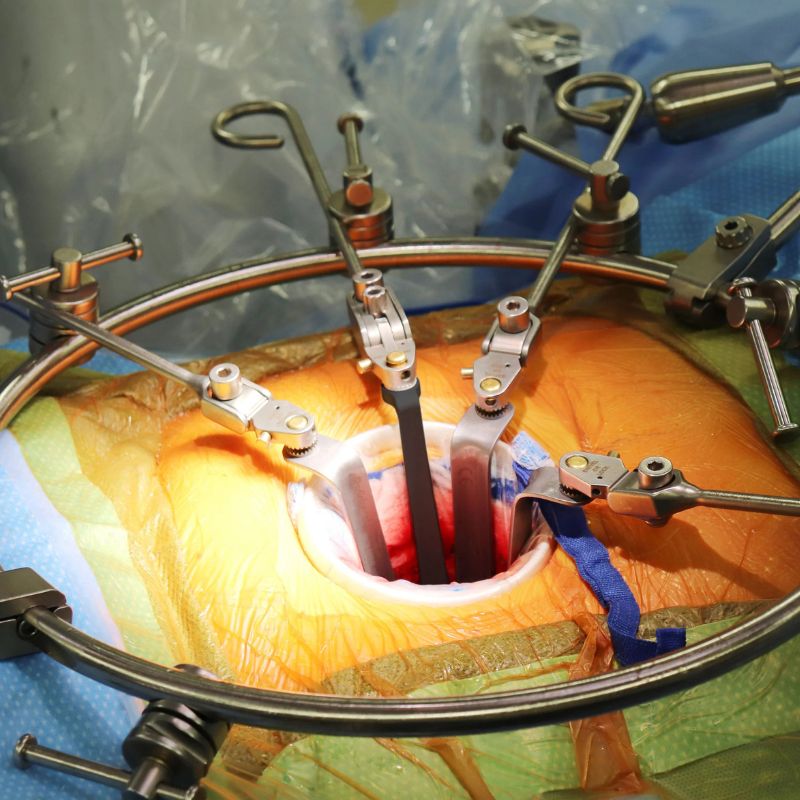
Pelvic & GYN Oncology Exposure: Optimizing Deep, Stable Retraction for Complex Resections
  • by Thompson Surgical

Pelvic & GYN Oncology Exposure: Optimizing Deep, Stable Retraction for Complex Resections

Stable Retraction in Deep Pelvic and Gynecologic Oncology Procedures Pelvic and gynecologic oncology procedures require stable retraction in deep, narrow operative fields. Table-mounted retractor sets with independently positionable blades help maintain visualization while minimizing obstruction in confined spaces. Sets that...

Read more

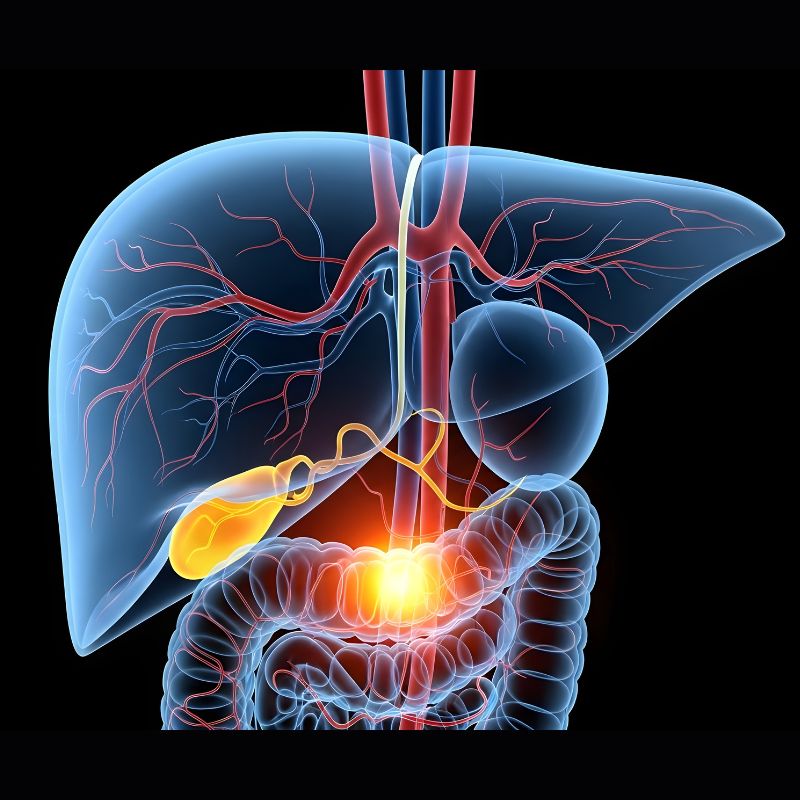
Liver, Transplant, and Complex Upper-Abdominal Oncology: Why Bilateral Retraction is Popular
  • by Thompson Surgical

Liver, Transplant, and Complex Upper-Abdominal Oncology: Why Bilateral Retraction is Popular

Bilateral retraction is commonly used in liver, transplant, and complex upper-abdominal oncology procedures to maintain stable, multi-directional surgical access. By applying controlled retraction from both sides of the operative field, surgical teams can preserve visualization, improve access in deep anatomical...

Read more

Endovascular Devices for Thoracoabdominal Aortic Repair
  • by Thompson Surgical

What’s New in Thoracoabdominal Aortic Repair: Hybrid & Endovascular Devices, and How They Influence Open Exposure Needs

Thoracoabdominal aortic repair increasingly incorporates hybrid and endovascular techniques, including fenestrated and branched devices. Even when minimally invasive strategies are used, surgeons often require dependable open surgical access for debranching, vascular control, or unexpected conversion. Stable, table-mounted retraction remains critical...

Read more

Standardizing Retraction for Multi-Hour Aortic Surgeries: How Teams Build Repeatable Setups (Without Reinventing the Wheel)
  • by Thompson Surgical

Standardizing Retraction for Multi-Hour Aortic Surgeries: How Teams Build Repeatable Setups (Without Reinventing the Wheel)

Retraction for multi-hour aortic surgeries requires standardized, repeatable setups that maintain stable surgical access throughout extended thoracic and abdominal phases. Teams often build modular table-mounted configurations, guided by preference cards and defined exposure “modules”, to minimize intra-case interruptions and reduce...

Read more

Complications Teams Plan Around in Thoracoabdominal Aortic Repair, and Why Exposure Consistency Matters
  • by Thompson Surgical

Complications Teams Plan Around in Thoracoabdominal Aortic Repair, and Why Exposure Consistency Matters

Thoracoabdominal aortic repair entails well-recognized complications that surgical teams mitigate through careful operative strategy and coordination. Maintaining consistent exposure through table-mounted retraction and abdominal retraction supports workflow efficiency by minimizing interruptions during long, complex procedures. While exposure alone does not...

Read more

Coordinating Abdominal Retraction in Combined Thoracoabdominal Exposure
  • by Thompson Surgical

Coordinating Abdominal Retraction in Combined Thoracoabdominal Exposure

Abdominal retraction in combined thoracoabdominal exposure requires a coordinated strategy because retraction demands differ between the thoracic and abdominal cavities. Effective exposure planning often pairs rib spreading for thoracic access with table-mounted abdominal retraction to maintain consistency during extended procedures. ...

Read more

Why Table-Mounted Retraction Is the Go-To Strategy for Long Thoracoabdominal Aortic Cases
  • by Thompson Surgical

Why Table-Mounted Retraction Is the Go-To Strategy for Long Thoracoabdominal Aortic Cases

Table-mounted retraction is commonly used in long thoracoabdominal aortic cases because it supports hands-free stability and consistent exposure in deep operative fields. As procedure duration increases, maintaining exposure becomes a critical planning consideration, particularly when access must be preserved without repeated interruption. Systems designed for stable mounting, repeatable setup, and long-term durability help surgical teams maintain predictable case flow throughout extended procedures.

Read more