




Stable Retraction in Deep Pelvic and Gynecologic Oncology Procedures
Pelvic and gynecologic oncology procedures require stable retraction in deep, narrow operative fields. Table-mounted retractor sets with independently positionable blades help maintain visualization while minimizing obstruction in confined spaces. Sets that support both abdominal and vaginal approaches can also reduce tray variability and improve workflow consistency across complex gynecologic oncology procedures.
Why Pelvic Oncology Stresses Retractors Differently
Pelvic oncology procedures place different mechanical demands on retractors than upper-abdominal or general surgery cases. Surgical access is typically deeper relative to incision size, the working corridor is narrower, and visualization must be maintained within a confined anatomical space surrounded by critical structures.
These procedures often involve long operative times and multiple phases of dissection. Retraction must remain stable without obstructing the surgical field or limiting instrument movement. Retractors that are bulky, difficult to adjust, or prone to shifting can interfere with visualization and workflow in an already limited space.
In pelvic oncology, the objective is not simply exposure. The objective is controlled, stable exposure that preserves a narrow working corridor while maintaining consistent surgical access throughout the procedure. Retraction systems must allow surgical teams to make small, controlled adjustments as dissection progresses without compromising the exposure already established.
Deep Access in Narrow Working Corridors
Pelvic procedures require retraction to be applied deeper into the operative field while maintaining a clear path for visualization and instrument movement. This creates a different set of requirements than broader abdominal exposure, where space is less restricted, and retraction can be applied from wider angles.
Retraction sets used in pelvic oncology should support:
● Deep blade placement without loss of stability
● Precise directional control in confined anatomy
● Minimal obstruction near the incision
● Incremental adjustment during long procedures
● Stable positioning in narrow operative fields
● The ability to maintain exposure as depth and angles change
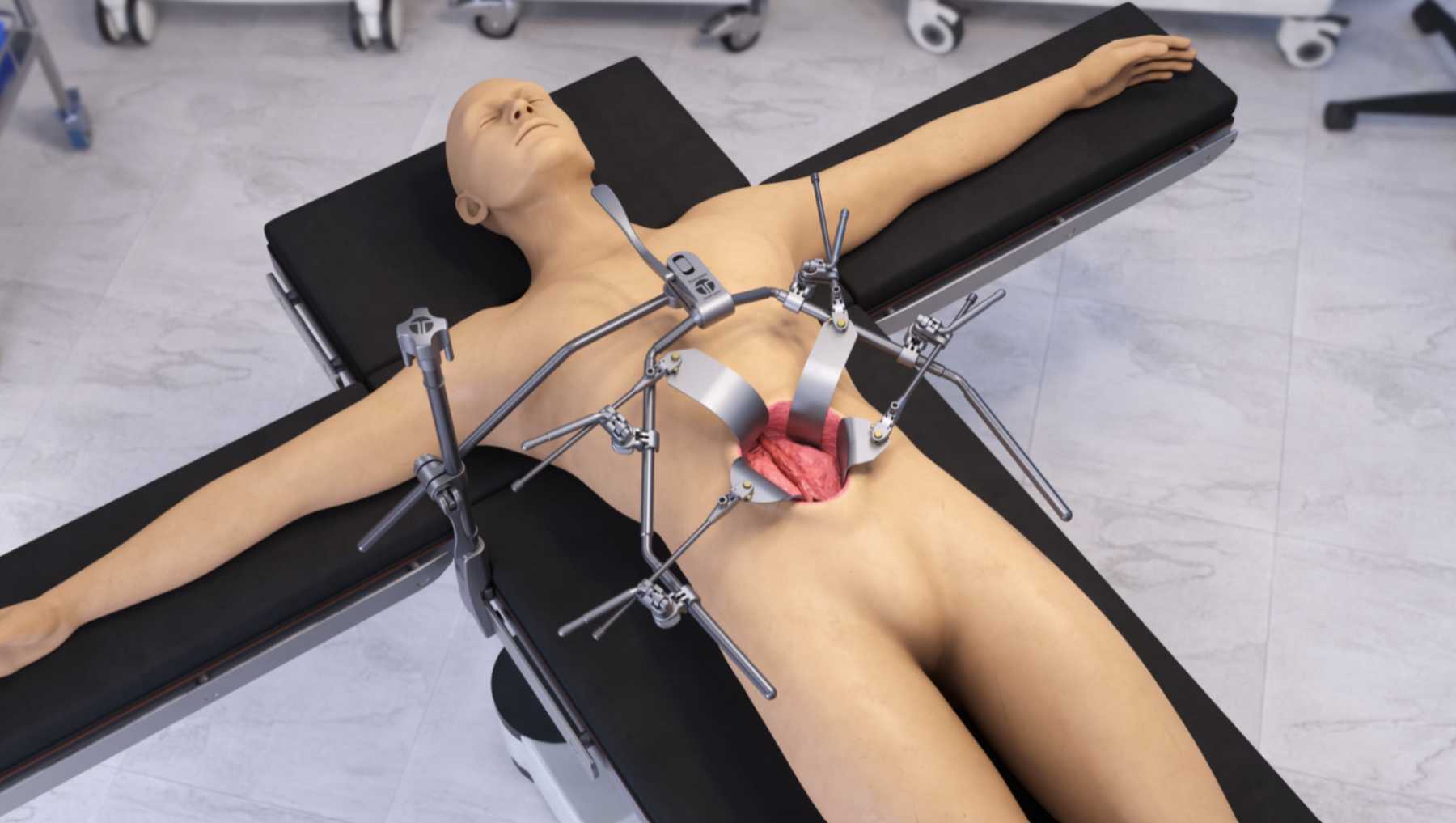
Because of these constraints, independently positionable blades supported by a stable table-mounted system are commonly used in complex pelvic oncology cases. This allows surgical teams to apply targeted retraction precisely where needed while preserving the limited working space required for dissection and reconstruction. Instead of relying on a broad retraction from a single direction, teams can build a retraction strategy that matches the anatomy and the phase of the procedure.
The Value of Independently Positionable Blades in Pelvic Oncology
In pelvic oncology procedures, retraction is often required at specific points within a confined anatomical space. Adjusting one area of exposure should not require rebuilding the entire retraction setup or losing visualization in another area of the field.
Independently positionable blades allow surgical teams to apply targeted retraction where it is needed while maintaining the rest of the exposure. This level of control is especially important in deep pelvic procedures, where small adjustments in blade position or angle can significantly affect visualization and instrument access.
Because each blade can be positioned and adjusted independently, retraction can be refined gradually as dissection progresses. One blade can be repositioned deeper, another can be rotated to improve visualization, and another can maintain exposure along the working corridor. This allows the retraction construct to evolve with the procedure rather than being reset multiple times.
Benefits of independently positionable blades include:
● Targeted retraction in confined anatomy
● Ability to adjust one retraction point without disrupting others
● Improved visualization in deep operative fields
● Reduced need for repeated repositioning
● More controlled retraction in narrow working corridors
● Retraction that can adapt as anatomy and exposure requirements change
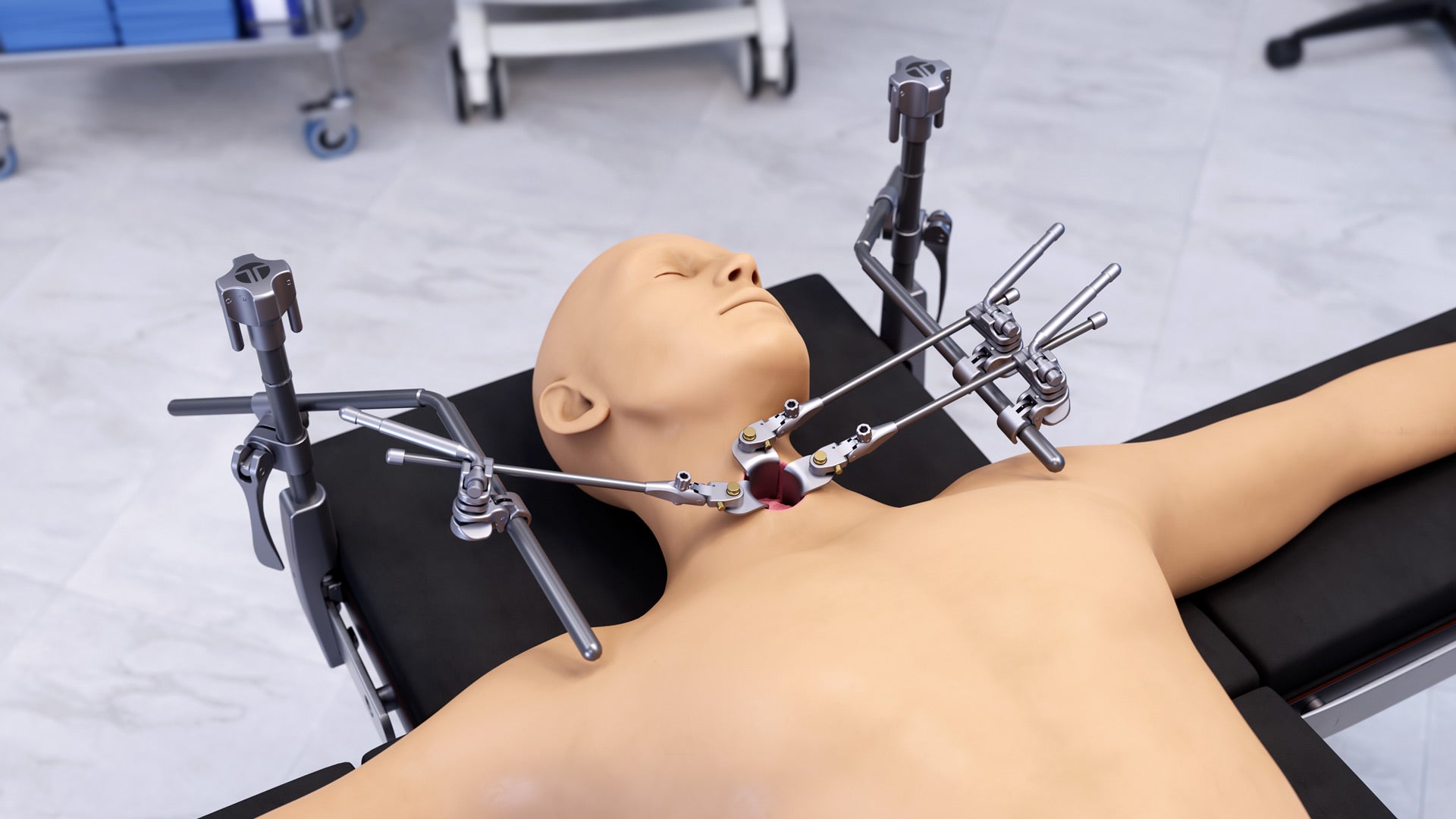
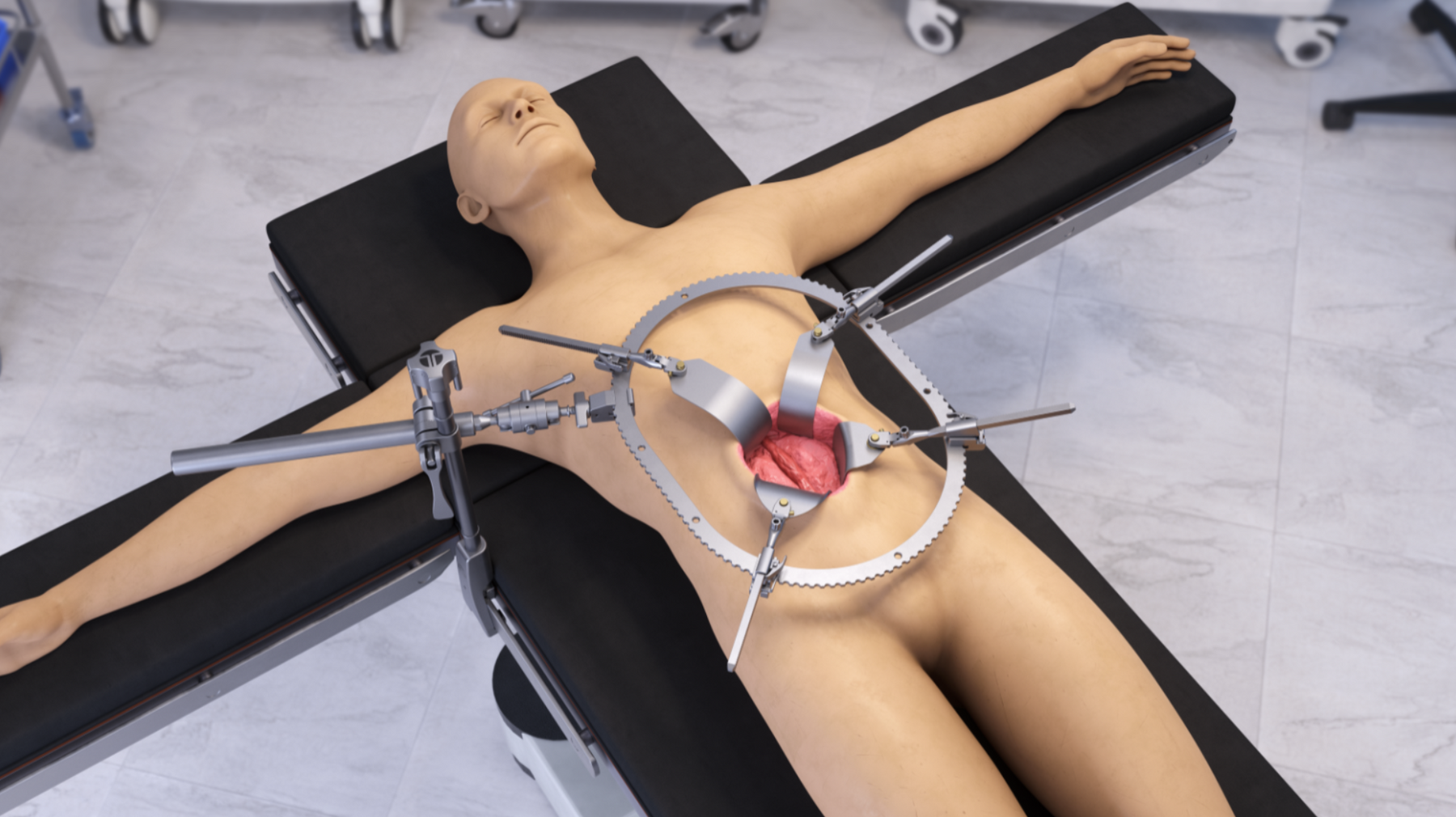
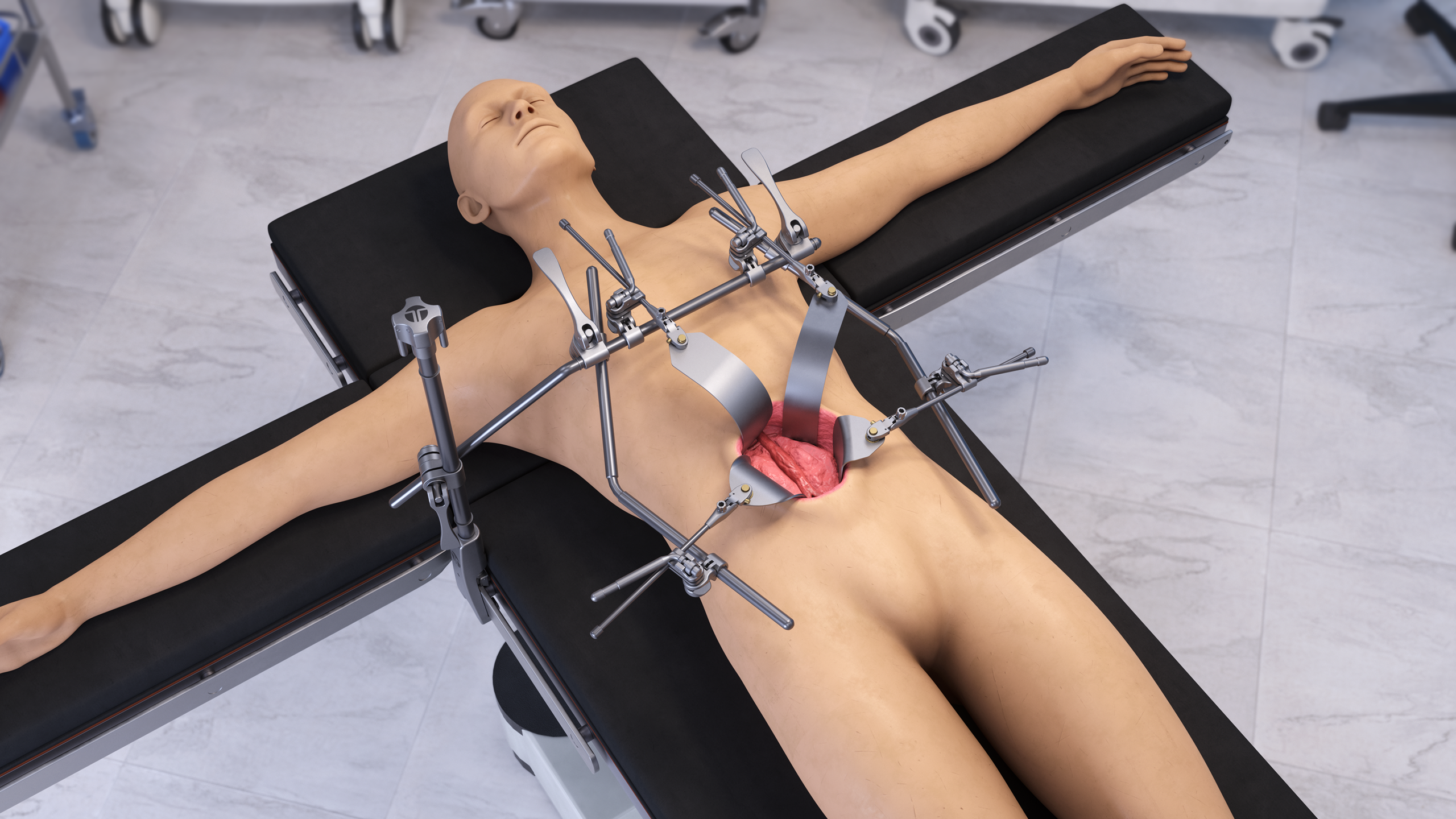
Surgical retractor sets designed for complex GYN oncology exposure facilitate controlled, deep retraction in pelvic procedures.
Supporting Both Abdominal and Vaginal Workflows
Some gynecologic oncology procedures involve both abdominal and vaginal phases, while others vary depending on the procedural approach. Using completely different retraction sets for each approach can increase tray variability, setup time, and processing complexity for the OR team.
Retractor sets that support both abdominal and vaginal surgical exposure using the same core table-mounted platform help improve workflow consistency across cases. When the same frame and arm system can be used across multiple procedure types, teams can maintain consistent setup strategies while adapting blade selection and positioning to the procedure.
This approach helps:
● Reduce tray variability
● Simplify setup and teardown
● Improve turnover consistency
● Maintain familiarity for surgical teams
● Reduce the need for multiple specialized retractor sets
● Support a more standardized setup across different procedure types
Thompson Surgical Instruments offers a 30-day clinical evaluation program that enables surgical teams to trial table-mounted retractor sets during real procedures. Systems are shipped to your facility, training is provided for OR and sterile processing staff, and case support is available during the evaluation period. After the evaluation, facilities may choose to purchase the system or return it.
What to Evaluate in Retraction Systems for Pelvic Oncology
Pelvic oncology procedures require gynecological retraction systems that maintain stability and control in deep, confined operative fields. When evaluating retractor sets for these procedures, several practical factors should be considered.
● Depth capability - Can the retractor set support deep blade placement without loss of stability or flex under load?
● Blade positioning control - Can blades be positioned independently and adjusted incrementally as exposure needs change?
● Frame footprint - Does the retractor set maintain access without overcrowding a narrow surgical field?
● Stability over long duration - Will the retractor set maintain positioning throughout a long procedure without drifting or requiring repeated adjustment?
● Tray consistency - Can the retractor set support multiple procedure types without requiring completely different sets and setup strategies?
These factors help determine whether a retraction set can meet the demands of complex pelvic oncology procedures, where exposure must remain stable while working in deep, confined anatomical spaces.
Designed for Deep Pelvic Surgical Access
Pelvic oncology procedures require retraction sets that provide stable access in deep, confined anatomical spaces while allowing precise positioning and incremental adjustment over time. Systems that combine a stable table-mounted platform with independently positionable blades allow surgical teams to maintain controlled exposure while keeping the working corridor clear.
Thompson table-mounted retractor sets are designed to support deep pelvic access, controlled blade positioning, and consistent performance across long-duration procedures. Using a modular table-mounted platform that supports both abdominal and vaginal approaches allows surgical teams to maintain consistent setup strategies while reducing tray variability across complex gynecologic oncology cases. This approach also allows retraction configurations to be adjusted and refined throughout the procedure without rebuilding the entire system.
Deep pelvic procedures require retraction sets that provide stable access without obstructing narrow working corridors. Thompson Surgical Instruments has spent more than 60 years designing table-mounted retraction systems that support independently positionable blades, deep access, and consistent setup across gynecologic oncology procedures. Contact us to learn how Thompson Surgical Instruments supports surgical access through table-mounted retraction.
Share:
Liver, Transplant, and Complex Upper-Abdominal Oncology: Why Bilateral Retraction is Popular
What Retractor Options Exist for Long Thoracoabdominal Aortic Procedures?