



Surgical Procedures

- by Thompson Surgical
Retraction for multi-hour aortic surgeries requires standardized, repeatable setups that maintain stable surgical access throughout extended thoracic and abdominal phases. Teams often build modular table-mounted configurations, guided by preference cards and defined exposure “modules”, to minimize intra-case interruptions and reduce...

- by Thompson Surgical
Thoracoabdominal aortic repair entails well-recognized complications that surgical teams mitigate through careful operative strategy and coordination. Maintaining consistent exposure through table-mounted retraction and abdominal retraction supports workflow efficiency by minimizing interruptions during long, complex procedures. While exposure alone does not...
- by Thompson Surgical
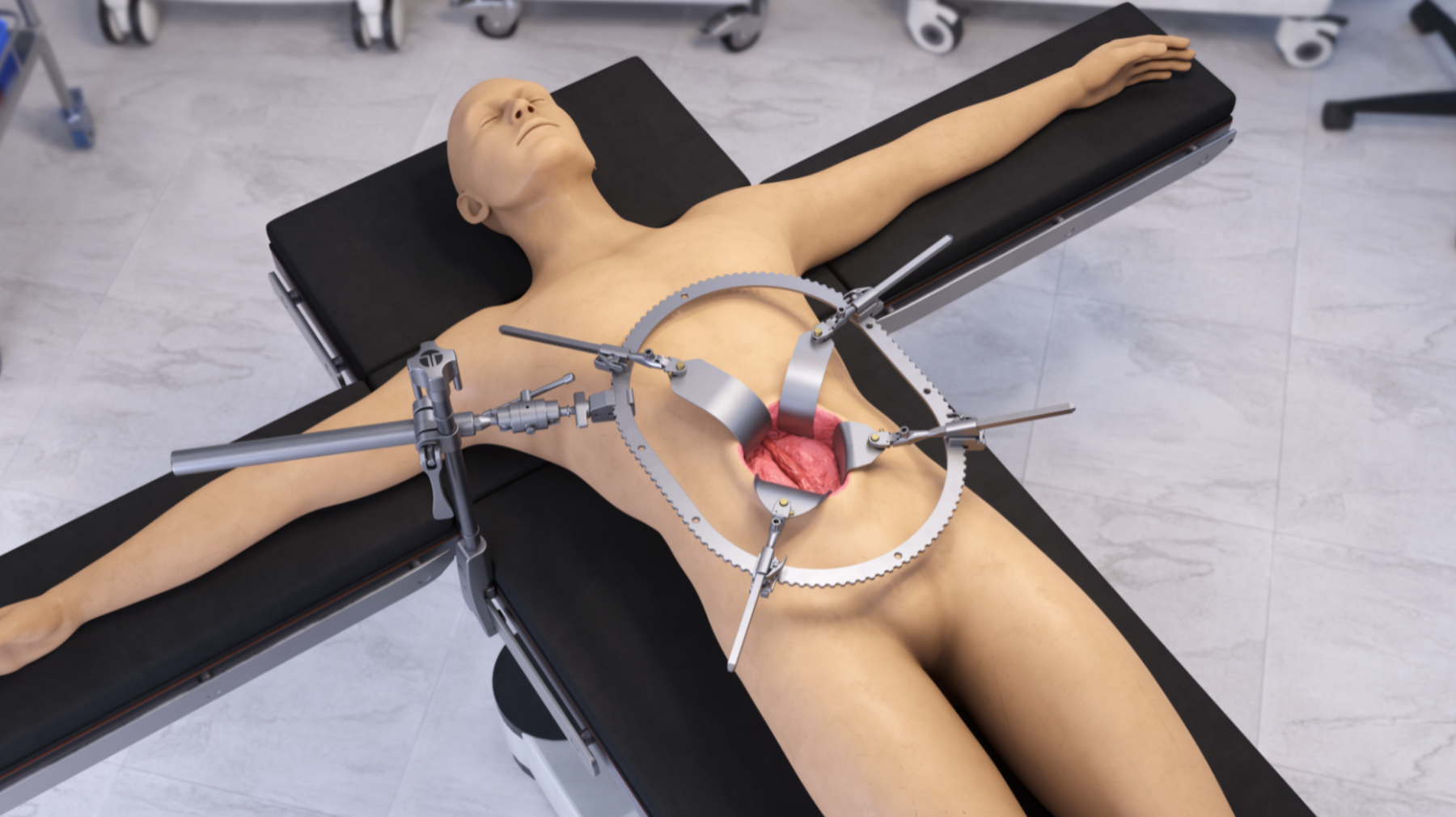
Coordinating Abdominal Retraction in Combined Thoracoabdominal Exposure
Abdominal retraction in combined thoracoabdominal exposure requires a coordinated strategy because retraction demands differ between the thoracic and abdominal cavities. Effective exposure planning often pairs rib spreading for thoracic access with table-mounted abdominal retraction to maintain consistency during extended procedures. ...
- by Thompson Surgical
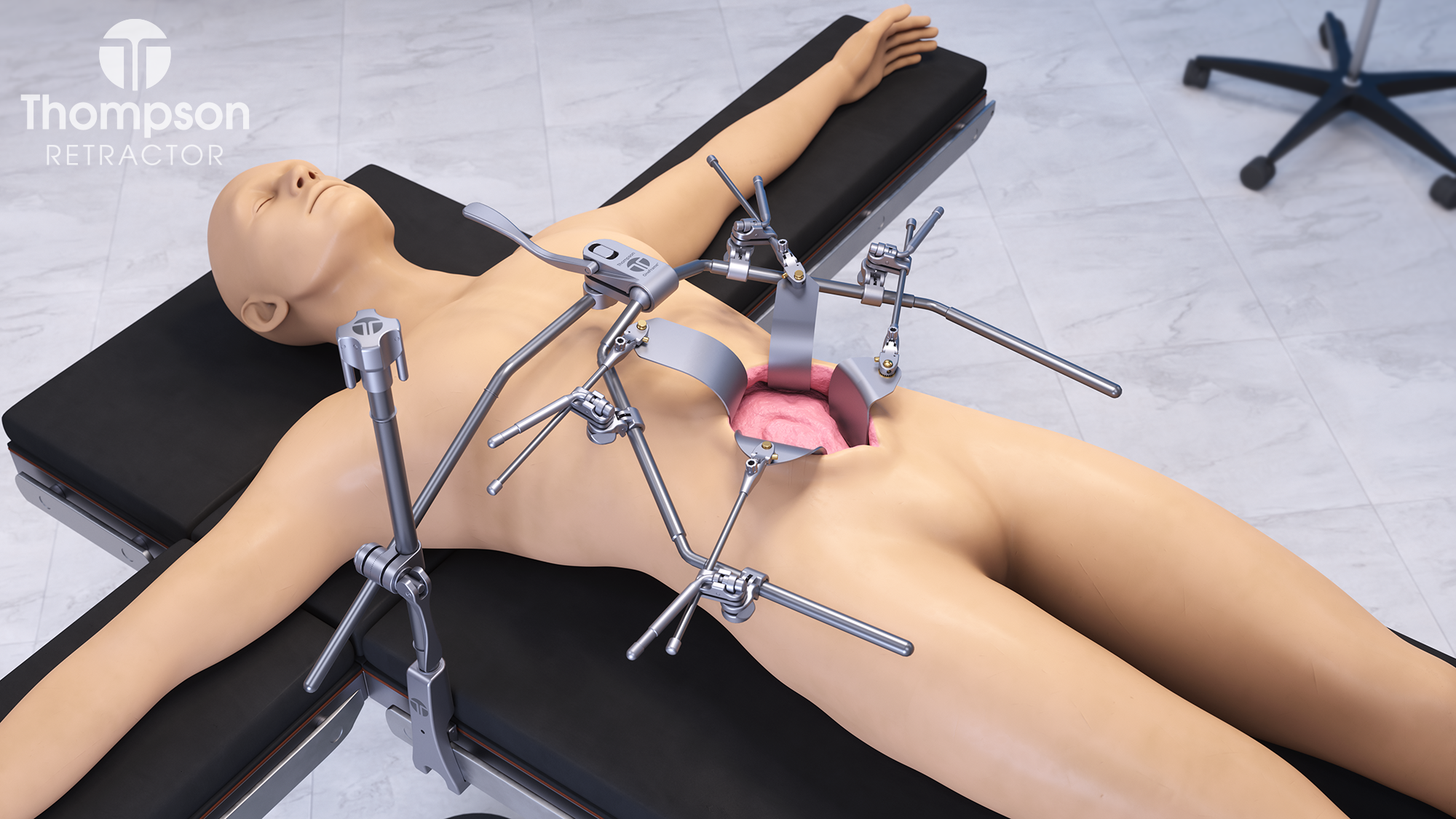
Why Table-Mounted Retraction Is the Go-To Strategy for Long Thoracoabdominal Aortic Cases
Table-mounted retraction is commonly used in long thoracoabdominal aortic cases because it supports hands-free stability and consistent exposure in deep operative fields. As procedure duration increases, maintaining exposure becomes a critical planning consideration, particularly when access must be preserved without repeated interruption. Systems designed for stable mounting, repeatable setup, and long-term durability help surgical teams maintain predictable case flow throughout extended procedures.