



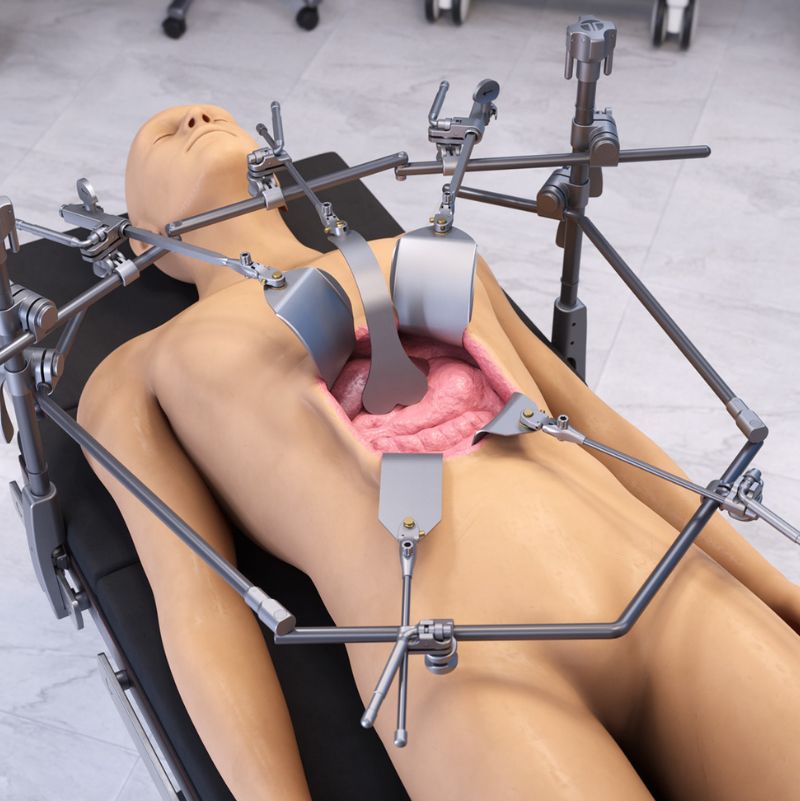
Complex hepatopancreatobiliary (HPB) procedures require retraction that can support deep exposure, changing access needs, and consistent control throughout the case. Surgeons choosing an HPB retractor should consider exposure depth, table-mounted stability, blade positioning, imaging needs, patient anatomy, OR workflow, and whether the setup can be evaluated in representative cases before standardization.
HPB surgery includes procedures involving the liver, biliary system, and pancreas. These cases often require access to deep upper-abdominal anatomy, careful work around vascular and biliary structures, and exposure that can be adjusted as the procedure progresses. A retractor set should support that workflow without crowding the field or requiring repeated disruption to the established exposure.
Why HPB Procedures Place Higher Demands on Retraction
HPB procedures are rarely static exposure cases. The surgical field may shift as the team moves through dissection, mobilization, reconstruction, imaging, or work around deep anatomy. Retraction must remain stable while still allowing the surgeon to refine exposure as the case changes.
That is different from choosing a general abdominal retractor for basic access. In complex HPB surgery, the retractor set has to support deep upper-abdominal exposure, multi-directional blade control, and sustained positioning over a long procedure.
Important retraction demands may include:
● Deep access to liver, biliary, and pancreatic anatomy
● Stable exposure during long-duration procedures
● Multi-planed retraction across changing anatomy
● Working space for instruments, assistants, and visualization
● Blade options matched to procedure type and patient anatomy
For surgeons and OR teams, the more useful question is whether the setup can help maintain controlled exposure throughout the procedure, rather than simply asking whether a retractor can open the field.
What to Look for in an HPB Retractor
A strong HPB retractor selection process should begin with the exposure challenge, not the product name. Different procedures may require different frame setups, blade kits, and adjustment strategies. The best choice is the one that fits the surgeon’s approach, the patient’s anatomy, and the OR team’s workflow.
Stable Hands-Free Exposure
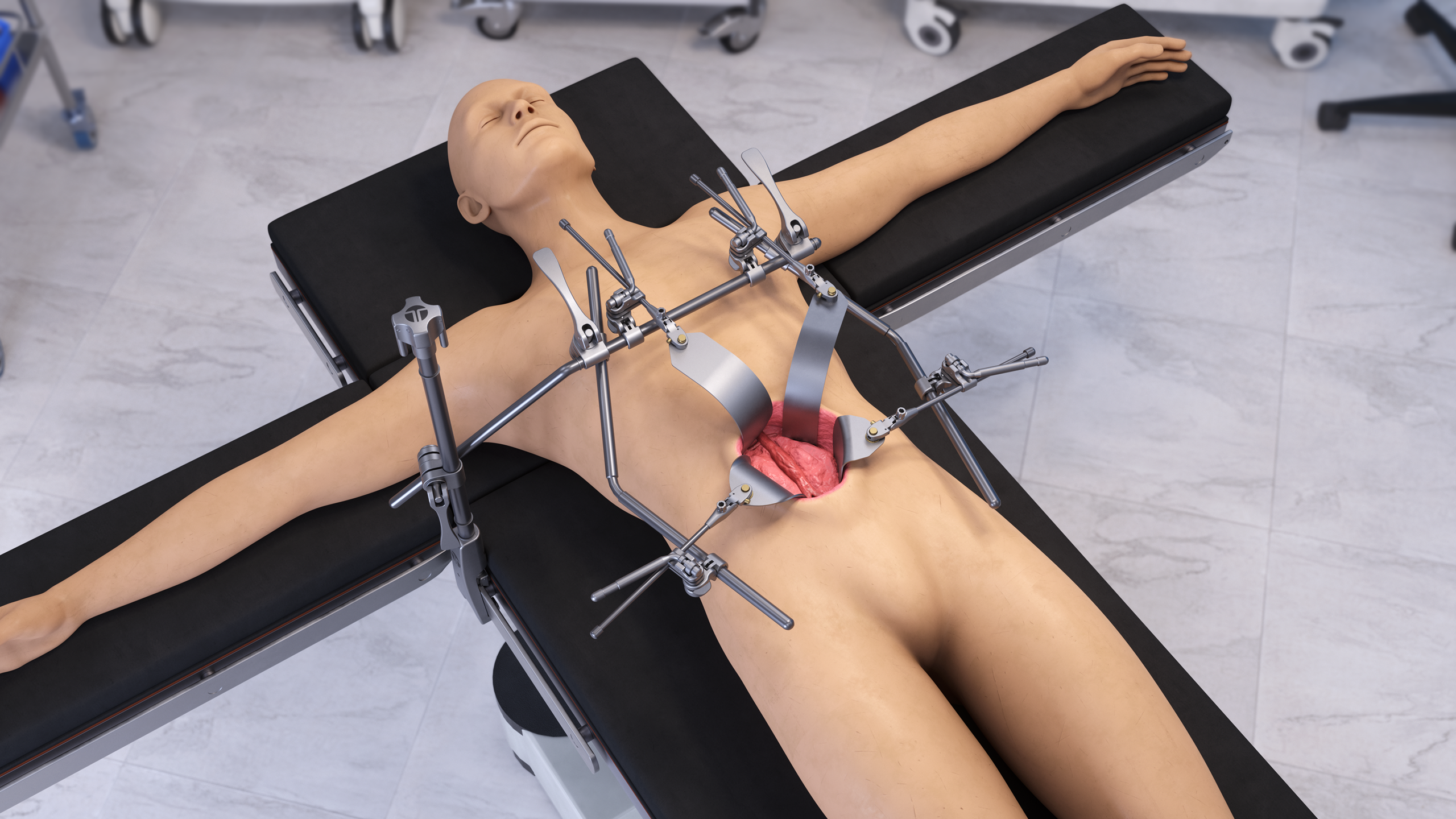
Table-mounted retractor sets attach directly to the operating room bed rail, creating a stable foundation for hands-free retraction. For complex HPB procedures, this matters because exposure often needs to hold over time while the team works through deep or difficult anatomy.
Stable hands-free exposure reduces the reliance on continuous manual retraction. That does not replace the need for skilled assistance, but it can help the team maintain a more consistent working field during long procedures.
Exposure Depth and Access Corridor
HPB cases often involve deep upper-abdominal access. The retractor set must help create and maintain a working corridor without placing unnecessary obstruction in the field.
Surgeons should consider how the frame, arms, handles, and blades interact with the incision, patient body habitus, and instrument access. A retractor that works well in one case may not be ideal for another if the exposure depth, angle, or anatomy changes.
Multi-Directional Blade Positioning
Complex liver, biliary, and pancreatic procedures may require retraction from more than one direction. Independent blade positioning allows the team to adjust one area of exposure without disrupting the entire setup.
This is especially important when the case moves through different phases. The team may need to refine exposure around the liver, upper abdomen, bile duct, pancreas, stomach, or vascular anatomy depending on the procedure.
Blade Length, Contour, and Procedure Fit
Blade selection should be part of the retractor decision from the beginning. HPB cases may require different blade lengths, shapes, and angles depending on the incision, depth, tissue load, and target anatomy. Prioritize blade options that support controlled access while preserving visibility and working space.
Imaging Compatibility
Some HPB procedures may include cholangiography or other imaging steps. When imaging is part of the surgical plan, blade material and positioning become part of the workflow.
The HPB Retractor Set includes radiolucent blade options for cholangiograms. These blade options can help support imaging workflow while allowing the team to maintain the established retraction setup.
Matching the Retractor Setup to the Procedure
HPB surgery covers more than one procedure type, so retractor selection should not be treated as one-size-fits-all. The right configuration depends on the procedure, exposure goals, surgeon preference, and team workflow.
HPB Procedures
For hepatobiliary and pancreatic procedures, a table-mounted setup should support stable exposure, controlled blade positioning, and deep access. Thompson’s HPB Retractor Set is designed for complex hepatobiliary procedures and includes radiolucent blade options for cholangiograms.
This makes it a relevant option when the team needs stable hands-free exposure and procedure-specific blade control for liver, biliary, or pancreatic surgery.
Whipple Procedures
Whipple procedures, or pancreaticoduodenectomy cases, bring their own exposure demands. The surgical team may need sustained upper-abdominal exposure through resection and reconstruction, with access needs changing as the case progresses.
The Whipple HPB Retractor Set is a more procedure-specific configuration for teams evaluating retraction for pancreaticoduodenectomy exposure. This topic deserves its own deeper discussion, but it belongs in the broader HPB selection conversation because the retraction strategy must support multiple phases of the operation.
Liver Transplant, Liver Resection, and Oncology Cases
Open liver procedures may require broad upper-abdominal access, multi-planed control, and stable exposure across long-duration cases. The retractor setup must be able to support changing exposure needs without repeatedly interrupting the field.
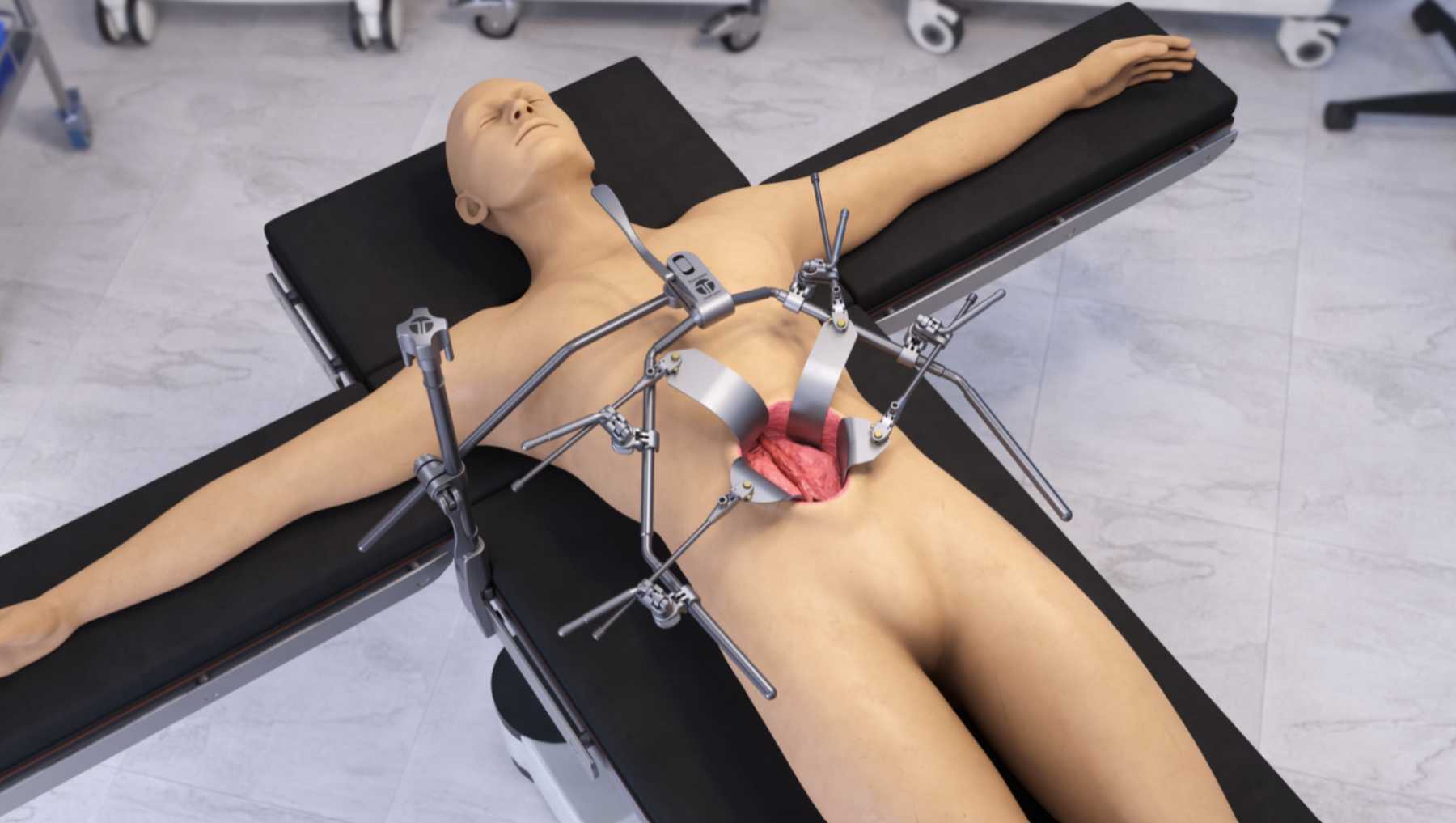
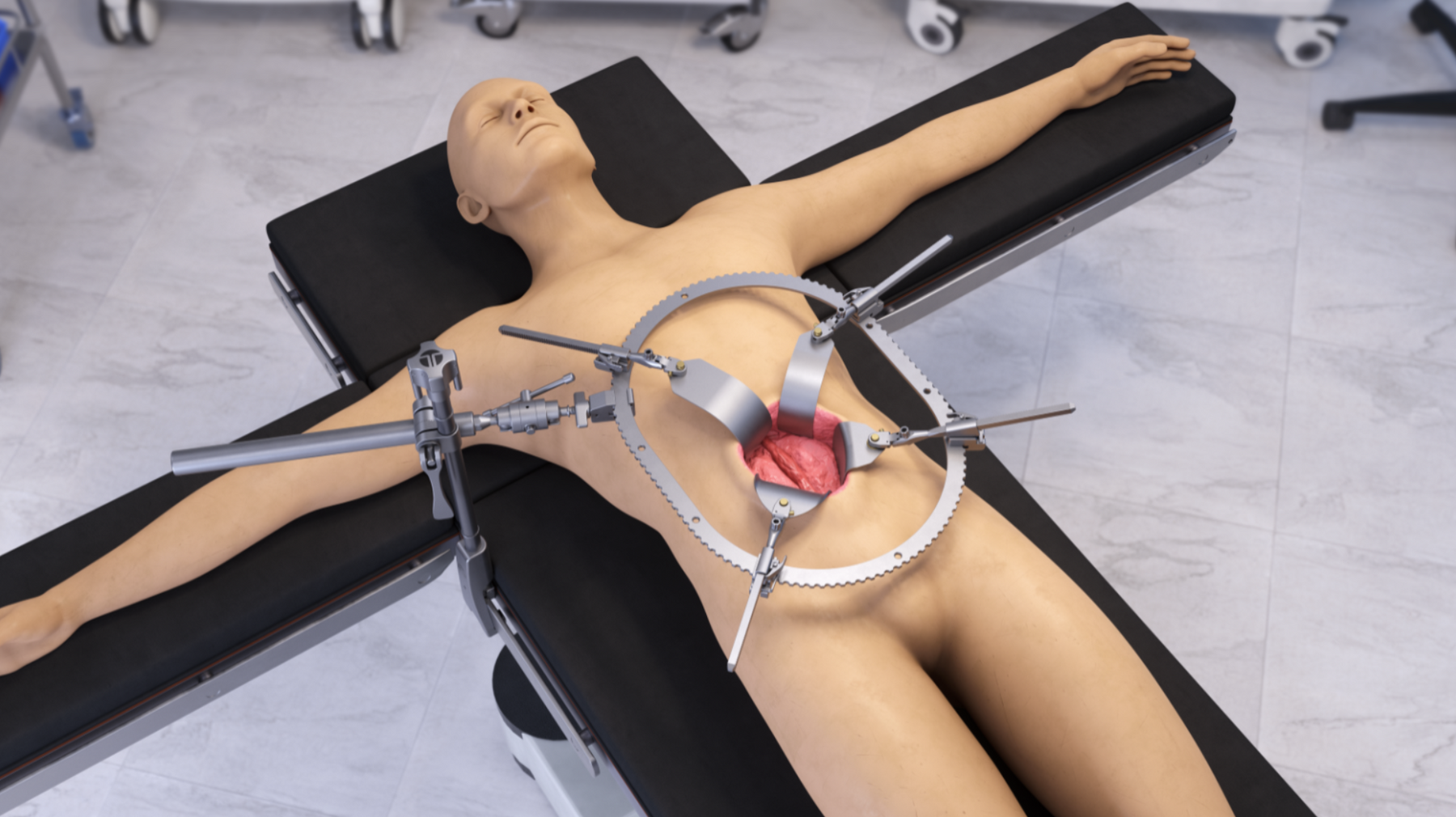
The Liver Transplant/Oncology Retractor Set is designed for complex liver transplant, oncology, and resection procedures. It may be appropriate when surgical teams need broad table-mounted exposure and independent blade control across a large operative field.
Open HPB Retraction vs. Laparoscopic Retraction
The surgical approach should guide the retractor choice. Open HPB procedures often require table-mounted, multi-blade retraction that can support deep exposure and controlled access over time. Laparoscopic HPB procedures require a different strategy, often focused on liver elevation, scope access, and instrument positioning through minimally invasive access points.
Neither approach makes one retractor type universally better. The right choice depends on the procedure, incision strategy, anatomy, exposure goals, and how the OR team works.
For teams evaluating both open and minimally invasive needs, it may make sense to review table-mounted retractor sets for liver procedures alongside laparoscopic options.
OR Workflow Should Be Part of HPB Retractor Selection
A retractor may meet the exposure need clinically, but it also has to work in the OR. Setup, adjustment, staff familiarity, and reprocessing all affect whether a retractor set can be used consistently across HPB cases.
Surgeons and OR leaders should consider:
● How repeatable the setup is across cases
● How much adjustment is needed once exposure is established
● Whether the setup preserves working space
● How easily scrub techs and circulators can support the workflow
● Whether SPD teams can process and organize the system consistently
● Whether the same platform can support related HPB procedures
These workflow details matter because complex cases place demands on the whole team. A retractor set should support exposure, but it should also fit the way the OR actually functions.
How to Evaluate an HPB Retractor Before Standardizing
Before standardizing around an HPB retractor, surgical teams should evaluate the setup in representative cases. The trial should include more than the surgeon’s impression alone. Scrub techs, circulators, assistants, and SPD teams may all see workflow details that affect long-term adoption.
Useful evaluation questions include:
● Did the setup support the exposure required for the procedure?
● Could the surgeon adjust blade position without disrupting the field?
● Did the frame or handles interfere with working space?
● Was the setup repeatable for the OR team?
● Did the tray organization and reprocessing workflow make sense?
● Would the team use the same setup again for similar cases?
Thompson offers a 30-day clinical evaluation with training and case support for U.S. customers. This allows teams to evaluate the retractor set in their own facility before making a long-term decision.
Choosing an HPB Retractor for Complex Open Procedures
The right HPB retractor should support stable exposure, controlled blade positioning, procedure-specific access, imaging needs when applicable, and OR workflow. For complex open liver, biliary, and pancreatic procedures, table-mounted retractor sets give surgical teams a stable foundation that can be configured around the procedure.
Surgeons should also consider how the retractor set fits across related HPB cases. A setup that supports one procedure well may also help standardize workflow across Whipple, liver resection, transplant, oncology, and other complex upper-abdominal cases when the frame and blade options match the team’s needs.
Thompson Surgical Instruments has spent more than 60 years refining table-mounted retraction systems for stable, hands-free surgical exposure. Our employee-owned team supports surgeons with HPB, Whipple, and Liver Transplant/Oncology configurations designed for complex open procedures. Contact us to learn more about choosing a table-mounted HPB retractor.
Share:
HPB Retractor Set: Why Radiolucent Blades and Hands-Free Exposure Matter in Hepatobiliary Surgery
Liver Surgery Retractor Selection: How to Maintain Stable Exposure in Complex Open Cases