




Liver retraction means different things depending on the surgical approach. A Nathanson liver retractor is typically used for liver elevation during laparoscopic or robotic upper abdominal procedures, while open liver retractor sets are designed to maintain broad, stable exposure during complex open liver and abdominal surgery.
The surgical approach should guide the choice of retraction. Minimally invasive, laparoscopic procedures require controlled liver elevation through small access points. Open liver, HPB, Whipple, transplant, oncology, and HIPEC procedures require table-mounted retraction that can hold exposure across deeper, wider, and more dynamic operative fields.
Start with the Surgical Approach
Nathanson liver retractors and open liver retractor sets both support liver exposure, but they serve different procedural needs. A Nathanson-style retractor helps elevate the liver during laparoscopic or robotic procedures, where the goal is to create working space through limited access. Table-mounted, open liver retractor sets support exposure across a larger incision, deeper anatomy, and multiple access points.
This distinction matters for OR teams and purchasing committees. The question is not whether one option is better than another. The better question is whether the procedure requires minimally invasive liver elevation or open, multi-planer exposure.
What a Nathanson Liver Retractor Does
A Nathanson liver retractor is commonly used in laparoscopic upper abdominal procedures to lift and hold the liver away from the operative field. In this setting, the retractor helps create space for laparoscopic visualization and instrument movement.
The Thompson Laparoscopic Retractor Set includes a Nathanson Blade Kit and provides hands-free laparoscopic support with quick attachment changes, stable positioning, and multi-configuration flexibility. For laparoscopic or robotic procedures, the retraction question usually centers on liver elevation, positioning stability, and the team's ability to maintain exposure through a limited-access approach.
What Table-Mounted, Open Liver Retractor Sets Do
Open liver retractor sets address different exposure needs. In open liver and abdominal procedures, the surgical team may need stable access across large operative fields, deep anatomy, and multiple planes of retraction.
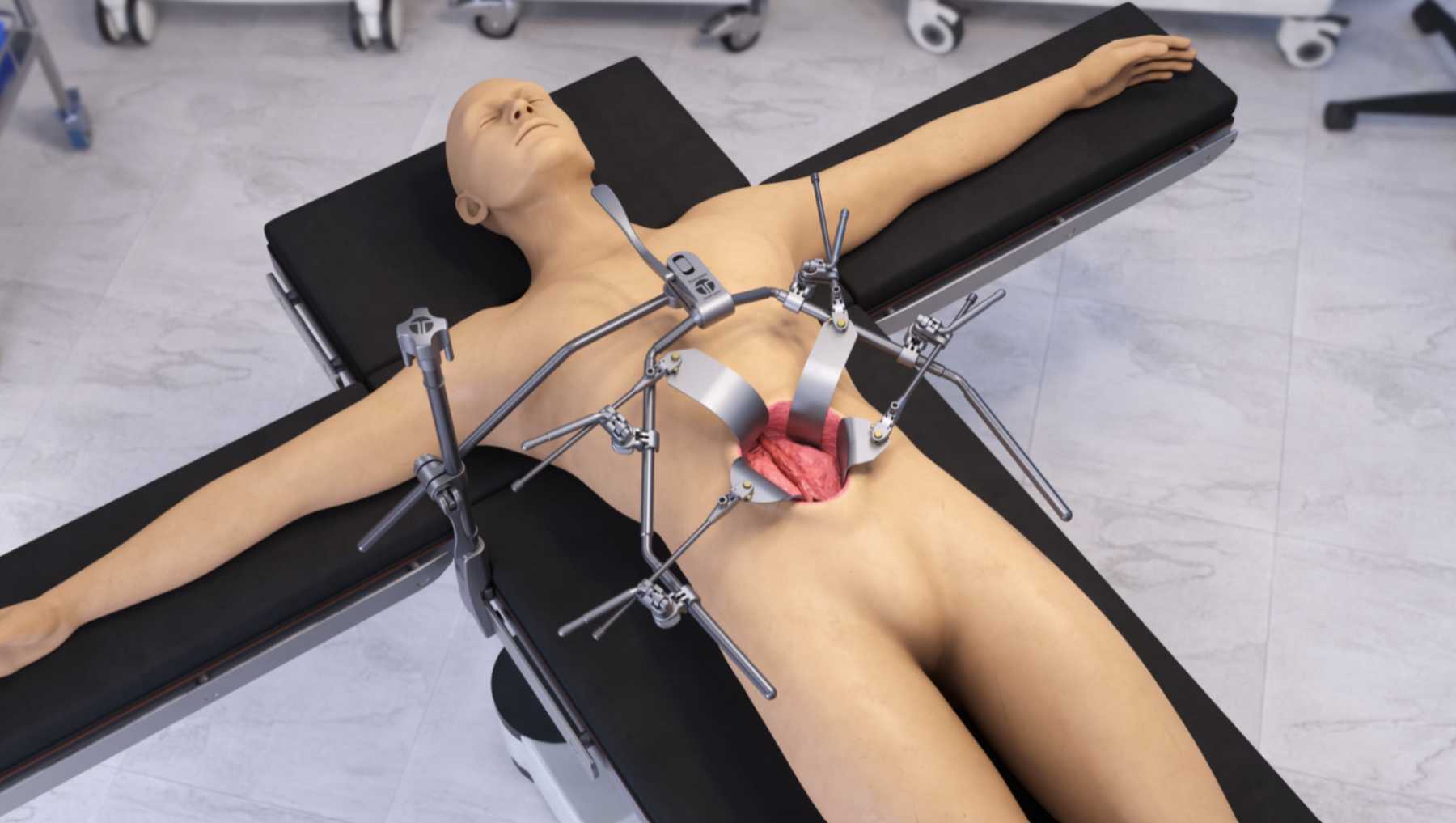
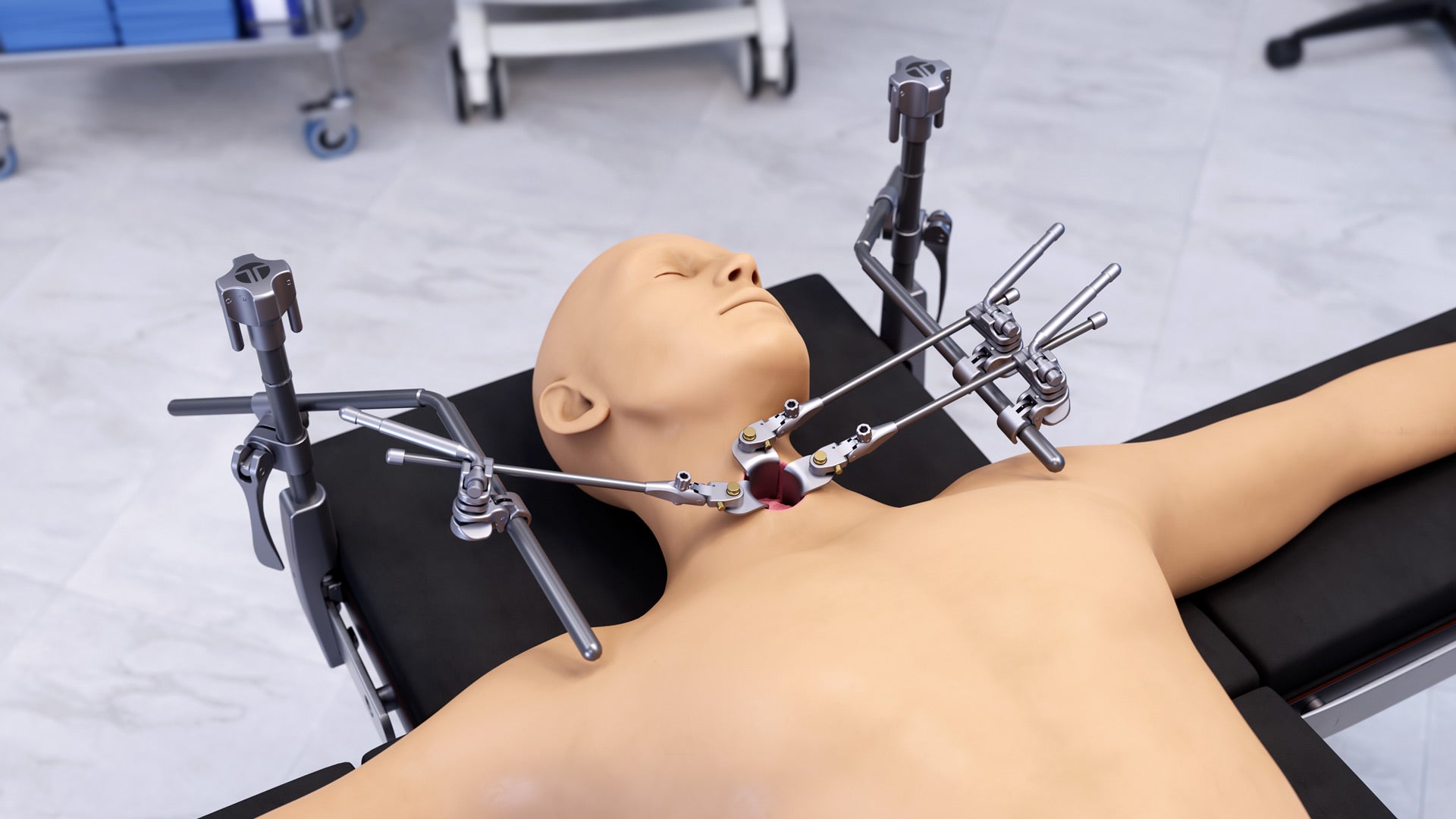
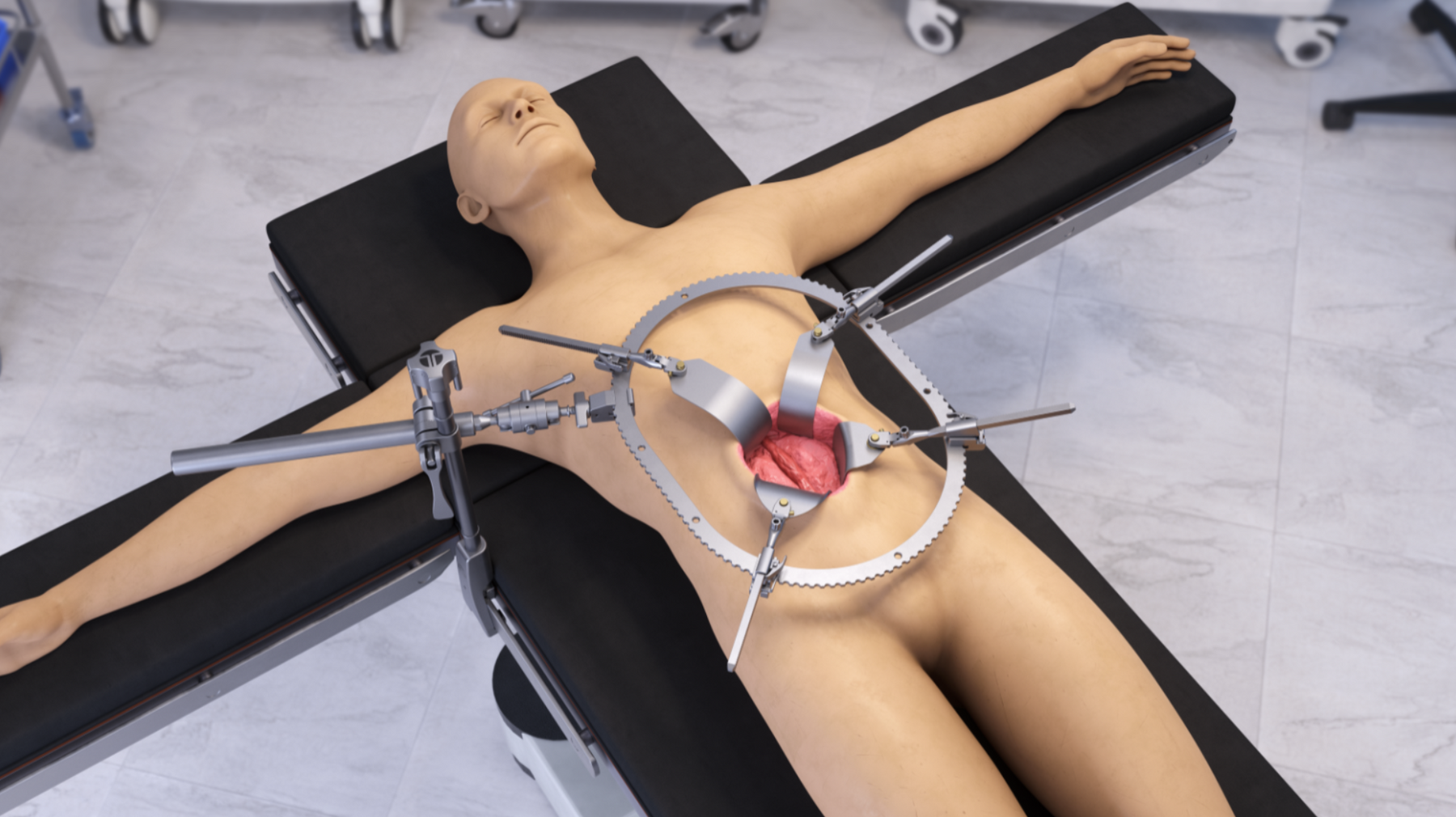
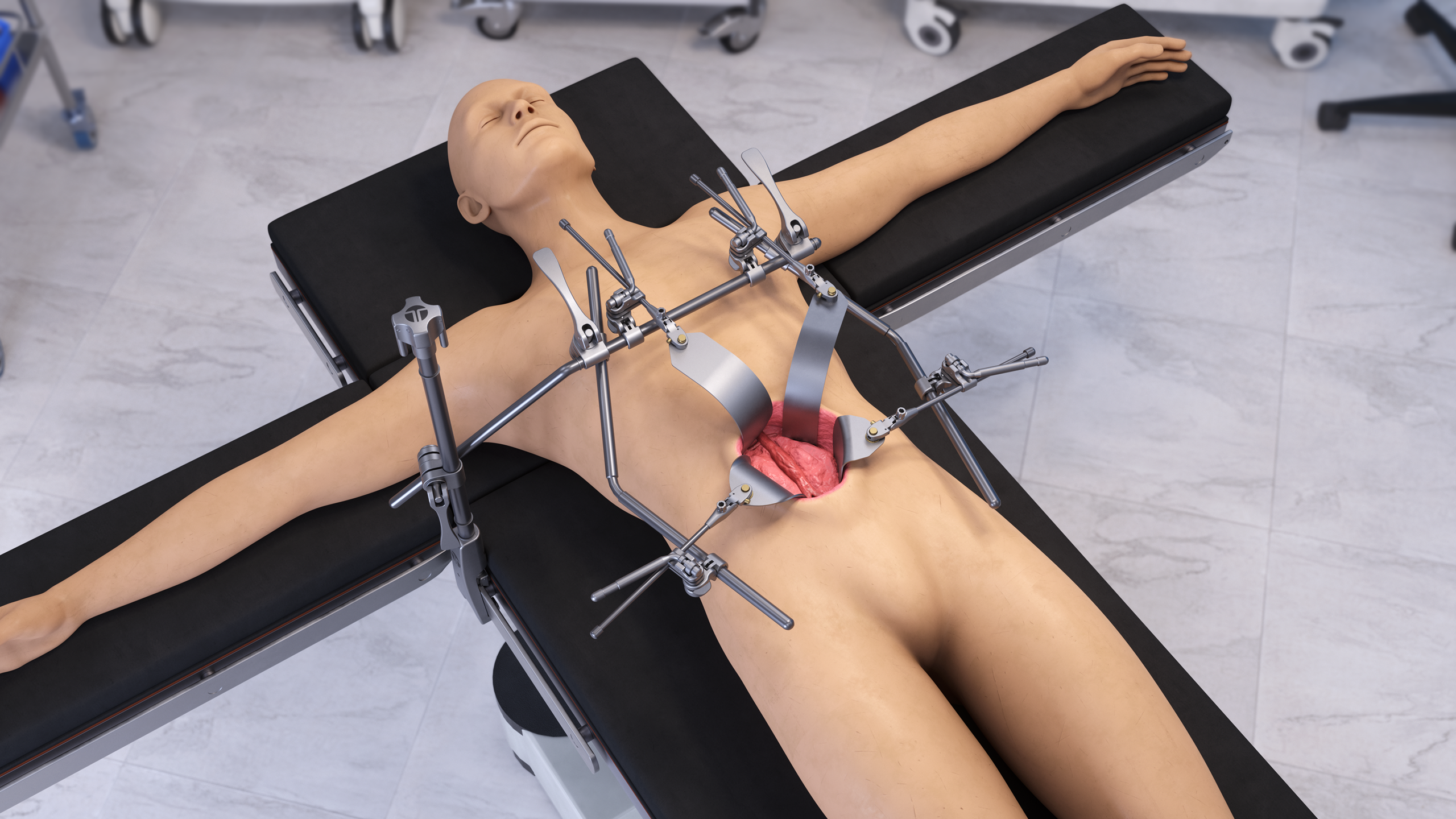
Thompson’s table-mounted retractor sets for liver resection provide hands-free retraction for procedure-specific exposure needs, including HIPEC, HPB, Whipple, and liver transplant or oncology procedures. These open procedures often require stable positioning under sustained load, consistent access without repeated adjustment, and precise blade positioning as anatomy and access needs change.
In open procedures, the goal is not only to elevate the liver. The retractor set must help maintain exposure across the abdominal wall, costal margin, upper quadrants, and deep operative field. That requires a table-mounted foundation, procedure-specific blade options, and controlled adjustment throughout the case.
Matching Retraction to Procedure Requirements
A Nathanson-style liver retractor may be appropriate for laparoscopic or robotic procedures when the primary exposure required is liver elevation. These cases depend on controlled positioning through smaller access points and enough working space for visualization and laparoscopic instrumentation.
A table-mounted open liver retractor set is the appropriate surgical retractor to consider when the procedure requires broad exposure, sustained tissue retraction, independent blade positioning, and hands-free stability across a larger operative field. Open HPB, Whipple, HIPEC, transplant, and oncology cases place demands on exposure that go beyond liver elevation alone.
This distinction keeps the decision focused on procedure requirements. The procedure determines the exposure need, and the exposure need determines the retractor set.
Thompson Retractor Sets for Laparoscopic and Open Liver Procedures
Thompson supports both minimally invasive and open liver retraction needs; each retractor set serves a different surgical workflow.
For minimally invasive procedures, the Thompson Laparoscopic Retractor Set provides hands-free laparoscopic support and includes a Nathanson Blade Kit. This set is designed for stable positioning, quick attachment changes, and laparoscopic workflow support.
For open liver procedures, Thompson table-mounted retractor sets support HIPEC, HPB, Whipple, and liver transplant or oncology procedures. These sets are designed around stable, hands-free exposure, independent blade positioning, and procedure-specific access needs across complex open abdominal cases.
The HPB Retractor Set supports liver, biliary, and pancreatic surgery, including radiolucent blade options for cholangiograms when imaging is part of the surgical plan. The Liver Transplant/Oncology Retractor Set supports liver transplant, liver resection, oncology, and obesity cases that require stable, adaptable exposure across large or changing operative fields.
Evaluation Questions for OR Teams
Before choosing a liver retraction setup, OR teams should start with the surgical approach and workflow requirements. These questions can help clarify which retractor set fits the case:
● Is the procedure laparoscopic, robotic, or open?
● Is the main need liver elevation or broad surgical exposure?
● Does the case require multiplaned retraction?
● Will the team need independent blade positioning?
● Does the case involve cholangiography or require radiolucent blades?
● Will exposure need to be maintained throughout a long-duration open procedure?
● Can the OR team reproduce the setup consistently?
● What training and setup support are available?
These questions keep the decision focused on real procedural needs instead of treating every liver retractor as interchangeable.
Evaluate the Right Liver Retraction Setup in Your OR
A free, 30-day clinical evaluation gives surgical teams the opportunity to assess the right Thompson retractor set in their own OR environment before standardizing equipment. For liver procedures, which may include laparoscopic support with a Nathanson Blade Kit or open table-mounted retractor sets for HPB, Whipple, HIPEC, transplant, and oncology cases. Thompson provides training and support to the OR and SPD teams throughout the trial.
Hands-on evaluation helps teams assess setup, exposure stability, blade positioning, workflow fit, and reprocessing needs under real clinical conditions. Thompson retractor sets are shaped by decades of surgeon input, clinical use, and ongoing collaboration with surgical teams, allowing OR leaders to evaluate performance in their own workflow before standardizing equipment.
Thompson Surgical Instruments engineers table-mounted retractor sets designed to provide stable, hands-free exposure in complex open liver procedures. We support surgical teams with laparoscopic and open liver retraction options designed for procedure-specific exposure needs. Contact us today to learn how to match the right liver procedure retractor set to your surgical approach.
Share:
Liver Transplant Retractor Setup: Frame, Blade, and Setup Considerations for Stable Open Exposure
Surgical Retractor Set Cost: How Value-Analysis Committees Should Evaluate Liver Surgery Exposure