




Table-mounted retractors provide stable, hands-free access during complex open oncologic resections. These retractor sets maintain consistent retraction over long procedures, support multi-directional access in deep abdominal and pelvic fields, and reduce the need for repeated intraoperative adjustment. Frame stability, modular design, and controlled positioning make them well-suited for cases where exposure must remain consistent as anatomy and dissection depth change.
Why Oncologic Resections Require Stable, Hands-Free Surgical Access
Complex oncologic resections place sustained demands on retraction. These procedures often last several hours, involve deep anatomical planes, and require access that shifts as dissection progresses.
Maintaining consistent access becomes more challenging as tissue planes change and depth increases. Manual retraction introduces variability. Fatigue, inconsistent force, and repeated repositioning can interrupt workflow and affect visualization during critical portions of the case.
Table-mounted retractors provide a fixed platform for retraction. Once positioned, the system maintains steady tension without continuous manual effort. This allows surgical teams to:
● Maintain uninterrupted access during long procedures
● Reduce variability associated with manual retraction
● Minimize intraoperative adjustments
● Support consistent visualization in deep operative fields
In oncologic surgery, where precision and continuity matter, stable retraction helps maintain control throughout the procedure.
What Are Table-Mounted Retractors?
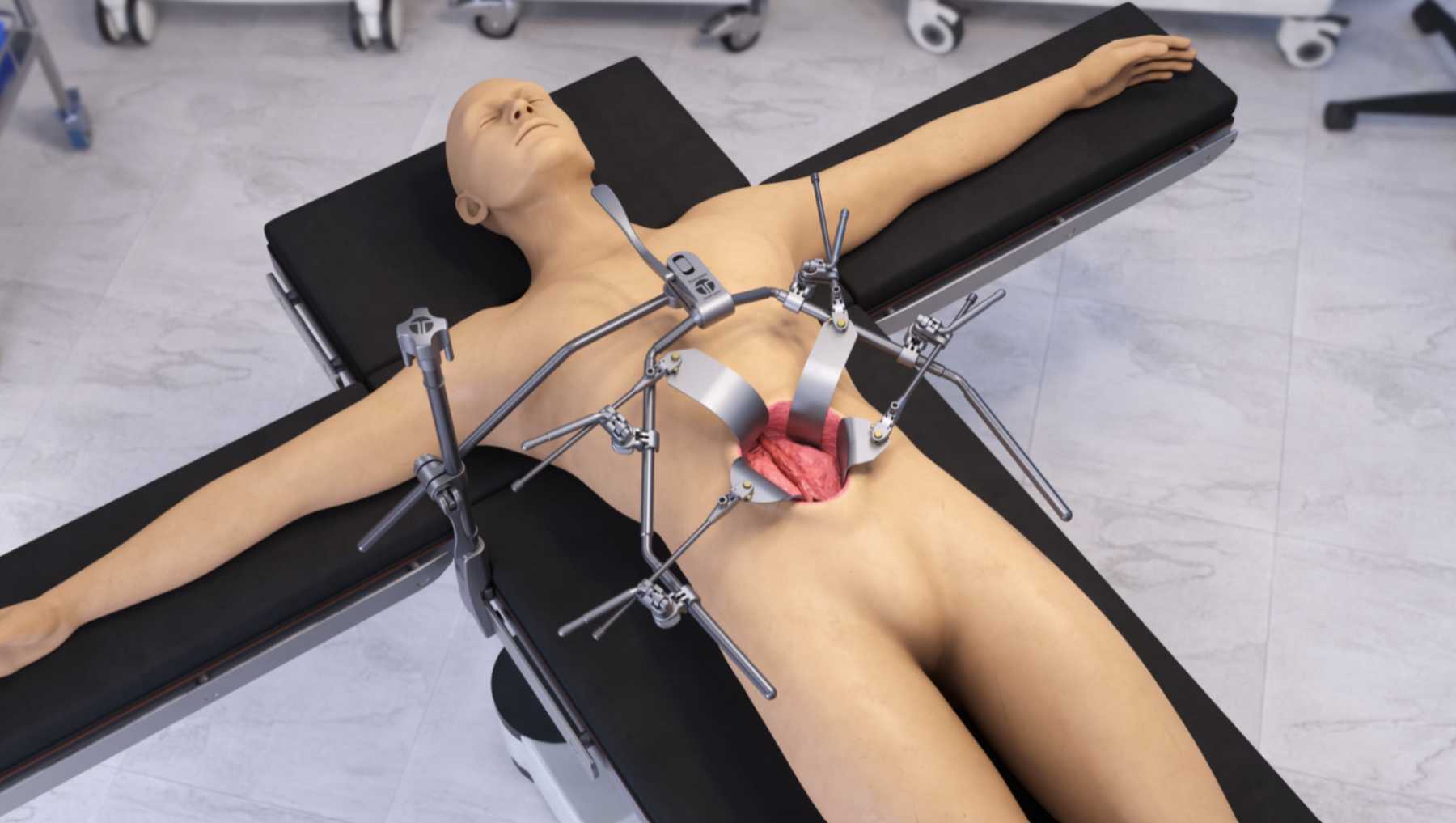
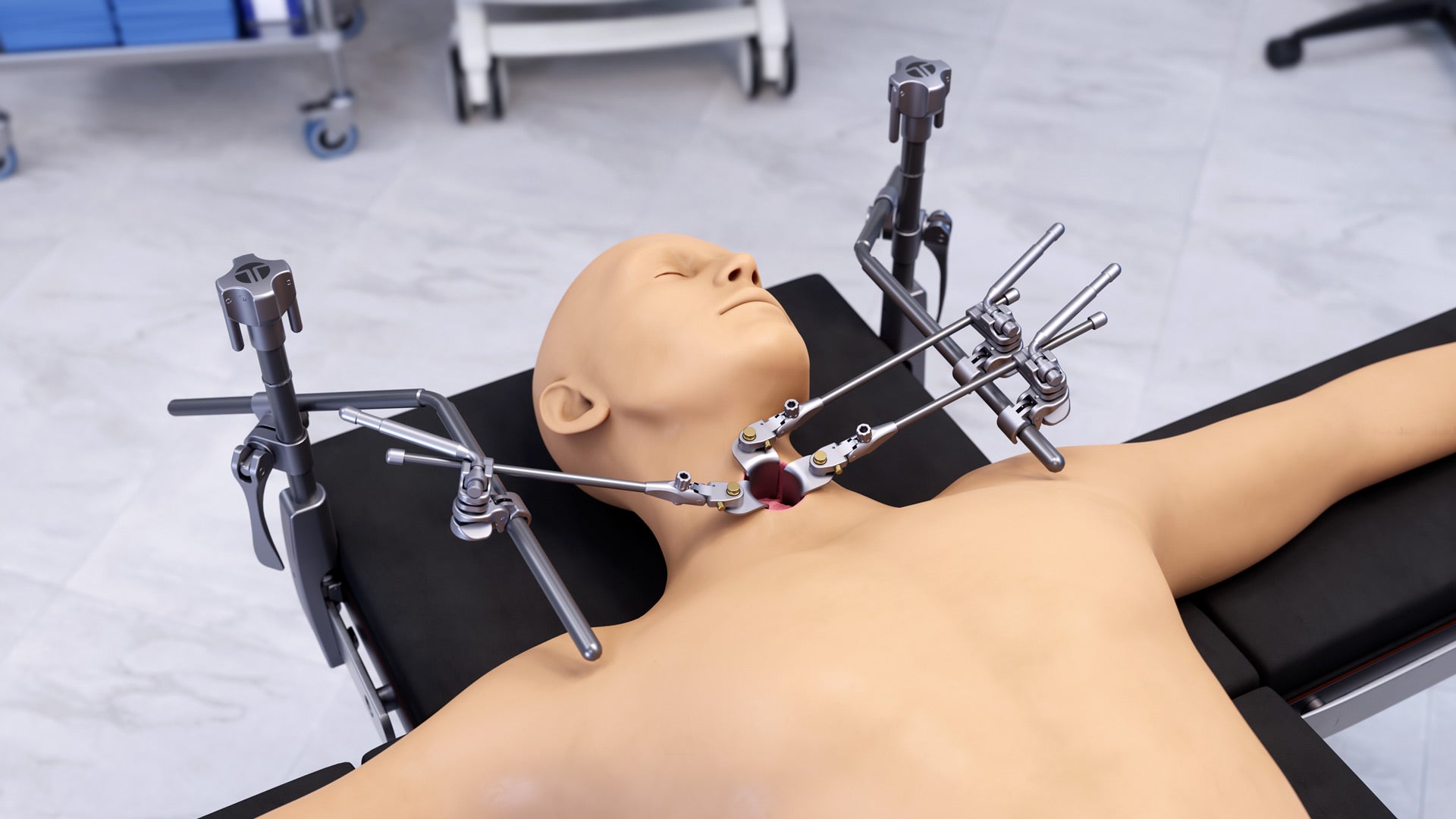
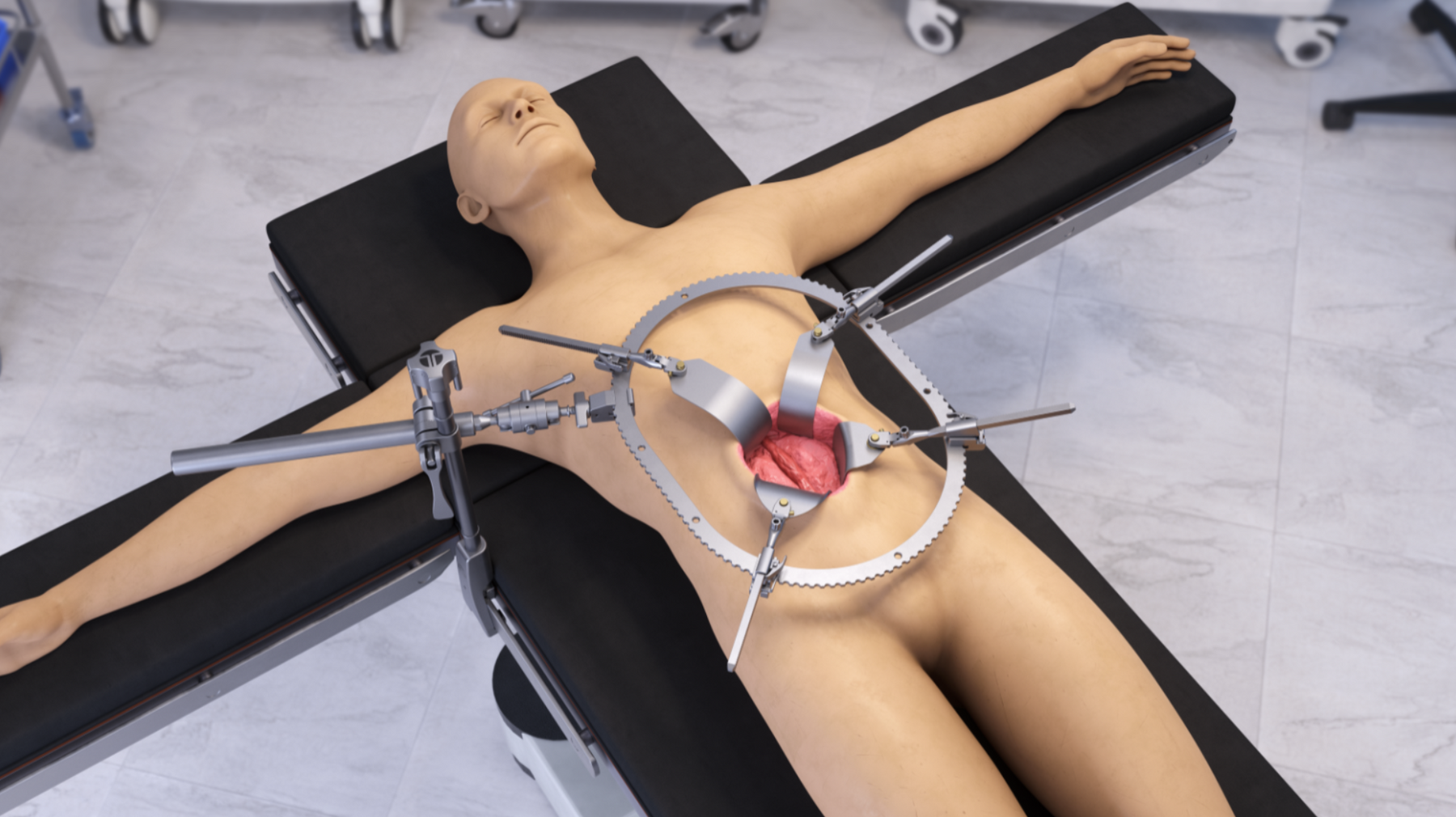
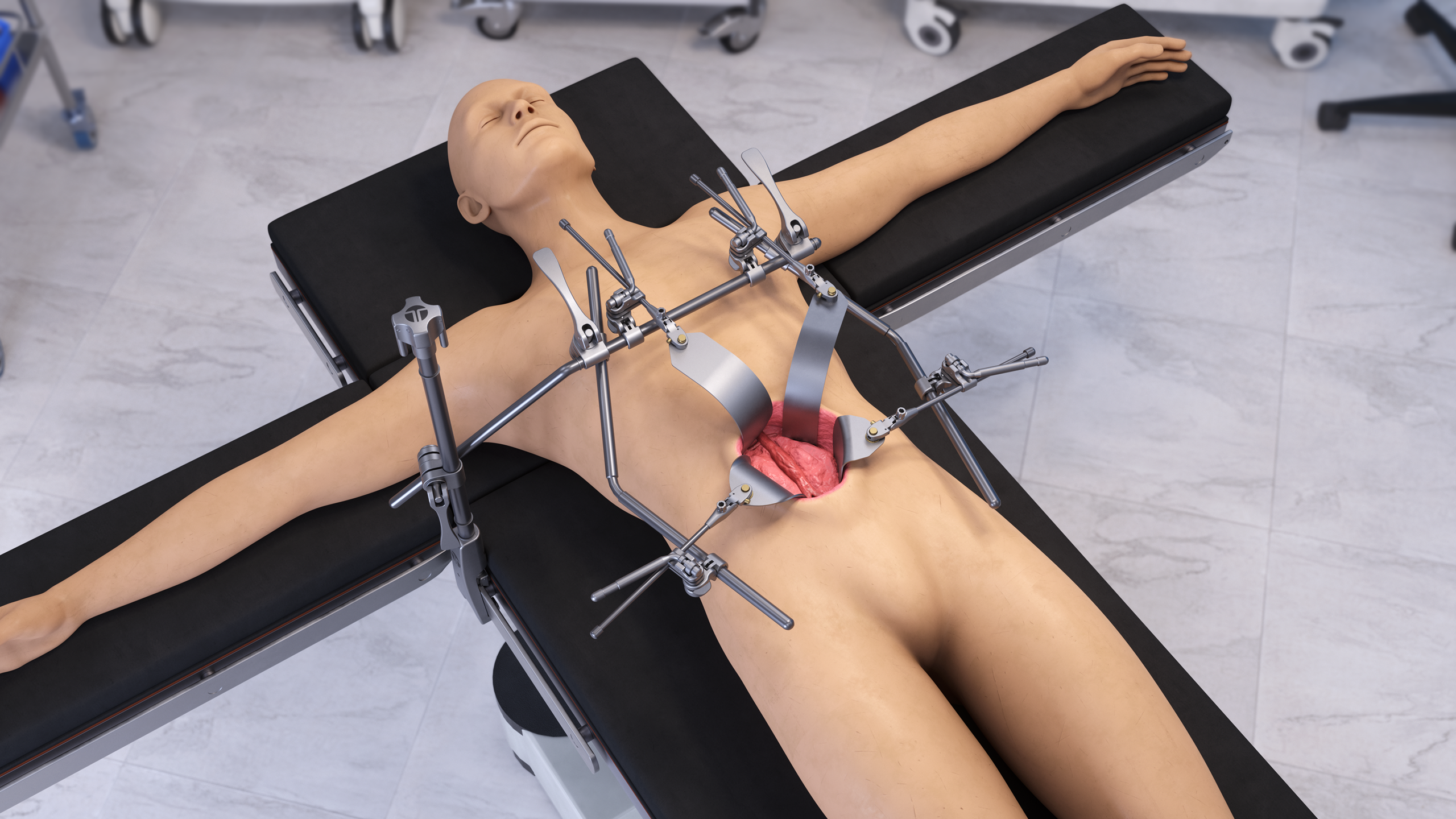
Table-mounted retractors are mechanical systems designed to hold tissue in place without manual assistance. The system anchors directly to the operating table and uses a frame, arms, and blades to create and maintain access.
Core Components
● A railclamp that attaches to the OR bedrail
● Angled arms that position retraction points
● Blade handles and retractor blades that engage tissue
● Locking mechanisms that maintain positioning
How They Function in Oncologic Procedures
Once attached to the table, the frame serves as a stable foundation for the retraction construct. Arms are positioned along the frame to apply directional pull, and blades engage tissue at specific points within the field.
Because the retractor supports multiple independent retraction points, teams can build a controlled, multi-directional setup that maintains exposure without constant adjustment. Individual arms can be repositioned as needed, allowing gradual refinement of access as the procedure progresses.
This structure is especially useful in oncologic resections, where access often extends deep into abdominal or pelvic regions and must remain consistent over time.
Multi-Directional Retraction in Deep Abdominal and Pelvic Fields
Complex oncologic resections rarely stay within a single plane. Access often deepens as dissection progresses, requiring retraction that adapts without compromising visualization or control.
Single-direction retraction limits access in these situations. As tissue is mobilized or exposure shifts, teams must reposition retractors or work with reduced visibility, both of which disrupt workflow.
Table-mounted retractors allow frame arms to be positioned independently around the operative field, enabling:
● Directional pull from multiple angles
● Balanced tissue engagement
● Improved visibility in deep or confined spaces
● Incremental adjustment without disrupting the overall setup
This level of control helps maintain consistent access while reducing the need for repeated repositioning.
What to Evaluate When Selecting a Retractor Set
Choosing a retractor for oncologic procedures depends on how it performs during the case, not just how it sets up.
Depth of Surgical Field
Deep resections require retractor sets that maintain strength and positioning without loss of tension. Support for long blades and stable frame configurations is essential.
Incision Variability
Oncologic procedures vary widely in incision size and location. A retractor set should adapt without requiring a full reconfiguration or additional equipment.
Tissue Load and Retraction Stability
Retraction must remain consistent throughout the case. Sets should resist drift and maintain controlled engagement as tissue tension changes.
OR Footprint
The retractor should provide access without crowding the field. Frame and arm positioning should allow surgeons and assistants to work without obstruction.
Adjustment During the Procedure
Access needs change during oncologic resections. Retractors should allow localized adjustments rather than full repositioning, supporting a continuous workflow.
How Thompson Supports Complex Oncologic Resections
Thompson Surgical Instruments designs table-mounted retractor sets to provide stable, configurable surgical access across a range of procedures, including oncologic resections. The Liver Transplant/Oncology Retractor Set offers table-mounted, modular exposure, allowing surgical teams to configure retraction based on anatomy, depth, and procedural phase.
For abdominal oncology procedures, Thompson provides general open abdominal exposure retraction sets designed for deep access and varied incision strategies. These retractor sets integrate with a broad range of blades and arms, allowing teams to tailor retraction to each case.
To support consistency and training, Thompson also offers retractor setup and workflow videos that demonstrate positioning strategies and practical techniques.
Why Table-Mounted Retractors Support Workflow
Stable, hands-free retraction allows surgical teams to focus on the procedure rather than managing exposure. In long oncologic cases, fewer interruptions and less variability support a more controlled workflow.
These retractors help:
● Maintain consistent visualization
● Reduce reliance on manual retraction
● Limit intraoperative adjustments
● Support precision in deep dissections
When retraction remains stable and adaptable, access stays consistent from initial exposure through closure.
Consistent Retraction Across the Procedure
Complex oncologic resections require retractors that perform consistently from initial exposure through closure. As procedures increase in duration and depth, maintaining stable access supports visualization, control, and efficiency.
Table-mounted retractors provide hands-free stability and multi-directional control. Retractor sets that allow incremental adjustment without full repositioning help teams adapt to changing anatomy while maintaining access.
Thompson Surgical Instruments: Stable Retraction During Complex Surgeries
Thompson Surgical Instruments works directly with surgeons to refine retraction systems based on real procedural demands. Feedback from the field informs frame design, arm articulation, and blade configurations, allowing retractors to evolve alongside surgical techniques. This approach supports improvements in stability, positioning control, and ease of adjustment in complex procedures, with a focus on how systems perform throughout the case.
Thompson Surgical Instruments offers a 30-day free clinical evaluation program, enabling surgical teams to test retractor setups in real cases. Teams can assess blade options and positioning within their workflow, supporting standardization based on actual operating room use.
Stable retraction becomes increasingly important as procedures grow longer and more complex. Thompson Surgical Instruments designs table-mounted retractor sets that maintain consistent surgical access while allowing controlled adjustment throughout the case. Contact us to learn how Thompson supports reliable surgical access with every table-mounted retractor set.
Share:
RingTrack™ vs Wishbone™ Retractor Sets for Lumbar Surgery: What to Compare and Why It Matters
Ring-Style vs. Modular Frame Systems in Open Oncology: How to Choose the Right Architecture