



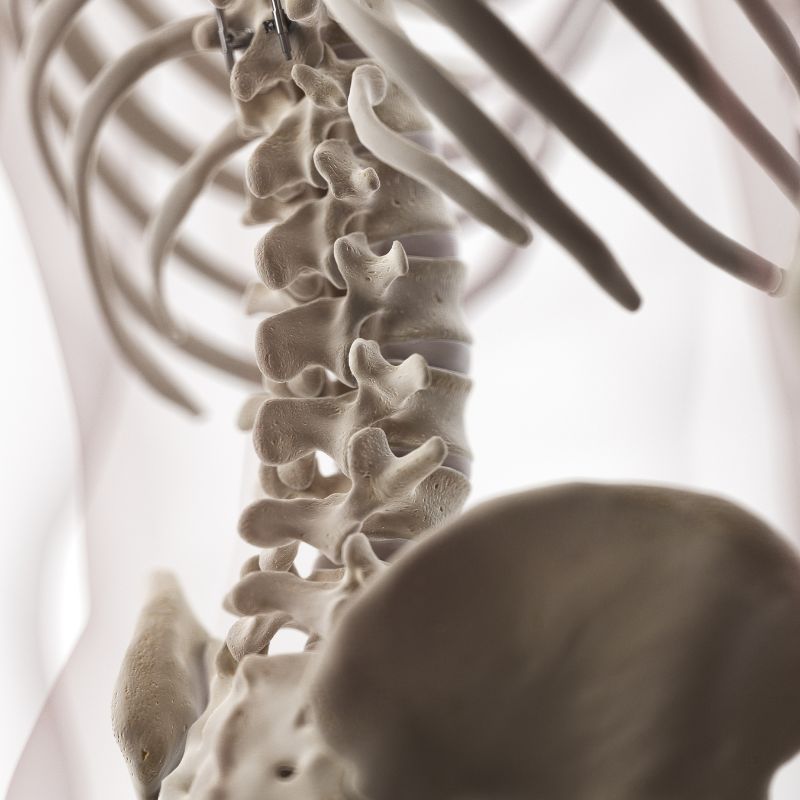
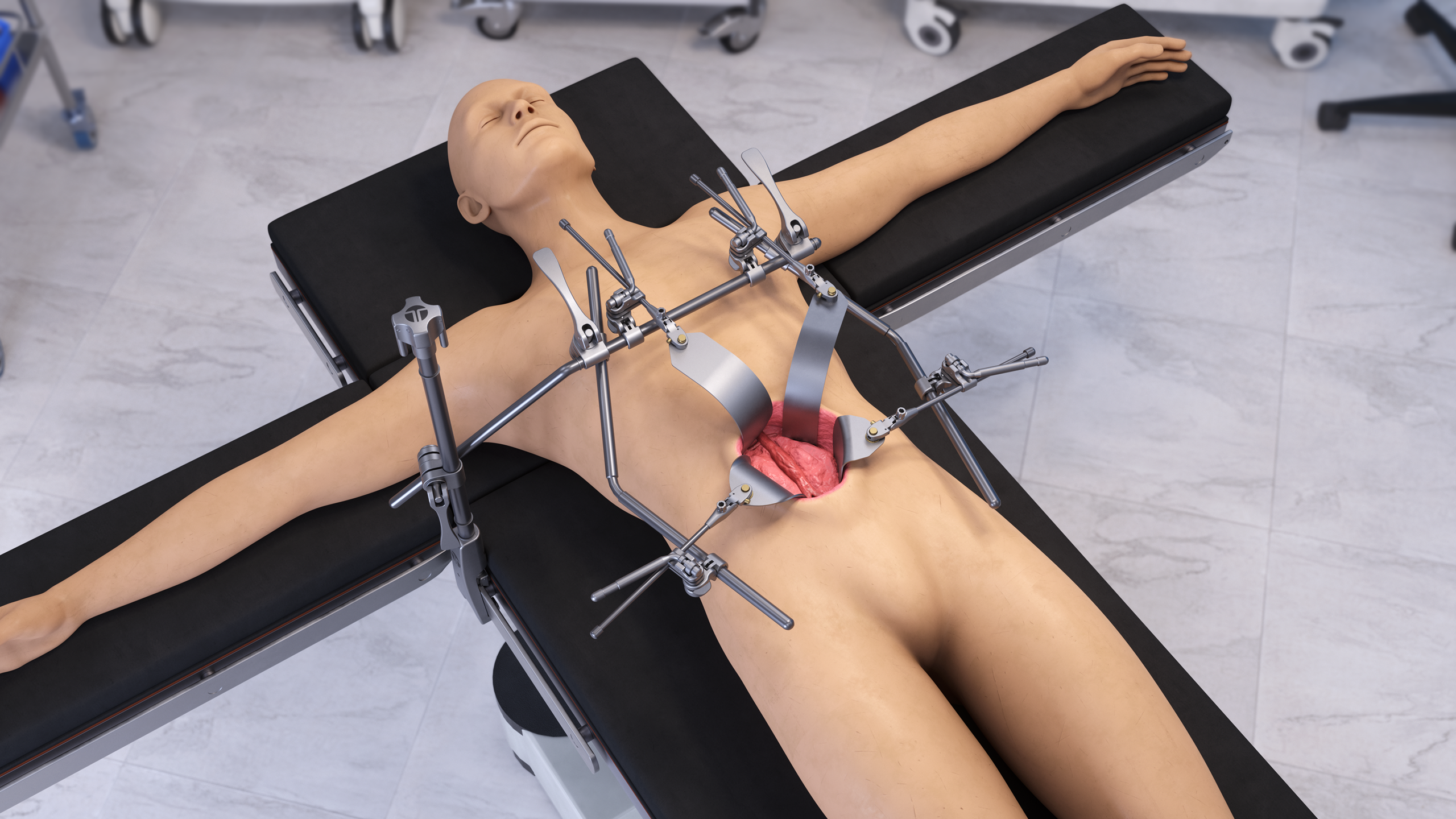
An ALIF table-mounted retractor set should be evaluated as both a clinical exposure tool and an operational workflow decision. The strongest value-analysis case connects anterior lumbar exposure needs with setup repeatability, blade options, lighting, training, sterile processing workflow, and surgeon feedback from representative cases.
Purchase price is only one part of the decision. For surgeons, OR leaders, sterile processing department teams, and value-analysis committees, the more useful question is whether the retractor set supports stable anterior lumbar exposure while fitting the way the facility prepares, uses, reprocesses, and standardizes equipment across cases.
Why ALIF Retractor Purchasing Belongs in Value Analysis
Anterior lumbar interbody fusion procedures involve surgeon preference, access strategy, frame selection, blade compatibility, staff training, and sterile processing requirements. That makes retractor selection a multidisciplinary decision rather than a simple product replacement.
Healthcare value analysis is built around an evidence-based review of products, equipment, technology, and services. In practice, that means an ALIF retractor review should include clinical fit, appropriate use, workflow impact, staff readiness, documentation, and financial value.
For ALIF retraction, the value-analysis conversation should include:
● Procedures supported
● Surgeon exposure preferences
● Frame and blade configurations
● Setup and takedown workflow
● Lighting needs
● Training requirements
● Instructions for Use (IFUs) and documentation
● Sterile processing department workflow
● Trial feedback from representative cases
● Service and support
The goal is to build a case that reflects how the retractor set will be used, not only what it costs.
Start With the Procedures the Set Must Support
A value-analysis case should begin with the clinical scope. An ALIF retractor set may be evaluated for one surgeon, one procedure type, or a broader anterior lumbar program. The more clearly the team defines the intended use, the easier it becomes to evaluate the right configuration.
Questions to define scope include:
● Which ALIF procedures will the retractor set support?
● Which surgeons and access teams will use it?
● Are multiple frame styles being considered?
● Which blade kits are needed for the procedure mix?
● Is LitePath™ illumination part of the exposure strategy?
● Will the set be standardized across one room, one service line, or multiple users?
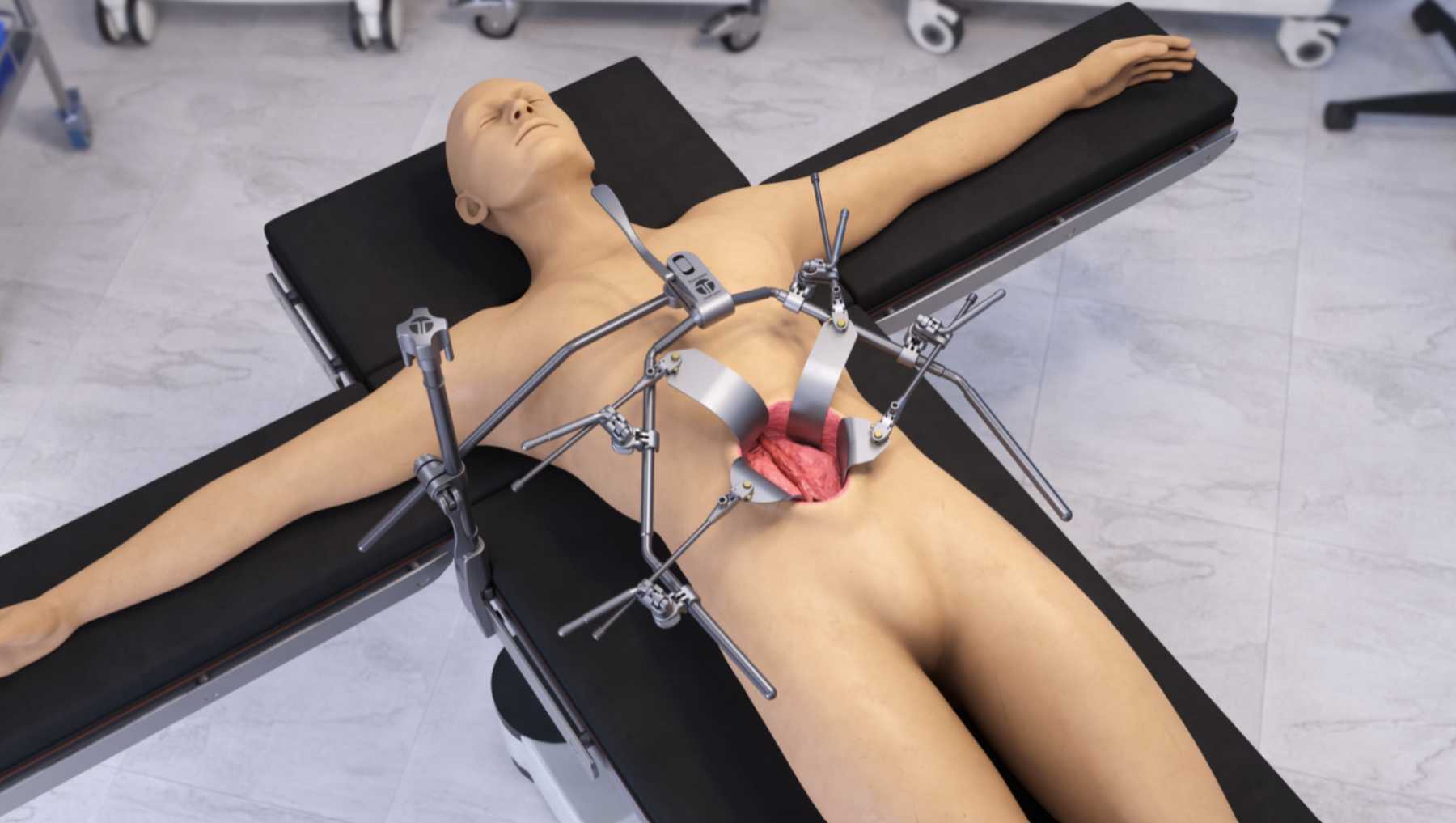
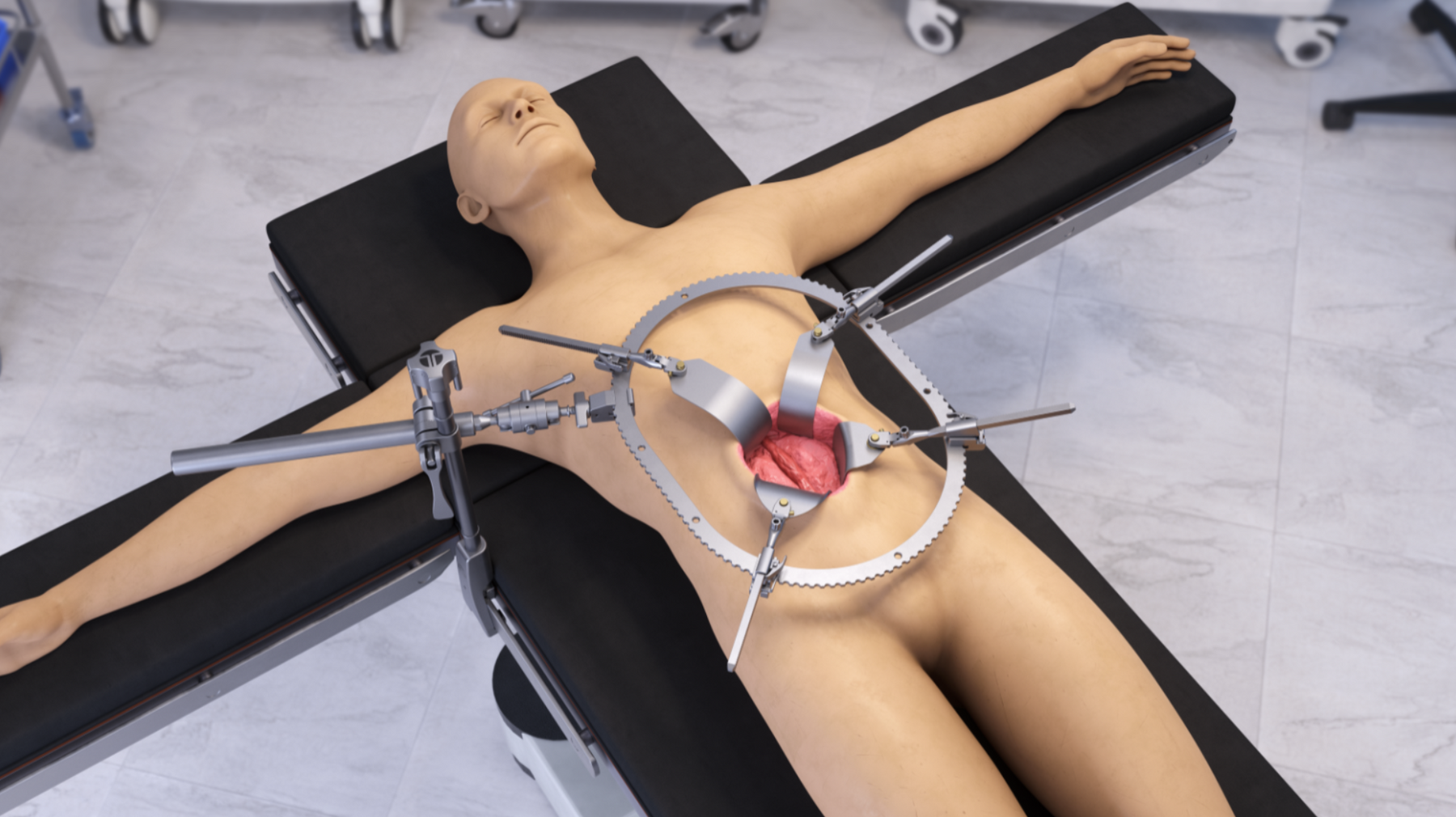
Thompson’s Spine Procedures page includes several anterior lumbar configurations, including Spine Frame, RingFrame, RingTrack®, OneFrame, and Articulating Arm retractor sets. That breadth matters in a value-analysis review because the facility can compare configurations based on exposure strategy, surgeon preference, and workflow requirements.
Compare the Full Configuration, Not Only the Frame
An ALIF table-mounted retractor set includes more than a frame. The complete configuration may include rail clamps, frame components, handles or arms, blade kits, lighting options, documentation, and setup resources.
Value-analysis teams should avoid evaluating the frame in isolation. A retractor set that appears appropriate on product specifications still has to support blade placement, access, visualization, and repeatable setup in the OR.
A complete review should compare:
● Table-mounted frame architecture
● Blade kit options
● Handle or arm positioning
● LitePath™ illumination availability
● Working space around the field
● Setup sequence
● Takedown workflow
● Cleaning and reprocessing requirements Documentation and training support
For ALIF procedures, this comparison should stay close to the exposure strategy. The right frame must work with the right blades, the right lighting options, and the right workflow for the surgical team.
Build the Case Around Cost, Quality, and Outcomes
For hospital purchasing and supply chain teams, value analysis is often framed around cost, quality, and outcomes. AHRMM Value Analysis resources describe product value analysis as supporting informed decisions, organizational culture, patient outcomes, and quality improvement.
For an ALIF table-mounted retractor set, that does not mean making unsupported claims about clinical outcomes, operative time, or complication reduction. It means organizing the business case around measurable and observable decision factors.
A practical value-analysis case can include:
● Procedure fit
● Exposure consistency
● Surgeon feedback
● OR staff setup experience
● Sterile processing department feedback
● Documentation availability
● Training requirements
● Case support during evaluation
● Configuration breadth
● Long-term standardization potential
This gives decision makers a more complete view than price alone. It also helps align clinical and operational stakeholders before standardization.
Include OR and Sterile Processing Workflow
A retractor set that supports exposure still has to work through the full use cycle. Setup, adjustment, takedown, cleaning, organization, and case readiness all affect long-term usability.
The sterile processing department should be involved early because tray organization, cleaning instructions, component count, and documentation affect how consistently the set can move from case to case. Instructions for Use (IFUs) should be reviewed before purchase so teams understand proper handling, cleaning, inspection, and processing requirements.
Thompson Retractor offers Instructions for Use and Documentation (IFUs), anterior lumbar retractor set user manuals, LitePath manuals, OneFrame resources, RingTrack® resources, and Thompson Retractor user manuals. These resources should be part of the value-analysis packet, not an afterthought once the equipment arrives.
Workflow questions should include:
● Can the OR team set up the frame consistently?
● Are the blade kits easy to identify and organize?
● Does the setup preserve working space around the table?
● Does LitePath™ illumination change setup or processing workflow?
● Can the sterile processing department clean and organize the set efficiently?
● Are Instructions for Use and user manuals easy to access?
● What training is available before, during, and after evaluation?
Those details often determine whether a retractor set can be used consistently across cases.
Use a Structured Evaluation Scorecard
A scorecard helps value-analysis teams organize surgeon, OR, sterile processing, and purchasing feedback in one place. It also makes the evaluation more transparent, especially when comparing multiple frame styles or blade configurations.
|
Evaluation Category |
What to Review |
Stakeholders to Include |
|
Procedure fit |
ALIF case types, exposure goals, surgeon preference |
Spine surgeon, access surgeon, OR leader |
|
Frame stability |
Table-mounted positioning, adjustment, working space |
Surgeon, scrub tech, circulator |
|
Blade strategy |
Included blades, optional blades, radiolucent options, Integrated LitePath™ options |
Surgeon, access team, OR staff |
|
Setup workflow |
Assembly, positioning, takedown, repeatability |
Scrub tech, circulator, OR manager |
|
Documentation |
Instructions for Use, user manuals, setup resources |
OR educator, sterile processing department, purchasing |
|
Reprocessing |
Cleaning, inspection, organization, tray workflow |
Sterile processing department, OR leadership |
|
Training |
OR training, sterile processing training, case support |
OR manager, educator, Thompson representative |
|
Trial feedback |
Surgeon experience, staff confidence, workflow notes |
Full evaluation team |
This type of scorecard keeps the review grounded in practical use. It also helps avoid a common value-analysis problem: approving a device based on limited clinical preference without fully documenting implementation requirements.
Apply an Evidence Framework Without Overcomplicating the Review
ECRI’s Value Analysis Best Practices for Navigating the Evidence Maze recommends using an objective evidence framework to bring transparency into value-analysis decisions and emphasizes clinical outcomes and clinical concerns rather than cost alone.
For an ALIF retractor evaluation, that framework can be translated into practical questions:
● Which patients, procedures, and spinal levels are included in the evaluation?
● Which retractor set configuration is being reviewed?
● What current retraction approach is being compared?
● What does the team need to observe during trial cases?
● Over what trial period will feedback be collected?
● In which OR settings will the evaluation occur?
This does not need to become a complicated research project. The value is in making the evaluation structured, consistent, and clinically meaningful.
Run the Clinical Evaluation in Representative Cases
A clinical evaluation gives the team a way to test the spine retractor set in the same environment where it will be used. This is especially important for ALIF procedures because surgeon preference, exposure strategy, blade selection, and room workflow all affect whether a configuration is a good fit.
Thompson offers a 30-day clinical evaluation for U.S. customers. During the trial, Thompson coordinates the retractor set, trains OR and sterile processing department teams, and provides support throughout the evaluation.
A strong trial should include:
● Representative ALIF case types
● Surgeon feedback after use
● Scrub tech and circulator feedback
● Sterile processing department review
● Blade kit assessment
● LitePath™ illumination assessment when applicable
● Setup and takedown notes
● Documentation review
● Final value-analysis summary
The trial should generate enough feedback for the committee to understand whether the retractor set supports the team’s clinical and workflow requirements.
Address Common Value-Analysis Questions
A strong value-analysis packet should answer likely objections before they slow the decision.
“We already have a general retractor.”
A general retractor may support some abdominal exposure needs, but ALIF procedures require a retraction strategy matched to anterior lumbar access. The committee should compare the current setup against the proposed ALIF table-mounted retractor set based on exposure needs, frame positioning, blade options, lighting, setup repeatability, and surgeon feedback.
“Will this require additional training?”
Training should be part of the implementation plan. The value-analysis case should identify who needs training, what resources are available, and whether OR and sterile processing department teams can be trained during the clinical evaluation.
“Will surgeons agree on one setup?”
The evaluation should document surgeon preference rather than assuming one configuration fits every user. Some facilities may standardize around one frame style, while others may need multiple Thompson configurations based on procedure mix and surgeon workflow.
“What proof do we need before standardizing?”
The committee should request trial feedback, documentation, configuration details, blade kit information, training plan, sterile processing department input, and purchasing information. The most useful proof is the combination of product documentation and facility-specific evaluation feedback.
What to Include in the Final Value-Analysis Packet
The final packet should be practical, organized, and easy for clinical and purchasing stakeholders to review.
Include:
● Summary of the clinical need
● Procedures and surgeons included in the review
● Current-state retraction challenges
● Proposed Thompson configuration
● Frame and blade kit details
● Integrated lighting or illumination needs
● Instructions for Use (IFUs) and user manuals
● Training plan
● Sterile processing department review
● Trial feedback scorecard
● Purchasing and quote details
● Recommendation for standardization or further evaluation
This creates a clear decision path. It also helps the committee compare the retractor set on the factors that matter most to the facility.
ALIF Table-Mounted Retractor Set Evaluation
Building a value-analysis case for an ALIF table-mounted retractor set requires more than a product comparison. The strongest review connects exposure strategy, frame and blade configuration, lighting, setup repeatability, documentation, training, sterile processing workflow, and trial-based surgeon feedback. When those elements are reviewed together, the committee can make a more informed decision about clinical fit and long-term usability.
Thompson Surgical Instruments has spent more than 60 years refining table-mounted retraction systems for stable, hands-free surgical exposure. Our employee-owned team supports surgeons and OR teams with anterior lumbar configurations, blade kit options, LitePath™ illumination, documentation, training, and clinical evaluation support. Contact us today to learn more about evaluating an ALIF table-mounted retractor set.
Share:
ALIF Retractor Set Selection: RingFrame, RingTrack, OneFrame, Spine Frame, or Articulating Arm?
Self-Retaining vs. Table-Mounted Retractors for Liver Transplant Surgery: What Changes With Exposure?