



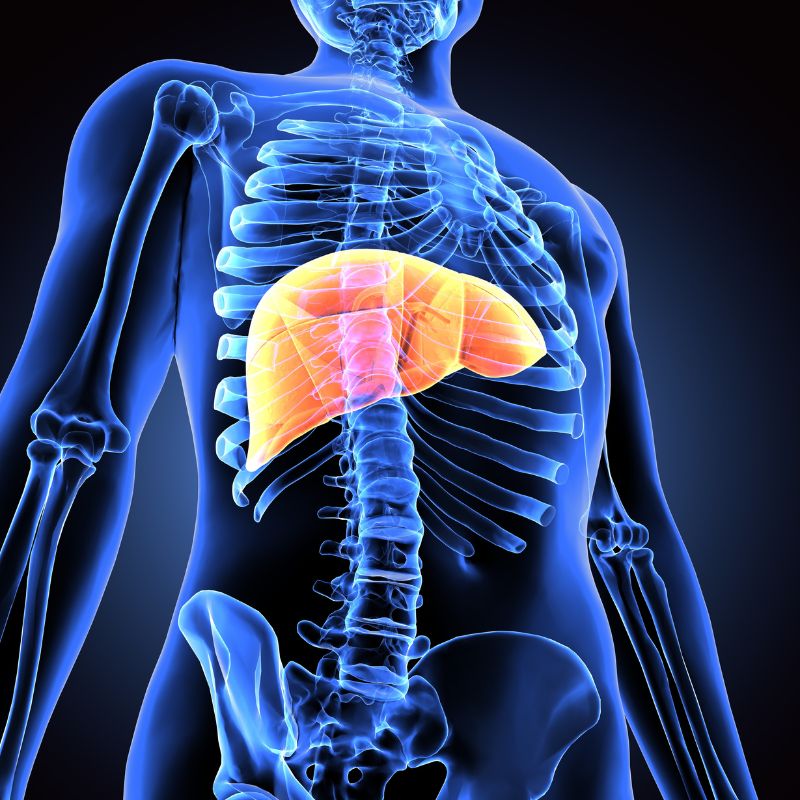
Evaluating a liver transplant retractor requires a review of both surgical exposure and operating room workflow. Surgeons need to know whether the retractor set supports stable access, independent blade positioning, and usable working space during complex open liver procedures. Value-analysis teams need clear criteria for comparing clinical fit, setup repeatability, sterile processing workflow, training, support, and long-term use.
A liver transplant retractor should be assessed in the environment where it will be used. Product specifications can narrow the options, but representative cases give the team a clearer view of how the frame, blades, handles, setup sequence, and staff workflow perform together.
Why Liver Transplant Retractor Evaluation Requires Procedure-Specific Criteria
Liver transplant surgery places unique demands on retraction. The operative field is broad and deep, exposure requirements may change during the case, and the setup must preserve working space for instrumentation, visualization, assistants, and surgeon-directed adjustment.
A general capital equipment review may miss those details. A procedure-specific evaluation looks at how the retractor set supports the clinical and operational demands of open liver surgery.
Surgeons, operating room leaders, and value-analysis teams should review:
● Stable hands-free exposure
● Multi-planed retraction
● Independent blade control
● Broad upper-abdominal access
● Working space around the operative field
● Adaptability as exposure requirements change
● Setup repeatability for the operating room team
● Sterile processing department workflow
● Documentation, training, and support
This gives the committee a practical basis for comparison beyond purchase price or product familiarity.
Start With the Exposure Strategy
The first evaluation question should be surgical: does the retractor set support the exposure strategy required for liver transplant surgery?
The answer depends on procedure type, incision, patient anatomy, body habitus, working depth, surgeon preference, and the areas of the field that need to remain accessible. In complex open liver procedures, the retractor set must do more than hold the incision open. It should support stable access while allowing the team to adjust the field as the procedure progresses.
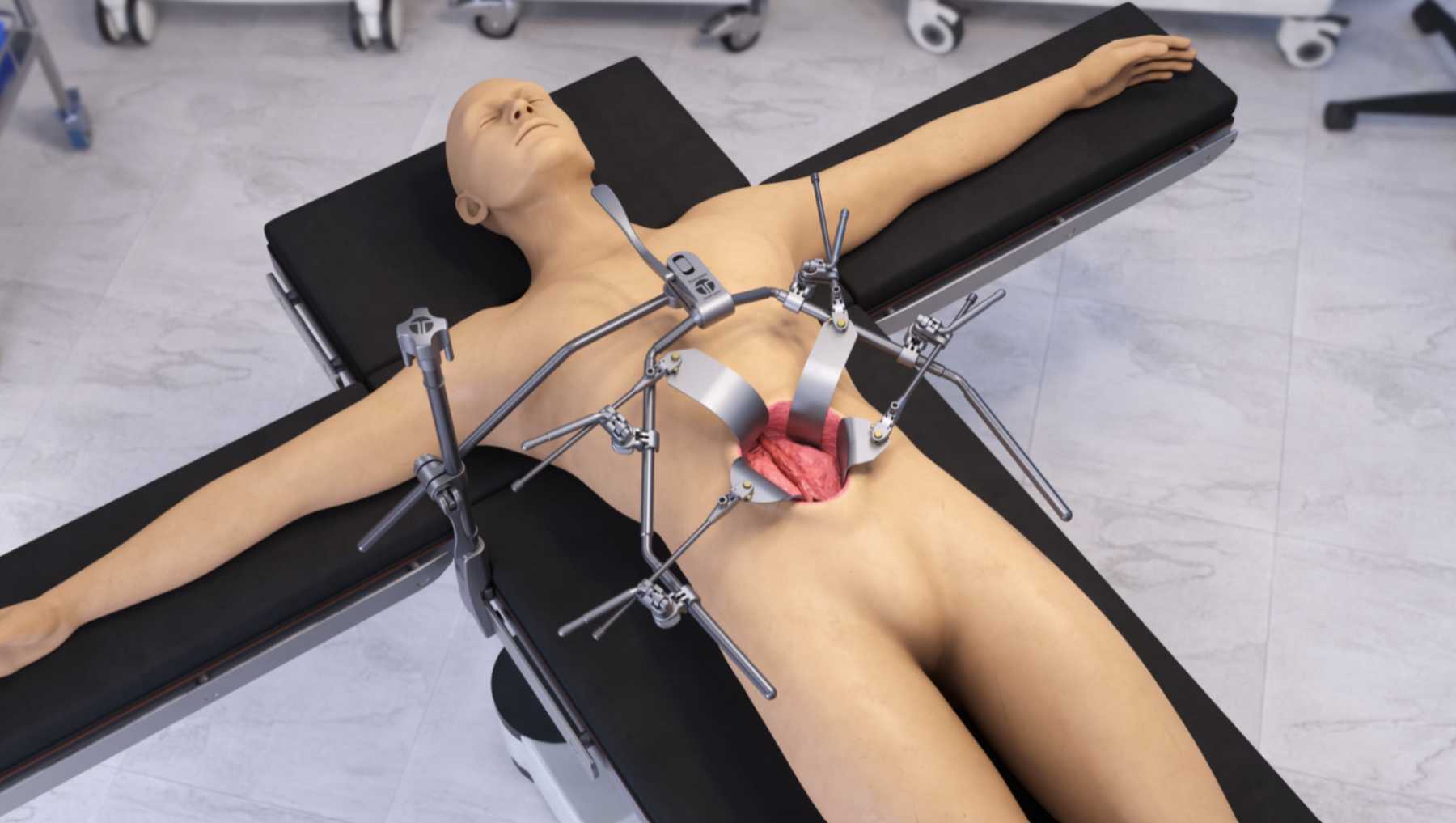
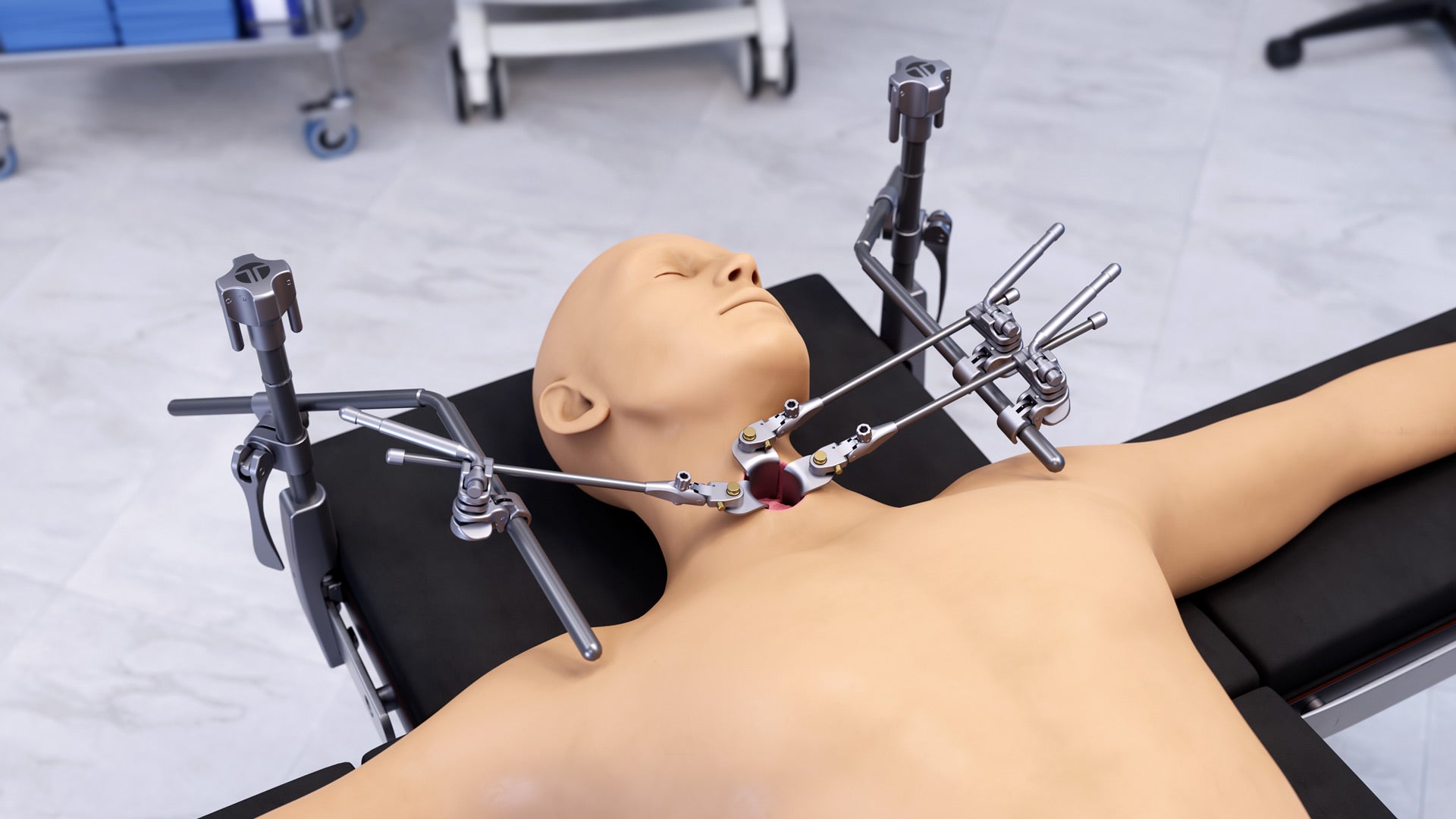
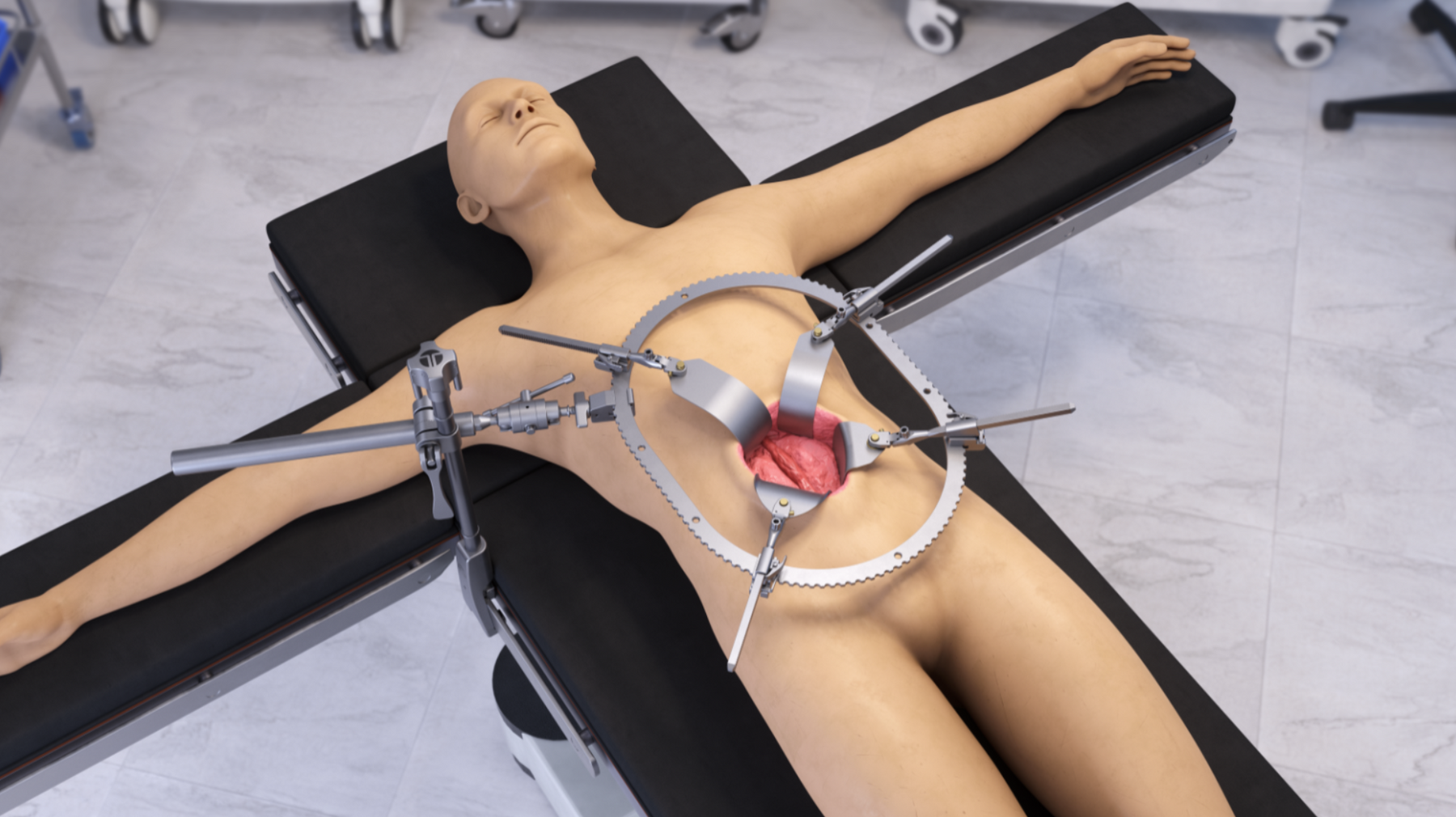
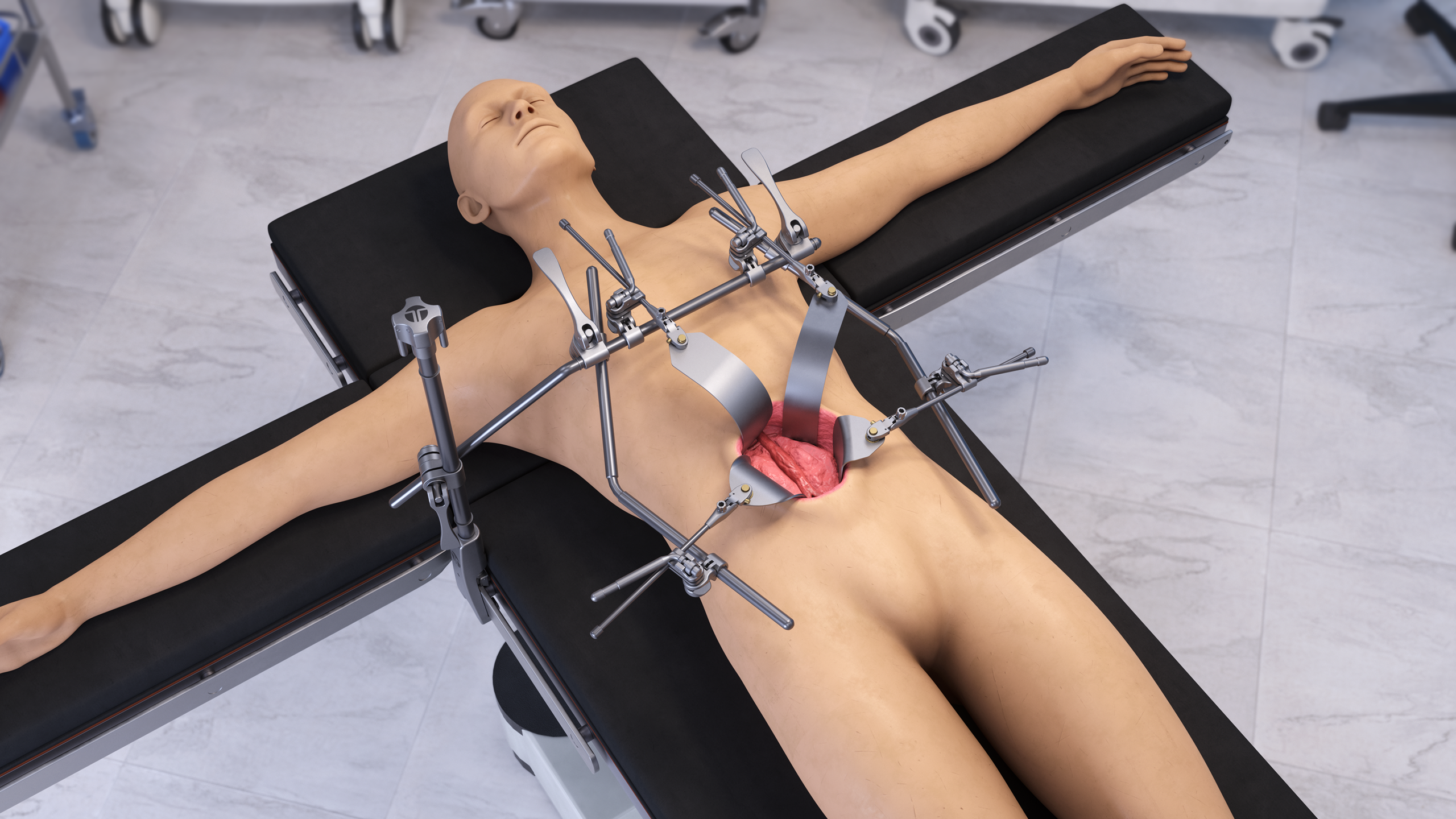
Thompson’s Liver Transplant/Oncology Retractor Set is designed for liver transplants, liver resections, oncology, obesity, and complex abdominal cases. Its bilateral table-mounted frame supports stable, versatile retraction with broad blade selection and multi-planed exposure for large and changing operative fields.
During evaluation, the surgical team should document how well the setup supports the planned exposure, how the blades can be positioned around the field, and whether the frame leaves enough working space for the case.
Evaluate Frame Stability During the Case
Frame stability should be assessed during use, not just during setup. A table-mounted retractor set anchors to the operating room table and provides an external foundation for maintaining exposure.
For liver transplant cases, the team should observe how the frame holds established exposure under sustained retraction. The review should capture whether blade position remains stable, whether adjustments feel controlled, and whether the setup continues to support working space as the case progresses.
Useful questions include:
● Does the frame maintain stable exposure over time?
● Does the setup support deep upper-abdominal access?
● Are adjustments controlled and predictable?
● Does the frame preserve instrument access and surgeon movement?
● Does the setup support exposure through different phases of the case?
These observations are more useful than a general statement that a retractor is stable. They give the surgeon and value-analysis committee specific details to review.
Evaluate Blade Positioning and Adjustment
Blade positioning determines how exposure is shaped. In liver transplant surgery, the surgeon may need to refine one area of the field while preserving access elsewhere.
Independent blade control should be part of the evaluation. The team should assess how each blade attaches, positions, locks, swivels, angles, or adjusts with the selected frame and blade kit.
Evaluation questions may include:
● Can individual blades be adjusted without disrupting the full setup?
● Does the blade kit match the anatomy, depth, and body habitus?
● Does the setup support multiple retraction directions?
● Can the surgeon refine exposure locally as access requirements change?
● Are the blade options appropriate for the facility’s liver transplant and oncology case mix?
The liver transplant retractor setup discussion provides additional context for setup, exposure stability, blade positioning, workspace, staff training, and reprocessing workflow in complex open liver cases.
Evaluate Working Space Around the Field
Exposure must remain usable. A retractor can hold tissue away from the field and still create workflow issues if the frame, handles, or blade positions crowd the working area.
A liver transplant retractor evaluation should include both the surgeon’s perspective and the operating room team’s perspective. Scrub and circulating staff may notice setup issues, access concerns, or component workflow details that are not obvious from the surgeon’s side of the field.
Working-space criteria should include:
● Surgeon sight line
● Instrument access
● Assistant positioning
● Handle placement
● Frame position around the patient
● Access to deep upper-abdominal structures
● Movement around the operating room table
The question is whether the exposure remains stable, accessible, and workable during the procedure.
Evaluate Setup Repeatability and Team Readiness
A liver transplant retractor set has to work for the surgeon and for the team that prepares it. Setup repeatability should be part of every value-analysis review because the equipment must be assembled, positioned, adjusted, taken down, processed, and returned to case readiness consistently.
Operating room teams should review:
● Setup sequence
● Component identification
● Preference card accuracy
● Blade kit organization
● Pre-case component checks
● Staff familiarity
● Training requirements
● Case-readiness workflow
Preference cards should identify the frame setup, blade kit, rail clamp placement, handle options, and surgeon-specific configuration notes. That documentation helps staff prepare the set consistently while preserving the surgeon’s ability to adjust exposure based on the case.
Include Sterile Processing Department Workflow
The sterile processing department should be included before a final recommendation is made. A multi-component table-mounted retractor set depends on clear organization, proper cleaning, inspection, and reliable return to case readiness.
Sterile processing department teams should review:
● Component count
● Tray organization
● Disassembly and reassembly workflow
● Cleaning requirements
● Inspection points
● Reprocessing documentation
● Storage process
● Case-readiness checks
● Replacement or service needs
Thompson retractor user manuals should be part of the evaluation packet. Instructions for use, user manuals, and related documentation help operating room and sterile processing teams understand handling, cleaning, inspection, and processing requirements before the retractor set is standardized.
Build a Liver Transplant Retractor Evaluation Scorecard
A scorecard gives surgeons and value-analysis teams a shared way to compare retractor options. It should be used during trial cases as a working evaluation tool, not as a prefilled ranking.
|
Evaluation Category |
What to Observe |
Notes to Capture |
|
Exposure stability |
How well the retractor maintains established exposure |
Record adjustment needs and surgeon comments |
|
Blade positioning |
Whether blades can be positioned and refined independently |
Note blade fit, angle, and compatibility |
|
Working space |
Whether the setup preserves instrument access and sight line |
Include surgeon, assistant, and staff feedback |
|
Setup consistency |
Whether staff can reproduce the setup |
Track setup sequence and training needs |
|
Component organization |
Whether parts are easy to identify and prepare |
Include operating room and sterile processing feedback |
|
Cleaning and reprocessing |
Whether the workflow is clear and practical |
Review instructions for use and user manuals |
|
Training requirements |
What education is needed for adoption |
Include operating room and sterile processing department training |
|
Service and support |
What support is available before and after purchase |
Include evaluation support and service information |
|
Surgeon feedback |
Whether the setup supports the preferred exposure strategy |
Document comments from representative cases |
|
Value-analysis fit |
Whether the set supports the facility’s clinical and workflow needs |
Summarize final recommendation criteria |
This type of scorecard helps the committee compare the retractor set based on actual use. It also gives surgeons a clear way to explain preference in terms the full committee can evaluate.
Translate Surgeon Preference into Measurable Criteria
Surgeon preference is important in liver transplant surgery. The value-analysis process should document that preference in a way that can be reviewed, repeated, and supported by the operating room team.
Useful preference details include:
● Preferred blade angle
● Preferred frame position
● Working space around the field
● Ability to adjust one area of exposure
● Depth of access
● Visibility in a specific part of the field
● Comfort with the setup sequence
● Need for specific blade options
These details help the committee understand why one configuration supports the procedure better than another. They also help operating room teams build accurate preference cards and training plans.
What Evidence Belongs in the Final Value-Analysis Submission
Healthcare value analysis is built around evidence-based review of products, equipment, technology, and services. The Association of Healthcare Value Analysis Professionals describes value analysis as a systematic approach to healthcare product review and selection, while AHRMM frames product selection around informed decisions that balance cost, quality, and outcomes.
For a liver transplant retractor, the final submission should connect those value-analysis principles to the facility’s own evaluation.
Include:
● Procedure scope and case mix
● Current retraction setup and limitations
● Proposed liver transplant retractor configuration
● Frame and blade kit details
● Trial case observations
● Surgeon feedback
● Scrub and circulating staff feedback
● Sterile processing department feedback
● Setup and training requirements
● Instructions for use and user manuals
● Service and support details
● Quote and acquisition information
● Final recommendation and rationale
A strong submission gives the committee a complete view of clinical fit and workflow fit. It should be clear enough for surgeons, supply chain, sterile processing, and operating room leadership to review without having to translate technical preference into operational impact.
Use a Clinical Evaluation to Confirm Fit
The best liver transplant retractor evaluation happens in the facility’s own operating room, with the surgeons and staff who will use the equipment. A clinical evaluation gives the team time to assess the frame, blades, setup sequence, staff workflow, and documentation before making a long-term decision.
A 30-day clinical evaluation allows U.S. customers to assess a Thompson retractor set in their own facility. Thompson coordinates the appropriate set, trains operating room and sterile processing department teams, and provides support during the evaluation.
During the evaluation, teams should capture feedback while the details are fresh. Surgeon notes, scrub and circulating staff input, sterile processing review, setup observations, and documentation review all help build a more useful final recommendation.
Liver Transplant Equipment Evaluation
Liver transplant equipment evaluation should turn exposure requirements into practical review criteria. The committee should consider how the retractor set supports stable exposure, independent blade positioning, working space, setup repeatability, sterile processing workflow, training, service support, and value-analysis documentation. When those factors are reviewed during representative cases, surgeons and hospital teams have a clearer basis for selecting the retractor set that fits their liver transplant program.
Thompson Surgical Instruments has spent more than 60 years refining table-mounted retraction systems for stable, hands-free surgical exposure. Our employee-owned team supports surgeons and OR teams with liver transplant and oncology configurations, broad blade options, training, clinical evaluation support, and long-term service. Contact us today to learn more about evaluating a liver transplant retractor.
Share:
Liver Transplant Retractor Design: Features That Help Preserve the Surgical Field