



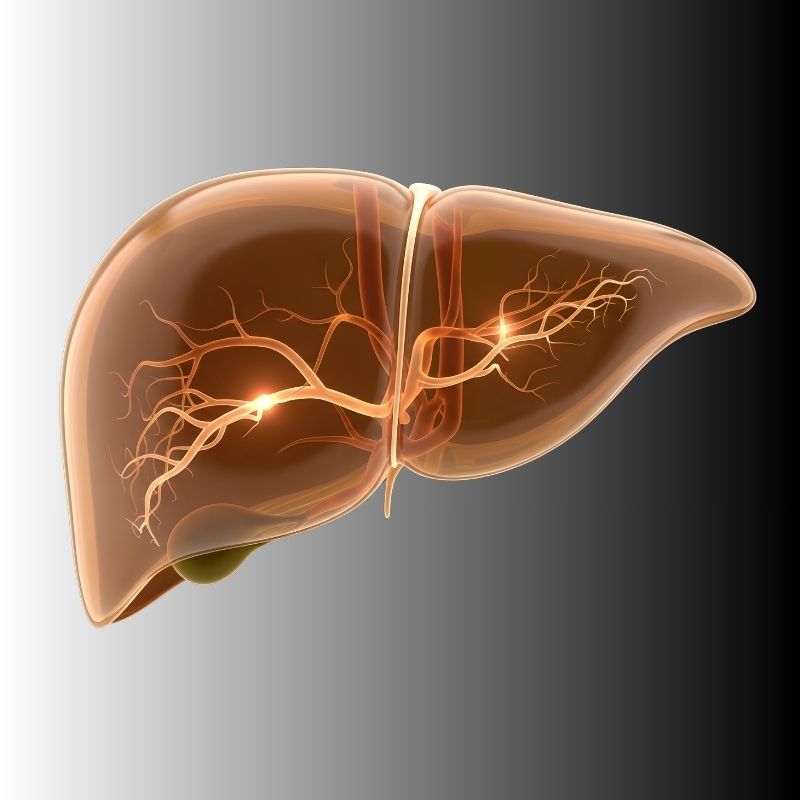
A Whipple procedure requires retraction that can support deep upper-abdominal exposure through multiple phases of surgery. Surgeons choosing a Whipple retractor set should consider table-mounted stability, multi-planed blade positioning, working space, procedure-specific blade options, and whether the setup can adapt as exposure needs change during pancreaticoduodenectomy.
The Whipple procedure, also called pancreaticoduodenectomy, is one of the most complex open abdominal procedures. It may involve work around the pancreas, duodenum, bile duct, stomach, liver, and nearby vascular structures. Retraction has to do more than hold tissue away from the field. It must support consistent access as the surgical team moves through resection, reconstruction, and changing upper-abdominal exposure needs.
Why Whipple Procedures Challenge Retractor Selection
A Whipple procedure is not a single-exposure operation. The surgical team may need to work across deep anatomy, adjust focus throughout the case, and maintain access while moving between different phases of the procedure. Exposure that works early in the case may need to be refined as anatomy is mobilized and reconstruction begins.
For surgeons evaluating a Whipple retractor set, the practical question is how well the setup supports stable upper-abdominal exposure, controlled blade positioning, and access throughout the case. The retractor set should help maintain exposure without forcing the team to repeatedly rebuild the field.
Common retraction demands during Whipple procedures include:
● Deep upper-abdominal exposure
● Access around pancreatic, biliary, gastric, and vascular anatomy
● Stable positioning through a long procedure
● Exposure that can adapt between resection and reconstruction
● Working space for instruments, assistants, and visualization
A Whipple retractor set should support the surgeon’s exposure strategy while fitting naturally into the OR team’s workflow.
What a Whipple Retractor Set Needs to Support
Whipple retractor selection should begin with the procedure’s exposure demands. Frame configuration, blade options, and adjustment control all matter because the case can require several different access angles over time.
Stable Table-Mounted Exposure
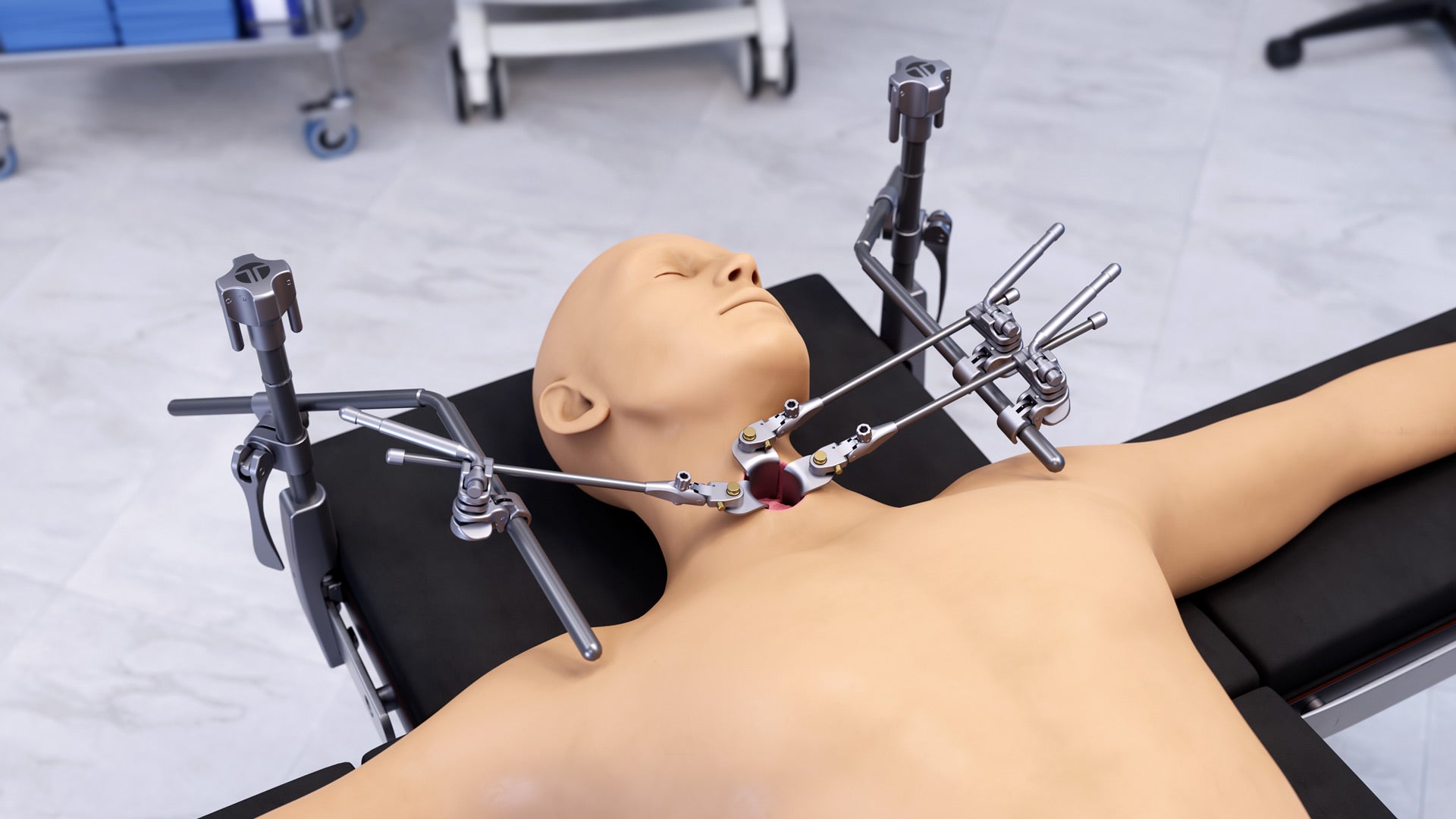
Table-mounted retractor sets attach to the operating room bed rail to provide a stable foundation for hands-free retraction. In Whipple procedures, that stability helps the team maintain exposure while working through deep upper-abdominal anatomy.
A table-mounted setup gives the team a stable foundation for exposure, alleviating the strain of manual retraction during a long procedure.
Multi-Planed Retraction
Whipple procedures often require retraction from multiple directions. The surgeon may need to work around the liver, stomach, duodenum, pancreas, bile duct, and vascular structures as the case progresses. A table mounted retractor set for complex liver procedures should support controlled exposure from more than one angle.
Multi-planed retraction is especially important when exposure needs change between resection and reconstruction. The setup should allow the surgeon to refine access without disrupting other areas of the operative field.
Controlled Blade Positioning
Blade control matters because a Whipple procedure can involve narrow working corridors and deep exposure. The team may need to adjust one blade while keeping the rest of the exposure stable.
Independent blade positioning helps support this type of control. Instead of treating the retractor as one fixed setup, the surgeon can refine exposure based on the phase of the case and the anatomy in view.
Working Space Around the Field
A retractor set should help create exposure without crowding the operative field. In a Whipple procedure, working space matters for instruments, assistants, visualization, and the surgeon’s preferred approach.
Frame placement, handle position, blade angle, and setup profile all affect how usable the field feels during the case. A stable setup is only helpful if the surgical team can work comfortably around it.
Procedure-Specific Blade Fit
Blade selection should be part of Whipple retractor planning. Blade length, shape, and angle should match the depth of the field, patient anatomy, incision strategy, and exposure goals.
The goal is not to use more blades than necessary. The goal is to choose blade options that support controlled access while preserving visibility and working space throughout the procedure.
Table-Mounted vs. Manual Retraction in Whipple Procedures
Manual retraction still has a role in open abdominal surgery. Assistants may help refine exposure, manage tissue, or support specific moments during the procedure. The issue is whether the case should depend on continuous manual holding as the primary exposure strategy.
A table-mounted Whipple retractor set provides hands-free exposure that can remain in place while the surgical team works. This can help maintain a more consistent field and reduce the need for repeated repositioning during long or complex phases of the case.
For OR leaders and surgical teams, the value is practical. A stable table-mounted setup can support exposure, workflow, and team consistency when the procedure requires sustained upper-abdominal access.
Thompson Whipple HPB Retractor Set for Multi-Planed Exposure
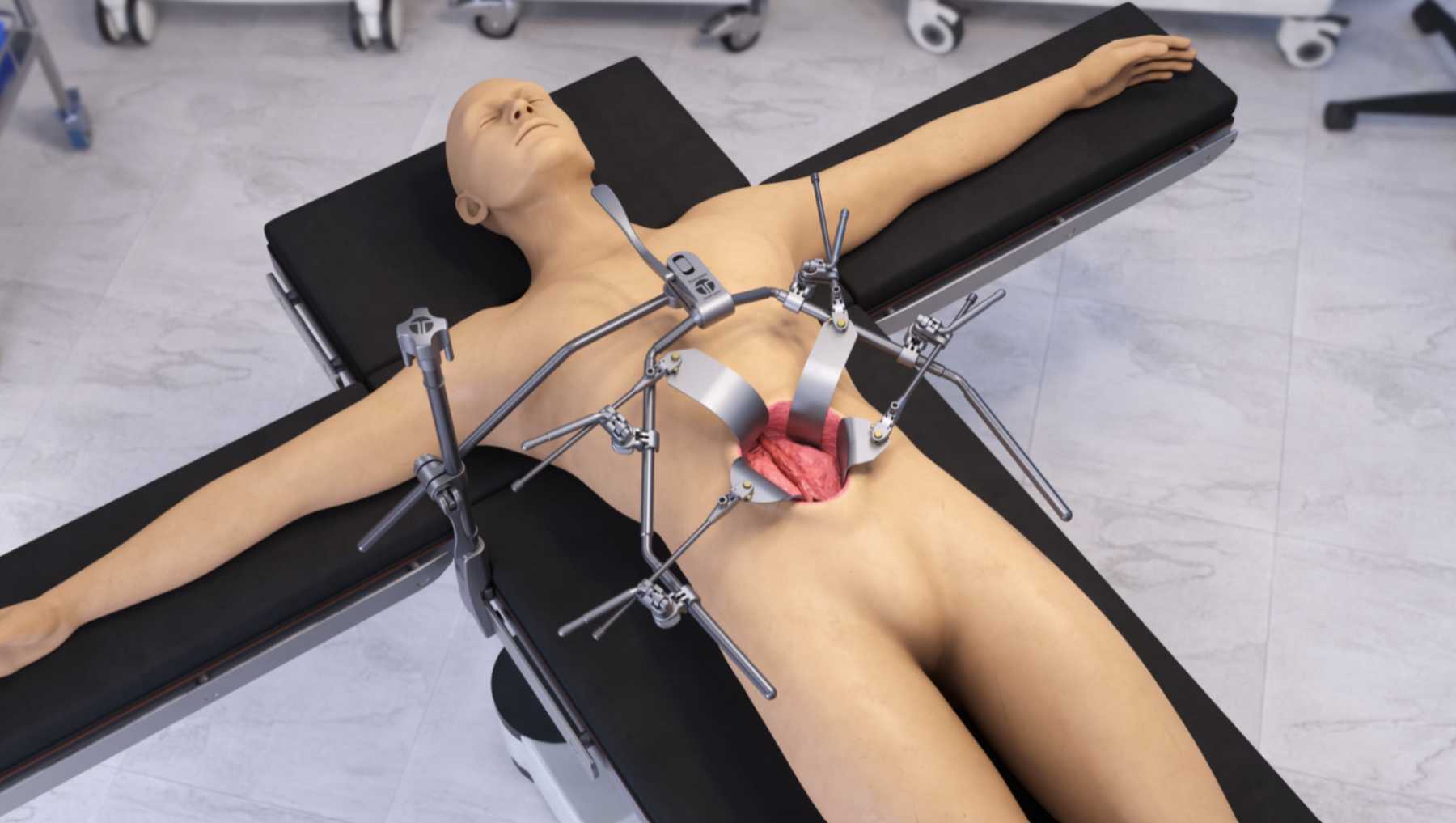
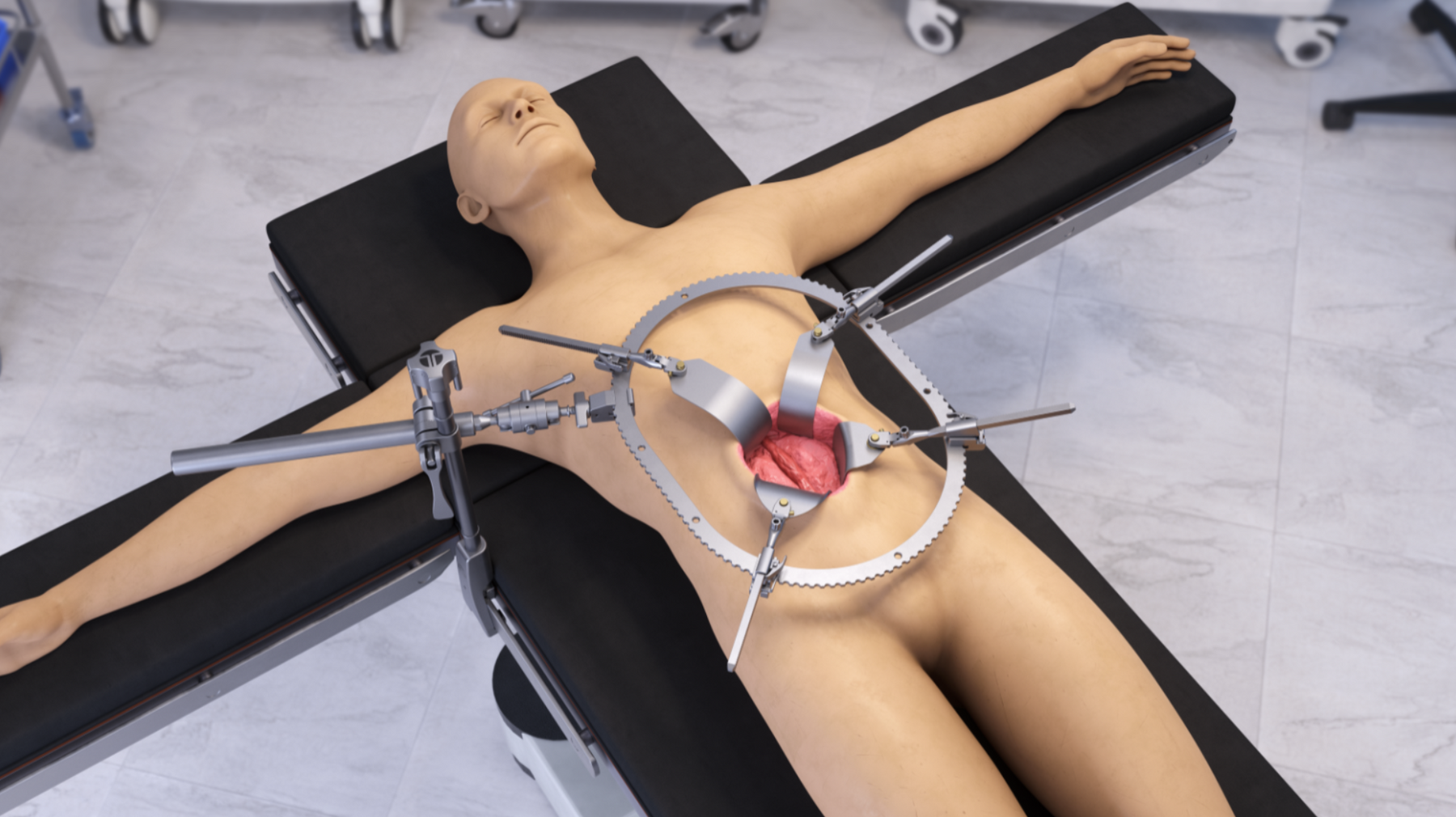
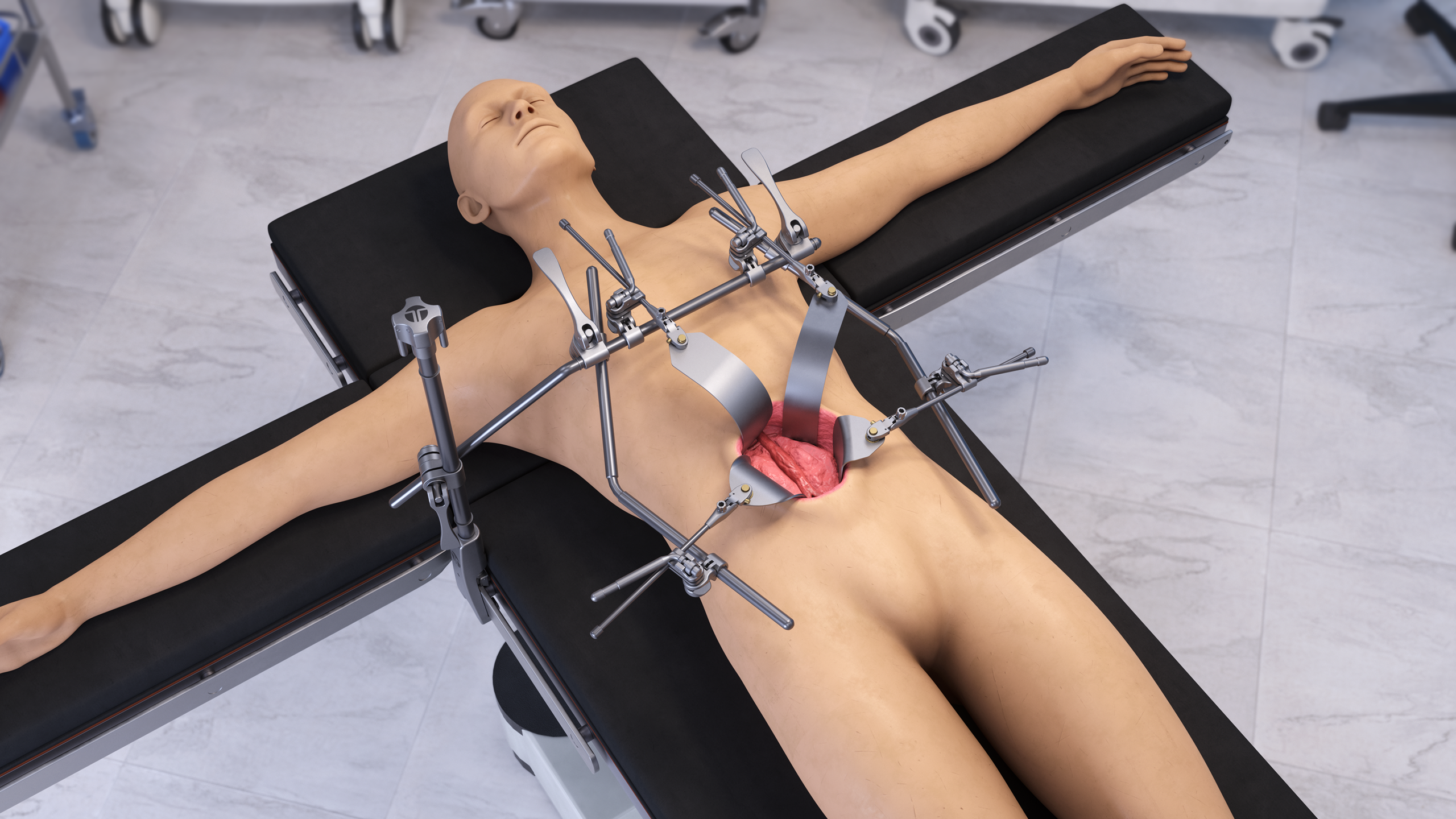
The Whipple HPB Retractor Set combines Thompson’s Liver/Oncology Retractor with a Lower Abdominal Bar setup and Whipple blade kit. This table-mounted configuration supports stable, versatile, multi-planer retraction for complex Whipple procedures.
For pancreaticoduodenectomy cases, that combination gives the surgical team a stable foundation for changing upper-abdominal exposure needs. The Lower Abdominal Bar setup supports the frame configuration, while the Whipple blade kit provides procedure-specific blade options for access around deep pancreatic, biliary, gastric, and vascular anatomy.
This configuration helps surgeons maintain controlled exposure as the case moves through resection, reconstruction, and adjustment of the operative field. It brings the frame, bar setup, and blade kit together as one Whipple-focused retraction strategy rather than a general abdominal setup.
How Whipple Retraction Differs from General HPB Retraction
Whipple procedures fall within HPB surgery, but they are not the same as every hepatobiliary or pancreatic case. A broader HPB Retractor Set may support liver, biliary, and pancreatic procedures, while a Whipple configuration is built around pancreaticoduodenectomy exposure needs.
That distinction matters for clinical evaluation and product selection. A general HPB retractor conversation may focus on deep hepatobiliary access, radiolucent blade options, or broader liver and pancreatic exposure. A Whipple retractor set conversation should focus more directly on upper-abdominal access through resection and reconstruction, multi-planar control, and the specific blade configuration needed for the procedure.
For teams that perform a range of HPB cases, the best approach may be to evaluate both broader table-mounted retractor sets for liver procedures and the Whipple-specific configuration. The right choice depends on procedure mix, surgeon preference, and how the team wants to standardize setup across cases.
Questions to Ask Before Standardizing a Whipple Retractor Set
Before standardizing a Whipple retractor set, surgeons and OR leaders should evaluate both exposure and workflow. The best setup on paper still has to work in the OR.
Useful questions include:
● Does the setup support deep upper-abdominal exposure?
● Can the surgeon adjust blade position without disrupting the rest of the field?
● Does the frame preserve working space for instruments and assistants?
● Does the blade kit match the team’s Whipple approach?
● Can scrub techs and circulators set it up consistently?
● Can SPD teams process and organize the components efficiently?
● Can the team evaluate the setup in real Whipple cases before committing?
These questions keep the decision focused on procedure fit, not just product preference.
Evaluate the Whipple Retractor Set in Your OR
A Whipple retractor set should be evaluated in the same type of environment where it will be used. That means looking at setup, exposure, adjustment, working space, and team familiarity during representative cases.
Thompson offers a 30-day clinical evaluation with OR and SPD training and case support for U.S. customers. This gives surgical teams a way to assess the Whipple HPB Retractor Set in their own facility before making a long-term decision.
During the evaluation, teams should pay attention to how quickly the setup becomes familiar, whether the frame and blade positions support the surgeon’s workflow, and whether the system can be repeated consistently across cases.
Choosing a Whipple Retractor Set for Complex Upper-Abdominal Exposure
A Whipple retractor set should support stable exposure, multi-planar blade control, and working space throughout pancreaticoduodenectomy. It should also fit the OR team’s setup process, reprocessing workflow, and surgeon preference.
For complex open Whipple procedures, table-mounted retraction provides a stable foundation that can be configured around the case. The right setup should help the team maintain controlled exposure as the procedure moves through resection, reconstruction, and changing upper-abdominal access needs.
Thompson Surgical Instruments has spent more than 60 years refining table-mounted retraction systems for stable, hands-free surgical exposure. Our employee-owned team supports surgeons with procedure-specific configurations for complex HPB and Whipple procedures. Contact us to learn more about choosing a Whipple retractor set.
Share:
Surgical Retractor Set Cost: How Value-Analysis Committees Should Evaluate Liver Surgery Exposure
HPB Surgery Retractors: Matching Retraction to Open and Laparoscopic Procedures