




Retractors for long TAAA surgeries must maintain stable surgical access across the thoracic and abdominal phases without repeated re-adjustment. A table-mounted retractor set is commonly selected because it provides hands-free stability, multi-planar control, and dependable performance in deep operative fields. Buyers should evaluate frame rigidity, arm adjustability, blade ecosystem, OR footprint, and turnover considerations before standardizing a retractor set.
Thoracoabdominal Aortic Aneurysm (TAAA) repair places sustained mechanical demands on retraction systems. These procedures often span multiple anatomical regions and require consistent surgical access for extended operative durations. Selecting retractors for long TAAA surgeries is less about initial setup convenience and more about how well a system maintains stability, reach, and workflow continuity once the case is underway.
A structured evaluation approach helps surgical teams and hospitals identify options built for long-duration vascular procedures rather than short, isolated exposures.
Buyer’s Evaluation Framework for Long TAAA Retraction
When evaluating tho, decision-makers should assess retractor sets across five core categories:
- Frame Rigidity – Stability under sustained retraction
- Arm Adjustability – Multi-planed control and precision positioning
- Blade Ecosystem – Reach, contouring, locking behavior, and configuration flexibility
- OR Footprint & Workflow Impact – Working space preservation and team mobility
- Turnover & Sterile Processing Considerations – Cleaning, inspection, and case-readiness consistency
Each factor affects how well a table-mounted system performs across both thoracic and abdominal phases of extended vascular procedures.
Frame Rigidity: Can the Retractor Maintain Surgical Access for Hours?
Frame Performance Standards for Long-Duration Access
Long TAAA cases require retraction systems that resist flex, drift, and gradual loss of tension. In deep operative cavities, even minor shifts in geometry can compromise visualization and force mid-case correction.
When evaluating frame rigidity, look for a system that:
● Anchors securely to the OR bedrail
● Distributes force across the construct rather than concentrating tension at one point
● Maintains stable geometry under sustained retraction
● Resists flex when managing deep abdominal or retroperitoneal access
Table-mounted retractor sets often perform well in this category because mounting to the operating table creates a stable base and reduces reliance on continuous manual holding.
Thompson Performance in Long TAAA Cases
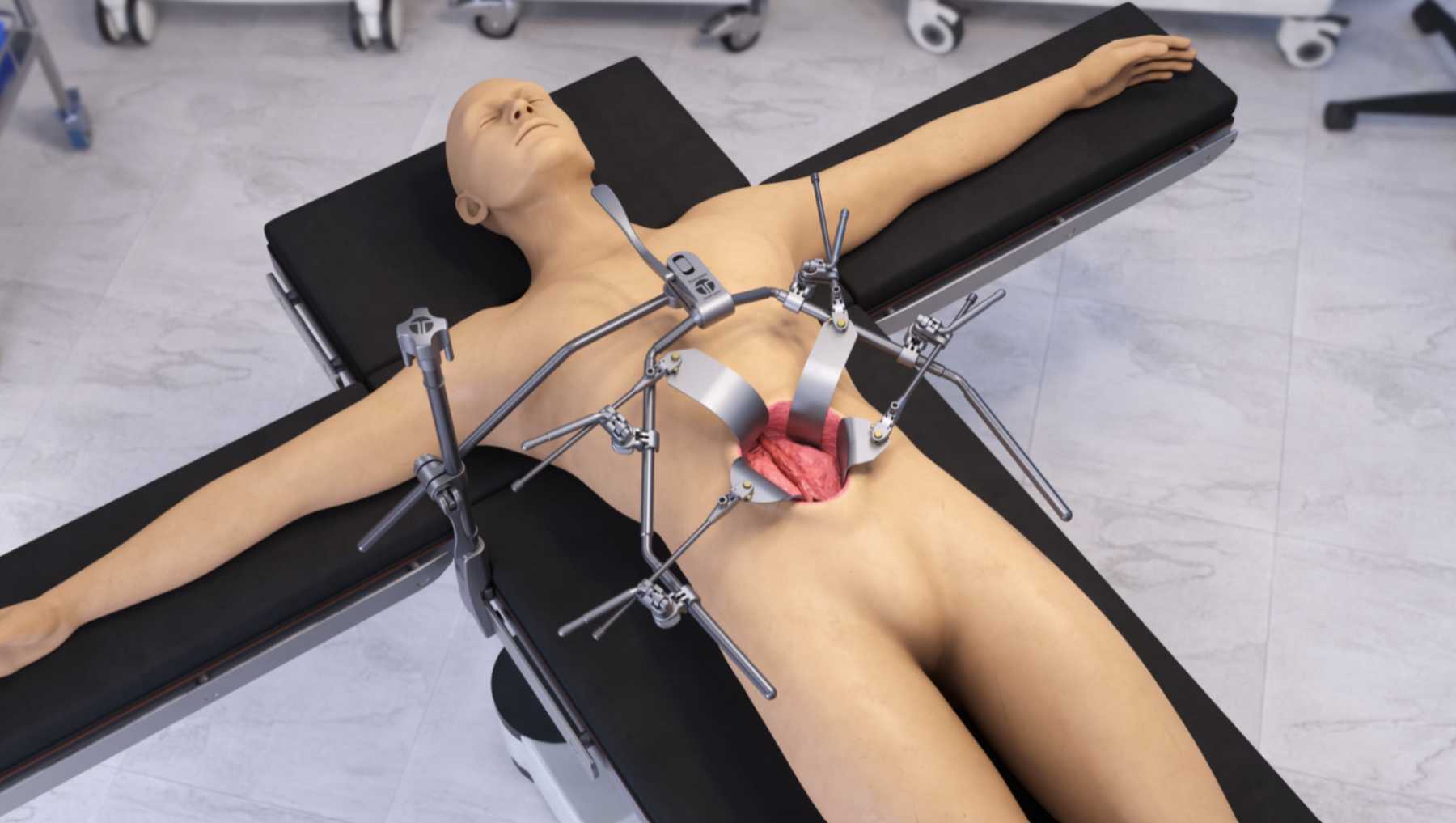
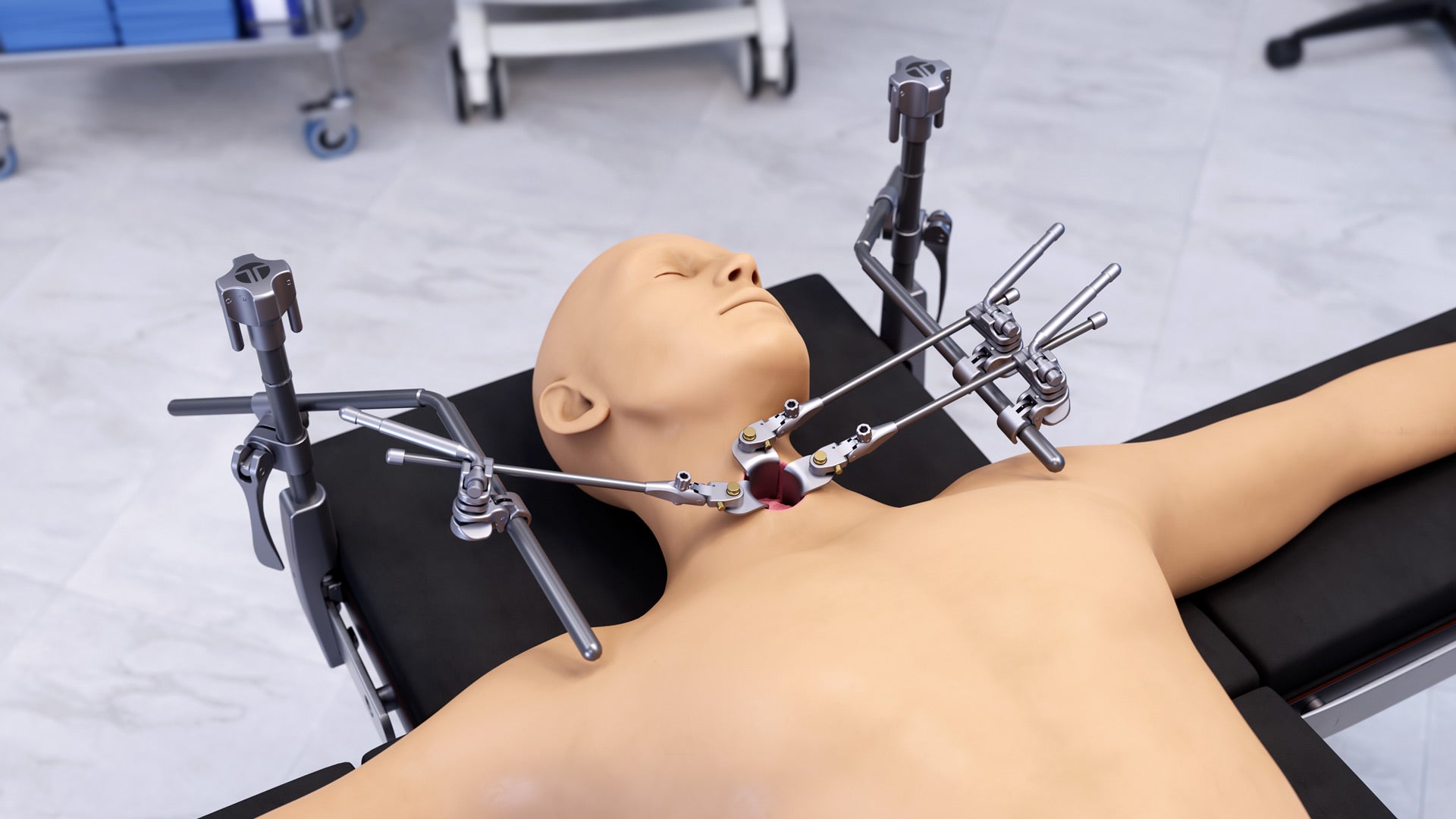
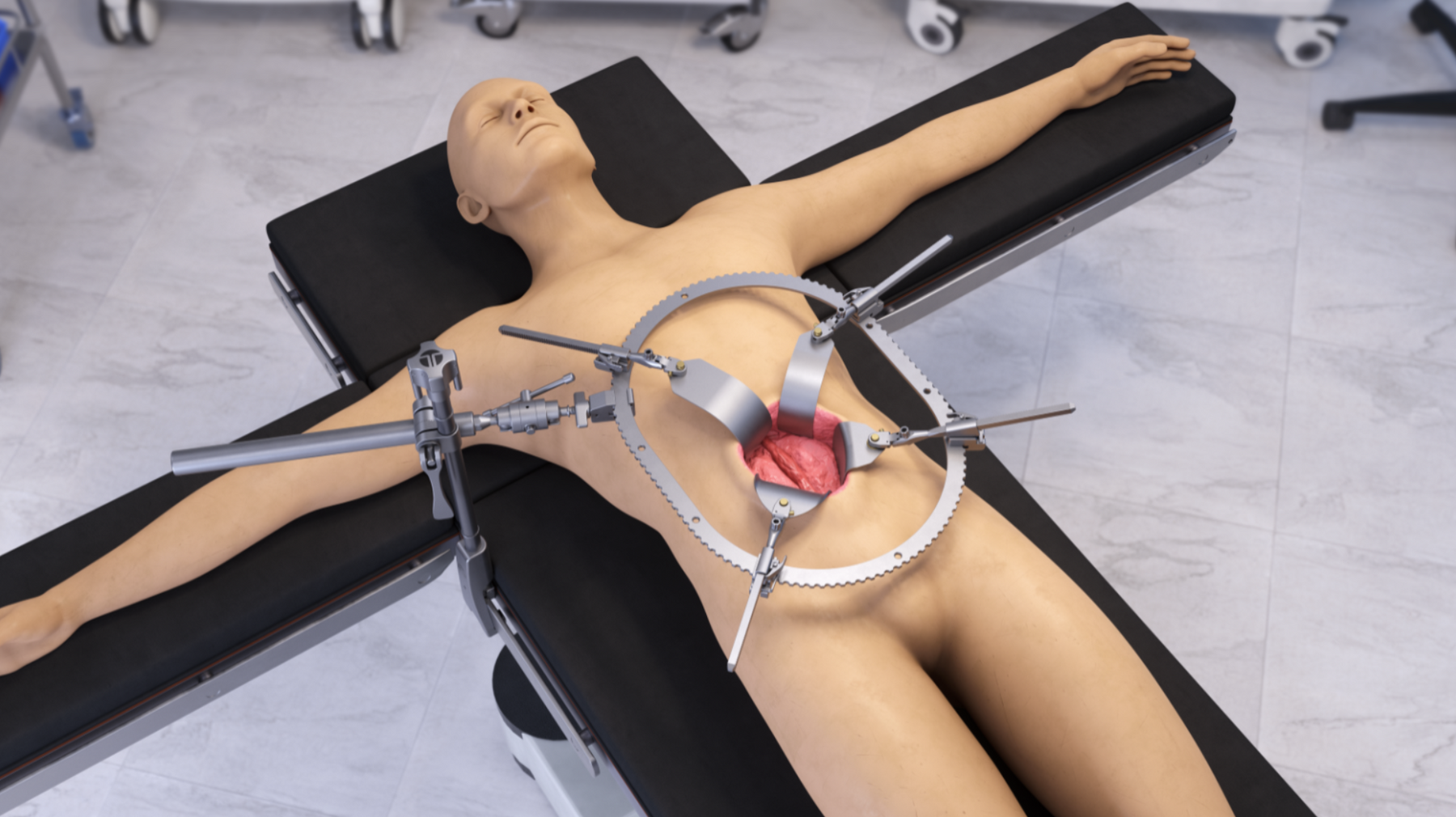
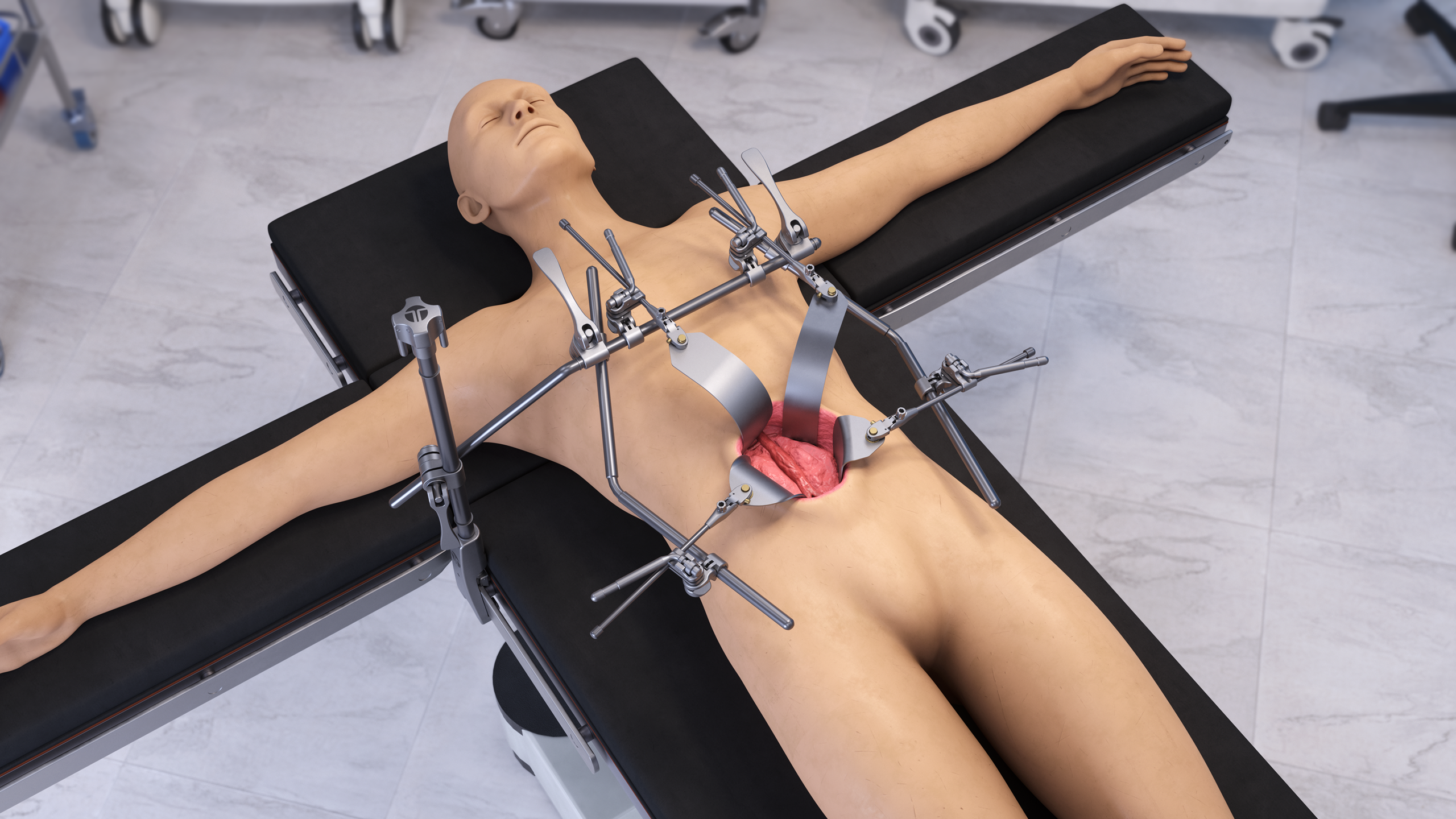
Thompson Surgical Instruments designs table-mounted retractor sets that maintain stable surgical access during long cases by anchoring retraction at the OR table and supporting hands-free performance for extended periods.
Arm Adjustability: Does the Retractor Support Multi-Planar Control?
Assessing Arm Control, Stability, and Adjustment Precision
Combined thoracoabdominal cases rarely require retraction in a single plane. Access may begin in one region and extend deeper or shift orientation as the procedure progresses. Retraction sets must adapt without requiring full reconfiguration.
Evaluate whether the retractor supports:
● Independent arm positioning
● Sufficient range of motion for directional pull
● Localized adjustments without disrupting the overall setup
● Stable joints that hold under load
Retractors that allow controlled micro-adjustments help teams refine surgical access incrementally rather than resetting the retraction construct.
How Thompson Delivers Multi-Planar Control
Thompson Surgical Instruments builds table-mounted retraction around multi-planed control so teams can adjust individual retraction points as access needs change during long procedures. This supports workflow continuity when abdominal retraction must coordinate with thoracic exposure.
Blade Ecosystem: What Properties Matter for Long TAAA Surgeries?
Blade Selection Criteria for Deep, Multi-Phase Aortic Access
Blades play a direct role in deep access, sustained retraction, and controlled engagement with tissue. For long thoracoabdominal aortic aneurysm procedures, evaluate blades by performance characteristics rather than brand name alone.
Key blade properties to assess include:
● Extended reach for deep retroperitoneal and upper-abdominal access
● Width and contour options that match anatomy and incision strategy
● Malleability for shaping when the case demands a custom fit
● Angle of engagement to maintain a clear corridor and controlled pull
● Locking behavior to determine whether a blade holds a fixed plane or aligns naturally with anatomy under tension
A well-developed blade ecosystem supports controlled retraction as access demands evolve over long-duration exposure.
How Thompson’s SL and SO Blade Options Support Deep Aortic Control
The AAA Abdominal Aortic Aneurysm retractors from Thompson include blades specifically engineered for extended surgical access in deep abdominal and retroperitoneal areas. Thompson’s ecosystem centers on two current blade interface types:
● S-Lock® (SL) blades allow precise angling during placement and then lock into a fixed plane when controlled directional retraction is required.
● Swivel-Only (SO) blades align naturally with the patient’s anatomy without locking, supporting adaptive engagement during prolonged retraction.
Both SL and SO blades integrate with Thompson’s table-mounted frames, giving teams practical options for configuring depth, direction of pull, and surgical access throughout long TAAA procedures.
Quick Re-Positioning: Can the Retractor Set Adjust Without Resetting the Case?
Long thoracoabdominal aortic aneurysm procedures evolve. Access deepens. Exposure angles shift. The ability to refine retraction without dismantling the construct becomes a practical performance requirement.
What to Evaluate When Assessing Repositioning Capability
When reviewing retractors for long TAAA surgeries, buyers should assess:
● Whether arms allow localized micro-adjustments
● If blade angling can be modified independently
● Whether repositioning can occur without disturbing other retraction points
● Stability of joints under repeated adjustment
● Ease of incremental reach extension as exposure deepens
Retractor sets that require major reconfiguration to make minor adjustments often disrupt surgical workflow. In multi-hour vascular cases, minimizing these interruptions supports procedural continuity.
How Thompson Supports Controlled Repositioning
Thompson Surgical Instruments integrates repositioning flexibility into its table-mounted retractor sets.
● Independent arms allow directional refinement without shifting the entire frame
● S-Lock® (SL) blades permit precise placement followed by secure fixation in a plane
● Swivel-Only (SO) blades allow adaptive alignment with anatomy as conditions evolve
Because each component adjusts independently, teams can refine surgical access during the case rather than resetting the exposure geometry.
OR Footprint: Does the Retractor Preserve Working Space?
Thoracoabdominal procedures require space for multiple instruments, assistants, suction devices, and monitoring equipment. Retractor design affects more than exposure; it also affects the physical working space.
What to Assess in OR Footprint & Ergonomics
Key considerations include:
● Frame size relative to incision span
● Whether the interior working field remains unobstructed
● The bulk of the hardware within the surgical corridor
● Placement of adjustment mechanisms
● Compatibility with rib spreaders or thoracic devices when applicable
A retraction set that crowds the operative zone can complicate instrument handling and visualization, especially in deep abdominal and retroperitoneal access.
How Thompson Designs for Efficient OR Space Utilization
Thompson table-mounted retraction sets attach directly to the OR bedrail, placing structural support outside the primary working corridor.
● Mounting hardware anchors to the bedrail rather than occupying table space
● Frame geometry keeps central access clear
● Adjustment points remain accessible without intruding into the incision field
This approach supports controlled surgical access while preserving usable space during extended vascular cases.
Cleaning, Inspection & Turnover: Is the Retractor Practical for High-Acuity Scheduling?
Complex table-mounted retractor sets involve multiple components: frames, arms, handles, and specialized blades. Turnover efficiency depends on how predictable and manageable those components are post-case.
Sterile Processing & Turnover Considerations
For hospitals standardizing retractors for long TAAA surgeries, evaluate:
● Component modularity and tray organization
● Ease of post-case disassembly
● Inspection access to joints and locking interfaces
● Lubrication requirements
● Documentation and IFU clarity
● Repeatable tray builds aligned with preference cards
Retraction sets designed for extended use must also perform reliably in cleaning and reprocessing cycles.
Thompson’s Approach to Standardized, Modular Table-Mounted Sets
Thompson Surgical Instruments structures its table-mounted retractor sets as defined frame kits and blade kits.
A typical set includes:
● Rail clamp
● Cross bar
● Angled arms
● Retractor handles
● Specialty-specific blade selections
This modular organization supports repeatable assembly, predictable inspection points, and consistent tray builds — key factors when coordinating turnover for long, resource-intensive vascular procedures.
Making the Right Choice for Long TAAA Procedures
Retractors for long TAAA surgeries must deliver more than initial setup convenience. They must maintain stable surgical access for extended operative durations, support multiplanar control as anatomy shifts, integrate a blade ecosystem suited to deep retroperitoneal reach, and withstand repeated sterilization cycles without compromising performance.
A structured evaluation framework that covers frame rigidity, arm adjustability, blade configuration, OR footprint, and turnover readiness enables surgical teams and hospitals to objectively assess retraction sets. When these elements align, retraction becomes a dependable foundation rather than a variable that requires constant correction during complex thoracoabdominal cases.
For more than 60 years, Thompson Surgical Instruments has led the development of table-mounted retraction sets engineered for stability, durability, and surgeon-controlled performance in demanding procedures. Every Thompson Retractor is manufactured in Michigan using high-quality materials, precision interfaces, and modular components designed to support consistent surgical access across specialties. Contact us to learn more about retractors for long TAAA surgeries.
Share:
Frame Styles Explained: OneFrame vs Wishbone for Deep Aortic Exposure
OneFrame™: What It Is, What It’s Designed For, and What to Compare When Evaluating Table-Mounted Retractor Sets