



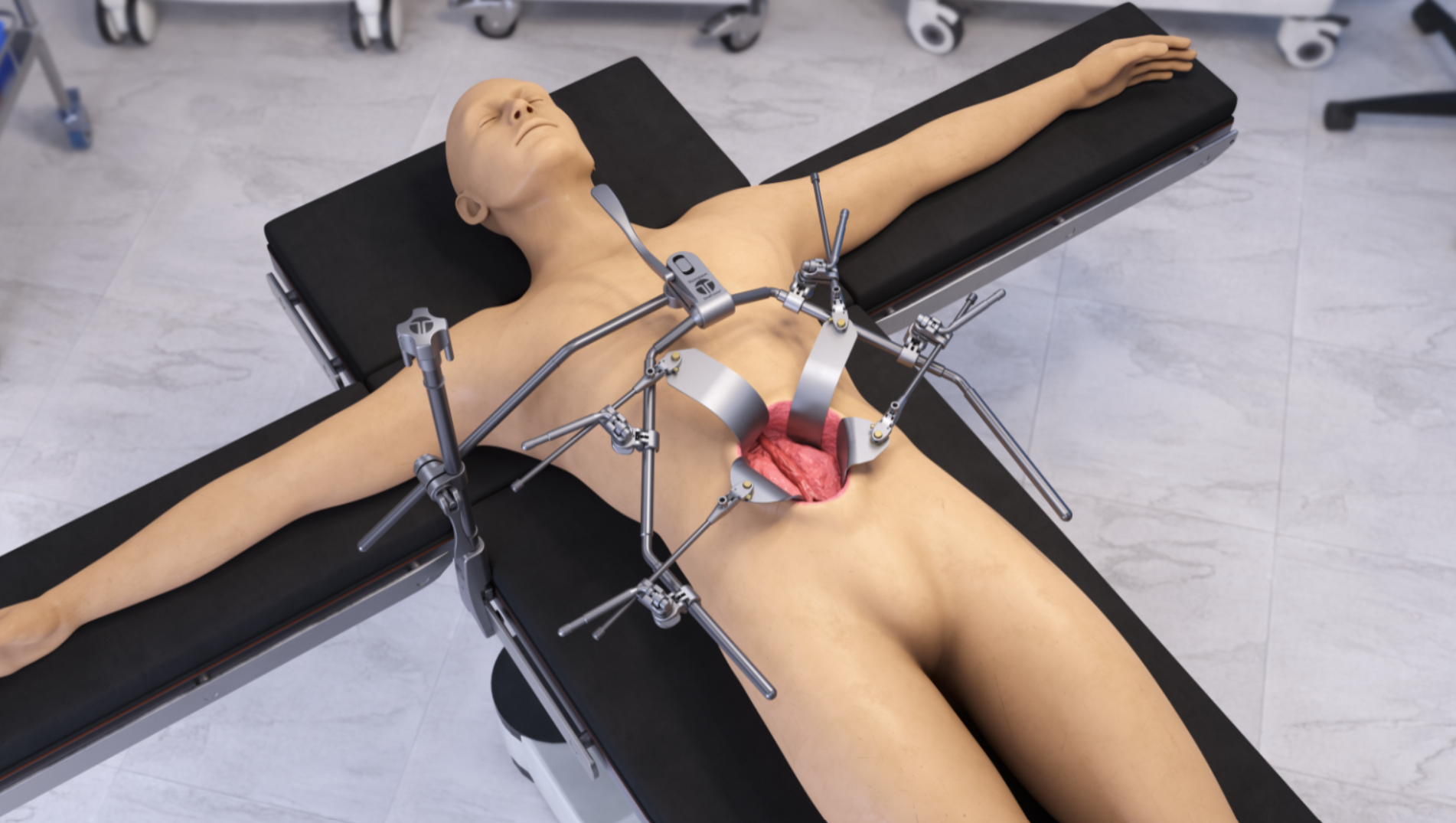
A large table-mounted retractor used in long aortic cases requires a structured Sterile Processing Department (SPD) protocol to ensure safe, efficient turnover between procedures. Because these sets include frames, arms, handles, and multiple long blades, standardized disassembly, inspection, cleaning, lubrication, and tray rebuilding are essential to maintain performance and prevent delays.
Clear processing workflows and consistent kit configurations help reduce OR idle time while protecting patient safety.
Why Long Aortic Cases Depend on a Large Table-Mounted Retractor
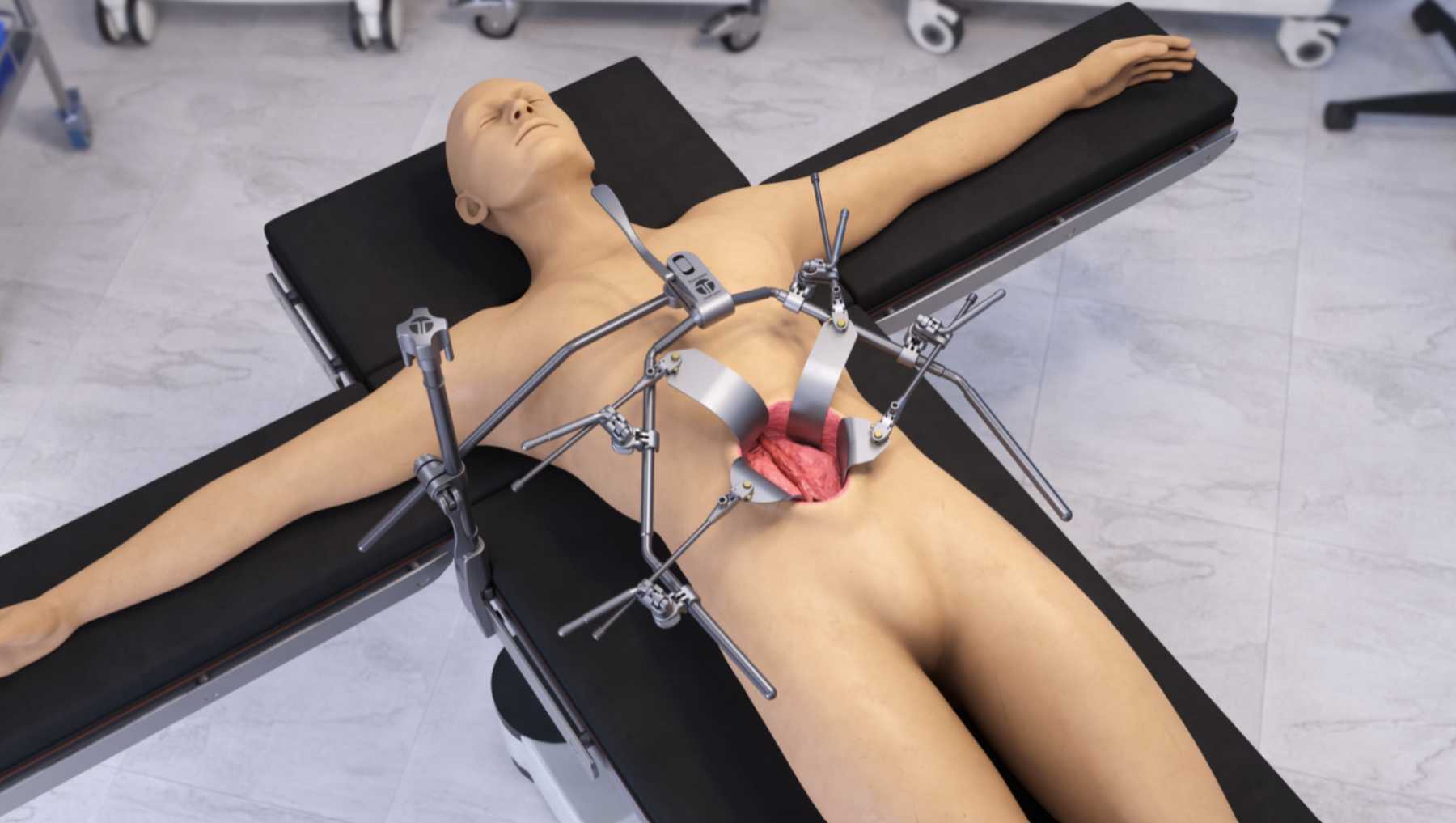
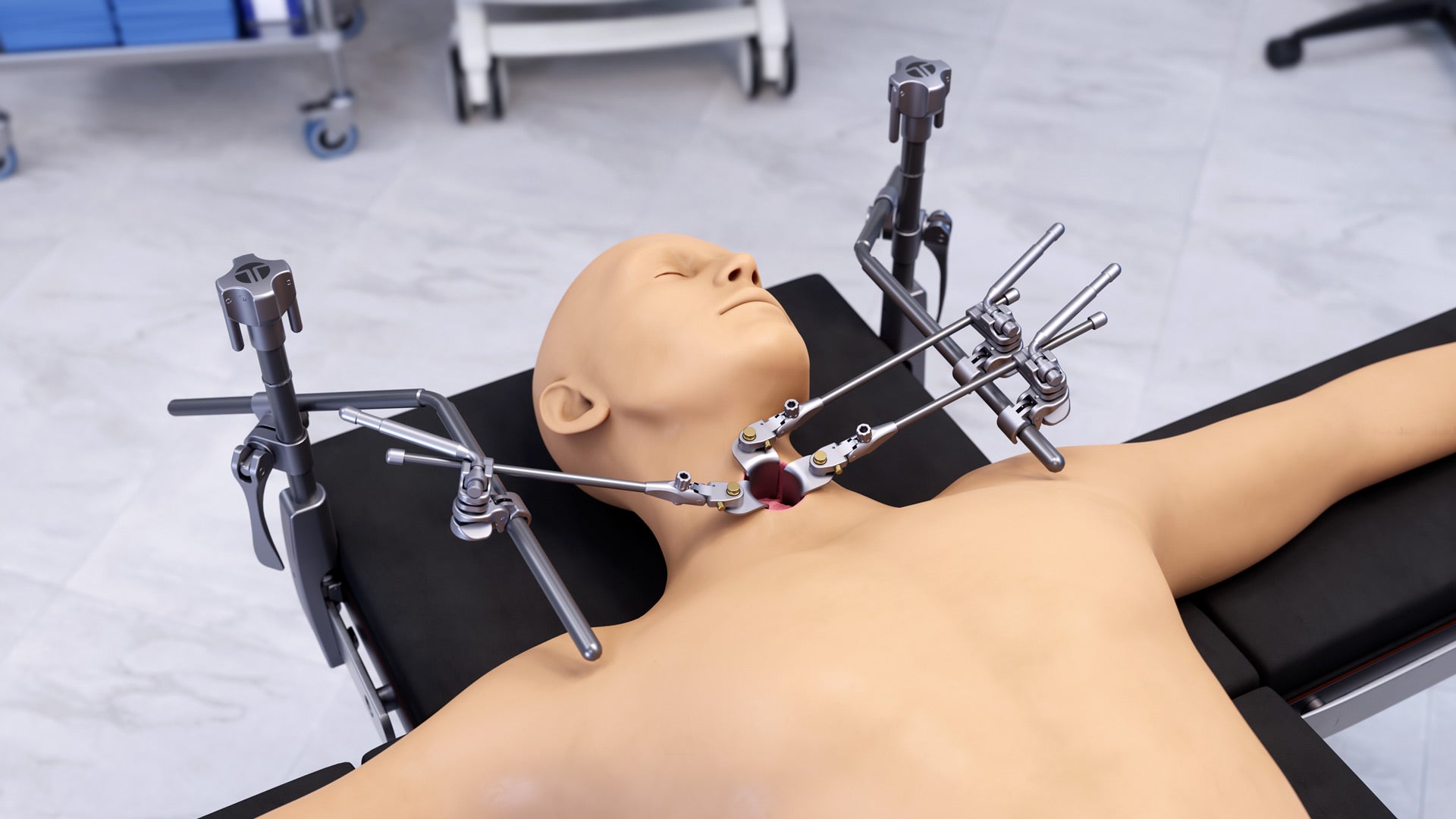
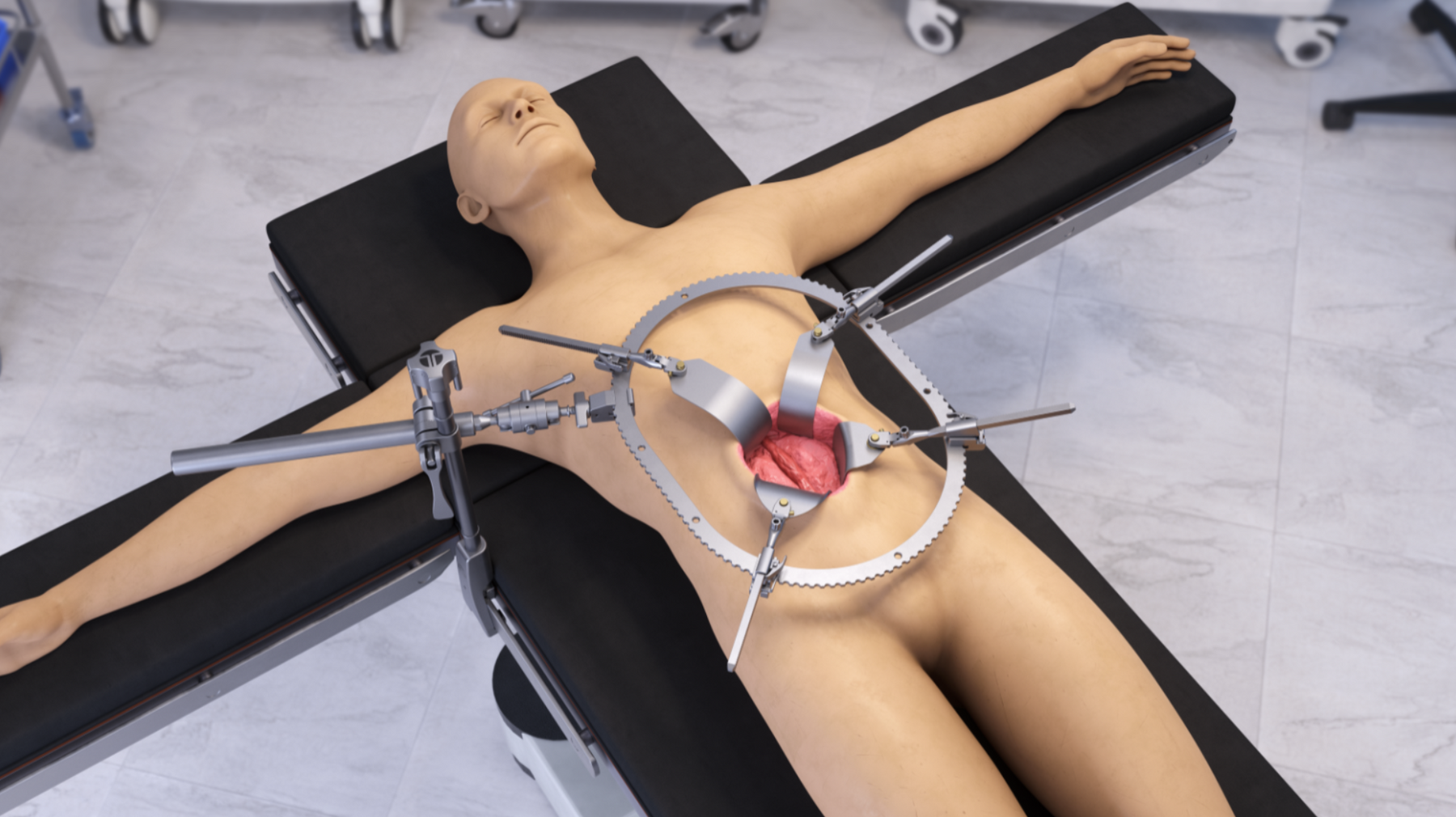
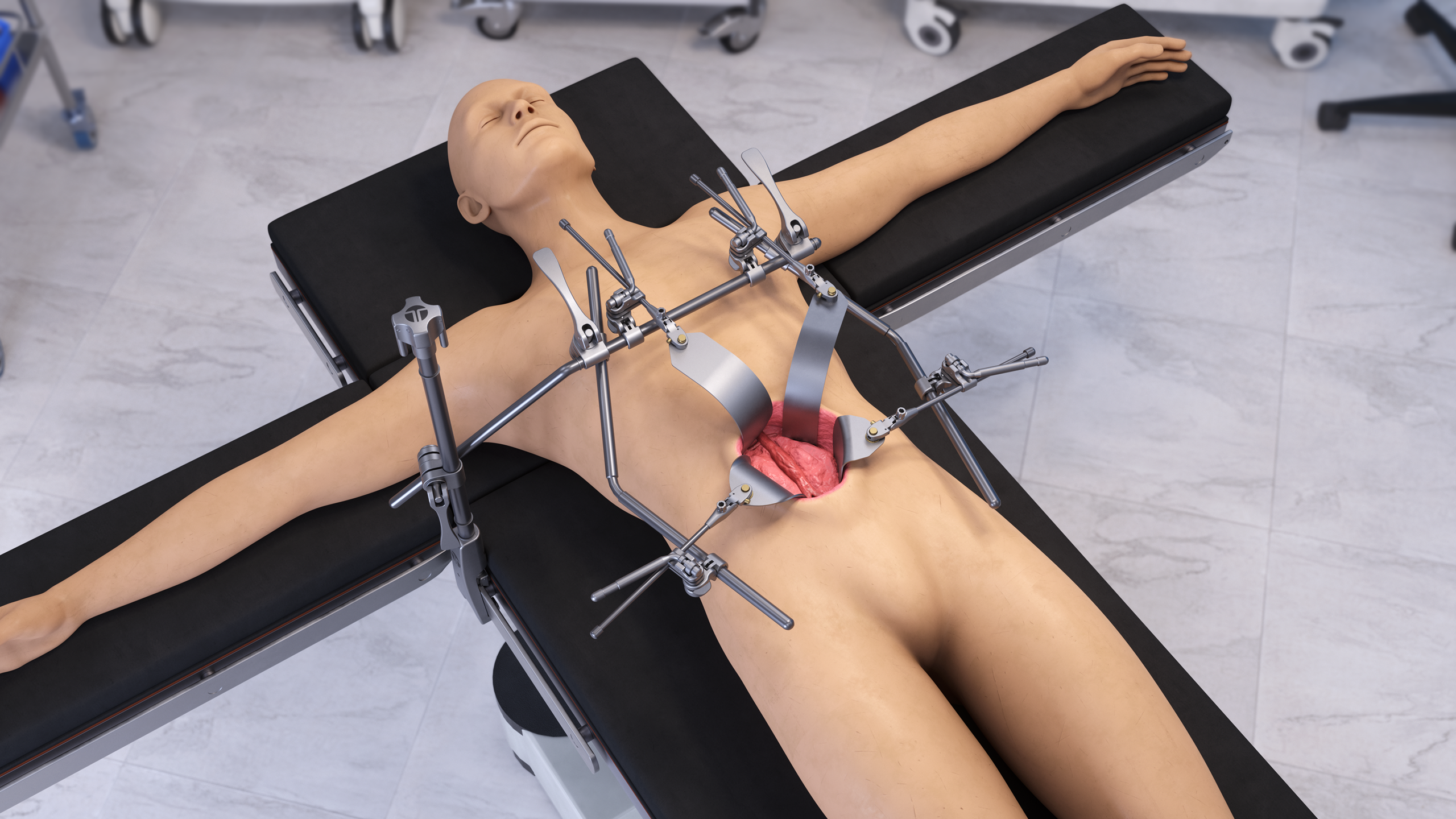
Thoracoabdominal and abdominal aortic procedures typically rely on modular, multi-component retraction sets rather than simple handheld instruments. A large table-mounted retractor provides stable, hands-free surgical access in deep operative fields, with that stability coming from a coordinated system of:
● Rail clamps
● Crossbars or frame bodies
● Frame arms with room for attachments
● Blade handles and locking mechanisms
● Multiple long or specialty blades
These instruments are designed for mechanical strength and configurability during multi-hour vascular exposure. That same modularity creates additional processing responsibilities once the case ends. After extended aortic procedures, the retractor components frequently arrive in a decontamination area with dried blood, debris in joints, and contamination at blade-handle interfaces. Without a standardized approach, cleaning time increases, inspection becomes inconsistent, and tray rebuild accuracy suffers.
For SPD teams, the challenge is not simply cleaning a single instrument; it is reliably turning over a large table-mounted retractor set under time constraints while maintaining full sterilization integrity.
What “Turnover” Means for a Large Table-Mounted Retractor
Turnover refers to the complete transition from “wheels out” to “wheels in”; from post-procedure removal to a sterile, case-ready rebuild for the next patient.
For a large table-mounted retractor, turnover includes:
● Controlled post-case disassembly in the OR, or decontamination area
● Thorough manual cleaning of joints, locks, and blade interfaces
● Mechanical washing according to IFU guidance
● Inspection of connection points and moving parts
● Lubrication where required
● Proper drying and reassembly into standardized trays
● Sterilization cycle validation
● Verified tray completeness before case staging
Unlike basic instruments, retractor sets contain multiple mechanical connection points. Engagement teeth in S-Lock® blade interfaces, swivel joints in Swivel-Only (SO) handles, and articulating arm assemblies require deliberate cleaning and inspection to maintain locking integrity and positioning control in future cases.
Reducing “dirty-to-ready” time requires workflow discipline, never rushed shortcuts.
The Long Aortic Case Challenge: Soil Load & Mechanical Complexity
Large vascular procedures amplify processing difficulty for several reasons:
● Extended duration = dried soil - Blood and biologic material can dry inside articulating joints and blade interfaces before the instruments even reach decontamination.
● Heavy components- Frames, arms, and crossbars are larger and require careful handling during disassembly and washer loading.
● Multiple locking surfaces - Blade nipples, SL locking teeth, clamps, and tension knobs must be fully inspected for debris or damage.
● Configuration variability - If sets are rebuilt differently each time, inspection oversight and tray errors become more likely.
For SPD departments, standardization protects both patient safety and operational efficiency. A table-mounted retractor must return to the OR in the same mechanical condition and configuration each time to support dependable surgical access in long aortic cases.
What SPD Teams Should Standardize for a Large Table-Mounted Retractor
A structured processing protocol should address the following core elements:
1. Disassembly Sequence
Teams should document a consistent, step-by-step breakdown order. Clear sequencing reduces component loss and prevents forced disassembly that could damage locking mechanisms.
2. Joint & Lock Inspection Points
Articulating arms, S-Lock® blade interfaces, swivel mechanisms, and rail clamps require focused inspection. SPD teams should confirm:
● No retained soil around engagement teeth
● Smooth locking engagement
● No visible wear or deformation
● Full range of intended motion
3. Lubrication Protocols
Where indicated by manufacturer instructions, approved instrument lubricants should be applied to moving joints after cleaning and before sterilization.
4. Staining & Corrosion Prevention
Proper drying, avoiding prolonged exposure to saline, and selecting appropriate washer chemistry help preserve surface integrity in stainless steel components.
5. Standardized Tray Builds
Consistent kit configuration reduces rebuild variability. Fixed tray layouts improve counting efficiency and ensure the OR receives a predictable retraction set delivered every time. Preference cards and tray diagrams further reduce unnecessary variability.
Supporting Case Readiness with Thompson Surgical Instruments
Thompson Surgical Instruments designs table-mounted retractor sets for durability, mechanical stability, and repeatable assembly. Thompson, the sole manufacturer of the Thompson Retractor, leverages over 60 years of ongoing innovation to support SPD teams with clear Instructions for Use (IFU), standardized trays, and detailed component documentation. SPD departments can reference Thompson’s IFUs to align cleaning, inspection, and maintenance procedures with manufacturer guidance.
For complex vascular exposure, including abdominal aortic aneurysm procedures, Thompson’s AAA Abdominal Aortic Aneurysm retractors are engineered to provide reliable surgical access while maintaining mechanical integrity under repeated sterilization cycles.
For large-exposure platforms, including bariatric and extended-abdominal configurations, standardized tray builds, and articulated-arm retractor sets enable consistent processing even when blade length and frame configurations vary. In long aortic cases, dependable surgical access depends on intraoperative performance and disciplined turnover.
Standardization as a Performance Strategy — Not Just a Compliance Task
Long thoracoabdominal and complex aortic procedures depend on large table-mounted retractor sets that perform predictably from incision through closure. That predictability does not begin in the OR; it begins in sterile processing.
When SPD teams standardize disassembly, cleaning, inspection, lubrication, reassembly, and tray configuration, they protect instrument integrity, reduce variability, and minimize delays between cases. In multi-hour vascular workflows, consistency behind the scenes directly supports consistency in surgical access.
Table-mounted retractor sets are designed to provide stable, modular access in demanding procedures. Standardized turnover ensures those retraction sets return to the field with the same stability, configurability, and structural reliability expected in long aortic cases.
For more than 60 years, Thompson Surgical Instruments has advanced table-mounted retraction under our mission of the Relentless Pursuit of Perfection. We design durable, modular retractor sets built from high-quality materials to support repeatable performance across specialties, including complex vascular and abdominal procedures. Contact us to learn how Thompson Surgical Instruments supports dependable surgical access with every large table-mounted retractor.
Share:
OneFrame™: What It Is, What It’s Designed For, and What to Compare When Evaluating Table-Mounted Retractor Sets
RingTrack™ vs Wishbone™ Retractor Sets for Lumbar Surgery: What to Compare and Why It Matters