



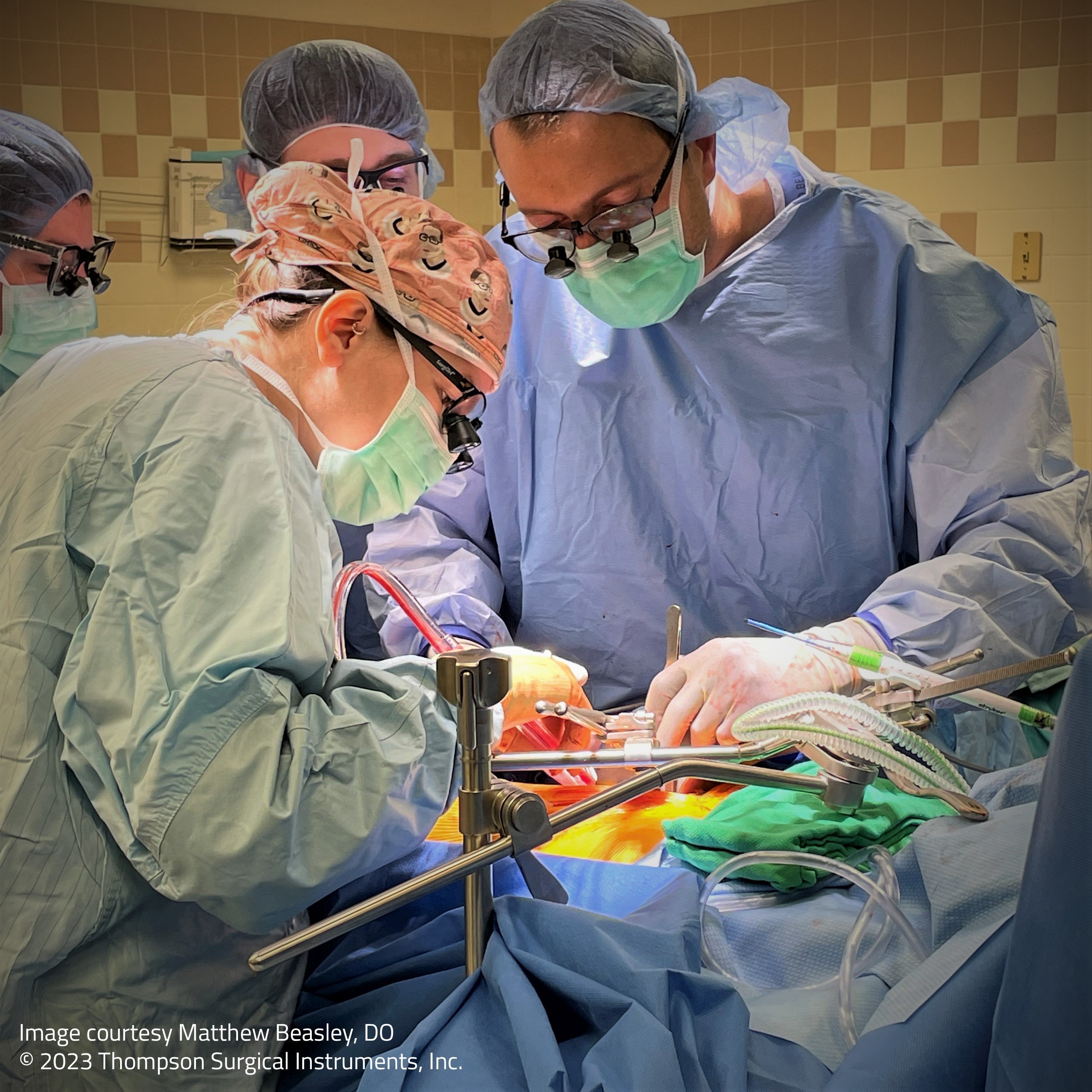
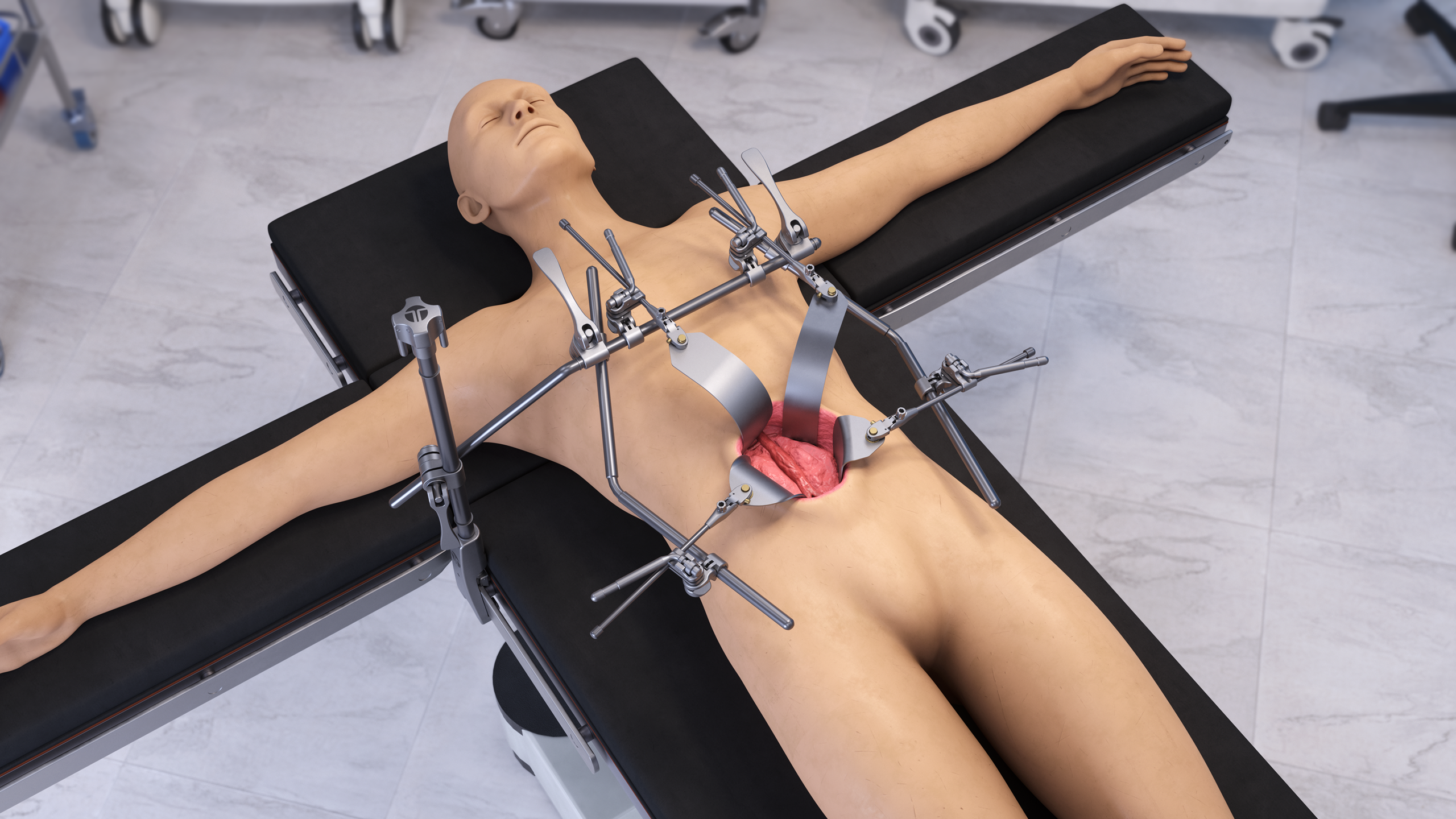
Blade selection is critical for table-mounted retraction during deep retroperitoneal and upper-abdominal aortic surgical exposure. Blade length, contouring, malleability, and angle all influence visualization, tissue management, and stability in deep operative fields. Matching blade geometry to anatomy and depth helps surgical teams maintain consistent abdominal retraction while minimizing the need for repeated adjustments in long-duration cases.
Key Factors That Influence Blade Selection in Deep Aortic Cases
Blade selection for deep retroperitoneal and upper-abdominal aortic exposure depends on how effectively the blade supports surgical access, visualization, and stability over time. In these environments, blade design directly affects how well exposure is maintained as depth increases and tissue forces change throughout the procedure.
Several blade characteristics play a central role in retraction performance:
-
Blade length relative to operative depth – Adequate reach is essential for deep exposure without crowding the working field.
-
Contour and curvature for anatomical fit – Proper shaping helps distribute retraction forces more evenly and maintain consistent tissue engagement.
-
Malleability for fine positioning – Adjustable blades allow teams to refine exposure without changing the overall setup.
-
Angle of engagement with surrounding tissue – Blade angle influences visualization, working space, and how effectively tissue is held back.
In table-mounted retraction, these factors work together to support stable, hands-free exposure while minimizing the need for repeated adjustment during long-duration procedures.
Evaluating Blade Design for Consistent Surgical Access
Selecting the appropriate retractor blade is critical to maintaining surgical access during deep retroperitoneal and upper-abdominal aortic procedures. In table-mounted retraction, blade design influences how effectively access is established, how well it is maintained over time, and how often adjustments are required as the case progresses. The following blade characteristics are especially important when managing depth, anatomy, and prolonged exposure.
Blade Length Considerations in Deep Aortic Exposure
Blade length must match operative depth to maintain access without excessive tension or repeated repositioning. In deep retroperitoneal and upper-abdominal aortic exposure, shorter blades may fail to engage tissue effectively, while overly long blades can interfere with working space or visualization.
Thompson Surgical Instruments offers a wide range of blade lengths to support deep surgical access while preserving low-profile geometry. Matching blade length to depth helps maintain stable retraction throughout long cases and reduces the need to exchange blades mid-procedure. Thompson offers blade lengths as short as 25mm (1”) to as long as 203mm (8”) for deep aortic exposure, with the option to order custom sizing if longer lengths are desired.
Contour & Curvature Considerations in Retroperitoneal Exposure
Retroperitoneal anatomy rarely conforms to straight retraction paths. Blade contour and curvature influence how evenly force is distributed across tissue and how naturally the blade conforms to surrounding structures.
Curved and anatomically contoured blades help maintain exposure while minimizing focal pressure points. In table-mounted retraction, this improves surgical access consistency and reduces gradual tissue drift that can occur during long-duration procedures. Thompson’s blade options allow teams to adapt curvature to the operative field rather than forcing anatomy to conform to a single blade profile. Thompson offers popular curved blade styles, such as Deavers and Balfours, to accommodate this need.
Blade Malleability vs Stability: Finding the Right Balance
Malleable blades are blades that the surgical team can bend and shape to match anatomy and optimize surgical access in a deep field. In retroperitoneal and upper-abdominal aortic exposure, that ability can be especially useful when the working channel is narrow, depth changes as the case progresses, or the retraction path needs fine-tuning around critical structures.
Malleability supports blade fit and surgical access in deep fields, while stability ensures the blade maintains its position and retraction force once exposure is established. When selecting a blade, teams often balance the need for a precise anatomical fit with the need for consistent, long-duration retraction.
Angle of Tissue Engagement and Retraction Control
The way a blade engages tissue and maintains its angle affects exposure quality, retraction efficiency, and consistency over time. Thompson’s S-Lock® and Swivel-Only blade configurations give surgical teams control over how retraction behaves once the blade is positioned.
S-Lock® emphasizes locked, single-plane control when a fixed retraction direction is required, while Swivel-Only blades allow the blade to follow patient anatomy for controlled exposure during prolonged retraction. This distinction helps teams select blade behavior that supports both access requirements and tissue considerations during long cases.
Blade Feature Considerations in Table-Mounted Abdominal Retraction
|
Blade Feature |
Functional Purpose |
Impact on Surgical Access |
|---|---|---|
|
Blade Length |
Matches the blade reach to the operative depth |
Supports deep-field access without over-tension or crowding |
|
Contour / Curvature |
Conforms to anatomy and the working corridor |
Improves fit and visualization while minimizing tissue displacement |
|
Malleability |
Allows fine positioning |
Enables precise adjustment without repeated resets |
|
Stability Under Load |
Maintains blade position over time |
Helps preserve consistent exposure during long cases |
|
Angle of Engagement |
Controls the direction of tissue retraction |
Supports multi-directional access without narrowing the field |
|
Swivel-Lock (SL) |
Swivels or locks into position |
Balances adjustability with hold strength |
|
Swivel-Only (SO) |
Allows rotation without locking |
Useful where frequent repositioning is expected |
Blade Selection Within a Complete Table-Mounted Retraction System
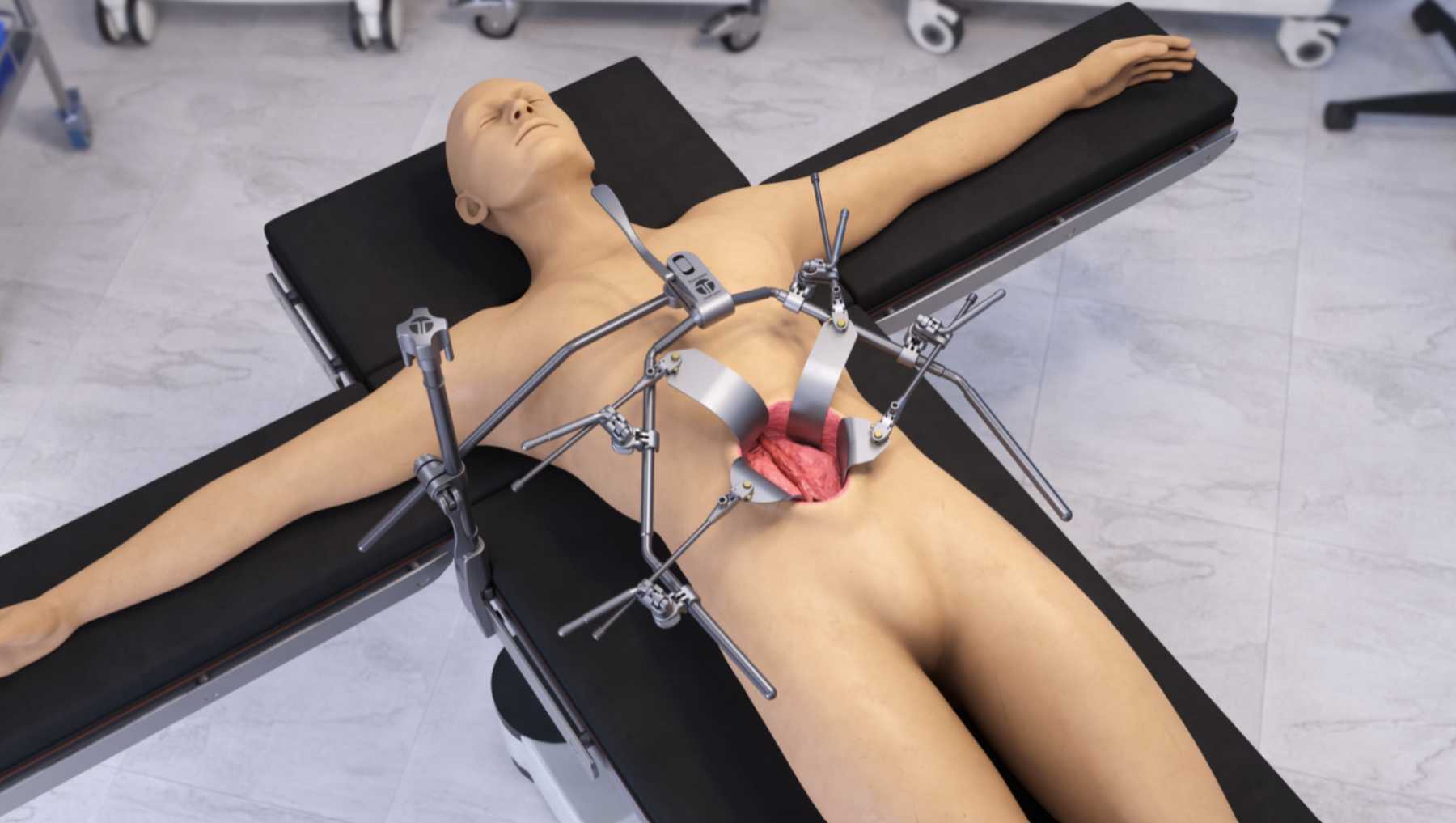
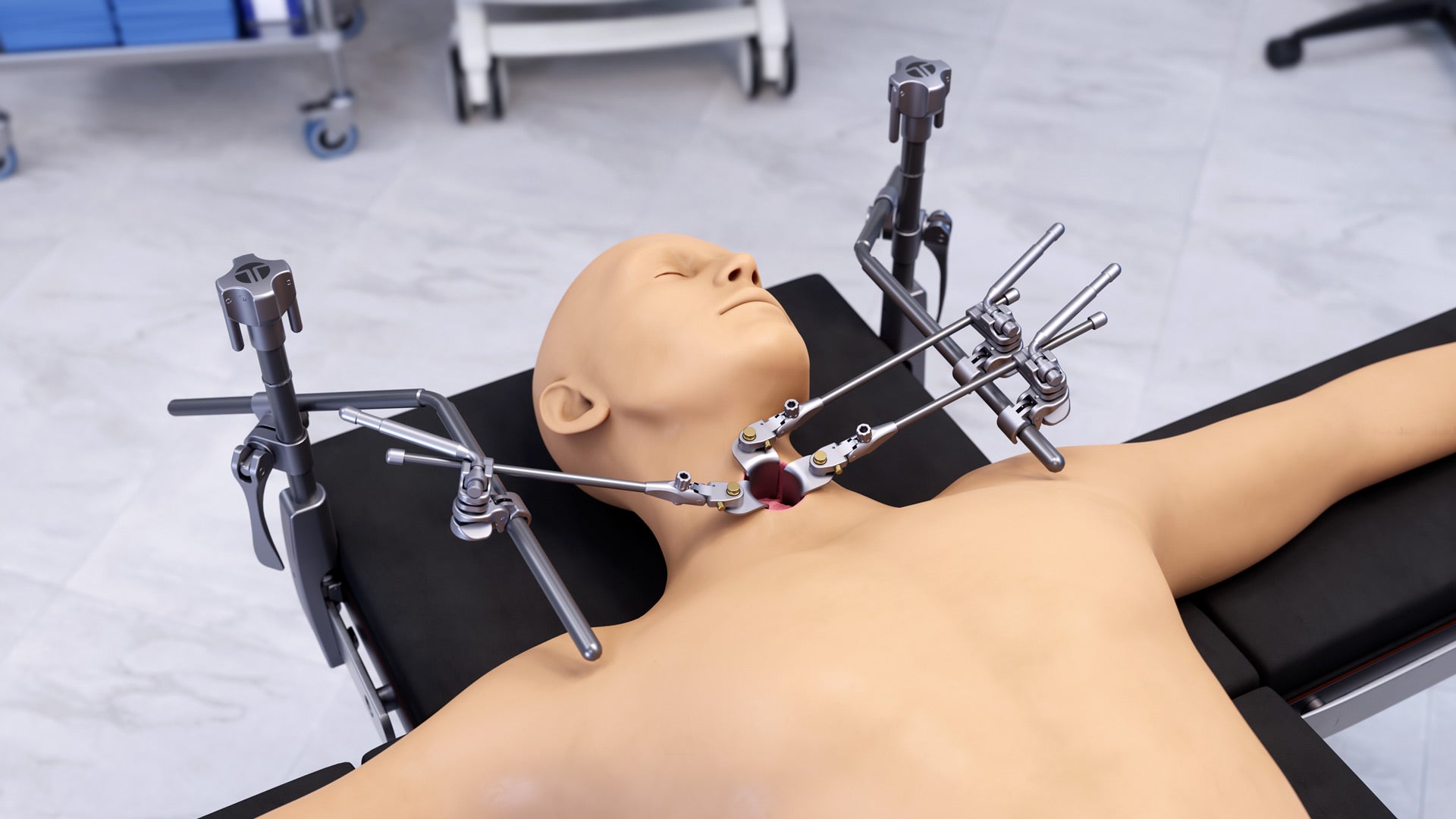
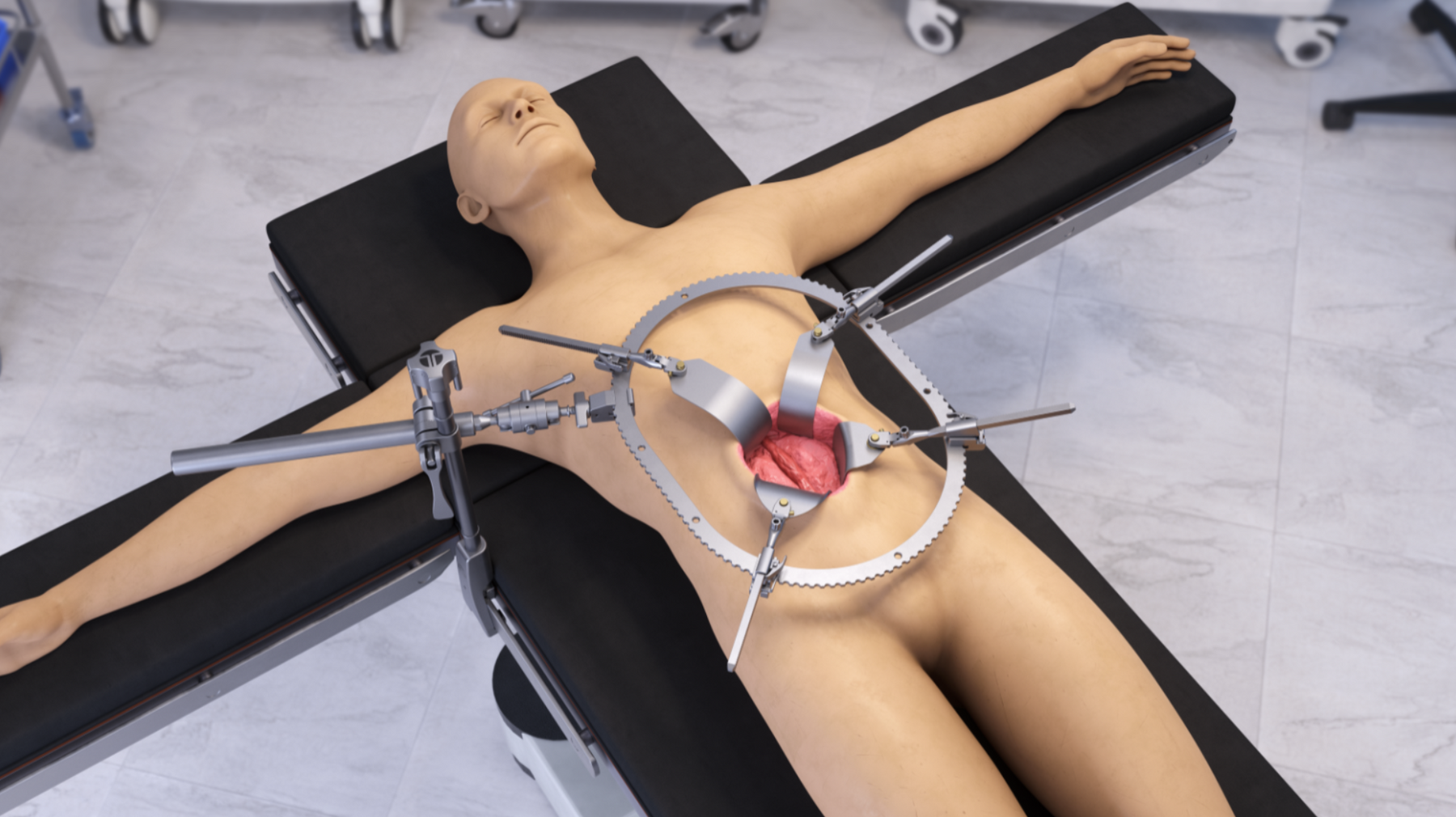
Blade selection is most effective when evaluated as part of an integrated table-mounted retraction system rather than as an isolated component. Thompson Surgical Instruments designs our blade offerings to integrate seamlessly with our retractor handles and stable, hands-free retractor frames, giving surgical teams greater control over access based on anatomy, depth, and direction of pull.
With a broad range of blade lengths, profiles, and connection styles, teams can standardize configurations that support consistent surgical access while minimizing the need for repeated repositioning during long, complex cases. This system-level approach helps surgeons maintain exposure control throughout demanding procedures while preserving flexibility as access requirements evolve. Try the Thompson Retractor with a FREE Clinical Evaluation for 30 days.
Thompson Surgical Instruments has spent more than 60 years advancing table-mounted retraction systems designed to support consistent, hands-free surgical access for complex procedures. As an employee-owned manufacturer, we deliver a wide selection of blade options engineered to integrate seamlessly with stable frames and articulating components that surgeons can depend on every day. Contact us to learn how Thompson Surgical Instruments supports precise surgical access through table-mounted retraction.
Share:
Thompson RingTrack vs. Bookwalter
Frame Styles Explained: OneFrame vs Wishbone for Deep Aortic Exposure