



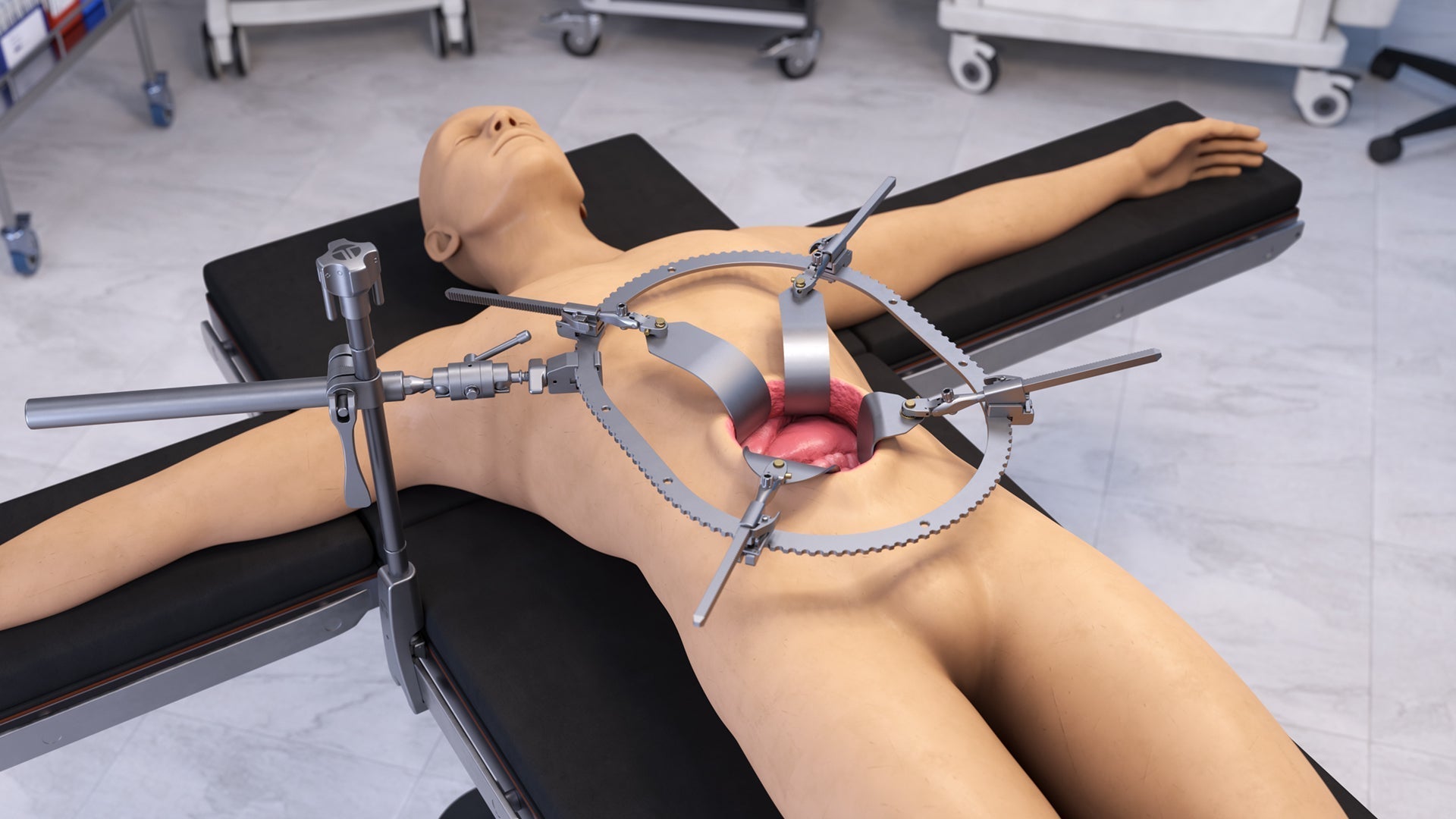
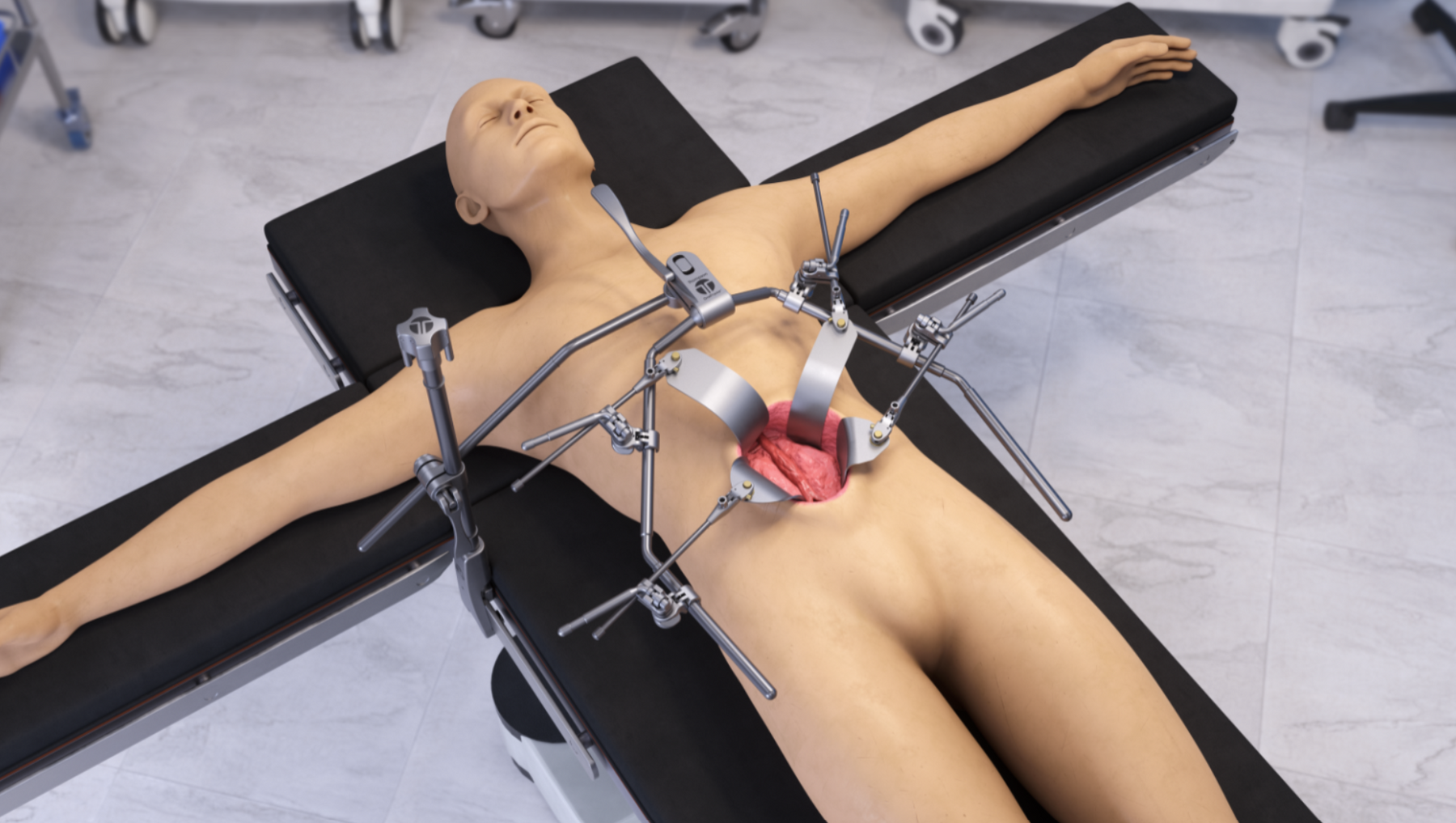
Two popular options for table-mounted retractors are the Bookwalter and the Thompson RingTrack. Both instruments serve the crucial purpose of holding back tissues and organs during surgical procedures, but there are key differences that set them apart. Let's delve into the comparison and explore why the Thompson RingTrack is often favored over the Bookwalter.
Design and Functionality
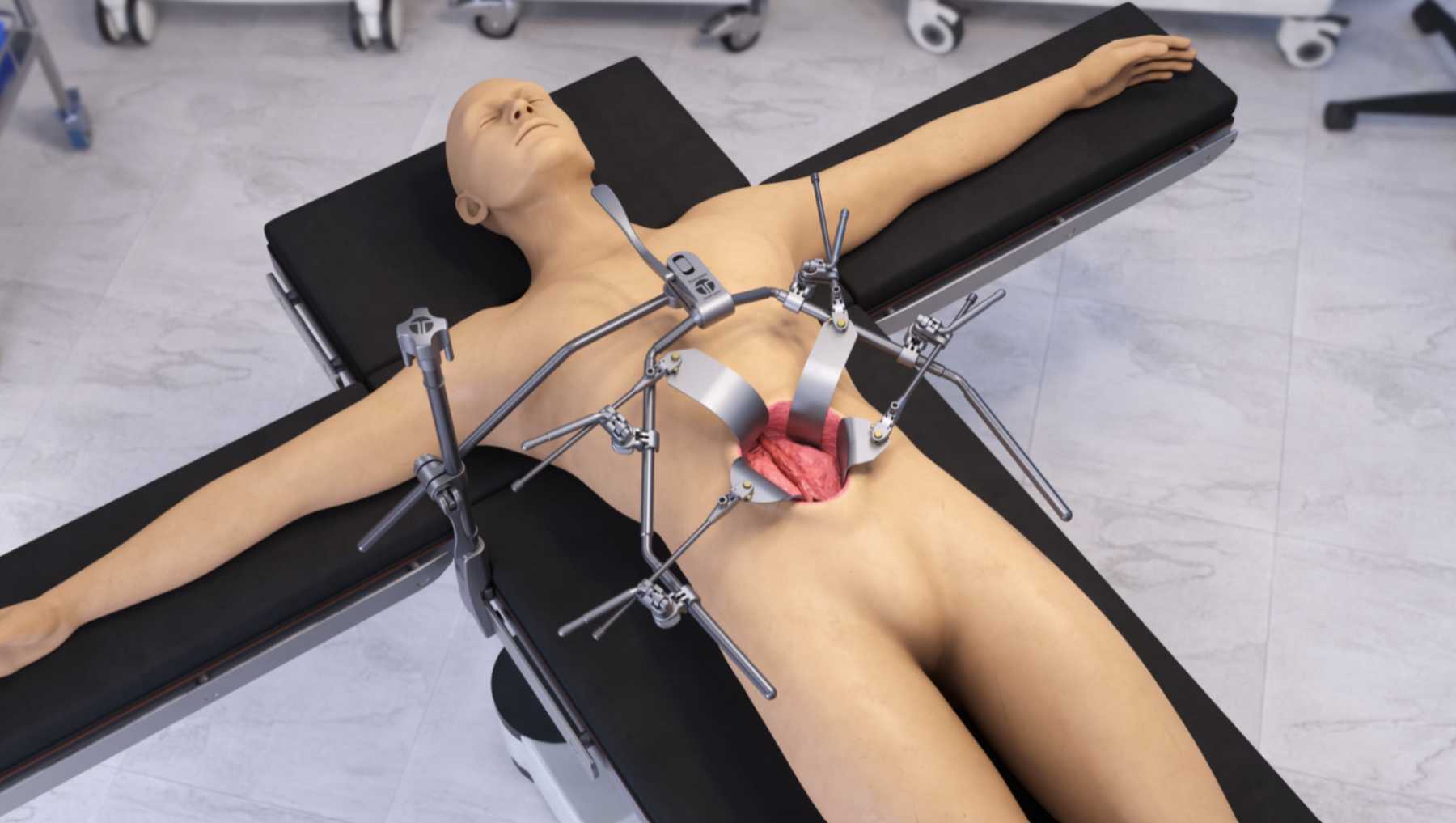
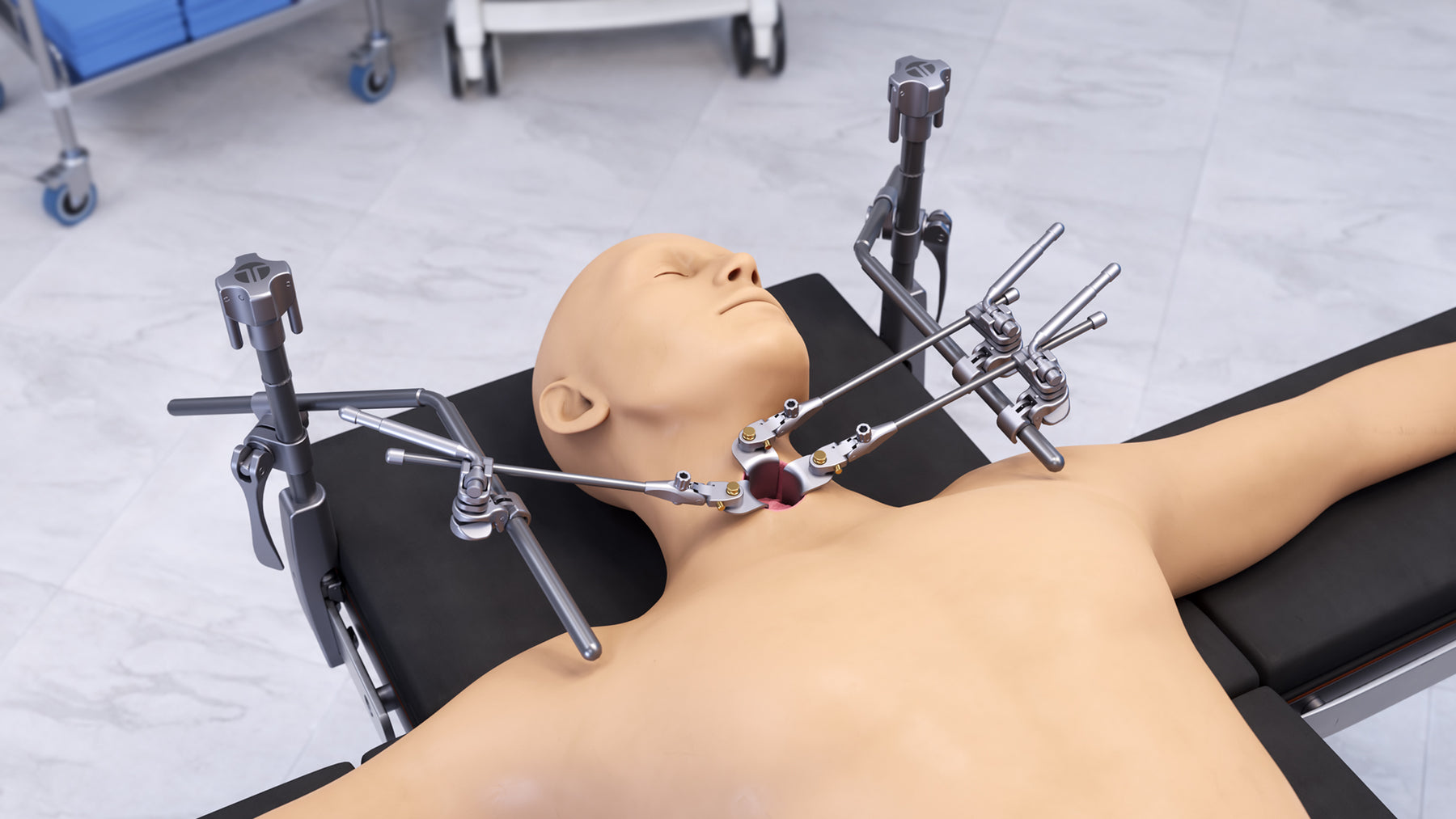
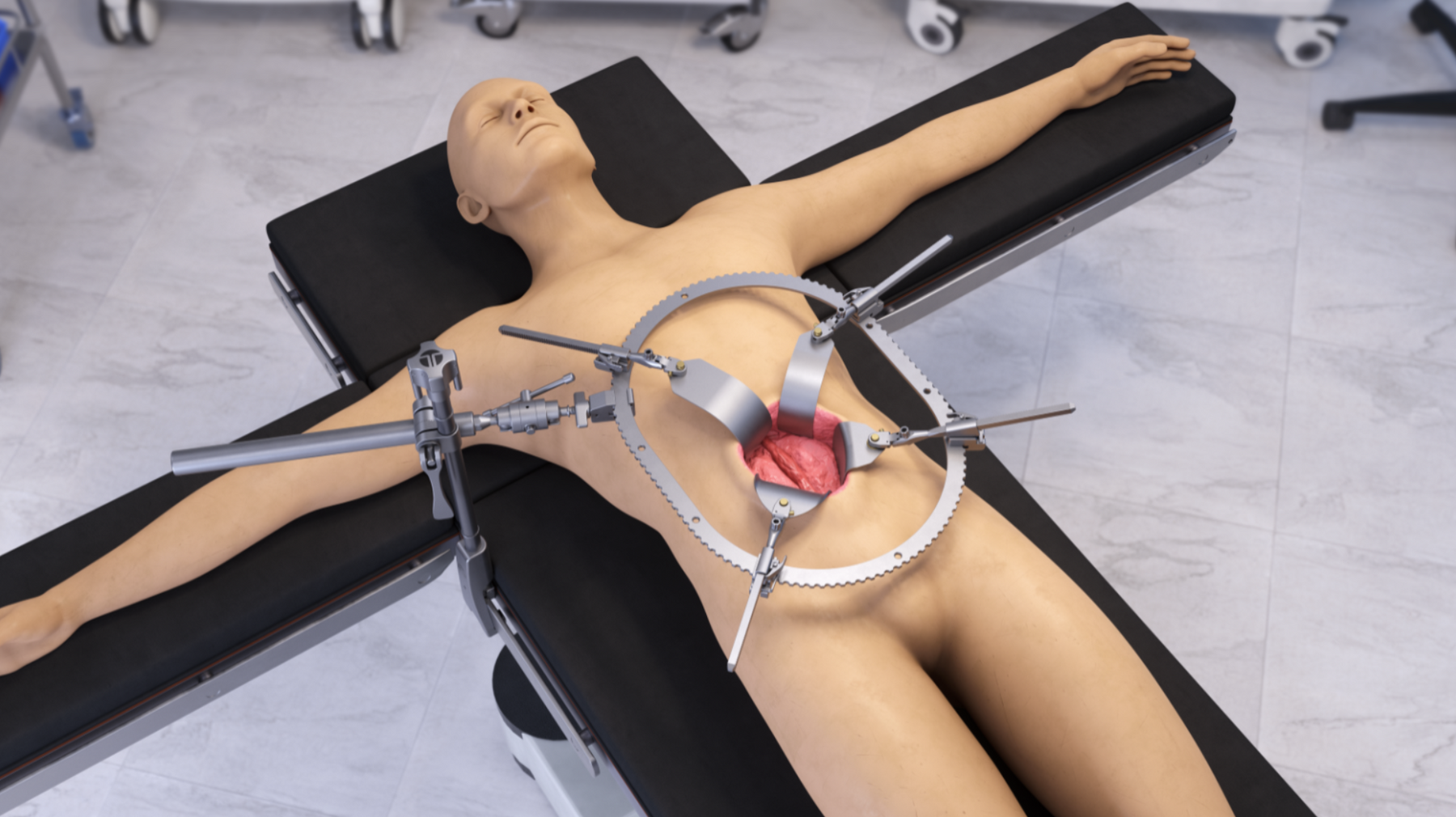
The Bookwalter is a ratcheted ring retractor system that consists of various handles with fixed blades, ratchets, and rings. It provides a range of adjustment options, allowing surgeons to customize the retraction based on the specific needs of the surgery. On the other hand, the Thompson RingTrack features a similar design, but with interchangeable blades and S-Lock ability, that allow the surgeon to use numerous different blades and have an improved angling and swiveling ability.
Visibility and Access
One of the key advantages of the Thompson RingTrack is its superior visibility and access to the surgical site. The slim profile and Quick Angling mechanism of the Thompson handles allows for better visualization, especially in deep incisions. This enhanced visibility can help surgeons navigate delicate structures, ultimately leading to better surgical outcomes.
Ease of Use and Sterility
Both retractors allow for quick, easy set up due to their simple design. One key feature about the Thompson is its ability to attach to the OR rail in a sterile matter. The Bookwalter's rail clamp must puncture through the sterile drapes, increasing the probability of infection, whereas the Thompson Elite Rail Clamp clamps over the sterile drapes, thereby not breaking the sterile field.
Conclusion
While both the Bookwalter and the Thompson are valuable tools in the surgical setting, the Thompson RingTrack stands out for its sleek design, superior visibility, and ease of use. Surgeons who prioritize efficiency, precision, and sterility may find the Thompson RingTrack to be the preferred choice for a wide range of surgical procedures.
Share:
Blade Selection for Deep Retroperitoneal & Upper-Abdominal Aortic Exposure