




Anterior lumbar interbody fusion (ALIF) procedures require stable exposure through a deep anterior corridor where access, visibility, and working space all matter. A table-mounted retractor for ALIF should provide hands-free retraction, support controlled blade positioning, and fit the way the surgeon and OR team work through the procedure.
The right ALIF retractor set is not defined by one frame style alone. Surgeons and OR leaders should evaluate the procedure, exposure depth, spinal level, patient anatomy, blade requirements, illumination needs, and setup workflow.
Why ALIF Retraction Requires Careful Evaluation
ALIF uses an anterior approach to access the lumbar spine. The exposure may involve a deep operative corridor, important vascular and soft tissue structures, and a field that must remain consistent while the surgeon works at the target level.
The exposure requirements can also change by level. AO Surgery Reference describes ALIF as especially suited to L5-S1, while L4-L5 and L3-L4 can be more technically difficult because of the close relationship to the great vessels. It also notes the importance of preoperative vessel evaluation before the procedure.
For the retraction setup, that means the decision should stay focused on exposure. Surgeons and OR leaders need a retractor set that can help maintain a stable field, support surgeon-controlled adjustments, and preserve working space for instrumentation, imaging, and team access.
A table-mounted retractor set provides a stable foundation by anchoring to the operating room table. In ALIF, that foundation matters because exposure must be maintained throughout the procedure, not only during initial access.
What a Table-Mounted ALIF Retractor Set Should Support
A table-mounted spine retractor should help the team create and maintain access without depending on continuous manual retraction as the primary exposure strategy. Assistants may still support the case, but the retractor set gives the team a stable platform for hands-free exposure.
For ALIF, the retractor set should support:
· Stable, hands-free anterior lumbar exposure
· Controlled blade positioning in a deep corridor
· Low-profile access around the operative field
· Frame and blade options matched to surgeon preference
· Illumination support when visibility is a priority
· Repeatable setup for OR staff
· Documentation and training for implementation
These factors are especially important when a facility is evaluating a retractor set for more than one surgeon or more than one anterior lumbar workflow. The frame must work for the procedure, but it also must work for the team setting it up, using it, breaking it down, and reprocessing it.
Stable Exposure in a Deep Anterior Lumbar Corridor
ALIF exposure begins with opening the field, but the retractor set must maintain the surgical field as the procedure progresses. Stable table-mounted retraction supports a more consistent working corridor. When the frame holds steady and the blades can be adjusted in a controlled way, the surgeon can refine exposure without disrupting the entire setup.
This is where table-mounted stability becomes an important evaluation point. Surgeons should look at how the frame anchors, how the arms and handles position, how blades lock into place, and whether the setup resists drift under sustained retraction.
OR leaders should also consider how easily the team can reproduce the setup. A retractor set that works well for one case but is difficult to assemble consistently can create workflow problems across rooms, staff changes, or preference cards.
Surgeons rely on stable, table‑mounted retraction to maintain a deep anterior corridor throughout ALIF. As mentioned in this published study by the Journal of Spine Surgery (JSS), the team notes that “a retroperitoneal pocket was created bluntly to place a spinal Thompson retractor and blunt dissection carried out between the iliac vessels and psoas muscles,” underscoring how fixed, hands‑free exposure supports safe anterior access.
Retractor Blade Selection Matters as Much as the Frame
Choosing a table-mounted retractor for ALIF should include a close look at the blade kits. The frame creates the foundation, but the blades shape the exposure.
ALIFs may require blade options that support vascular access, deep exposure, radiographic workflow, and surgeon-specific positioning. The right blade configuration depends on anatomy, level, incision strategy, and the surgeon’s exposure preference.
Thompson anterior lumbar retractor sets include blade kit options such as Short Neck Renal Vein, Long Neck Renal Vein, Radiolucent Richardson, Reverse Lip, Fine Vessel, General Vascular, and LitePath add-on configurations, depending on the retractor set selected. These options should be reviewed as part of the full retraction strategy, rather than treated as secondary accessories.
For teams comparing ALIF retractor sets, useful blade questions include:
● Which blade kits are included with the configuration?
● Which blade kits are optional?
● Which blades are compatible with the selected frame?
● Are radiolucent blade options needed for the imaging workflow?
● Is integrated blade lighting part of the exposure strategy?
● What documentation supports blade setup, use, and reprocessing?
This keeps the evaluation focused on how the retractor set will actually be used during anterior lumbar procedures.
Comparing Thompson ALIF Retractor Configurations
Thompson supports anterior lumbar procedures with multiple table-mounted retractor configurations. Each option gives surgeons a different way to approach frame setup, blade positioning, working space, and illumination.
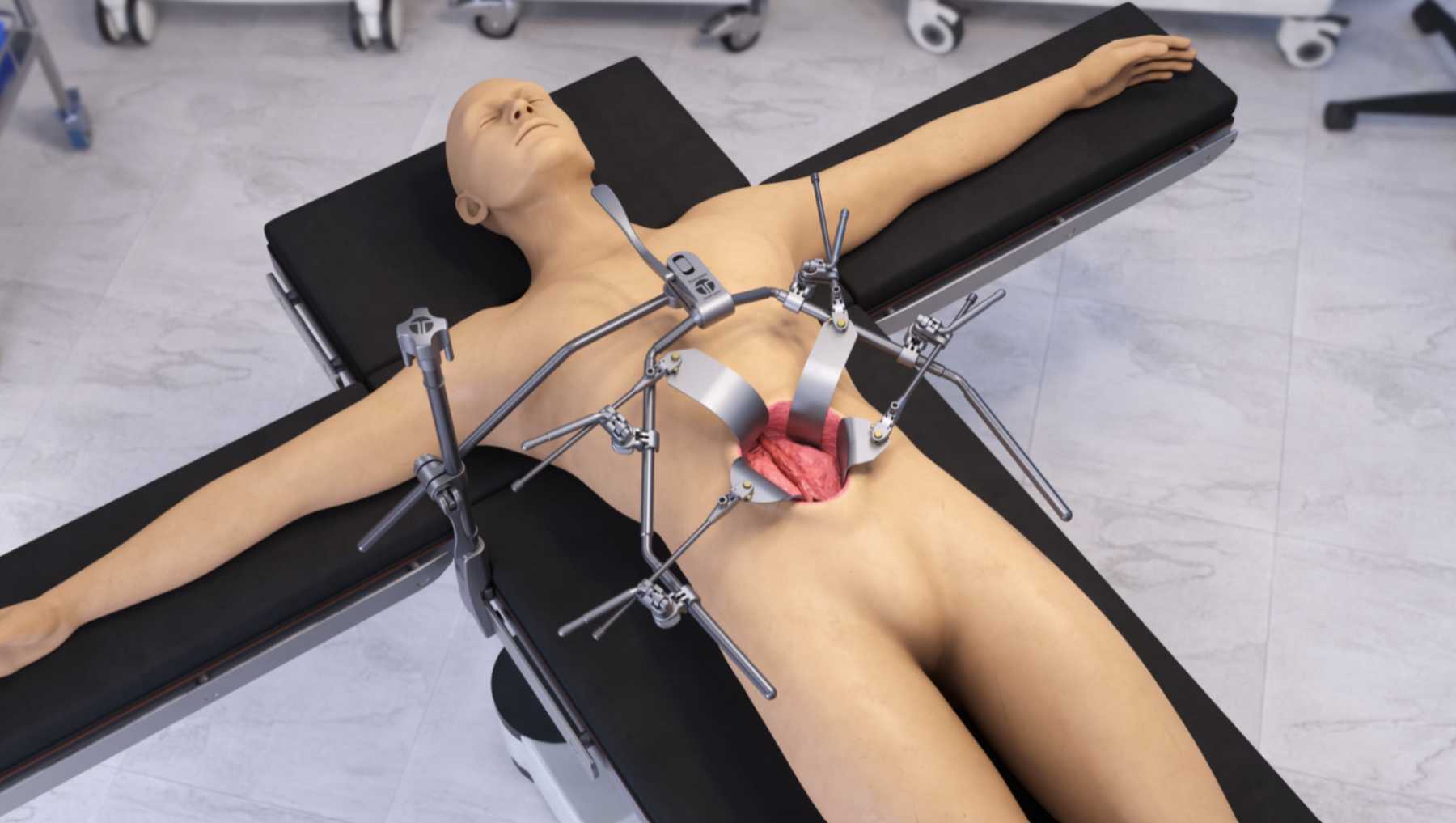
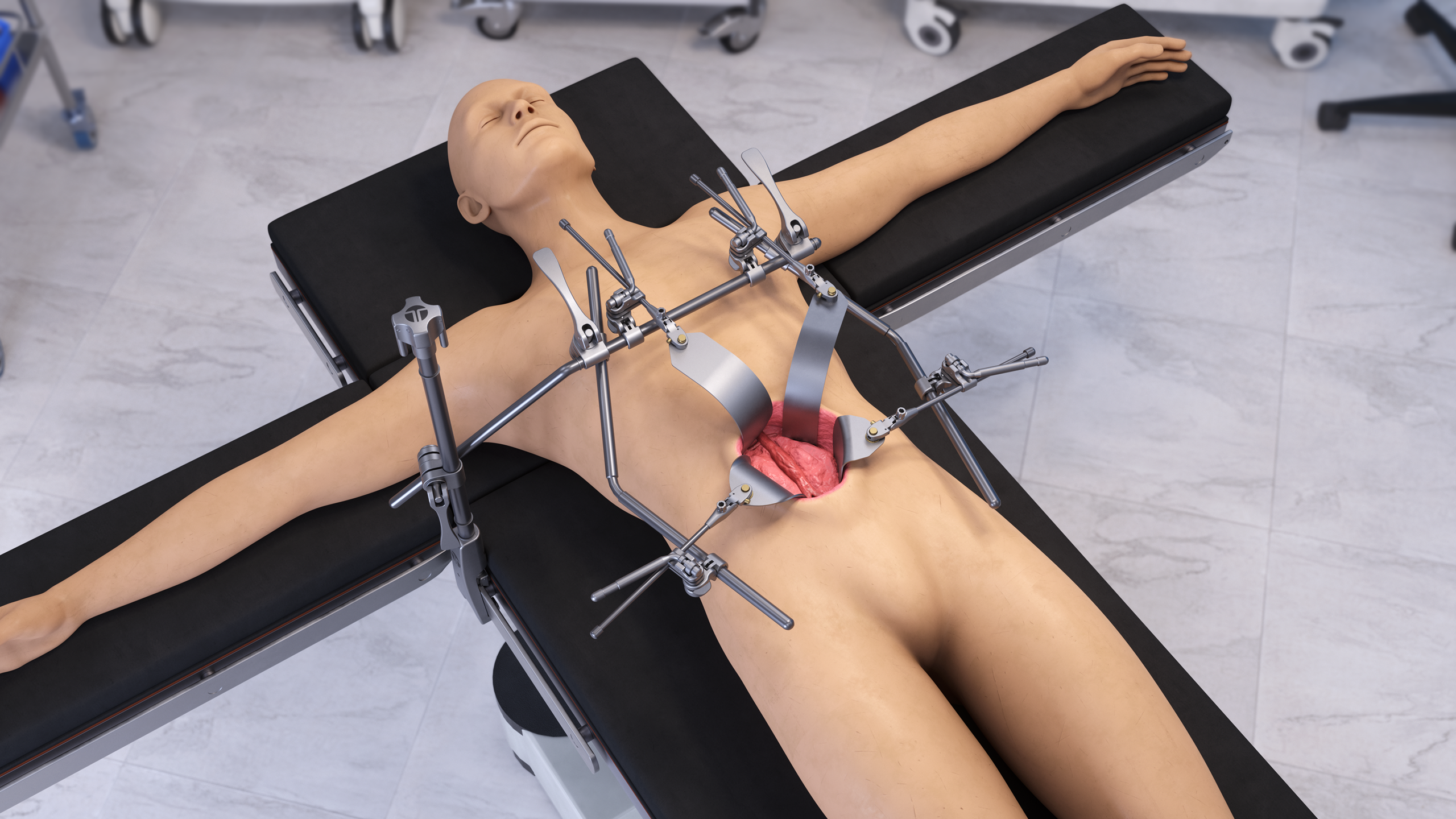
The Anterior Lumbar Spine Frame Retractor Set provides stable, hands-free exposure for anterior lumbar procedures with efficiency, specialized blade design, multi-planed retraction, and LitePath™ illumination. This configuration may be appropriate when the team wants a table-mounted frame that supports surgeon-controlled positioning with dedicated anterior lumbar blade options.
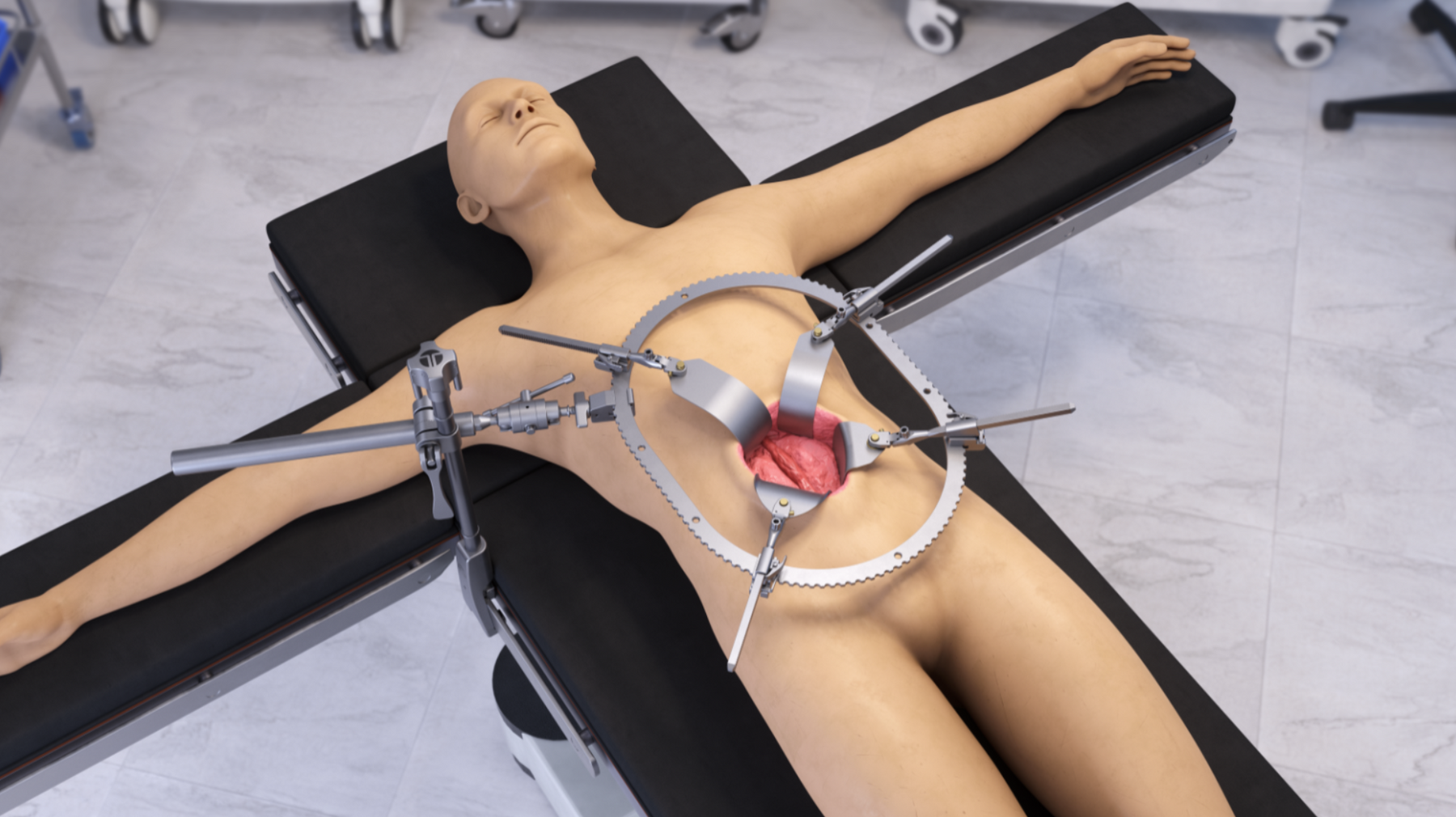
The Anterior Lumbar RingFrame Retractor Set uses a low-profile table-mounted ring for stable, independent retraction across the operative field. The ring configuration supports precise blade placement and includes LitePath™ integrated blade lighting for targeted illumination in the wound.
The Anterior Lumbar RingTrack® Retractor Set is built around Thompson’s RingTrack® frame and paired with LitePath™ illuminated blades. It supports reliable hands-free exposure for anterior lumbar approaches while giving teams access to blade kit options that include General & AL Brau, Short Neck Renal Vein, Radiolucent Richardson, Fixed RingTrack General Vascular, and LitePath add-on kits.
The Anterior Lumbar OneFrame Retractor Set uses a streamlined frame configuration for anterior lumbar procedures that allows for extremely fast setup. Its blade kit options include Short Neck Renal Vein, Radiolucent Richardson, LitePath Add-On, Long Neck Renal Vein with LitePath, and Anterior Lumbar blade options.
The Anterior Articulating Arm Retractor Set provides a stable table-mounted frame with adjustable articulating arms for versatile, multi-planar retraction. LitePath™ integrated blade lighting is also available with this configuration, supporting focused illumination directly in the wound.
The best choice depends on how the surgeon wants to create exposure, how the team manages setup, what blade options are needed, and how the facility wants to standardize across anterior lumbar procedures.
What OR Leaders Should Include in the Evaluation
Clinical performance is only one part of ALIF retractor selection. OR leaders also need to consider implementation, training, documentation, reprocessing, and long-term usability.
A retractor et should be evaluated across the full workflow:
● Pre-case setup
● Frame positioning
● Blade selection
● Surgeon adjustment during exposure
● Working space around the field
● Imaging workflow
● Takedown and turnover
● Cleaning and reprocessing
● Staff training and documentation
This matters because an ALIF retractor set is not used by the surgeon alone. Scrub techs, circulators, assistants, SPD teams, and purchasing stakeholders may all see workflow details that affect whether a configuration is practical for long-term use.
The right evaluation should answer a simple question: does this retractor set support the surgeon’s exposure strategy while fitting the OR team’s setup and reprocessing workflow?
Questions to Ask Before Standardizing
Before standardizing a table-mounted retractor set for ALIF, surgeons and OR leaders should evaluate the system in the context of actual cases and facility workflow.
Useful questions include:
● Does the frame provide stable, hands-free exposure for anterior lumbar procedures?
● Can the surgeon adjust blade position without disrupting the full setup?
● Does the blade kit support the level, anatomy, and exposure depth?
● Does the setup preserve working space for instrumentation and imaging?
● Is LitePath™ illumination needed for deep or narrow exposure?
● Can scrub techs and circulators reproduce the setup consistently?
● Can SPD teams process and organize the components efficiently?
● What user manuals, IFUs, catalogs, setup videos, or training resources are available?
● Can the team evaluate the retractor set in its own facility before purchase?
These questions keep the decision grounded in procedure fit instead of product preference alone.
Evaluating an ALIF Retractor Set in Your OR
A table-mounted ALIF retractor set should be evaluated in the environment where it will be used. Product specifications are helpful, but representative cases give surgeons and OR teams a better sense of setup, exposure, adjustment, working space, and staff familiarity.
Thompson offers a 30-day clinical evaluation for U.S. customers. During the evaluation, Thompson coordinates the retractor set, trains OR and SPD teams, and provides support throughout the trial.
This gives surgeons, OR leaders, and purchasing stakeholders an opportunity to assess the retractor set before making a long-term decision. The team can evaluate frame stability, blade options, LitePath™ illumination, setup repeatability, and documentation in the context of its own anterior lumbar workflow.
Thompson Retractor Sets for Spinal Surgeries
Choosing a table-mounted retractor for ALIF starts with the exposure required for the procedure. The frame should provide stable, hands-free support, but the full decision also includes blade selection, low-profile access, illumination, setup repeatability, documentation, and training. When surgeons and OR leaders evaluate the complete workflow, they can choose a retractor set that supports consistent anterior lumbar exposure and fits the needs of the surgical team.
Find additional resources including a quick setup video, specifications for spinal retractor sets like Thompson’s anterior lumbar retractor set with LitePath and more.
Thompson Surgical Instruments has spent more than 60 years refining table-mounted retraction systems for stable, hands-free surgical exposure. Our employee-owned team supports surgeons and OR teams with anterior lumbar configurations, procedure-specific blade options, LitePath™ illumination, training, and clinical evaluation support. Contact us today to learn more about choosing a table-mounted retractor for ALIF.
Share:
HPB Surgery Retractors: Matching Retraction to Open and Laparoscopic Procedures
ALIF Retractor Set Selection: RingFrame, RingTrack, OneFrame, Spine Frame, or Articulating Arm?