



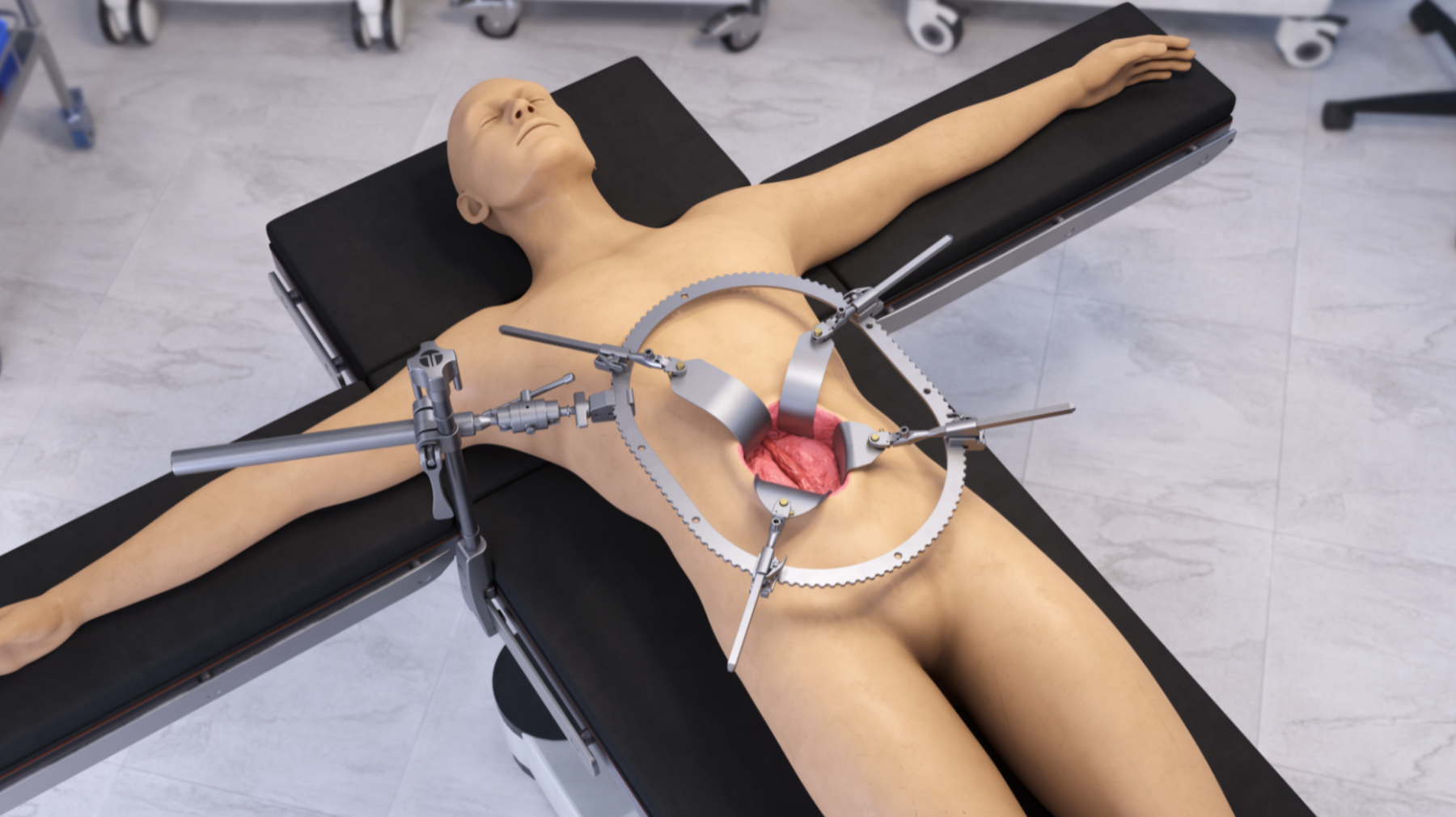
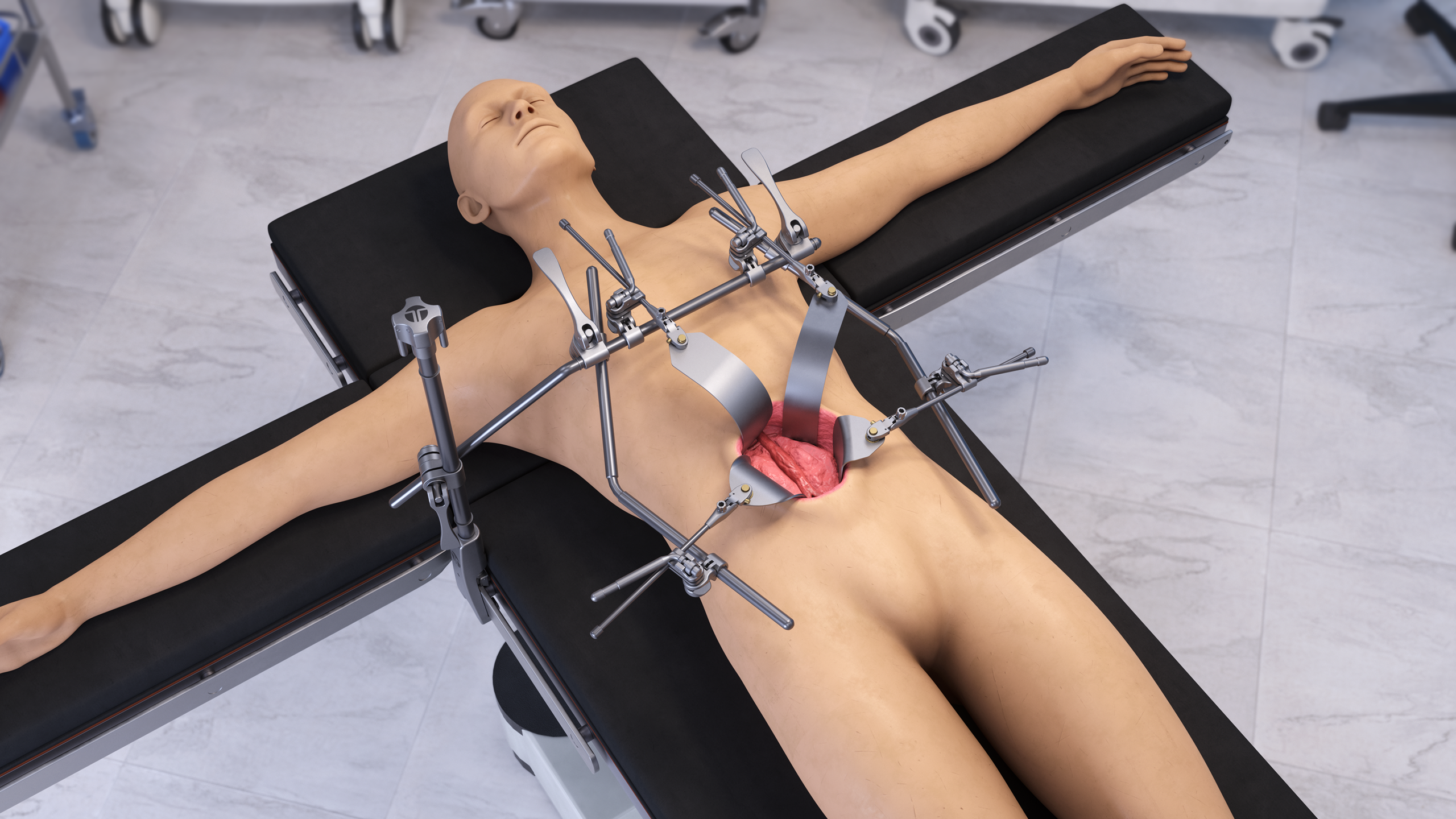
Abdominal retraction in combined thoracoabdominal exposure requires a coordinated strategy because retraction demands differ between the thoracic and abdominal cavities. Effective exposure planning often pairs rib spreading for thoracic access with table-mounted abdominal retraction to maintain consistency during extended procedures.
When competing retraction forces are intentionally managed, surgical teams can maintain deep operative access while minimizing workflow interruptions as the case progresses.
What Makes Combined Thoracoabdominal Exposure Complex
Combined thoracoabdominal exposure introduces retraction challenges that extend beyond those encountered in procedures limited to a single operative cavity. Rather than addressing thoracic or abdominal access independently, surgical teams must consider how multiple exposure systems interact across the same operative field.
These cases involve transition zones where thoracic and abdominal access overlap, requiring retraction to function across different depths and planes simultaneously. Rib spreading used for thoracic exposure applies force differently from abdominal retraction, raising practical questions about how exposure will be maintained without competing tension, drift, or repeated adjustment as the case progresses.
As procedure duration increases, complexity shifts from achieving initial exposure to sustaining it. Teams must consider whether retraction systems can maintain their position over time, how often re-adjustments may be required, and how multiple retraction sets can be coordinated without disrupting workflow. In these environments, exposure planning shifts from isolated instruments to how retraction strategies work together throughout the procedure.
Understanding Different Retraction Needs in Thoracic vs Abdominal Retraction
Thoracic and abdominal operative fields place fundamentally different demands on retraction systems, which is why combined thoracoabdominal exposure requires a coordinated approach rather than a single solution. While both fields rely on stable exposure, the direction, depth, and duration of retraction forces vary significantly between them.
-
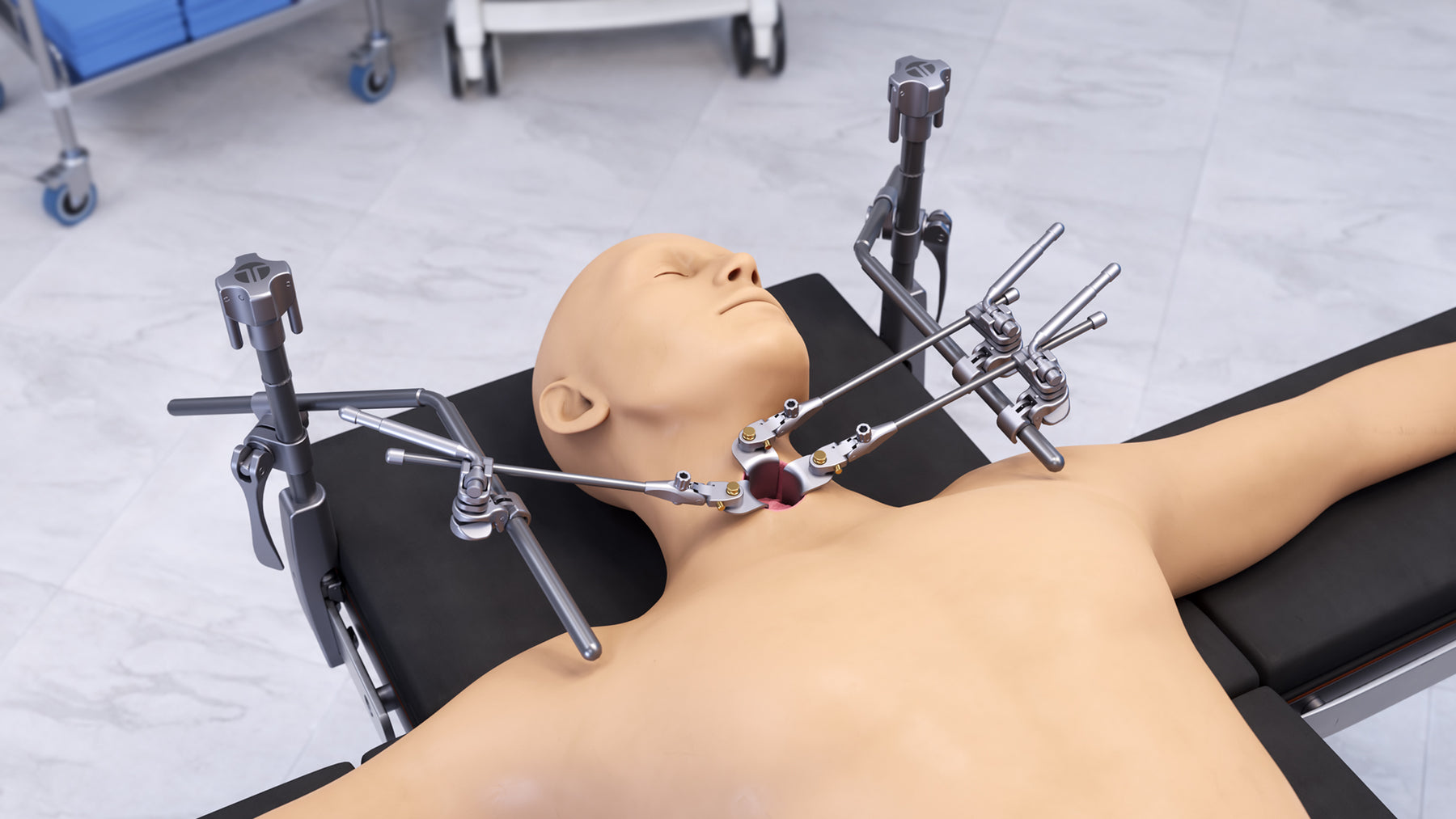
Thoracic exposure typically involves rib spreading and lateral access, where retraction forces are applied across curved anatomical planes to maintain visualization within a relatively constrained working space. These forces are often distributed outward, prioritizing inter-rib access while preserving stability during respiratory motion and prolonged exposure.
-
Abdominal retraction by contrast, frequently involves deeper operative cavities and longer reach. Retraction forces are applied to maintain access beneath the abdominal wall and around internal structures, often through narrower incisions or extended access corridors. As procedure duration increases, maintaining exposure geometry without drift or repeated manual adjustment becomes a key consideration.
When thoracic and abdominal exposure occur simultaneously, these differing retraction requirements must be managed together. Systems that perform well in isolation may behave differently when paired, particularly when competing vectors are introduced.
Effective retraction planning in combined cases considers how thoracic and abdominal retraction systems interact over time, how adjustments in one field affect the other, and how stability can be maintained across both operative regions throughout the procedure.
Coordinated Retraction Strategies for Combined Exposure
In combined thoracoabdominal procedures, retraction planning focuses on how multiple exposure systems will work together over time rather than on individual instruments. Thoracic and abdominal retraction often operate simultaneously, making coordination critical to maintaining access without introducing competing tension or repeated disruption.
Effective strategies prioritize stable positioning, predictable sequencing, and minimal re-adjustment. When retraction systems are configured to remain fixed once placed, surgical teams can maintain focus on procedural steps rather than on ongoing exposure management as the case progresses.
Table-Mounted Abdominal Retraction in Combined Thoracoabdominal Cases
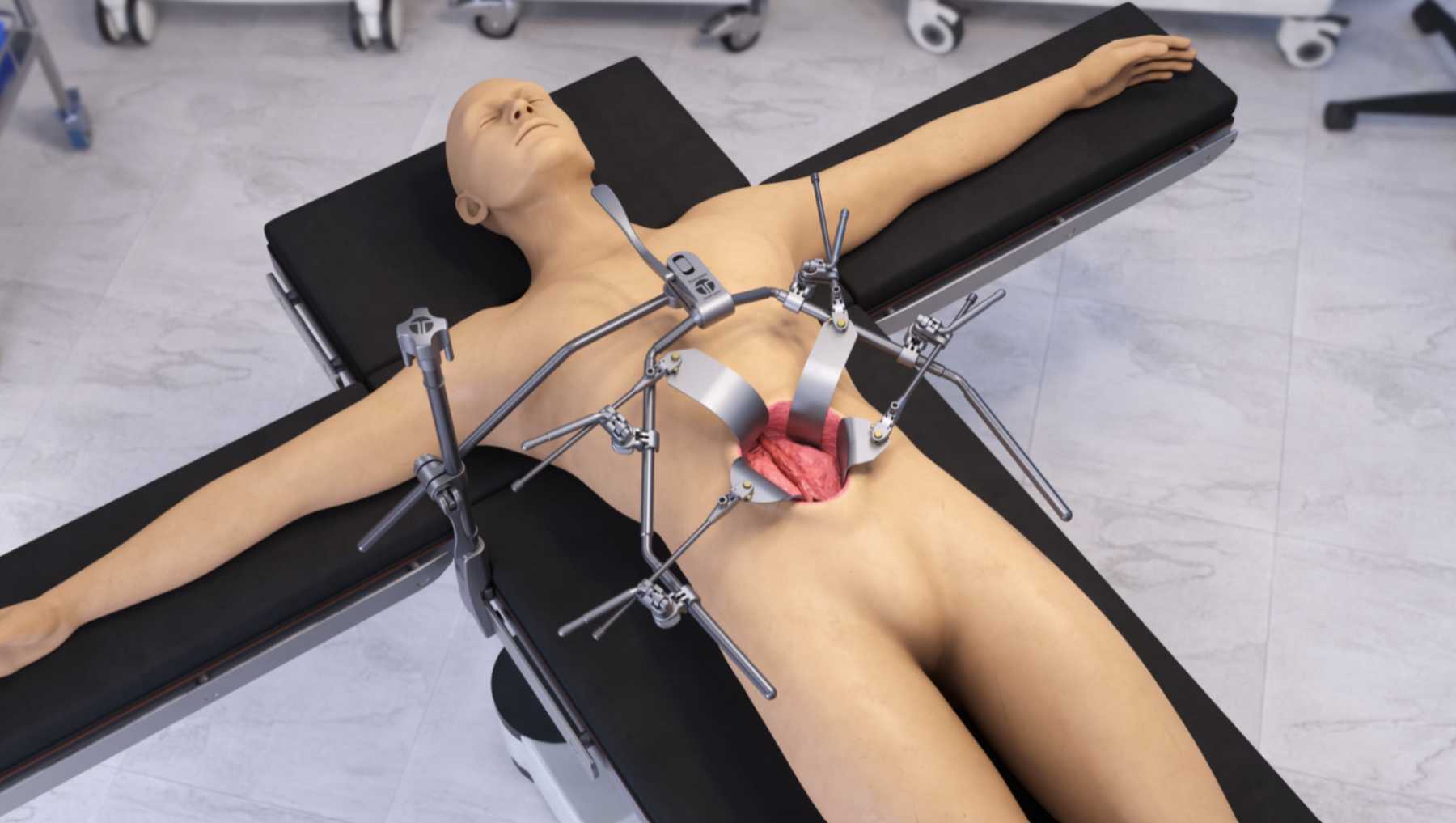
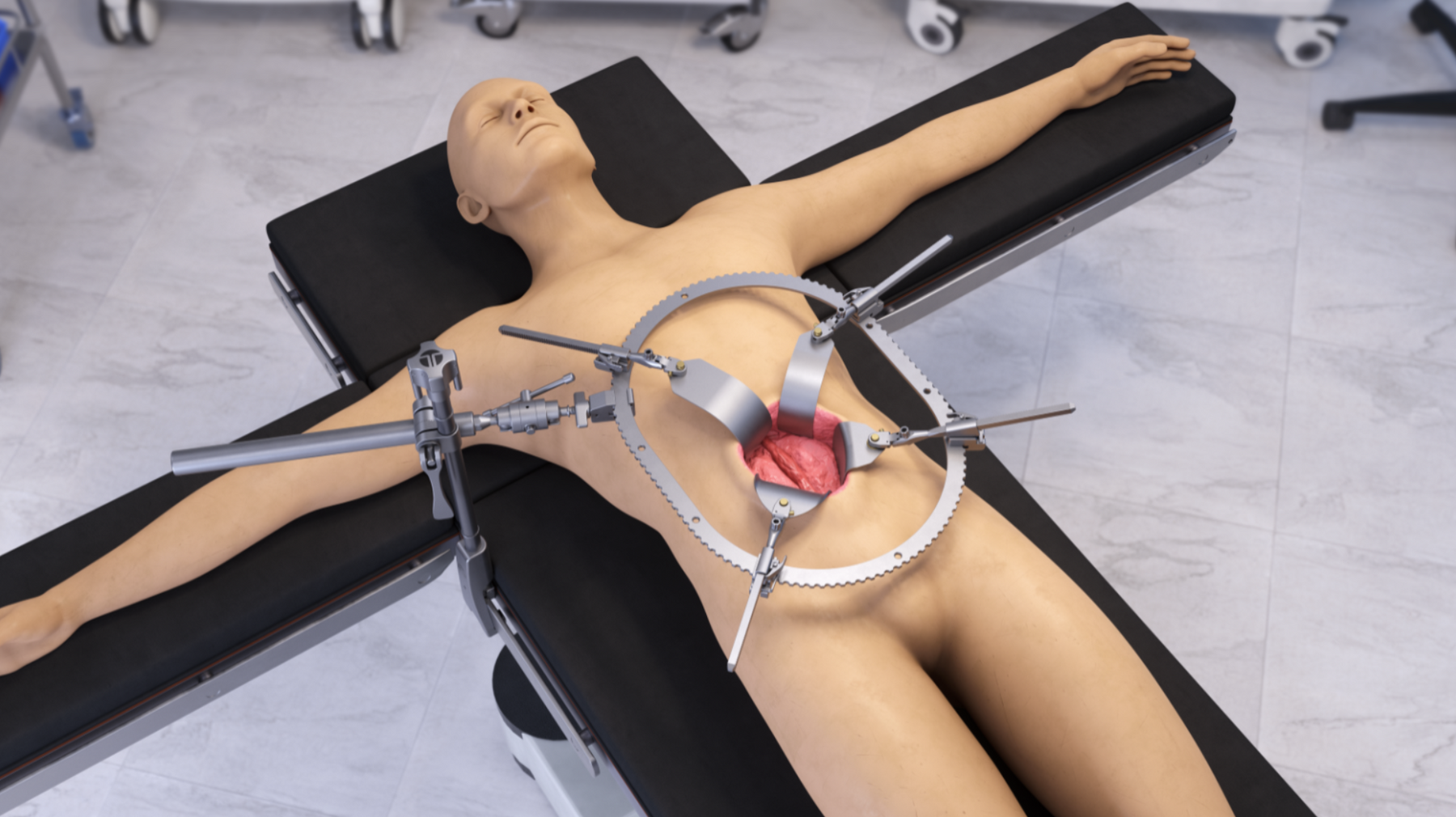
Abdominal retractors play a central role in combined exposure, particularly when deep access must be maintained alongside thoracic retraction. In these settings, a table-mounted abdominal retraction system is often selected to provide hands-free support that remains stable during rib spreading or other thoracic procedures.
Anchoring an abdominal retractor system to the operating table allows exposure to be maintained independently of manual holding. This stability helps preserve abdominal access throughout the procedure, reducing the need for intervention as other exposure demands shift.
Maintaining Exposure Consistency Over Time
As procedure duration increases, maintaining exposure becomes more challenging than establishing it in the first place. Small shifts in tension or positioning can accumulate, requiring correction that interrupts workflow.
Retraction systems designed to remain stable under sustained load help minimize these interruptions. Consistent exposure supports predictable case flow, enabling surgical teams to manage complex, multi-field access with fewer disruptions during long procedures.
How Thompson Surgical Instruments Supports Coordinated Abdominal Retraction
Thompson Surgical Instruments designs table-mounted retraction systems with the understanding that no two combined exposure cases are the same. With over 60 years dedicated exclusively to surgical exposure, Thompson Surgical Instruments builds modular, low-profile retraction solutions that enable surgical teams to adapt setups based on anatomy, access strategy, and workflow preferences without sacrificing stability or control.
A 30-day clinical evaluation gives teams the opportunity to test Thompson’s table-mounted abdominal retraction in real operating room conditions, alongside thoracic access and rib spreading systems. This hands-on evaluation allows surgeons and OR staff to refine their configuration, confirm long-term exposure consistency, and standardize a setup they can depend on before committing to adoption.
For more than six decades, Thompson Surgical Instruments has remained focused on advancing surgical exposure through durable engineering, thoughtful design, and close collaboration with surgical teams. Guided by our mission, the Relentless Pursuit of Perfection, every Thompson Retractor reflects our commitment to safe, versatile systems that support reliable surgical access in demanding operating room environments. Contact us to learn how Thompson Surgical Instruments supports consistent, hands-free abdominal retraction.
Share:
Why Table-Mounted Retraction Is the Go-To Strategy for Long Thoracoabdominal Aortic Cases
Complications Teams Plan Around in Thoracoabdominal Aortic Repair, and Why Exposure Consistency Matters