




Thoracoabdominal aortic repair entails well-recognized complications that surgical teams mitigate through careful operative strategy and coordination. Maintaining consistent exposure through table-mounted retraction and abdominal retraction supports workflow efficiency by minimizing interruptions during long, complex procedures. While exposure alone does not prevent complications, consistency in access helps teams focus on critical surgical tasks as the case progresses.
Understanding Complication Risk in Thoracoabdominal Aortic Repair
Thoracoabdominal aortic repair remains one of the most complex procedures performed in vascular and cardiothoracic surgery. These cases often involve extended operative times, deep surgical fields, and the coordination of multiple teams and technologies. As a result, surgical planning routinely accounts for a range of potential complications that can arise during or after repair.
Rather than reacting to complications as isolated events, experienced teams anticipate risk categories early and structure their approach, including exposure strategy, to support controlled, efficient execution throughout the procedure.
Common Complication Categories Teams Plan Around
Neurologic Risk: Spinal Cord Ischemia
Spinal cord ischemia is among the most closely monitored risks in thoracoabdominal aortic repair. Disruption of blood supply to the spinal cord may occur during aortic cross-clamping or vessel coverage, particularly in long or extensive repairs. Surgical teams often employ multimodal protection strategies, including perfusion management, neuromonitoring, and procedural planning, to reduce neurologic risk.
Because these cases demand sustained focus and precise execution, minimizing workflow interruptions during exposure becomes a practical consideration rather than a purely technical one.
Renal Injury and Visceral Ischemia
Renal dysfunction remains another recognized concern, particularly in procedures involving prolonged manipulation of the abdominal aorta and its branches. Temporary reductions in renal perfusion, embolic events, or extended operative time can contribute to postoperative renal injury.
Maintaining stable abdominal retraction helps support predictable access to visceral structures, allowing teams to work efficiently without repeated adjustments that can slow progress during critical stages of repair.
Cardiopulmonary and Systemic Complications
Thoracoabdominal aortic repair places significant physiologic stress on patients. Pulmonary complications, cardiovascular events, and systemic inflammatory responses may occur, especially during long procedures requiring extensive exposure. Operative duration and cumulative intraoperative disruptions can influence overall case complexity.
While exposure strategy is only one component of risk management, consistent surgical access supports smoother coordination among team members during demanding operative phases.
Why Exposure Consistency Is a Practical Consideration
In long, technically demanding cases, repeated adjustments to retractors can fragment workflow and add incremental time to the procedure. Over several hours, these small inefficiencies can accumulate.
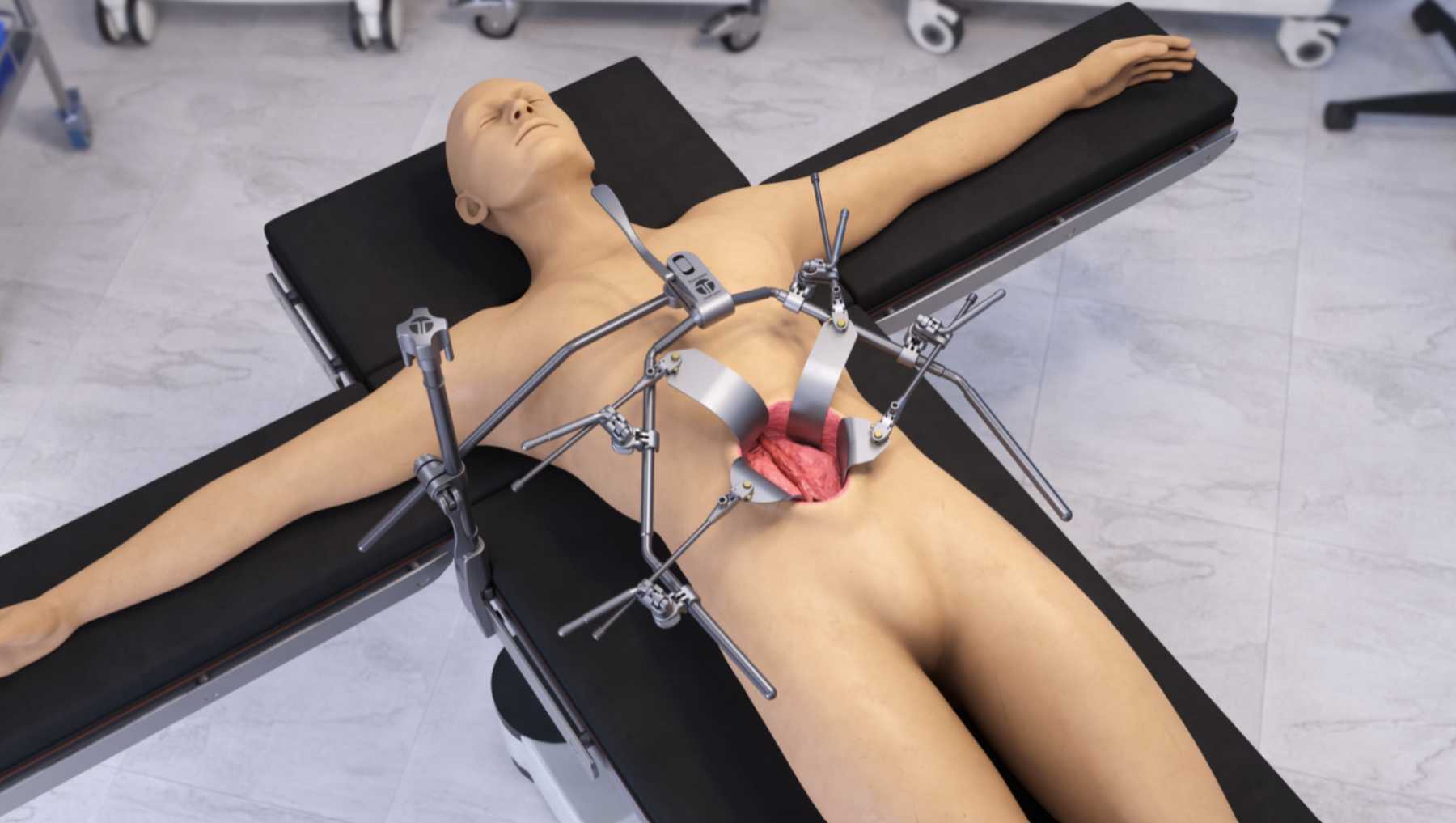
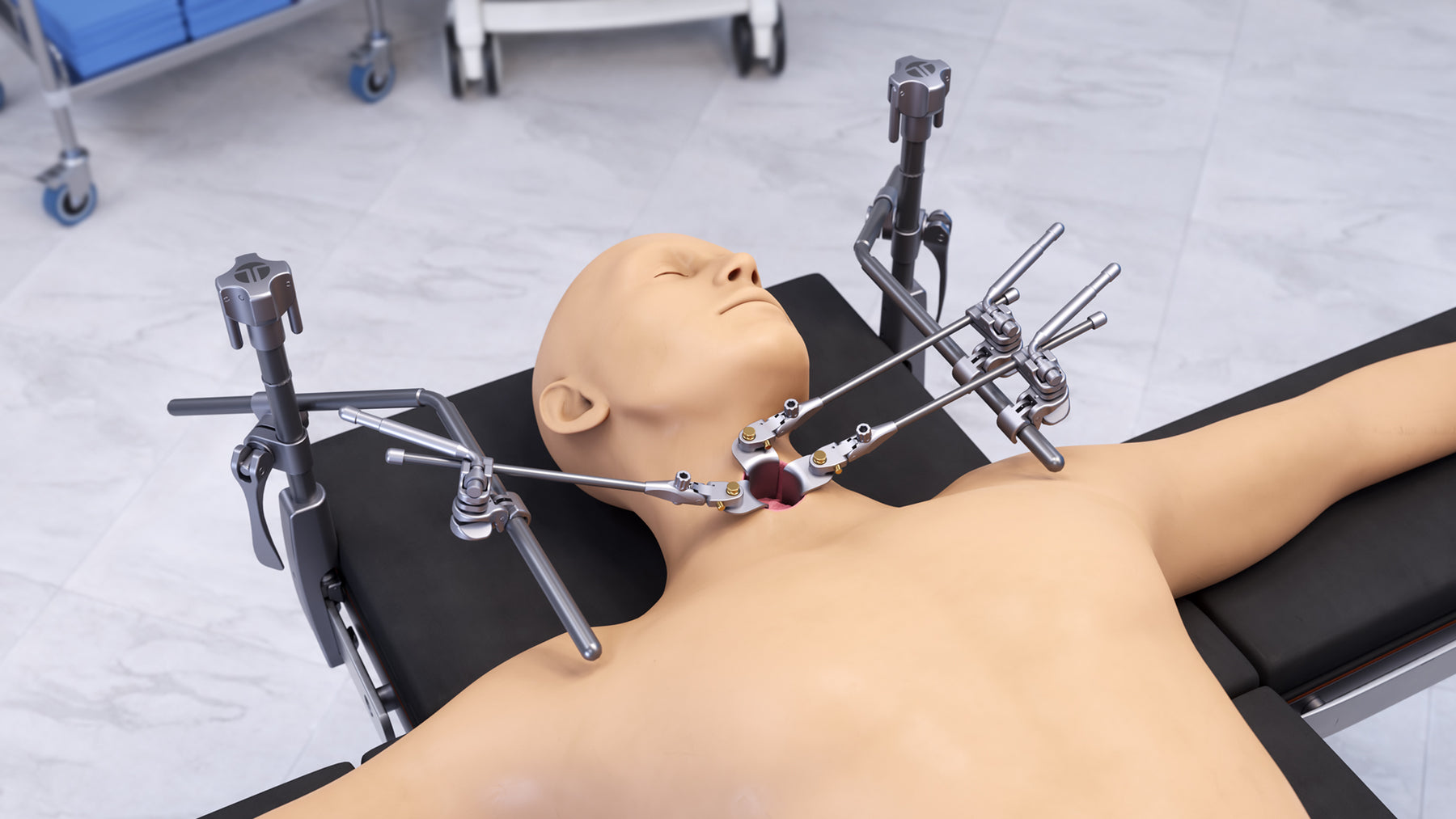
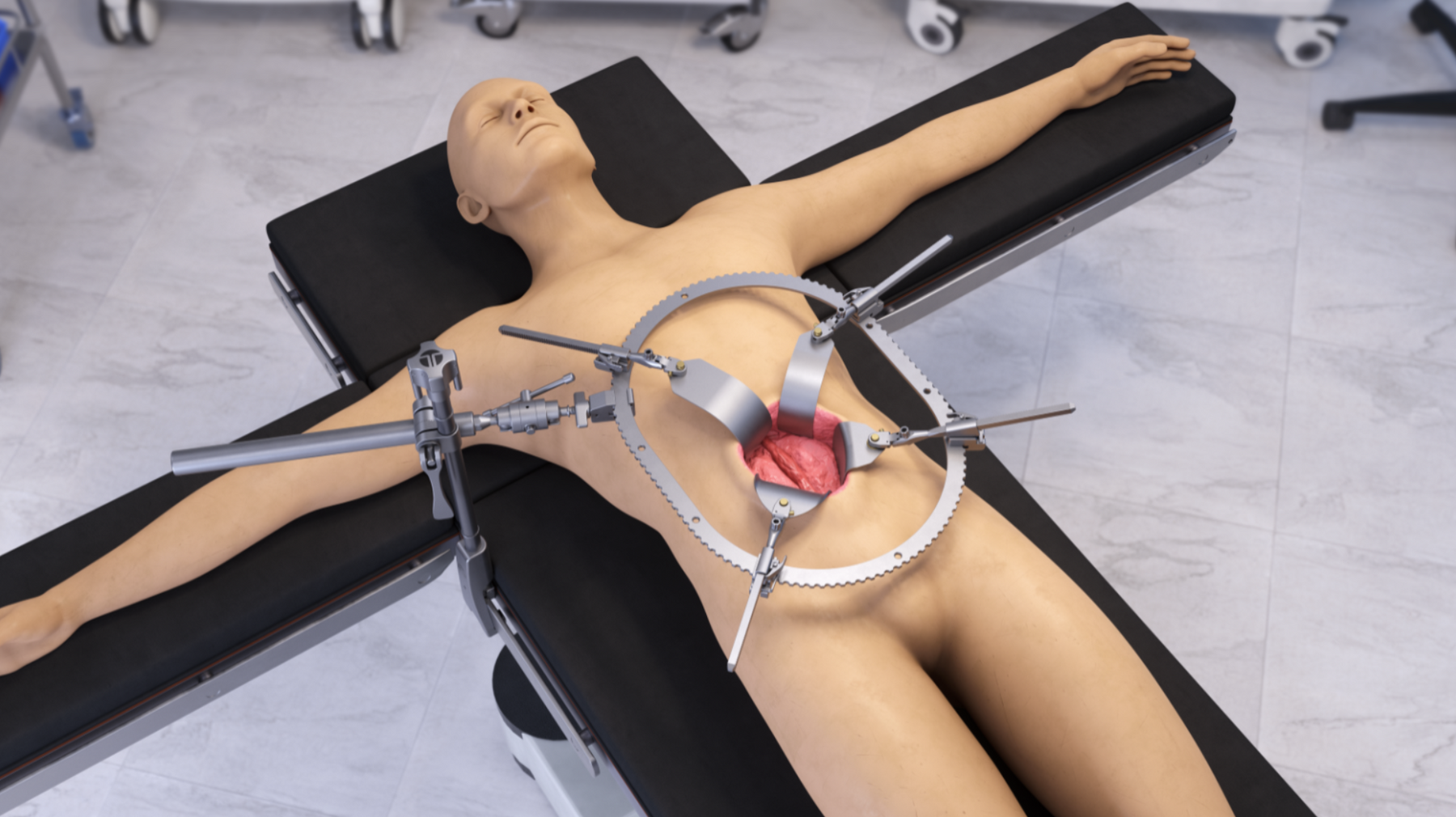
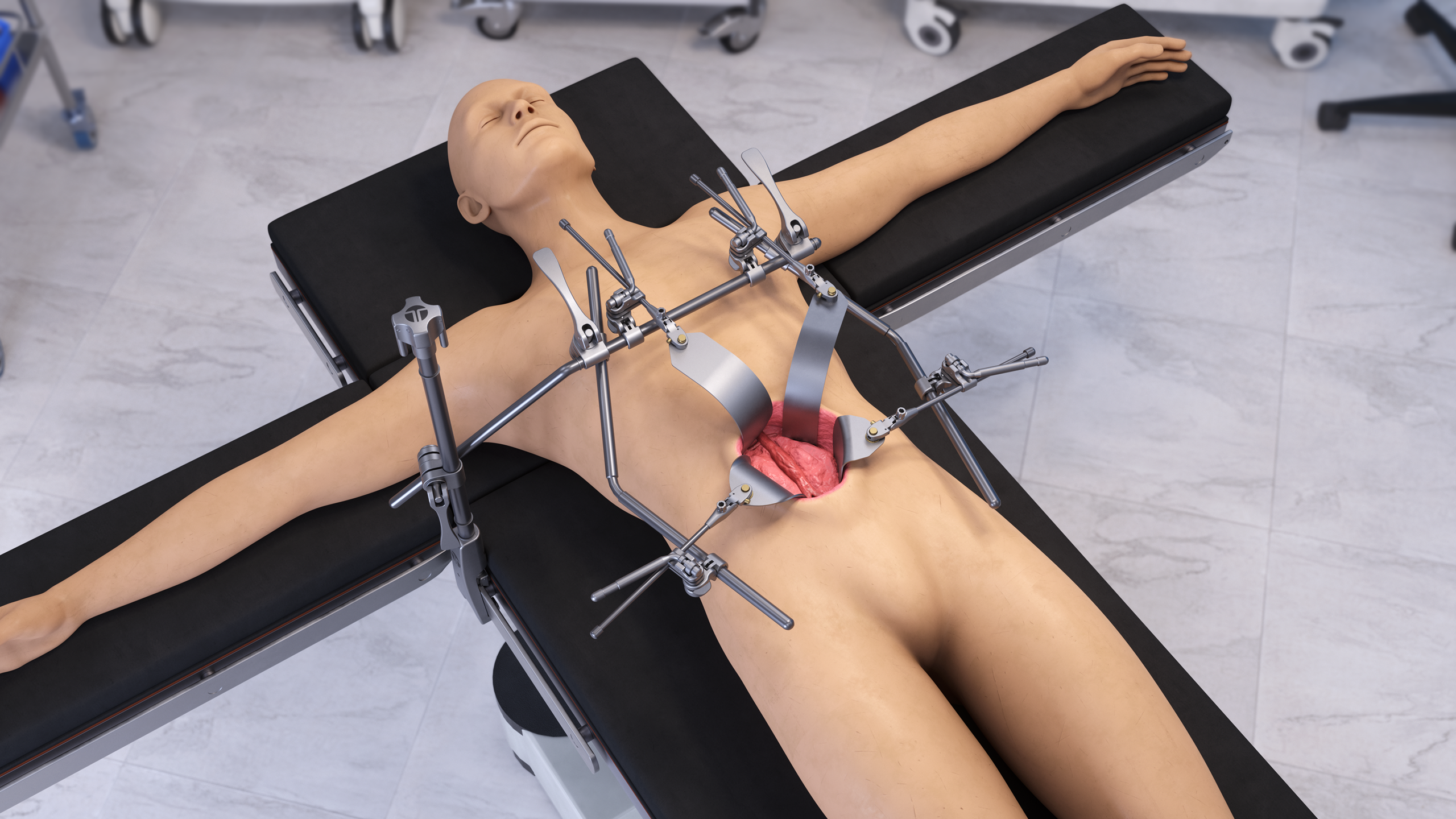
Table-mounted retraction provides a stable foundation for abdominal retraction by anchoring the surgical exposure to the operating table rather than relying on sustained manual holding. This approach supports hands-free stability and helps maintain consistent access as anatomy, depth, and direction of pull evolve during the case.
Consistent exposure enables surgical teams to focus on procedural decision-making rather than on ongoing retraction management, supporting continuity without implying control over clinical outcomes.
Table-Mounted Retraction in Abdominal Exposure Planning
Abdominal exposure in thoracoabdominal aortic repair often requires maintaining access across multiple operative planes. Table-mounted retraction systems are commonly incorporated into planning because they support repeatable setup and stable positioning throughout extended procedures.
By providing hands-free abdominal retraction, table-mounted systems reduce the need for frequent repositioning and enable independent adjustment as the surgical field changes. This consistency contributes to predictable case flow and supports coordination across surgical disciplines involved in the repair.
Thompson Surgical Instruments’ Perspective on Exposure Consistency
Thompson Surgical Instruments designs table-mounted retraction systems with the realities of long, complex procedures in mind. With more than 60 years of experience focused exclusively on surgical exposure, Thompson emphasizes durable engineering, modular configuration, and workflow-driven design built for surgeons.
As an employee-owned company guided by a Relentless Pursuit of Perfection, Thompson continues to refine retraction systems that support consistent surgical access and hands-free abdominal retraction. Through a 30-day clinical evaluation program, surgical teams can assess how table-mounted retraction integrates into their exposure strategy, refine configurations in real-world conditions, and standardize workflows before full adoption.
Thompson Surgical Instruments has spent more than 60 years advancing table-mounted retraction systems that support consistent surgical access in complex procedures. As an employee-owned manufacturer, we provide configurable, hands-free abdominal retraction solutions that integrate seamlessly into demanding operative workflows. Contact us to learn how Thompson Surgical Instruments supports surgical teams through reliable table-mounted retraction.
Share:
Coordinating Abdominal Retraction in Combined Thoracoabdominal Exposure
Standardizing Retraction for Multi-Hour Aortic Surgeries: How Teams Build Repeatable Setups (Without Reinventing the Wheel)