




Retraction for multi-hour aortic surgeries requires standardized, repeatable setups that maintain stable surgical access throughout extended thoracic and abdominal phases. Teams often build modular table-mounted configurations, guided by preference cards and defined exposure “modules”, to minimize intra-case interruptions and reduce variability between cases. Standardizing retraction supports consistent access, controlled adjustments, and a more predictable workflow during long vascular procedures.
Retraction for Multi-Hour Aortic Surgeries
Multi-hour aortic procedures place sustained mechanical and workflow demands on retraction sets. Exposure may extend from thoracic to abdominal phases; depth increases as dissection progresses; and access vectors shift as anatomy is addressed sequentially. In these cases, retraction performance is not defined solely by initial positioning; it is defined by how consistently the retractor maintains surgical access over time.
When setups vary case to case, teams spend unnecessary time repositioning components, rebalancing tension, or adapting to inconsistent configurations. Standardizing retraction for multi-hour aortic surgeries helps eliminate these inefficiencies. A repeatable framework, built around stable table-mounted support, clearly defined exposure modules, and documented setup protocols, reduces variability while preserving flexibility for procedural nuance.
By approaching retraction as a structured set rather than a one-off assembly, surgical teams can support consistent exposure geometry, faster adjustments, and fewer interruptions in long-duration vascular cases.
Why Standardization Matters in Long Aortic Cases
Multi-hour aortic surgeries often involve sequential phases of exposure, evolving access requirements, and sustained retraction forces. Without a defined plan, minor setup inconsistencies can compound over time, leading to mid-case repositioning, workflow pauses, and unnecessary adjustments.
Standardizing retraction for multi-hour aortic surgeries helps:
● Maintain consistent surgical access geometry across cases
● Reduce setup variability between teams and shifts
● Minimize intra-case repositioning
● Improve communication among surgeons, assistants, and Sterile Processing Department (SPD) teams
● Support a more predictable case flow
In long vascular procedures, consistency is not about rigidity. It is about building a repeatable foundation that allows deliberate, controlled adjustments rather than improvised reconfiguration.
Building Repeatable Setups with Exposure “Modules”
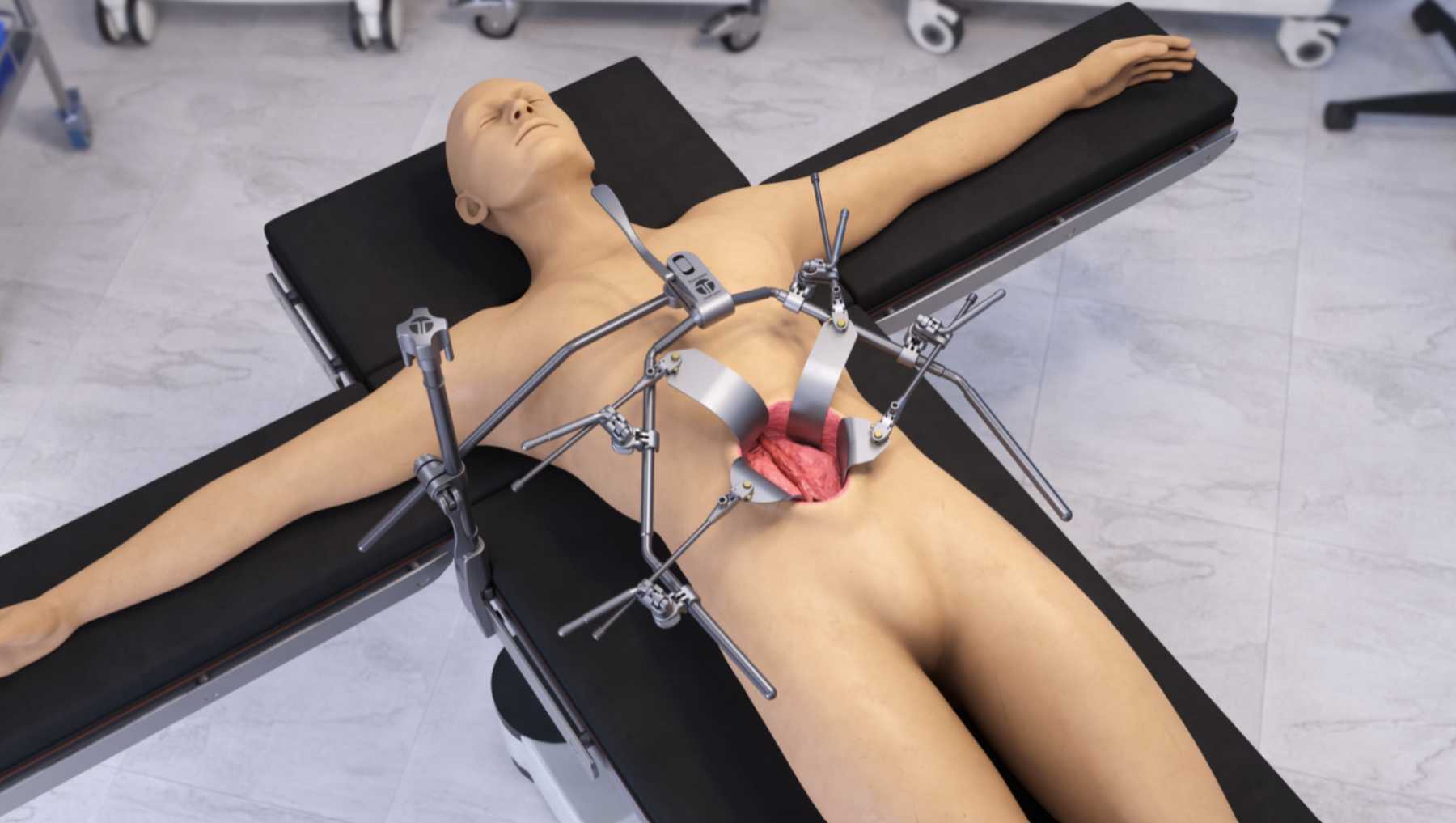
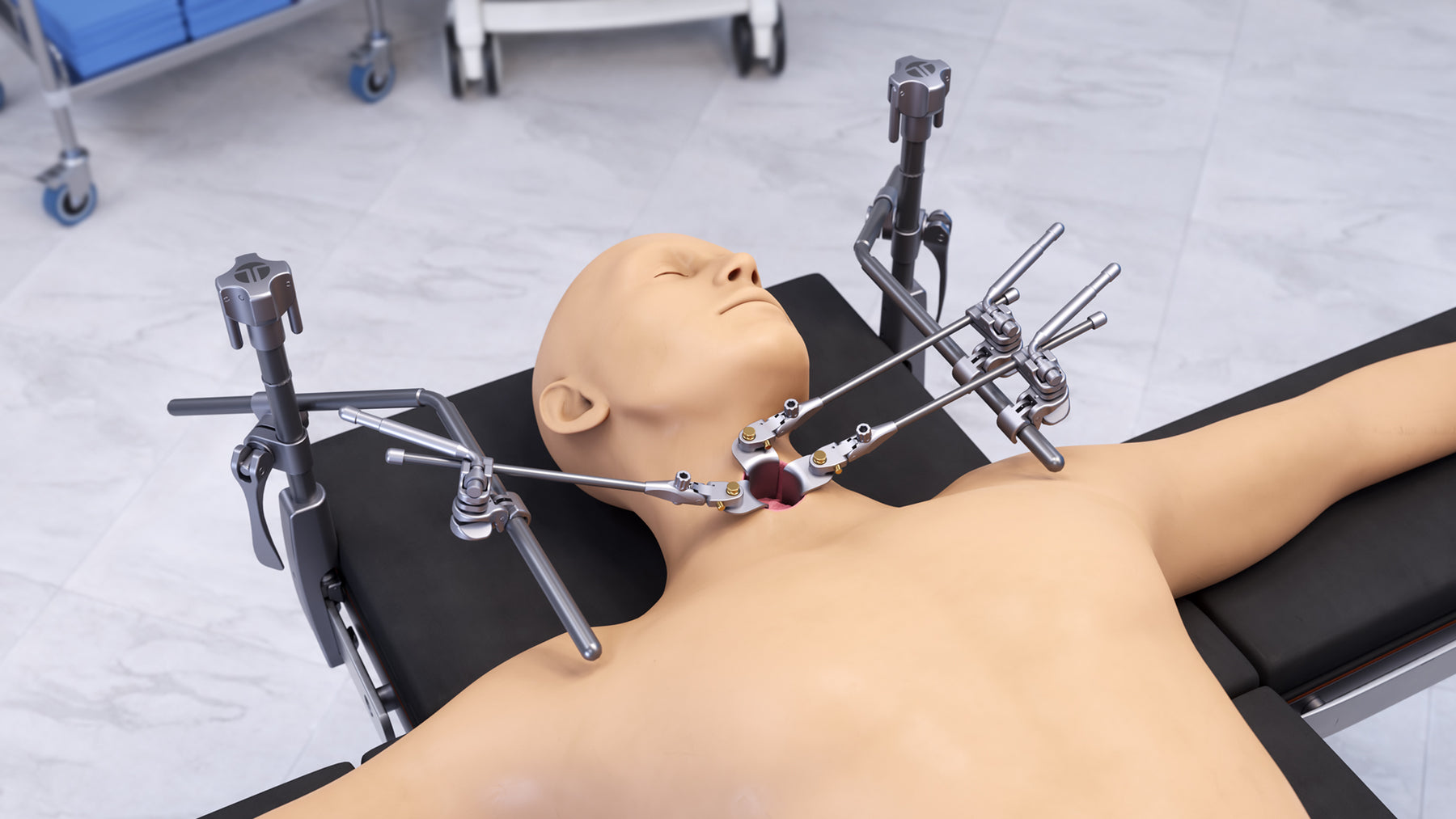
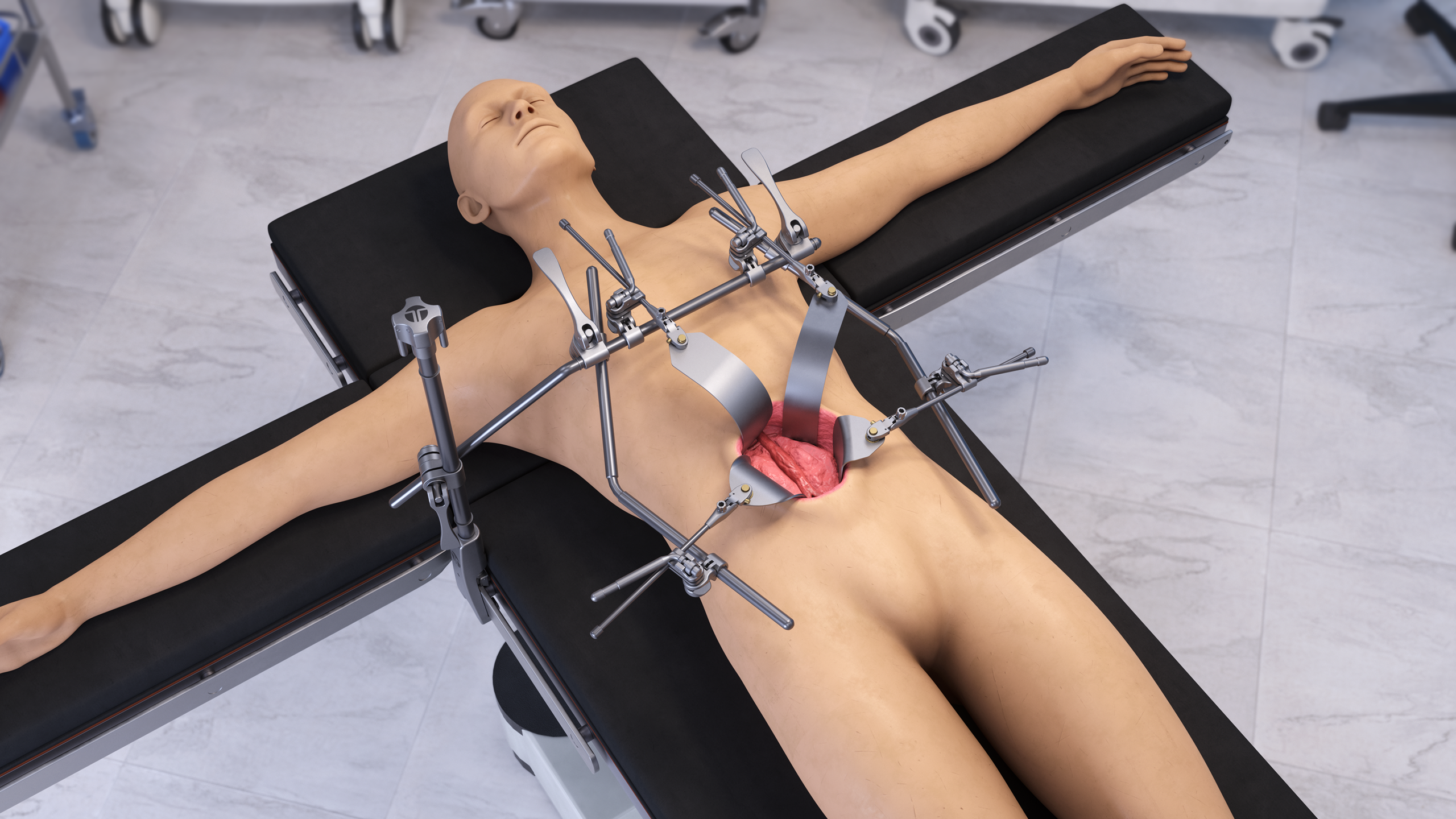
Combined thoracic and abdominal aortic procedures rarely rely on a single retraction construct. Instead, teams frequently use defined configuration “modules” that address different phases of the case.
Typical modules may include:
● A thoracic component coordinated with rib spreading
● A table-mounted abdominal module for deep retroperitoneal access
● Blade configurations selected for depth and direction of pull
● Arm placements standardized by position and angle
By defining these modules in advance, teams avoid rebuilding the retractor set from scratch each time. They instead activate a known configuration and refine only what is necessary for patient-specific anatomy.
This modular approach enables rapid adaptation when transitioning between thoracic and abdominal phases while preserving the overall construct's stability.
Preference Cards and Documented Setups
Preference cards play a central role in standardization. In multi-hour vascular cases, they do more than list instruments; they define how the exposure system is assembled.
Effective preference documentation should include:
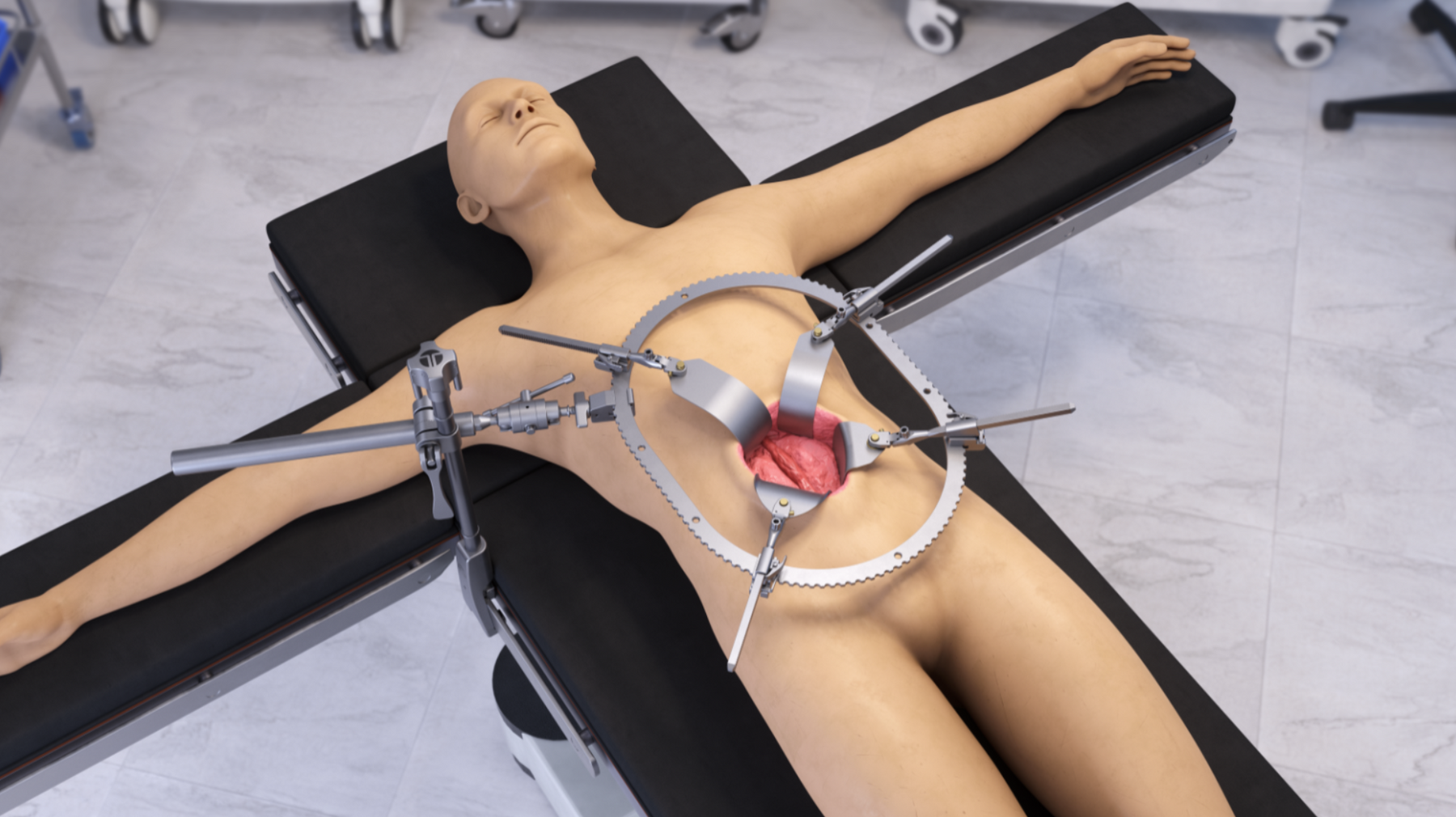
● Frame type and mounting position
● Rail clamp orientation
● Arm configuration and attachment points
● Blade selection for each procedural phase
● Adjustment sequence for deeper access
When these elements are documented and consistently followed, setup becomes predictable. Assistants anticipate positioning. Circulators prepare the correct components. SPD teams know how sets should be configured post-processing.
Standardization reduces cognitive load during demanding procedures and allows teams to focus on surgical execution rather than hardware improvisation.
Rapid Adjustments Without Reinventing the Wheel
Long aortic procedures inevitably require adjustments. Depth increases. Exposure vectors change. Surrounding anatomy shifts.
Standardized retraction set support:
● Localized arm repositioning without full disassembly
● Blade exchanges without disturbing the base construct
● Incremental adjustments rather than major resets
● Stable table-mounted anchoring to preserve core geometry
When the foundational construct remains fixed and predictable, adjustments become targeted rather than disruptive. Surgical teams can refine access without recreating the setup mid-procedure.
The result is fewer workflow interruptions and more controlled adaptation during prolonged retraction.
How Thompson Surgical Instruments Supports Standardized Retraction
Thompson Surgical Instruments has focused exclusively on table-mounted retraction for more than 60 years, beginning with the world’s first patented table-mounted retractor set in 1965. That long-standing focus has shaped surgical access systems designed not only for stability, but also for repeatable configuration and predictable performance.
Key characteristics that support standardized setups include:
● Table-mounted frames that anchor securely to the OR bedrail
● Multi-planed arm positioning for controlled directional pull
● S-Lock® blades for fixed-plane retraction when needed
● Swivel-Only blades that align naturally with anatomy
● Configurable frame-and-blade kits built around procedural needs
Because Thompson retractor sets are modular, teams can build defined thoracic and abdominal exposure modules and then standardize them across similar cases. This approach supports consistency from incision through closure, even in multi-hour vascular procedures.
Thompson Surgical Instruments also offers a 30-day clinical evaluation program, allowing surgical teams to trial configurations in real-world cases before full adoption. This supports measured standardization based on actual workflow, not theoretical planning.
Predictable Retractor Sets for Demanding Procedures
Retraction for multi-hour aortic surgeries benefits from deliberate standardization rather than case-by-case improvisation. By defining modular exposure setups, documenting preference cards, and maintaining a stable table-mounted foundation, surgical teams reduce variability and support consistent surgical access throughout prolonged procedures.
Thompson Surgical Instruments has dedicated over six decades exclusively to advancing table-mounted retraction sets engineered for durability, modularity, and workflow consistency. Guided by the Relentless Pursuit of Perfection, our employee-owned team designs retractors that support repeatable surgical access in complex, long-duration cases. Contact us to learn more about standardizing retraction for multi-hour aortic surgeries.
Share:
Complications Teams Plan Around in Thoracoabdominal Aortic Repair, and Why Exposure Consistency Matters
What’s New in Thoracoabdominal Aortic Repair: Hybrid & Endovascular Devices, and How They Influence Open Exposure Needs