



Retractor Sets

- by Thompson Surgical
A Buyer’s Checklist for Retractors for Long TAAA Surgeries: Stability, Reach, and OR Footprint
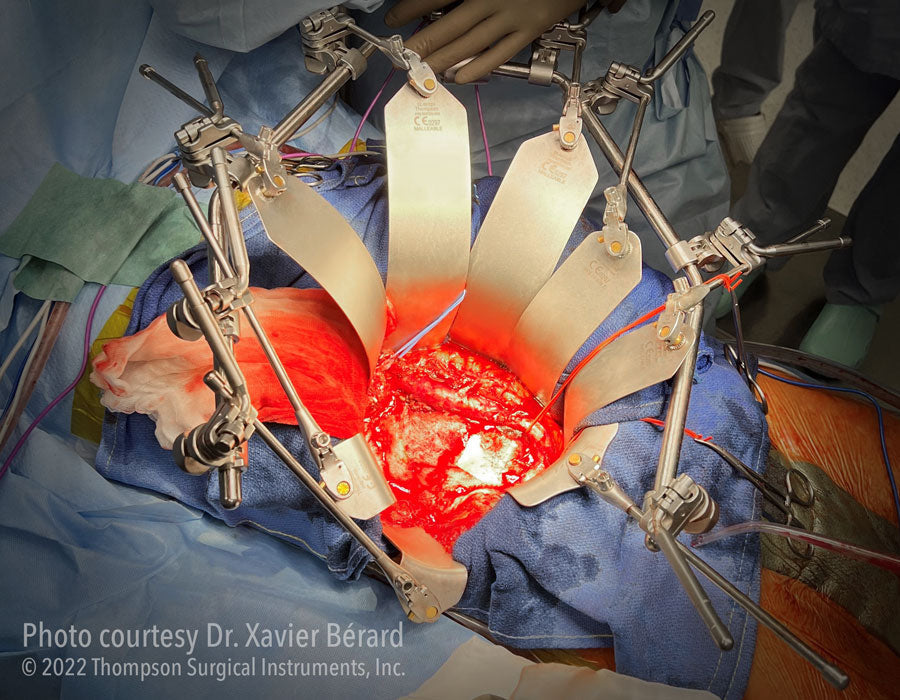
Retractors for long TAAA surgeries must maintain stable surgical access across the thoracic and abdominal phases without repeated re-adjustment. A table-mounted retractor set is commonly selected because it provides hands-free stability, multi-planar control, and dependable performance in deep operative fields....
- by Thompson Surgical
Frame Styles Explained: OneFrame vs Wishbone for Deep Aortic Exposure
Deep aortic procedures place sustained demands on retraction systems, making frame design a critical factor in maintaining reliable surgical access throughout long, complex OR cases. As operative depth increases and access requirements evolve, the way a frame manages retraction forces,...

- by Thompson Surgical
Blade Selection for Deep Retroperitoneal & Upper-Abdominal Aortic Exposure
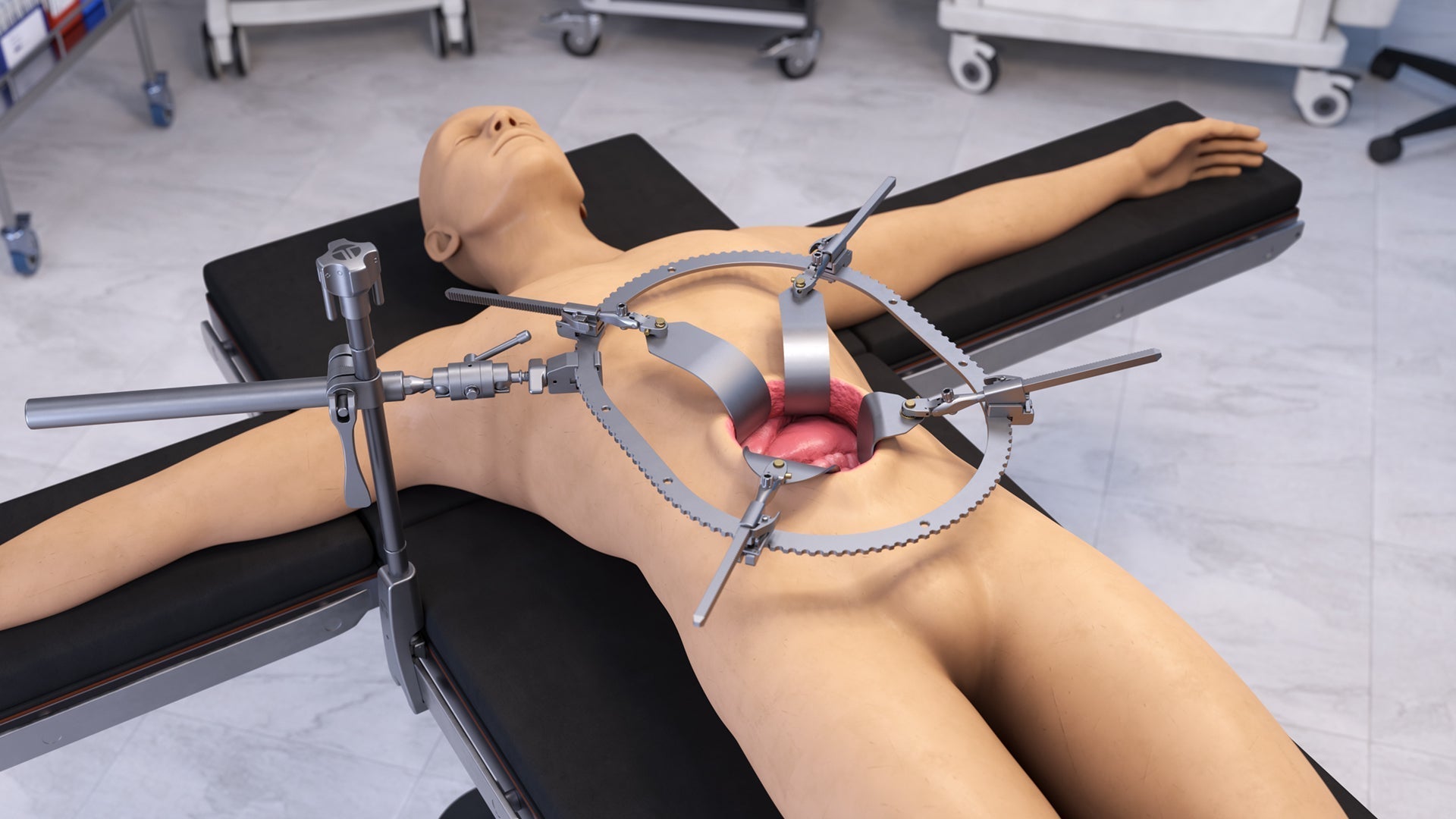
Blade selection is critical for table-mounted retraction during deep retroperitoneal and upper-abdominal aortic surgical exposure. Blade length, contouring, malleability, and angle all influence visualization, tissue management, and stability in deep operative fields. Matching blade geometry to anatomy and depth helps...
- by Thompson Surgical
Thompson RingTrack vs. Bookwalter
Two popular options for table-mounted retractors are the Bookwalter and the Thompson RingTrack. Both instruments serve the crucial purpose of holding back tissues and organs during surgical procedures, but there are key differences that set them apart. Let's delve into...