



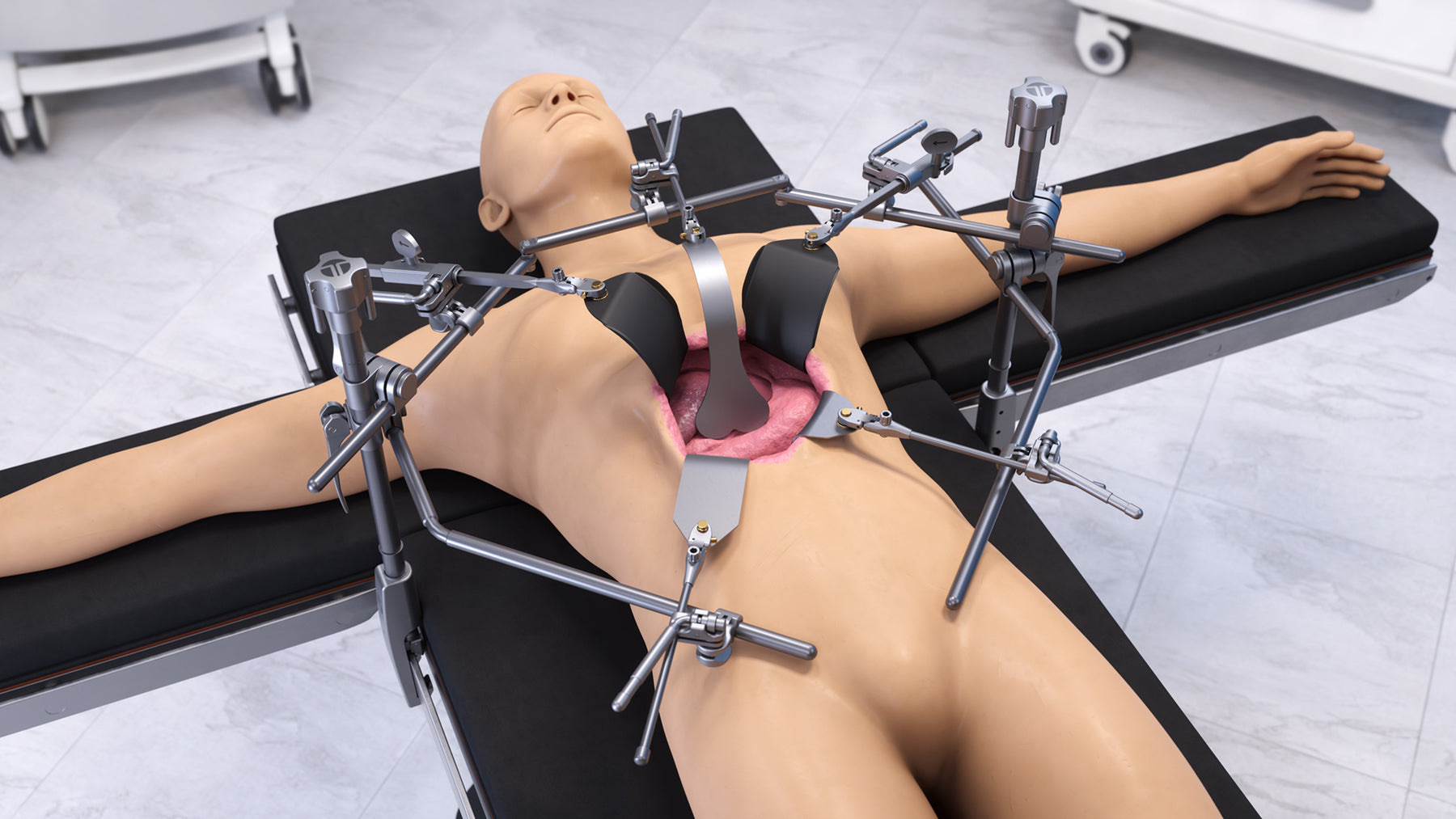
HPB surgery requires controlled exposure around some of the most complex anatomy in the upper abdomen. The liver, bile ducts, pancreas, vascular structures, and surrounding soft tissue all create exposure demands that can change as the procedure progresses.
In these cases, retraction has to do more than hold tissue back. It has to maintain a stable field, allow precise adjustment, and support workflow when imaging-dependent steps such as cholangiography are part of the surgical plan.
HPB Surgery Requires Stable, Controlled Exposure
HPB stands for hepatobiliary and pancreatic surgery, which includes procedures involving the liver, pancreas, and bile ducts. These procedures often require deep access to complex anatomy and careful work around vascular and soft-tissue structures.
In practical terms, an HPB retractor set should support:
● Deep access to hepatobiliary anatomy
● Stable exposure during technically demanding dissection
● Controlled, multi-directional blade positioning
● Adjustments as the operative field changes
● Consistent visibility without relying on continuous manual retraction
That combination matters because HPB procedures are rarely static. Exposure needs can change as the surgeon moves from initial access to dissection, imaging, reconstruction, or closure.
Why Hands-Free Retraction Matters in HPB Procedures
Hands-free retraction gives the surgical team a stable field that does not depend on continuous manual holding. In HPB surgery, this is especially important because the operative field can be deep, narrow, and difficult to maintain as tissue shifts.
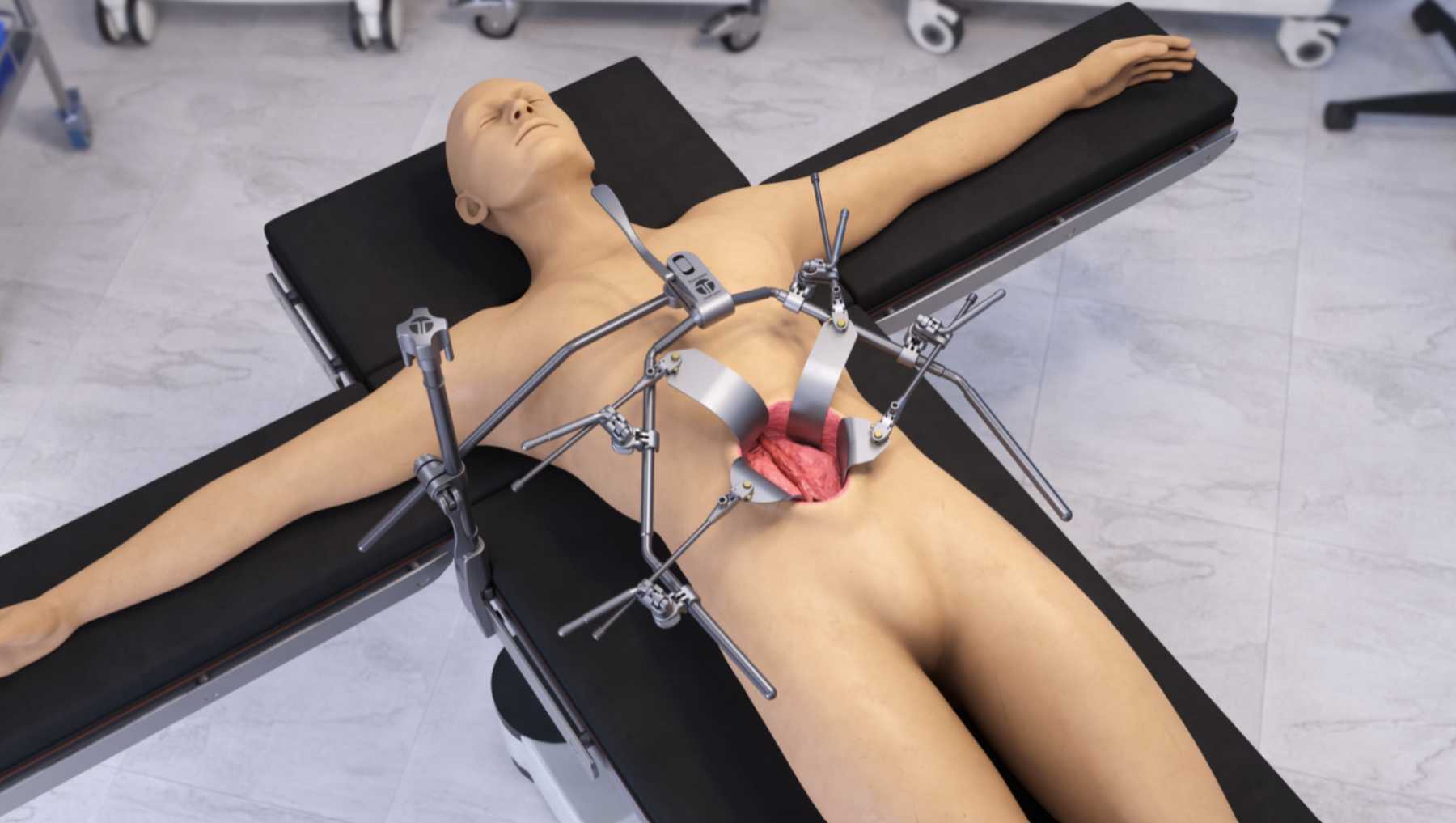
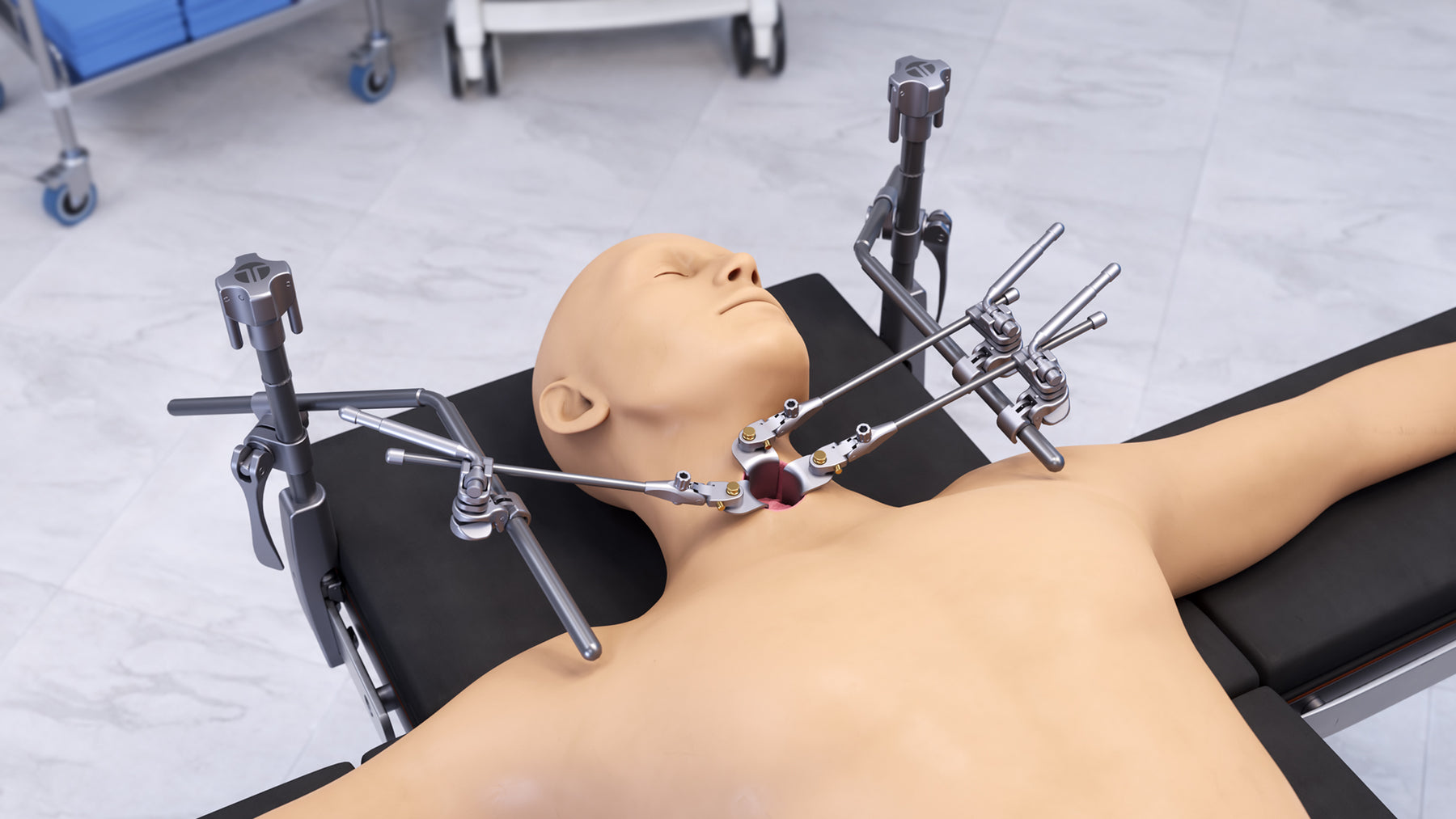
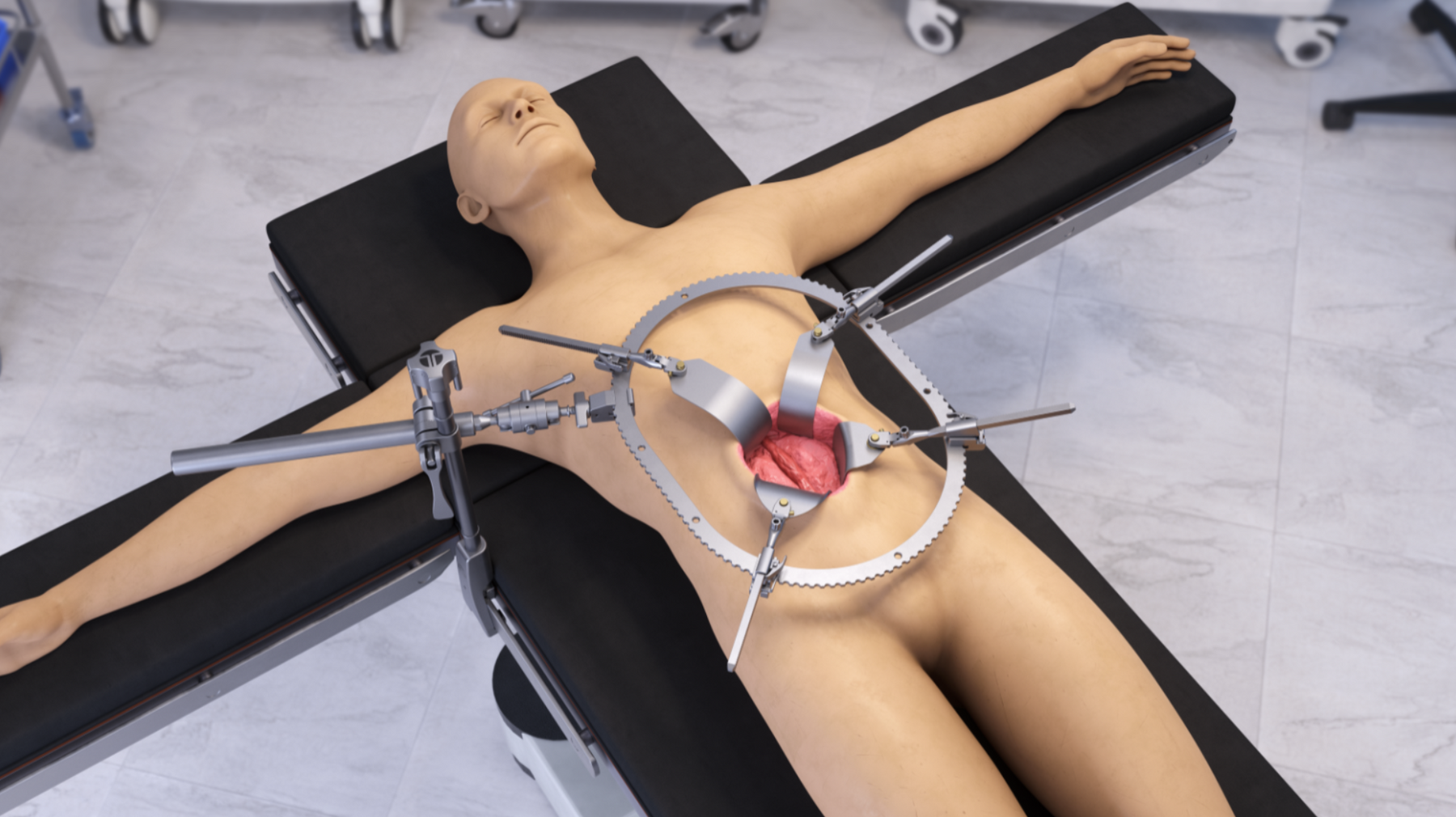
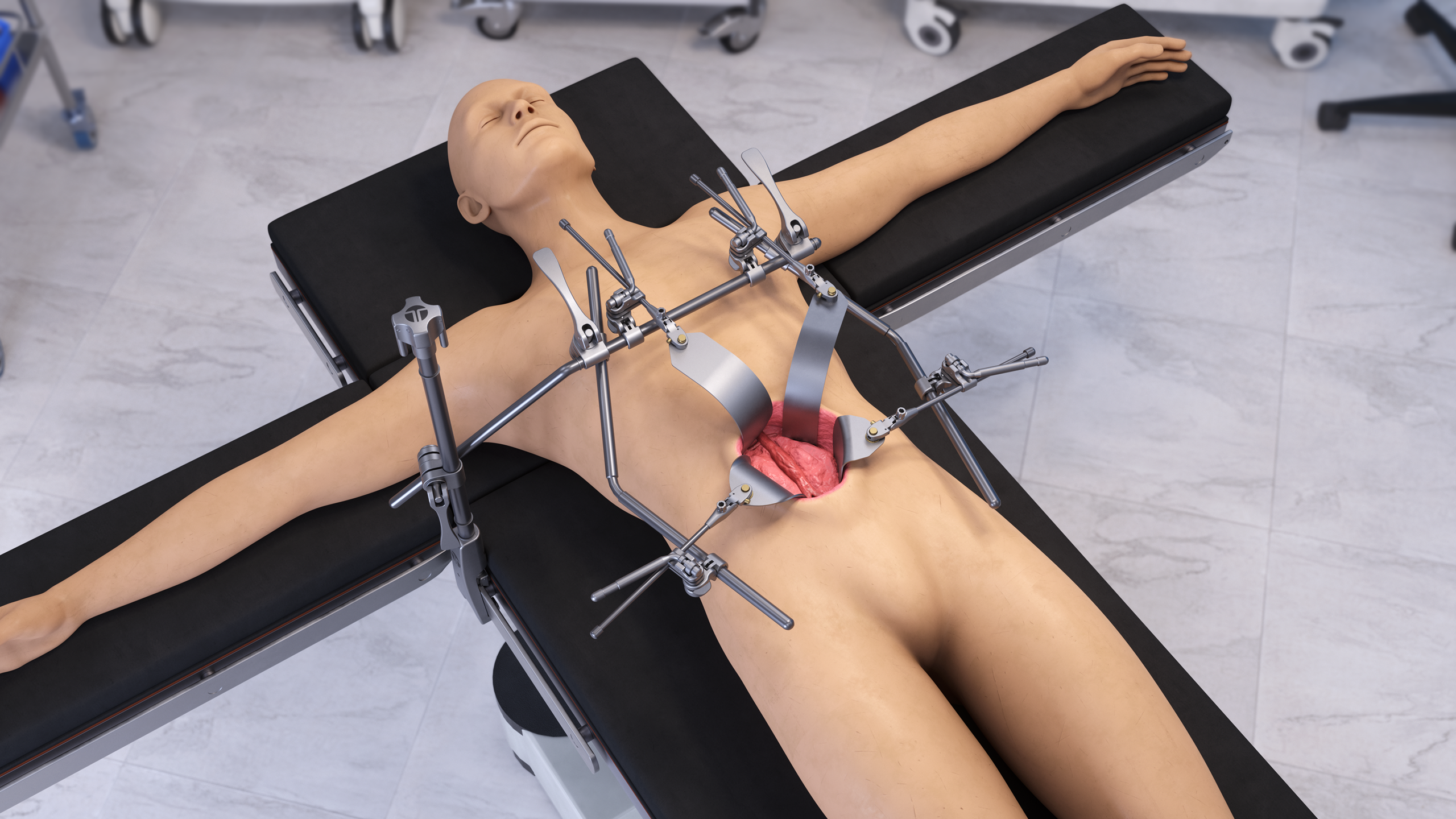
A table-mounted retractor set provides a fixed foundation. Instead of resetting exposure every time the field changes, the surgeon can adjust individual blades and refine access while the frame remains stable. Independent blade positioning allows the team to adjust one area of exposure without disrupting the rest of the operative field.
This supports a more controlled workflow during longer or more technically demanding HPB cases. The goal is not just to create exposure at the start of the case, but to keep that exposure usable as the procedure progresses.
Radiolucent Blades and Cholangiography Workflow
Radiolucent blades matter most when imaging is part of the surgical plan. In HPB procedures, cholangiography may be used to visualize biliary anatomy, confirm ductal anatomy, or support decision-making during biliary surgery.
In those cases, blade material and placement can affect workflow. Radiolucent blade options help the team maintain retraction while supporting imaging access, rather than making retraction something to be worked around.
The Thompson HPB Retractor Set is designed for liver, biliary, and pancreatic surgery and features radiolucent blades for cholangiograms. The set also includes Liver-Oncology and Radiolucent Liver-Oncology blade kit options for hepatobiliary exposure.
Radiolucent blades should not be treated as a requirement for every HPB case. They are a workflow advantage when cholangiography is part of the procedure and when the team needs to maintain exposure without unnecessary disruption.
Before, During, and After Imaging in HPB Surgery
The value of radiolucent blades becomes clearer when viewed through the flow of the case. Before imaging, the team establishes stable, hands-free exposure around the hepatobiliary field. The retractor set holds the field while the surgeon works through deep anatomy and adjusts blade positioning as needed.
During imaging, radiolucent blade options can support the cholangiography workflow without making retraction an obstacle. The team can preserve the operative field while moving through imaging-dependent steps.
After imaging, the exposure still must support the rest of the case. A stable table-mounted setup allows the surgeon to maintain controlled access, adjusting the blade position as the field changes without having to start over.
What to Evaluate in an HPB Retractor Set
An HPB retractor set should be evaluated across the full case, not only during initial setup. The right questions focus on stability, visibility, imaging workflow, staff familiarity, and reprocessing.
Surgeons and OR teams should consider:
● Does the frame hold stable exposure under sustained retraction?
● Can blades be adjusted independently as access changes?
● Are radiolucent blade options available when cholangiography is part of the plan?
● Does the setup support deep upper abdominal access?
● Can the team reproduce the setup consistently?
● What training is available for OR staff?
● How does the set fit the cleaning, inspection, and reprocessing workflow?
This evaluation should reflect how HPB procedures actually move. The table-mounted retractor set has to support dissection, exposure changes, imaging, and team workflow without adding unnecessary friction.
Thompson HPB Retractor Set for Hepatobiliary Surgery
The Thompson HPB Retractor Set provides stable, hands-free exposure for complex hepatobiliary procedures. It supports liver, biliary, and pancreatic surgery with radiolucent blade options for cases that include cholangiography.
For surgeons and OR teams, the value is practical. The set supports consistent visibility, controlled blade positioning, and surgeon-directed exposure throughout the case. In procedures where imaging workflow matters, radiolucent blade options give the team another way to maintain access without making retraction a disruption.
Evaluate an HPB Retractor Set in Your OR
A free, 30-day clinical evaluation gives surgeons and OR teams the opportunity to test an HPB retractor set in their own operating environment before standardizing equipment. During the evaluation, teams can assess setup, exposure stability, blade positioning, imaging workflow, and reprocessing needs with training and support for both OR and SPD staff.
For hepatobiliary procedures, this type of hands-on evaluation is especially useful. The team can see how the retractor set performs during deep upper abdominal exposure, how radiolucent blade options support cholangiography workflow, and how easily staff can reproduce the setup across cases.
Thompson Surgical Instruments engineers table-mounted retractor sets designed to provide stable, hands-free exposure in complex hepatobiliary procedures. We support surgical teams with HPB configurations, radiolucent blade options, and clinical evaluation support for liver, biliary, and pancreatic surgery. Contact us today to learn more about the HPB retractor set.
Share:
Table-Mounted Retractor Sets for Liver Resection: How to Choose Stable Open HPB Exposure