



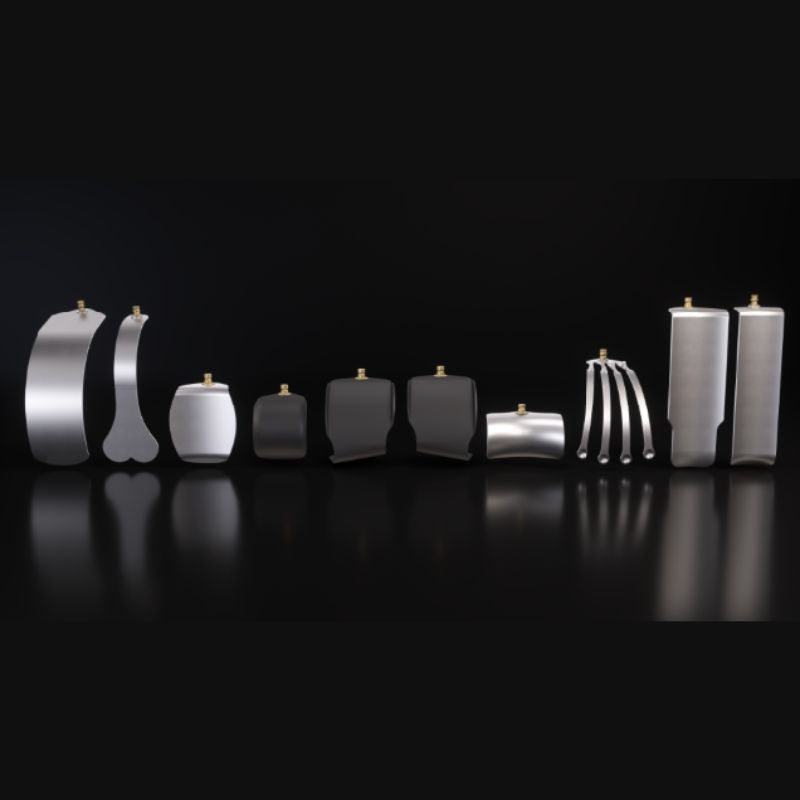
In hepatobiliary and pancreatic procedures that include cholangiography, retractor blade material and positioning become part of the imaging workflow. Radiolucent retractor blades support stable exposure while allowing the surgical team to obtain images through the operative field. Blade length, contour, placement, and frame position all influence how well retraction and imaging work together.
HPB cases often require deep upper-abdominal access and controlled retraction around biliary, vascular, and soft-tissue structures. When imaging is planned, the retractor setup must maintain that exposure while preserving access for imaging equipment. Planning for the cholangiogram at the start of the case gives the team a more coordinated approach to both exposure and imaging.
Why Imaging Compatibility Matters in HPB Surgery
Intraoperative cholangiography allows the surgical team to view biliary anatomy during the procedure. The team may already have established exposure around the liver, gallbladder, bile duct, or surrounding structures by the time imaging begins.
The position and material of the retractor blades can affect the imaging field. A blade placed in the path of the X-ray beam may appear over the area being imaged. Repositioning that blade can also change the exposure the surgeon has established.
Radiolucent retractor blades give the team an imaging-compatible option for areas expected to remain within the image path. They support continued retraction while the imaging equipment is positioned and the cholangiogram is completed.
What Radiolucent Means in the Operative Field
Radiolucent surgical components are designed to allow X-rays to pass through with limited visual obstruction. For a cholangiogram retractor setup, this allows a blade to support tissue within the imaging field while preserving access to the anatomy being viewed.
Radiolucency is a relative property. A blade may remain visible to some degree depending on its material, thickness, position, and the imaging conditions. The complete setup also includes handles, frame components, and other instruments that may fall within the image path.
Effective imaging access comes from combining the radiolucent blade with thoughtful blade placement and frame positioning. This makes the full retractor configuration part of the imaging plan.
How Radiolucent Retractor Blades Support Cholangiogram Workflow
Radiolucent retractor blades serve a specific role in HPB procedures. They allow surgical teams to maintain exposure in areas where conventional components could occupy the imaging field.
Maintaining Established Exposure
The team may spend considerable time creating controlled biliary surgery exposure before the cholangiogram begins. A radiolucent blade can remain engaged during imaging, helping preserve blade position and tissue retraction through that phase of the case.
Stable table-mounted retraction gives the blade a secure foundation. The surgeon can maintain the working corridor while imaging personnel position the equipment around the operative field.
Supporting Access to Biliary Anatomy
Cholangiography may require imaging around the liver, gallbladder, bile duct, and nearby anatomy. Blade placement must support surgical access while leaving a workable path for imaging.
Radiolucent HPB retractor blades give the team more flexibility when a blade needs to remain close to the anatomy included in the image. The blade continues to support exposure while the team obtains the required views.
Coordinating Retraction and Imaging
A coordinated setup allows the surgeon, scrub team, circulator, and imaging personnel to work from the same plan. The team can identify the expected image path, choose the appropriate blade, and establish the frame configuration before imaging begins.
This preparation helps preserve the exposure already in place as the case moves into and out of the imaging phase.
Selecting Radiolucent Retractor Blades for HPB Procedures
Radiolucent blade selection depends on the procedure, patient anatomy, tissue depth, exposure target, and expected imaging field. The blade still must perform its primary role as part of the retraction setup.
Blade Length and Exposure Depth
The blade must reach the required tissue plane and maintain effective engagement. Deep upper-abdominal exposure may call for a different blade length than a more superficial biliary procedure.
Patient body habitus, incision strategy, and the location of the target anatomy all influence blade length. The selected blade must support the exposure while fitting the available working space.
Blade Shape and Contour
Blade shape affects how the retractor engages tissue and how much space remains around the operative field. The appropriate contour helps distribute retraction across the intended area and supports the surgeon’s preferred angle of exposure.
For HPB cases, the team may use different blade shapes around the liver, stomach, colon, abdominal wall, or other surrounding structures. The radiolucent blade must fit the specific role assigned to it.
Stability During Imaging
The table-mounted frame, handle, and blade work together to maintain retraction. Secure positioning is especially important when imaging equipment and personnel move around the table.
The setup must hold the required exposure while allowing the imaging equipment to reach the planned position. Independent blade control also allows the team to refine one retraction point while preserving the rest of the field.
Position Within the Imaging Path
The team benefits from identifying the expected imaging path before final blade placement. Blade angle, handle direction, frame position, and equipment access can then be coordinated around that path.
Radiolucent blades address the portion of the setup closest to the anatomy being imaged. The remaining components can be positioned to preserve working space and imaging access.
Planning the Retractor Setup for Cholangiography
A repeatable plan helps integrate radiolucent blades into the procedure:
- Identify when cholangiography is expected during the case.
- Determine which anatomy and retraction points are likely to fall within the imaging field.
- Select blade lengths and contours that fit the exposure depth and tissue being retracted.
- Position the table-mounted frame and handles with imaging equipment access in mind.
- Confirm the imaging path after exposure is established.
- Maintain the selected configuration as the team completes the imaging step.
The exact setup will vary with the procedure, surgeon preference, patient anatomy, and available imaging equipment. The common objective is stable exposure with a clear, coordinated imaging path.
Thompson Radiolucent Blade Options for HPB Surgery
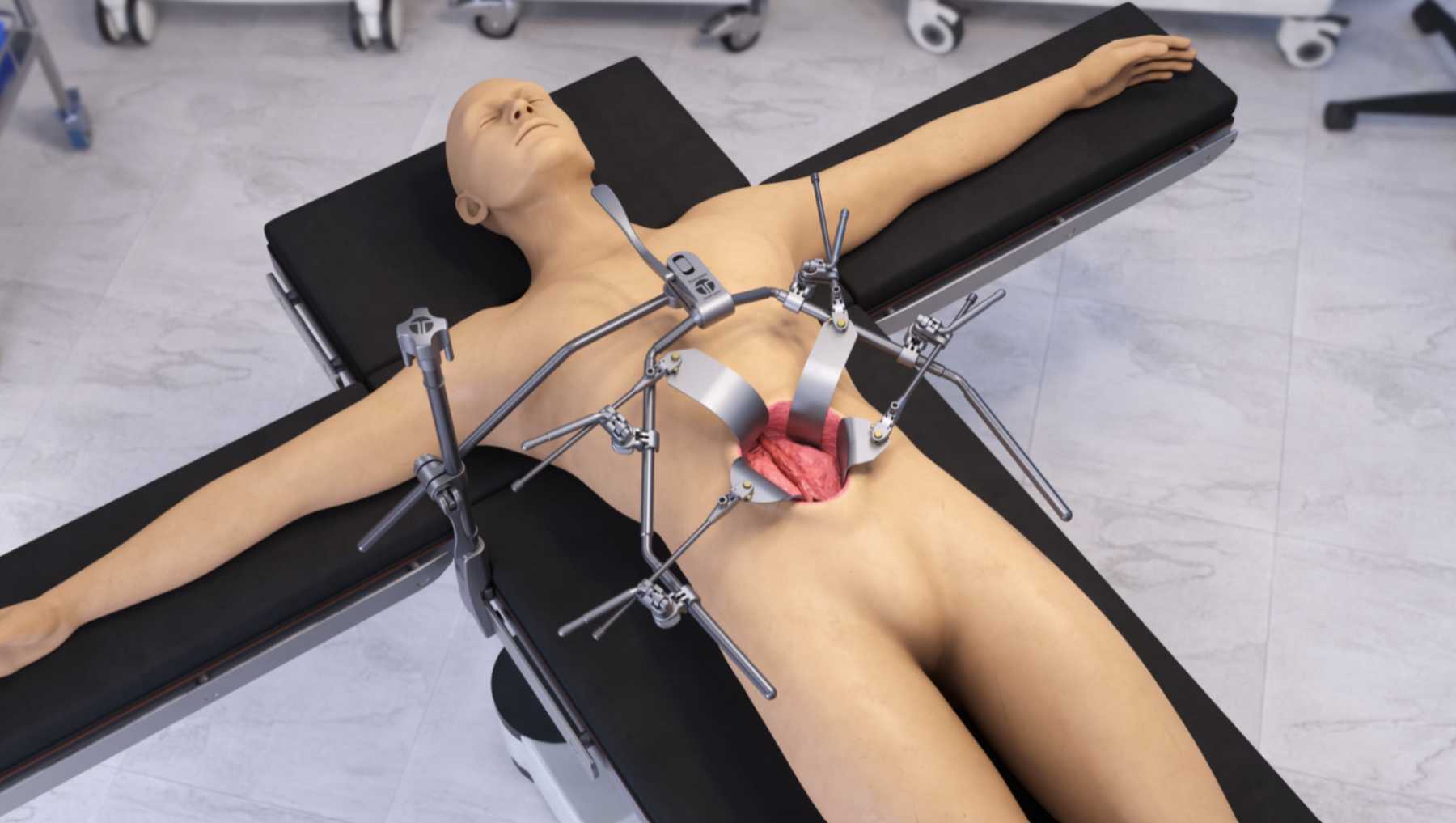
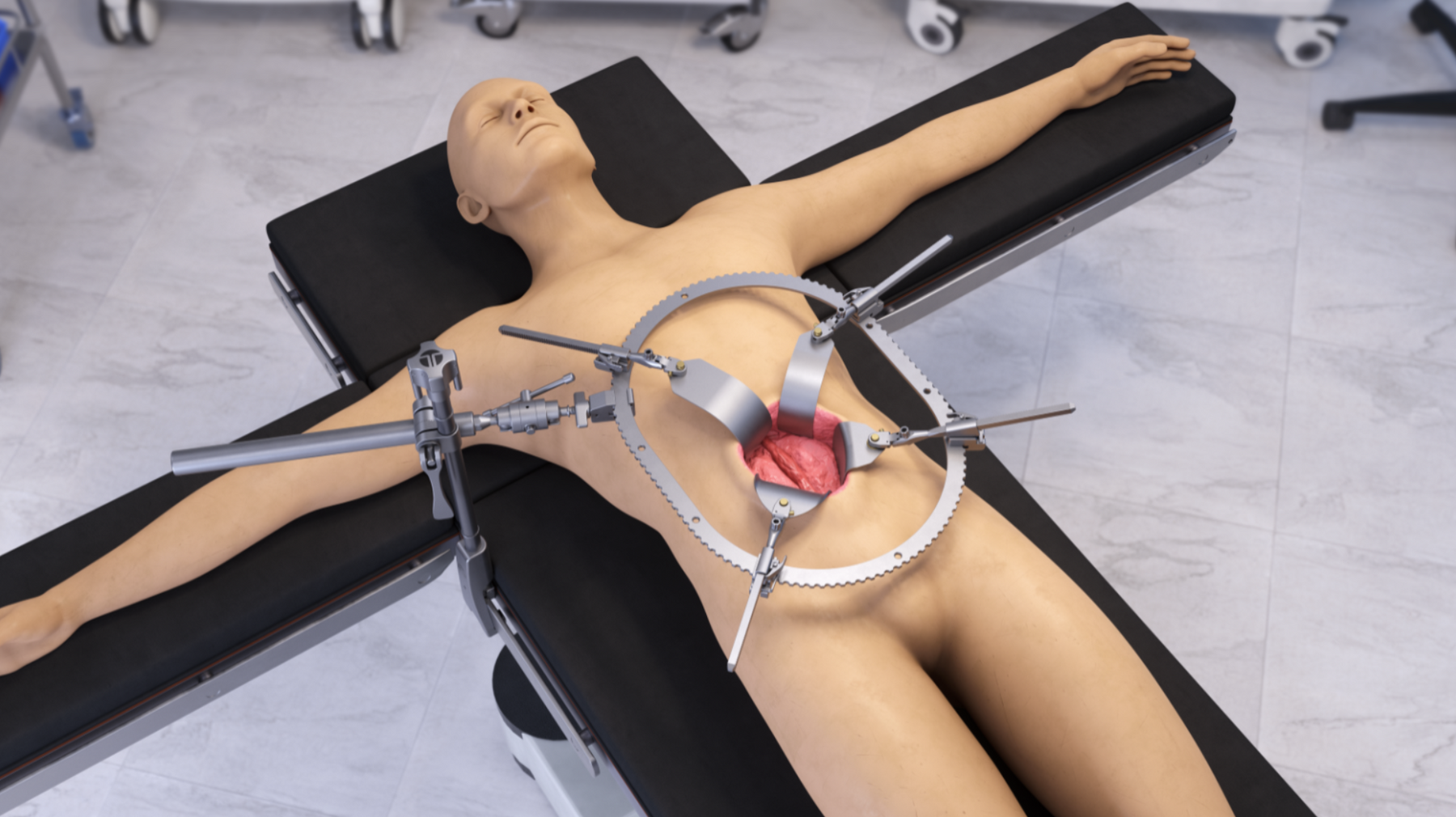
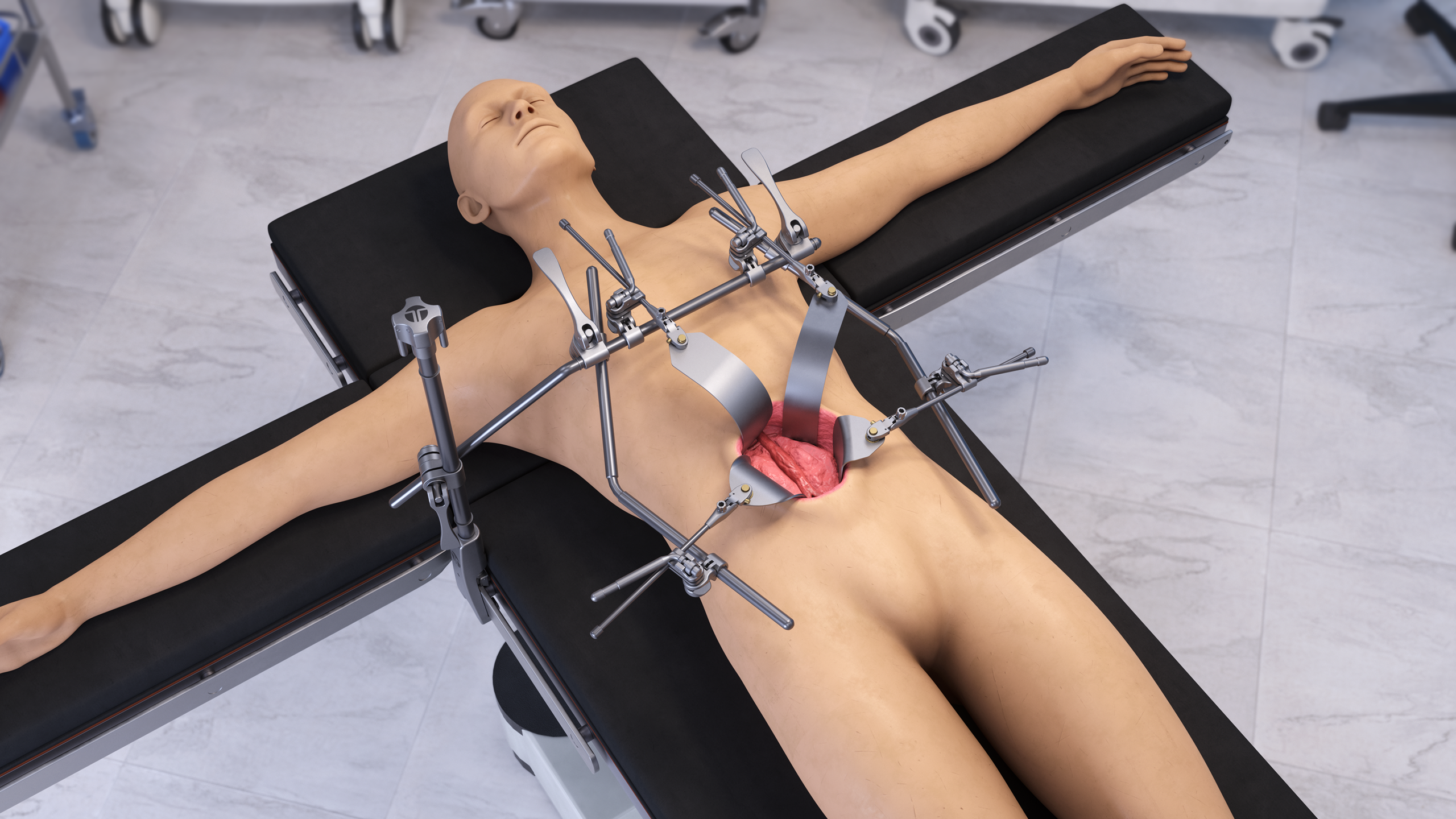
The Thompson HPB Retractor Set delivers stable, hands-free exposure for complex liver, biliary, and pancreatic procedures. Its available blade configurations include a Liver-Oncology Blade Kit and a Radiolucent Liver-Oncology Blade Kit.
The radiolucent blade option allows the surgical team to configure the table-mounted retractor set for procedures that include cholangiography. It brings imaging compatibility into the exposure strategy while retaining the frame stability and blade control required for deep HPB access.
Thompson offers the Radiolucent Liver-Oncology Blade Kit with the Liver Transplant/Oncology Retractor Set. This gives teams performing a range of open liver and hepatobiliary procedures access to radiolucent blade options within a familiar table-mounted platform.
For OR leaders and value analysis teams, these configurations allow radiolucent blade needs to be reviewed alongside the facility’s broader approach to table-mounted retractors for HPB procedures.
OR and SPD Considerations for Radiolucent Blades
Successful use depends on more than choosing the blade. The OR and SPD teams need a clear process for identifying, preparing, using, and reprocessing the radiolucent components.
Useful workflow questions include:
● Can staff quickly identify the radiolucent blades in the tray?
● Are the required lengths and contours available for scheduled HPB cases?
● Does the preference card identify when radiolucent blades are needed?
● Can the scrub team assemble and position the blade efficiently?
● Does the setup preserve access for imaging personnel and equipment?
● Are the components organized consistently for reprocessing and storage?
Training gives the team an opportunity to practice the full retractor setup before relying on it during a complex case. This includes frame placement, blade attachment, positioning, adjustment, and coordination with the imaging workflow.
Evaluating Radiolucent Blade Options in the OR
Radiolucent retractor blades are best evaluated during representative procedures that include the imaging steps the team regularly performs. The evaluation can show how the blades fit the surgeon’s exposure strategy and how easily staff can reproduce the setup.
During the evaluation, the team can assess:
● Stability of the established exposure
● Blade position within the imaging field
● Access for imaging equipment
● Available blade lengths and contours
● Working space around the frame and handles
● Setup repeatability for the OR team
● Tray organization and SPD workflow
Thompson offers a 30-day clinical evaluation for U.S. customers, including OR and SPD training and support throughout the trial. This allows the surgical team to evaluate radiolucent blade options within its own HPB workflow.
Integrating Radiolucent Blades into HPB Retraction
Radiolucent retractor blades connect two important parts of an HPB case: stable surgical exposure and intraoperative imaging. Their role begins with blade selection and extends through frame placement, equipment access, team coordination, and reprocessing.
The right configuration gives the surgeon controlled exposure while supporting the imaging path required for cholangiography. When the blade, handle, frame, and imaging equipment are planned together, the team can maintain a consistent approach throughout the case.
Thompson Surgical Instruments has spent more than 60 years refining table-mounted retraction for stable, hands-free surgical exposure. Our employee-owned team supports HPB surgeons with procedure-focused retractor sets and radiolucent blade options for cholangiogram workflows. Contact us to learn more about radiolucent retractor blades for hepatobiliary procedures.
Share:
ALIF Retractor Blades: What to Consider for Vascular, Deep, and Radiographic Access