



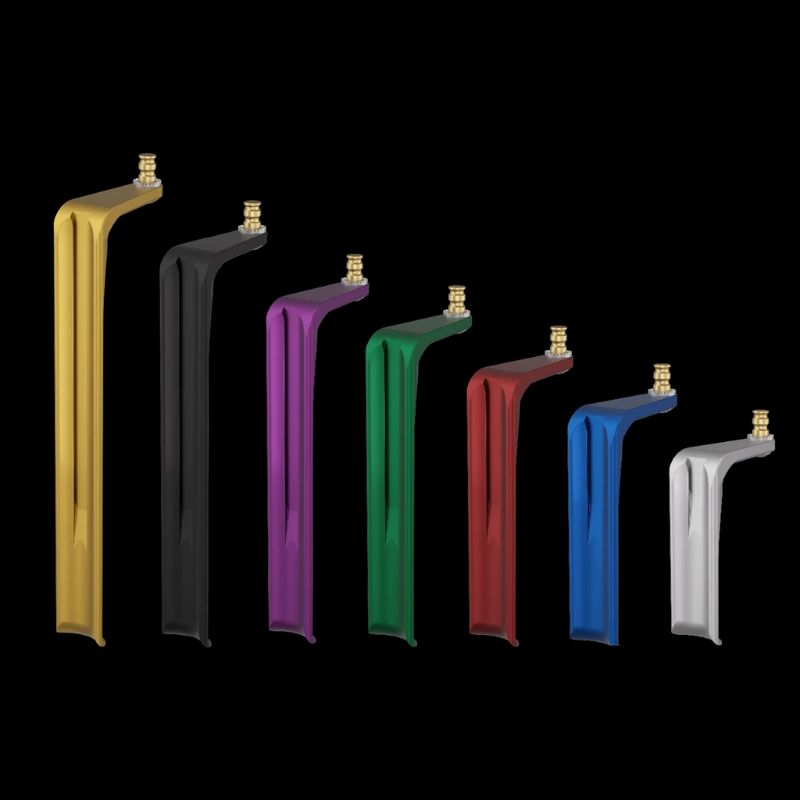
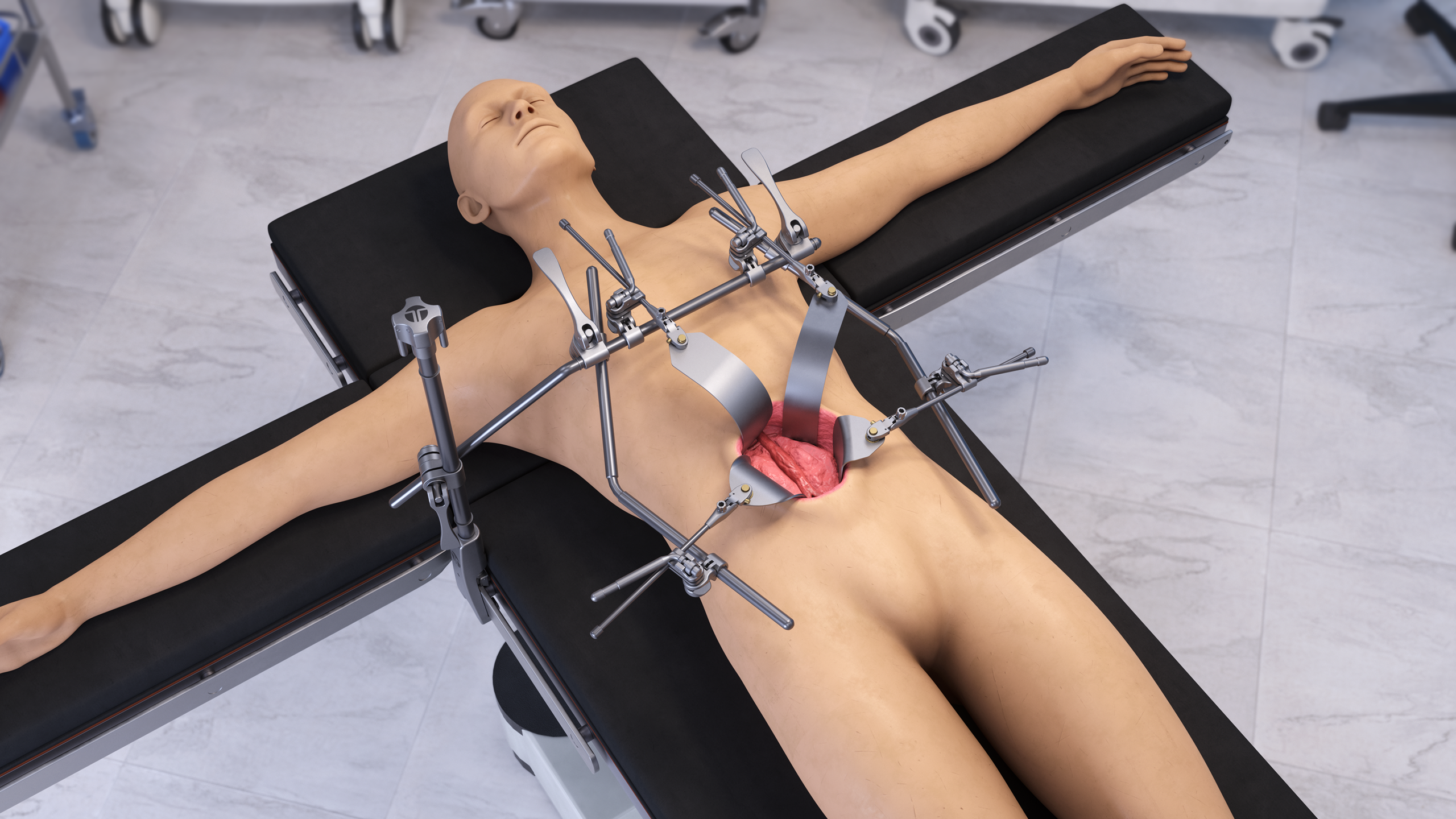
ALIF retractor blades should be evaluated as part of the full anterior lumbar exposure strategy. The frame provides the table-mounted foundation, but the blades shape the corridor, support vessel-oriented retraction, preserve working space, and affect visibility throughout the procedure.
For surgeons and OR teams, blade selection should not be treated as an accessory decision. The right ALIF retractor blades depend on exposure depth, vessel position, spinal level, radiographic workflow, lighting needs, surgeon preference, and compatibility with the selected Thompson frame.
Why Blade Selection Matters in ALIF Retraction
Anterior lumbar procedures require exposure through a confined surgical corridor. Blade shape, length, width, material, and handle compatibility all affect how the field is established and maintained.
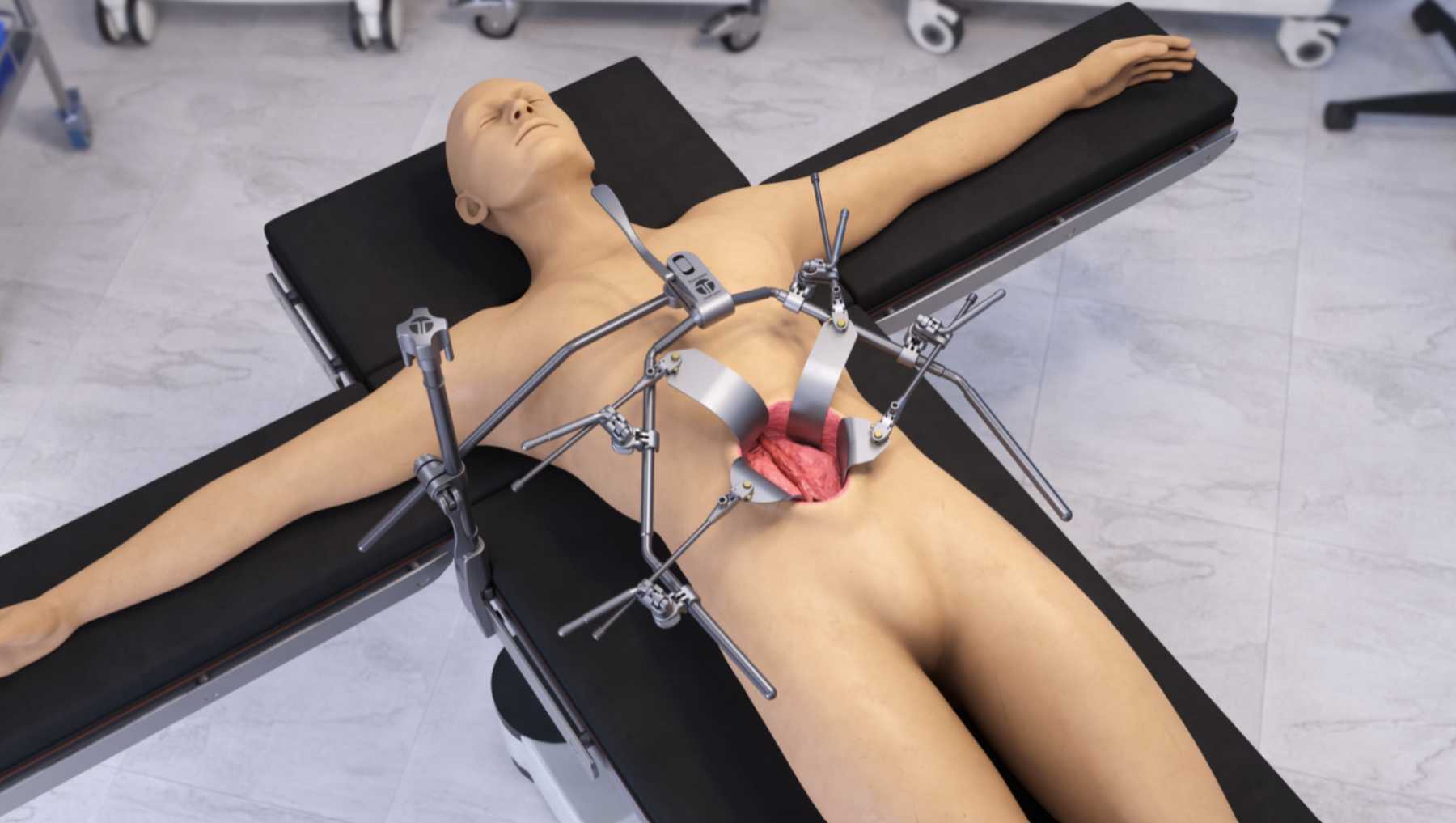
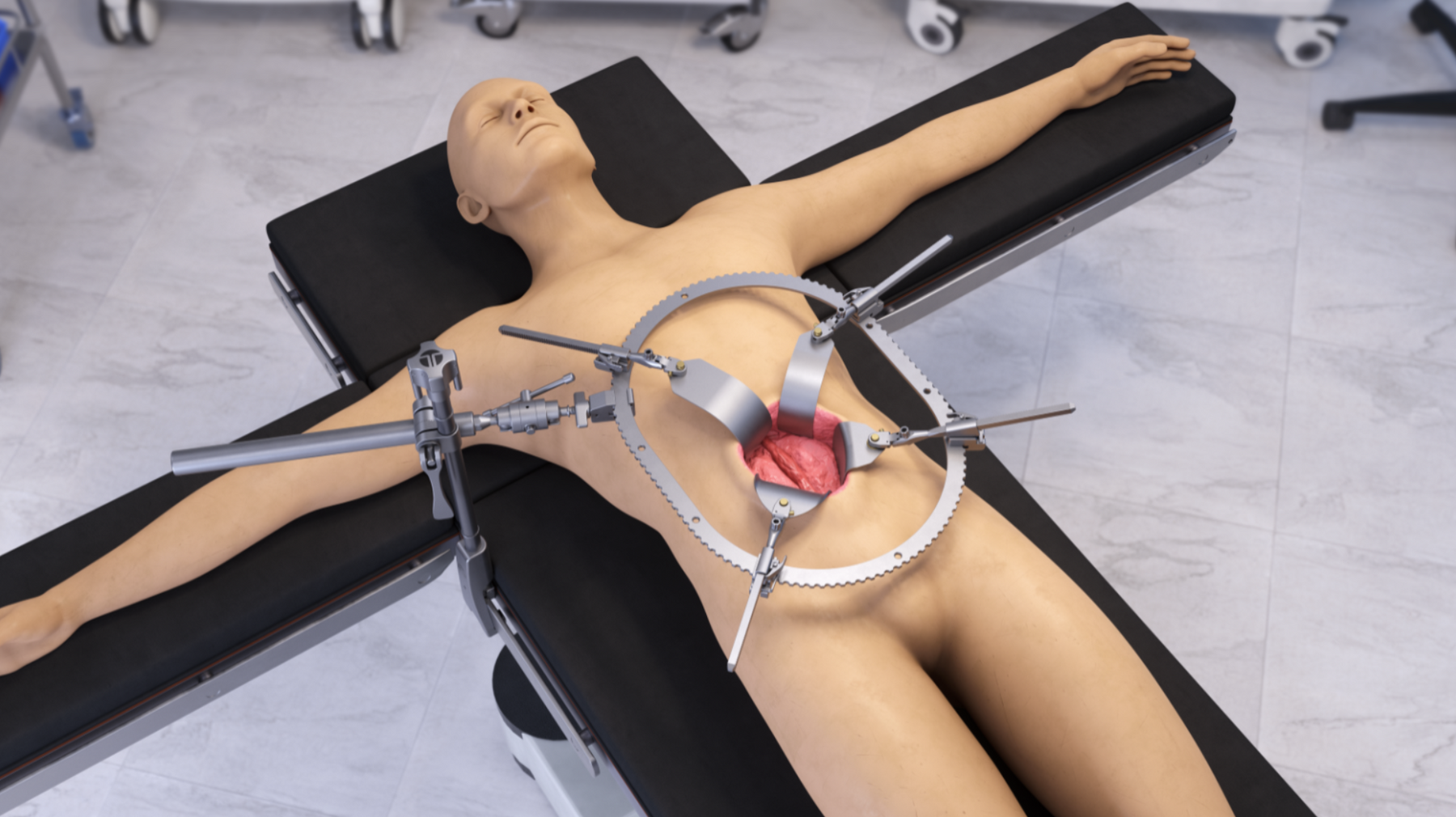
A Journal of Spine Surgery article on L5/S1 anterior lumbar interbody fusion describes table-mounted retractors as using blades of varying shapes attached to a ring or bars secured to the operating table. For ALIF teams, that makes blade selection a practical part of exposure planning, not a secondary detail.
In anterior lumbar retraction, blades may need to support several priorities:
● Vessel-oriented exposure
● Deep anterior access
● Radiographic workflow
● Working space for instrumentation
● Stable blade positioning
● Illumination in a narrow field
● Repeatable setup for the OR team
The most useful blade strategy is the one that supports the surgeon’s exposure plan while fitting the frame, workflow, and documentation requirements of the facility.
Vascular-Oriented Blade Considerations
ALIF exposure often requires controlled work around vascular structures. Blade selection should reflect the surgeon’s exposure strategy, the operative level, and the need for stable positioning around the anterior lumbar corridor.
A Journal of Spine Surgery review on open management of massive venous bleeding in anterior lumbar spine surgery lists table-based retractors, including Thompson, along with sufficient retractor blades for table-based retraction. The same review includes renal vein retractors, thin and wide retractor blades, and retractor-based lighting among suggested equipment for anterior lumbar spine surgery.
This source underscores the importance of evaluating the blade kit with the same attention as the frame. Surgeons and OR leaders should look at whether vessel-oriented blades are available, how the blades position within the selected frame, and whether the setup preserves working space around the anterior corridor.
Depending on the Thompson configuration, anterior lumbar blade options may include Short Neck Renal Vein, Long Neck Renal Vein with LitePath, Fine Vessel, General Vascular, and Reverse Lip blade kits. The exact blade kit should always be confirmed against the selected retractor set.
Deep Anterior Access and Blade Fit
Deep anterior exposure places specific demands on blade length, contour, and positioning. A blade that supports one exposure may not provide the same access in another case because anatomy, level, incision strategy, and surgeon preference all affect the working corridor.
Blade fit should be evaluated in relation to:
● Exposure depth
● Blade length and contour
● Frame architecture
● Handle or arm positioning
● Working space around the disc space
● Surgeon-directed adjustment
● Compatibility with LitePath™ lighting when illumination is needed
Thompson’s Anterior Lumbar Spine Frame Retractor Set includes Short Neck Renal Vein, Radiolucent Richardson, LitePath Add-On, and General & Reverse Lip blade kit options. The Anterior Lumbar OneFrame Retractor Set includes Short Neck Renal Vein, Radiolucent Richardson, LitePath Add-On, Long Neck Renal Vein with LitePath, and Anterior Lumbar blade options.
Those differences matter during evaluation. Surgeons and OR teams should confirm which blade kits are included, which are optional, and which are preferred with the Thompson frame.
Radiolucent Blades and Imaging Workflow
Radiographic access is part of the ALIF blade conversation because anterior lumbar procedures often require imaging confirmation during the case. When imaging workflow matters, radiolucent blade options should be evaluated alongside frame position, blade placement, and working space.
Radiolucent blades are not required for every exposure. They should be considered when the surgeon’s workflow benefits from blade options that support radiographic access while maintaining the established field.
Thompson offers Radiolucent Richardson Blade Kits across several anterior lumbar configurations, including the Spine Frame Retractor Set, RingFrame Retractor Set, RingTrack® Retractor Set, and OneFrame Retractor Set. This gives teams a way to evaluate radiographic workflow as part of the blade strategy rather than treating it separately from retraction.
For value-analysis teams and OR leaders, the relevant questions include:
● Are radiolucent blade options available for the selected frame?
● Does the surgeon need radiographic access during the procedure?
● Can the field remain established while imaging is performed?
● Is documentation available for setup, use, cleaning, and reprocessing?
The goal is to make imaging workflow part of the retractor evaluation, not a late-stage add-on.
Reverse Lip (Brau) Blade Options
Reverse Lip (also known as “Brau”) blade options may be part of the ALIF blade conversation when the exposure strategy requires anterior lumbar-specific blade geometry. These blades should be evaluated based on the selected frame, the surgeon’s technique, and the way the blade supports access in the operative corridor.
Thompson’s Anterior Lumbar RingFrame Retractor Set offers Short Neck Renal Vein, Fine Vessel, Radiolucent Richardson, Reverse Lip, and LitePath Add-On blade kit options.
For surgeons, the evaluation should focus on how the blade performs within the full frame setup. Blade geometry, handle control, frame position, and working space all affect whether the setup supports the planned exposure.
LitePath™ and Illuminated Blade Options
Lighting should be evaluated with blade selection because deep anterior exposure can create a narrow visual corridor. External lighting may not always align with the depth and angle of the field. Integrated blade lighting gives the surgeon another option for targeted illumination at the site of retraction.
LitePath™ integrated blade lighting is available across Thompson’s anterior lumbar configurations, depending on the selected retractor set and blade kit.
For OR teams, the evaluation should consider whether LitePath™ supports the surgeon’s visualization needs without adding unnecessary complexity to setup, positioning, or reprocessing. The clinical question is not simply whether lighting is available. The question is whether integrated illumination fits the exposure strategy and workflow.
Matching Blade Kits to the Thompson Frame
Not every blade kit has to be added to every frame. Blade preference should be verified before standardizing a retractor set or adding optional components.
|
Thompson Configuration |
Blade Kit Considerations |
|
Spine Frame Retractor Set |
Short Neck Renal Vein, Radiolucent Richardson, LitePath Add-On, General & Reverse Lip |
|
RingFrame Retractor Set |
Short Neck Renal Vein, Fine Vessel, Radiolucent Richardson, Reverse Lip, LitePath Add-On |
|
RingTrack® Retractor Set |
General & Reverse Lip, Short Neck Renal Vein, Radiolucent Richardson, Fixed RingTrack® General Vascular, LitePath Add-On |
|
OneFrame Retractor Set |
Short Neck Renal Vein, Radiolucent Richardson, LitePath Add-On, Long Neck Renal Vein with LitePath, Anterior Lumbar blade options |
|
Articulating Arm Retractor Set |
Long Neck Renal Vein with LitePath, LitePath Add-On |
This type of review helps teams avoid evaluating the frame in isolation. The blade kit should be matched to the exposure plan, surgeon preference, imaging needs, illumination needs, and staff workflow.
Documentation and OR Workflow
Blade selection also affects setup, turnover, and reprocessing. OR teams need to know which blades belong with each set, how the blades connect to the handles or arms, and what documentation supports use and cleaning.
Thompson IFUs and Documentation include Instructions for Use (IFUs), user manuals, LitePath manuals, RingTrack® resources, OneFrame resources, Anterior Lumbar Ring Retractor manuals, and Thompson Retractor user manuals. For facilities comparing blade kits, those resources should be part of the evaluation process.
Useful questions include:
● Are the blade kits clearly organized for setup and reprocessing?
● Can SPD teams process the components consistently?
● Are IFUs, user manuals, and setup resources available?
● Does the blade strategy support standardization across surgeons?
The answers help determine whether the blade kit is practical for routine use, not only whether it fits the case clinically.
Evaluating ALIF Blades Before Standardizing
The best way to evaluate ALIF retractor blades is during representative cases. A blade kit may look complete on paper, but the team still needs to assess fit, access, visibility, adjustment, and workflow in the OR.
A structured evaluation should include the surgeon, access team, scrub techs, circulators, SPD staff, and value-analysis stakeholders. Each group may notice different details, from exposure and blade control to tray organization and reprocessing workflow.
For ALIF procedures, the evaluation should focus on whether the blade strategy supports stable retraction, vascular-oriented exposure, deep access, radiographic workflow, lighting, and repeatable setup.
Thompson ALIF Retractor Blade Options
ALIF retractor blades should be selected as part of the full table-mounted retraction strategy. Vessel-oriented blades, Radiolucent Richardson options, Brau or Reverse Lip blade kits, deep exposure blades, and LitePath™ illuminated configurations all affect how the surgeon establishes and maintains anterior lumbar access. The most useful evaluation considers the frame and blade kit together, with attention to compatibility, visibility, radiographic access, OR workflow, and reprocessing documentation.
Thompson Surgical Instruments has spent more than 60 years refining table-mounted retraction systems for stable, hands-free surgical exposure. Our employee-owned team supports surgeons and OR teams with anterior lumbar frame configurations, blade kit options, LitePath™ illumination, documentation, training, and clinical evaluation support. Contact us today to learn more about ALIF retractor blades.
Share:
Radiolucent Retractor Blades for Cholangiograms in HPB Surgery
How Independent Retractor Blade Positioning Supports Changing Exposure During Liver Transplant Surgery