



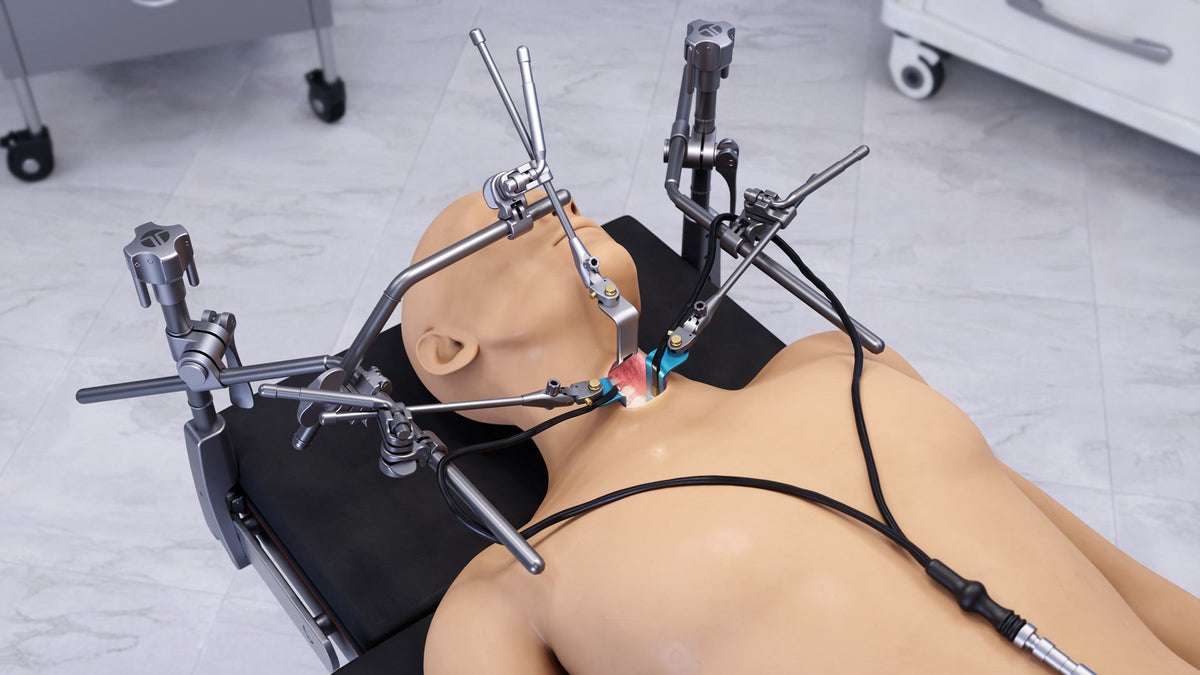
A retractor evaluation should answer one practical question:
Will this system work reliably for the surgeons, procedures, staff, and sterile processing workflow at this facility?
A specification sheet cannot answer that on its own. Hospitals need to see how the frame fits the operating table, how quickly the team can set it up, whether the blades maintain the intended exposure, how the components move through reprocessing, and what support is available when questions come up.
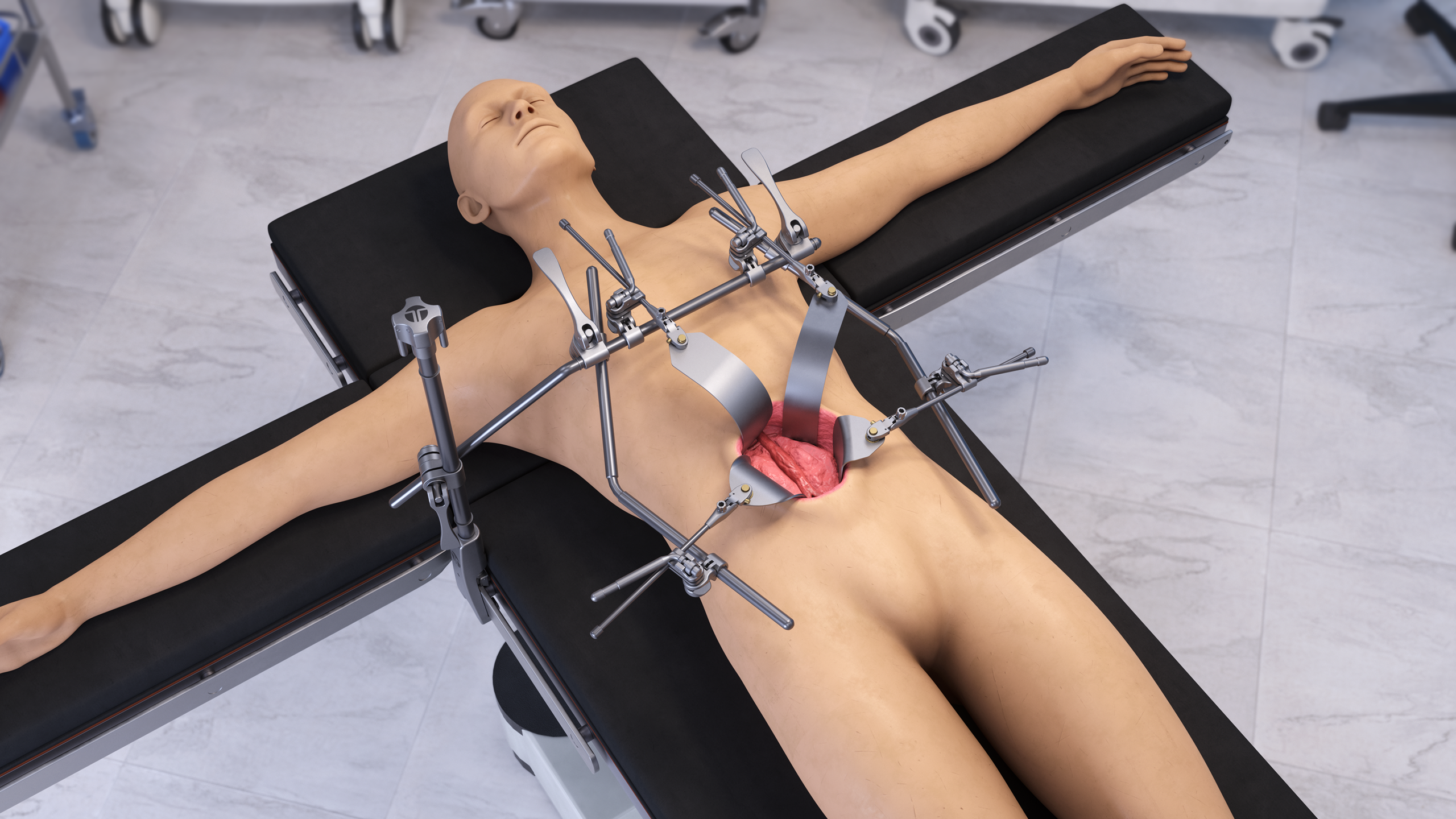
A structured clinical evaluation allows the hospital to test these factors in its own operating rooms before making a capital purchase. Thompson Surgical currently offers a free 30-day clinical evaluation of its table-mounted retractor systems. The facility should confirm the configuration and evaluation schedule with Thompson before booking cases.
Key takeaways
-
Start with the clinical need. Define the procedure, exposure problem, surgeon preference, table compatibility, and current equipment issue before selecting a trial set.
-
Include every team that handles the system: surgeons, scrub personnel, circulating nurses, sterile processing, OR leadership, supply chain, value analysis, and, when appropriate, biomedical engineering.
-
Evaluate performance in actual cases. Setup time, stability, blade positioning, field access, ease of adjustment, reprocessing fit, and staff confidence provide more useful evidence than a feature checklist alone.
-
Use the system in more than one case when possible. The first case usually includes a learning curve. Later cases show whether the setup becomes consistent and repeatable.
-
Consider total value rather than purchase price alone. Configuration, expected service life, repair support, training, loaner availability, tray burden, and expected use all affect long-term cost.
-
Document the decision. A standard scorecard gives the value analysis committee clear clinical and operational evidence.
What prompts a hospital to evaluate a different retractor system?
Hospitals often keep reusable retractor systems in service for years. Replacement discussions may begin when the clinical team notices wear, a new surgeon requests a familiar system, the current configuration no longer fits the case mix, or the facility needs another set to support case volume.
Age alone does not determine whether a system should be replaced. Condition and performance matter more. A heavily used system may require attention sooner than an older set that has been maintained, inspected, and used less frequently.
Signs that an existing system needs closer review
-
Blades or handles move after positioning.
-
The frame drifts or no longer maintains the intended setup.
-
Joints, clamps, or arms are difficult to close, lock, release, or adjust.
-
Inspection reveals damage, wear, corrosion, or surface defects.
-
Setup repeatedly delays cases or requires workarounds.
-
The current set lacks the blade sizes, frame options, or positioning range needed for the facility's procedures.
-
Frequent repairs or unavailable components affect readiness.
The facility should handle suspected damage or performance problems according to its policies and the manufacturer's instructions. Receiving a Free Clinical Evaluation does not replace the need to remove questionable instruments from service and arrange inspection or repair.
What does the Thompson Surgical free Clinical Evaluation process look like?
Thompson refers to its program as a free clinical evaluation and publishes a 30-day evaluation period. Extensions may be available in some circumstances, but the hospital should confirm any additional time in advance.
-
Define the request.
A surgeon request, aging system, new service line, increased procedure volume, or need for a duplicate setup may prompt the evaluation. Record the procedures and exposure needs the system must support. -
Confirm administrative and scheduling requirements.
Thompson may request a no-charge purchase order. The hospital should also complete any vendor credentialing, trial approval, loaner-instrument intake, infection-prevention, and value-analysis steps required by its policies. -
Select the evaluation configuration.
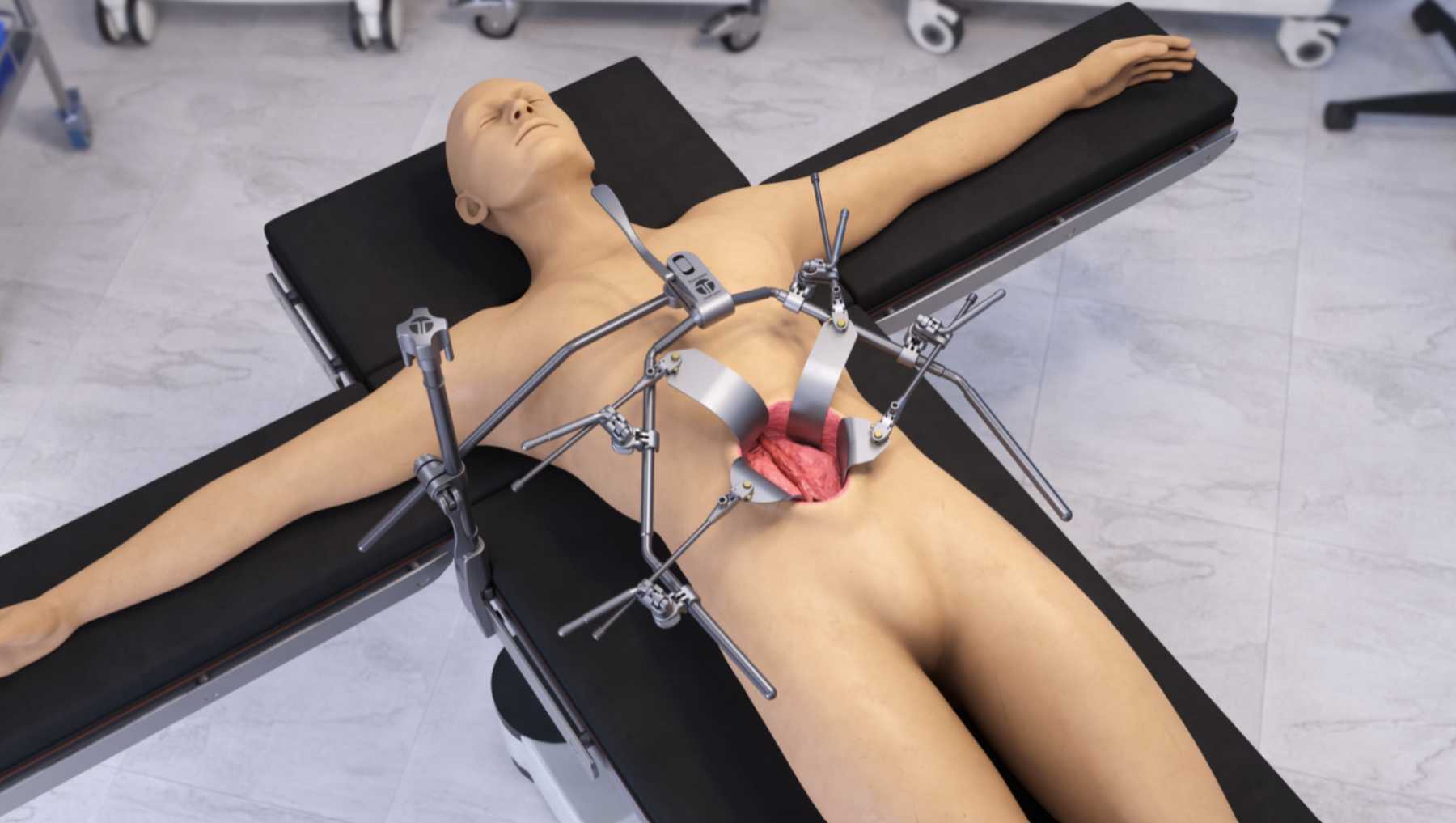
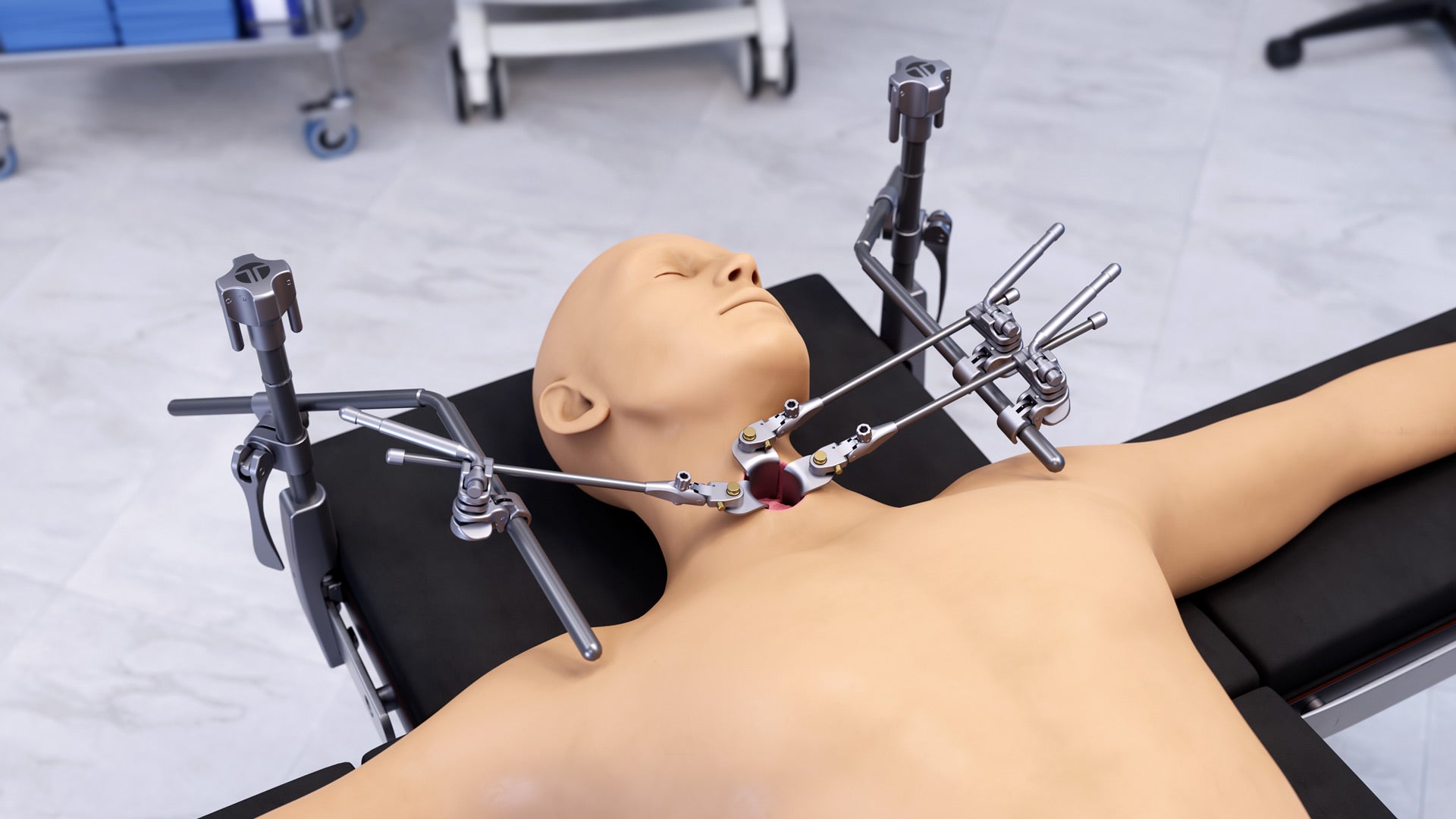
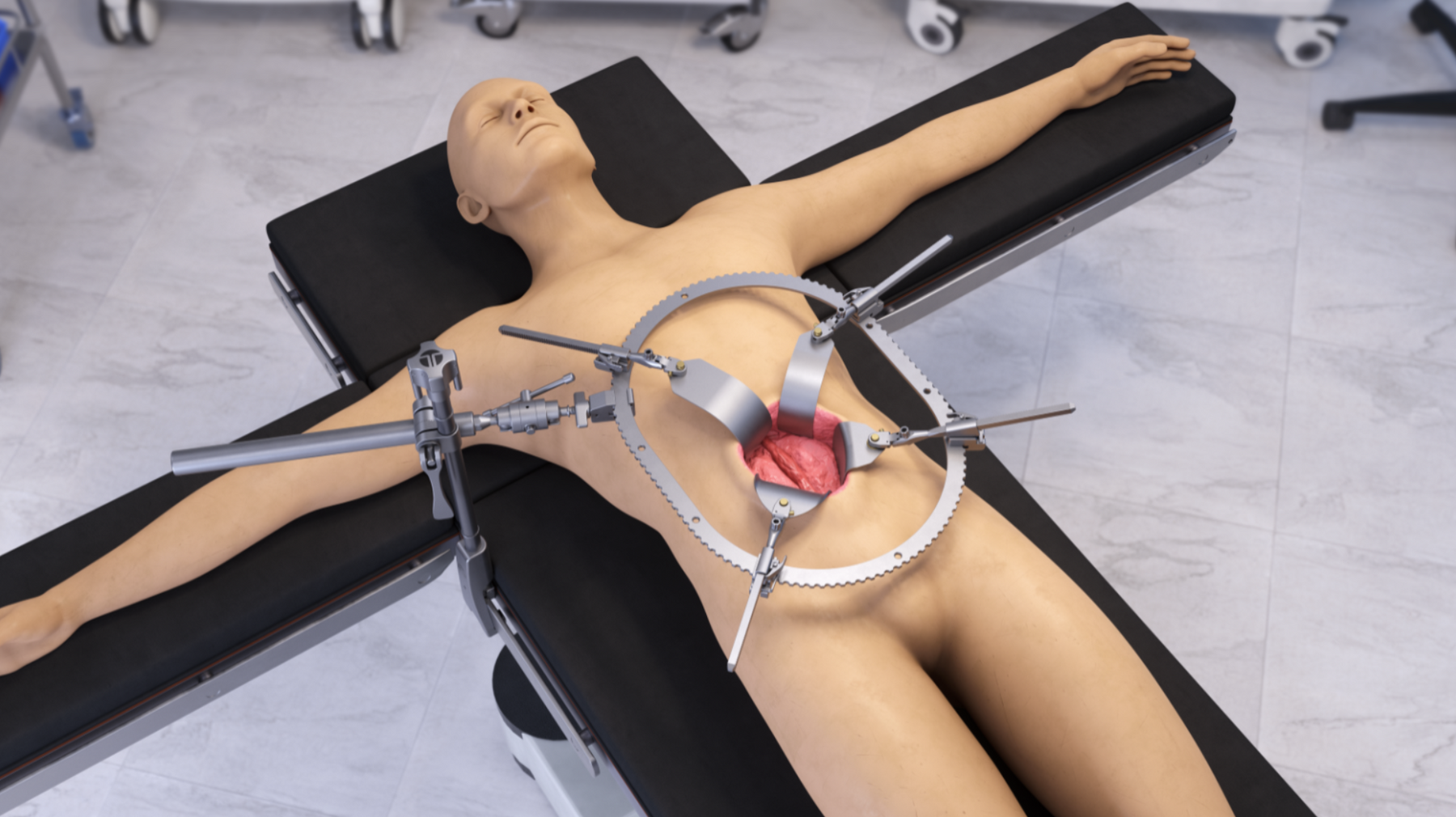
Thompson retractor systems are configurable. The trial set may include a table-mounted frame, rail clamps, arms or handles, blades, and trays selected for the procedure. Request a component list, count sheet, instructions for use, and reprocessing documentation before delivery. -
Receive and process the set.
The facility should verify the contents, inspect the instruments, enter the trays into its tracking process, and reprocess them according to the manufacturer's instructions and hospital policy before use. Sterile processing needs enough lead time to complete these steps. -
Train the team.
Training may take place in person or remotely. The team should practice rail-clamp placement, frame assembly, blade and handle attachment, adjustment, breakdown, point-of-use handling, and transfer to sterile processing. -
Evaluate the system in scheduled cases.
Select cases that represent the intended use. Manufacturer case support may be requested, subject to hospital policy and scheduling. The representative may assist with product setup and use, while the surgeon and hospital remain responsible for clinical decisions. -
Collect feedback after each use.
Ask the surgeon, scrub person, circulating nurse, sterile processing team, and OR leadership to record what worked, what caused difficulty, and whether the next case was easier than the first. -
Choose the final set and purchasing path.
After a successful evaluation, confirm the parts the team used and remove unnecessary items from the proposed configuration. Review pricing, trade-in options, warranty and repair terms, training, delivery, and the process for replacing the evaluation set with new equipment when required. -
Plan follow-up.
Set dates to review utilization, additional training needs, maintenance questions, and onboarding for other surgeons.
Who should participate in the evaluation?
A surgeon may initiate the request, but the system affects several hospital workflows. AORN describes value analysis as a multidisciplinary process and emphasizes input from the clinicians who use products in the operating room. A broader evaluation team can assess both clinical performance and operational fit.
|
Participant |
What to evaluate |
|---|---|
|
Surgeons |
Exposure, access, blade position, stability, adjustability, interference with the working field, and suitability for the intended procedure |
|
Scrub and circulating staff |
Setup sequence, component recognition, handoffs, intraoperative adjustments, breakdown, counts, and room workflow |
|
Sterile processing |
Tray layout, count sheets, cleaning access, inspection points, packaging, sterilization instructions, turnaround time, and storage |
|
OR leadership |
Training coverage, case scheduling, staffing effects, standardization, and readiness across shifts |
|
Supply chain and value analysis |
Configuration, utilization, price, service terms, trade-in value, vendor support, and comparison with approved alternatives |
|
Risk, infection prevention, or biomedical engineering |
Facility-specific requirements for policy, compatibility, maintenance, credentialing, and documentation |
What are surgeons and OR teams evaluating during the Clinical Evaluation?
The first case tests basic fit and setup. Later cases show whether the system becomes predictable and easier to use. The review should separate clinical performance from workflow and support.
|
Category |
Questions to ask |
Evidence to record |
|---|---|---|
|
Exposure |
Did the setup provide the intended view and access? Did the blade position remain acceptable? |
Procedure, approach, configuration, surgeon rating, and required adjustments |
|
Setup |
Could the team place the rail clamps and frame correctly? Did setup become faster with practice? |
Setup time or time range, errors, questions, and case number |
|
Ergonomics |
Could handles and blades be adjusted without crowding the field or creating avoidable reach problems? |
Staff and surgeon comments, including components that caused interference |
|
Stability |
Did the frame, arms, handles, and blades remain in their intended positions? |
Movement, repositioning, or loss of tension, including when it occurred |
|
Workflow |
Did the system affect manual retraction, room movement, instrument exchanges, or staffing demands? |
Observed workflow changes. Staffing claims should be supported by facility data |
|
Reprocessing |
Can the set be cleaned, inspected, assembled, packaged, sterilized, stored, and turned around within policy? |
Tray count, missing or damaged items, processing time, and IFU questions |
|
Support |
Was training available? Were questions answered before and during use? |
Training dates, attendance, response time, and unresolved issues |
How should a hospital compare table-mounted retractor systems?
Specifications describe a system's capabilities. The clinical evaluation shows how the system performs in the facility's hands. When possible, use the same case categories and scorecard for each option.
-
Clinical fit: Intended procedures, patient positioning, incision or approach, depth, blade range, and surgeon control.
-
Table and equipment fit: Compatibility with the operating table and rails, positioning equipment, imaging, anesthesia access, and nearby devices.
-
Setup and repeatability: Number of components, assembly sequence, adjustment points, and the learning curve across cases and staff members.
-
Reprocessing burden: Number and weight of trays, cleaning access, inspection steps, sterilization method, dry time, storage, and turnaround.
-
Service: Training format, case support, technical response, repair process, loaner policy, warranty, parts availability, and expected downtime.
-
Commercial terms: Final configuration, purchase price, trade-in allowance, discounts, accessories, and costs that may arise after purchase.
-
Evidence and compliance: Instructions for use, regulatory status when applicable, quality documentation, published clinical material, and alignment with facility policy.
How can a value analysis committee assess return on investment?
A lower purchase price may still lead to higher costs if the set includes unused components, adds tray burden, requires frequent repairs, or does not support the intended cases. A more expensive option does not automatically provide better value. The committee needs local data on use, workflow, service, and reprocessing.
A simple starting calculation is:
Estimated lifecycle cost per case = (purchase price + expected service, repair, and processing costs − trade-in or residual value) ÷ expected number of cases over the anticipated service period
Treat labor or OR-time savings as assumptions that require testing. During the evaluation, record what changed. Note whether staff were reassigned, whether setup time decreased after training, and whether tray processing required more or less work.
Claims about shorter anesthesia time, reduced staffing, or improved patient outcomes should be supported by evidence from the hospital's own workflow and use.
How does a hospital move from a clinical evaluation to implementation?
A successful clinical evaluation can simplify implementation because staff have already handled the system and the facility has tested the tray workflow. Before issuing a purchase order, complete the remaining steps:
-
Approve the exact frame, arms, handles, blades, accessories, trays, and quantities.
-
Confirm whether the facility will temporarily keep the evaluated set or receive a new one, and document the handoff.
-
Load final count sheets, instructions, images, and item records into hospital systems.
-
Schedule training for staff members and shifts that did not participate in the evaluation.
-
Assign responsibility for inspection, repair requests, missing parts, and competency refreshers.
-
Schedule a 30-, 60-, or 90-day review based on the facility's rollout plan.
A practical evaluation scorecard
Use a 1-to-5 scale, where 1 means the requirement was not met and 5 means it was met consistently. Add comments for any score below 4. Hospitals may weight categories according to local priorities.
|
Evaluation criterion |
Score |
Evidence/case |
Follow-up needed |
|---|---|---|---|
|
Exposure and access |
__/5 |
||
|
Frame and blade stability |
__/5 |
||
|
Ease of setup |
__/5 |
||
|
Ease of adjustment |
__/5 |
||
|
Fit with OR table and equipment |
__/5 |
||
|
Staff confidence after training |
__/5 |
||
|
Reprocessing and tray workflow |
__/5 |
||
|
Manufacturer support |
__/5 |
||
|
Configuration fit |
__/5 |
||
|
Clinical and operational value |
__/5 |
Try Thompson Retractors through a free clinical evaluation
The most useful way to assess a table-mounted retractor is to test it with the team, operating table, and procedures for which it is being considered. Thompson Surgical offers a free 30-day clinical evaluation and can help the facility select a procedure-specific configuration, arrange training, and discuss case support.
Share:
Building Trust and Innovation in Surgical Retraction With Madeline Witt